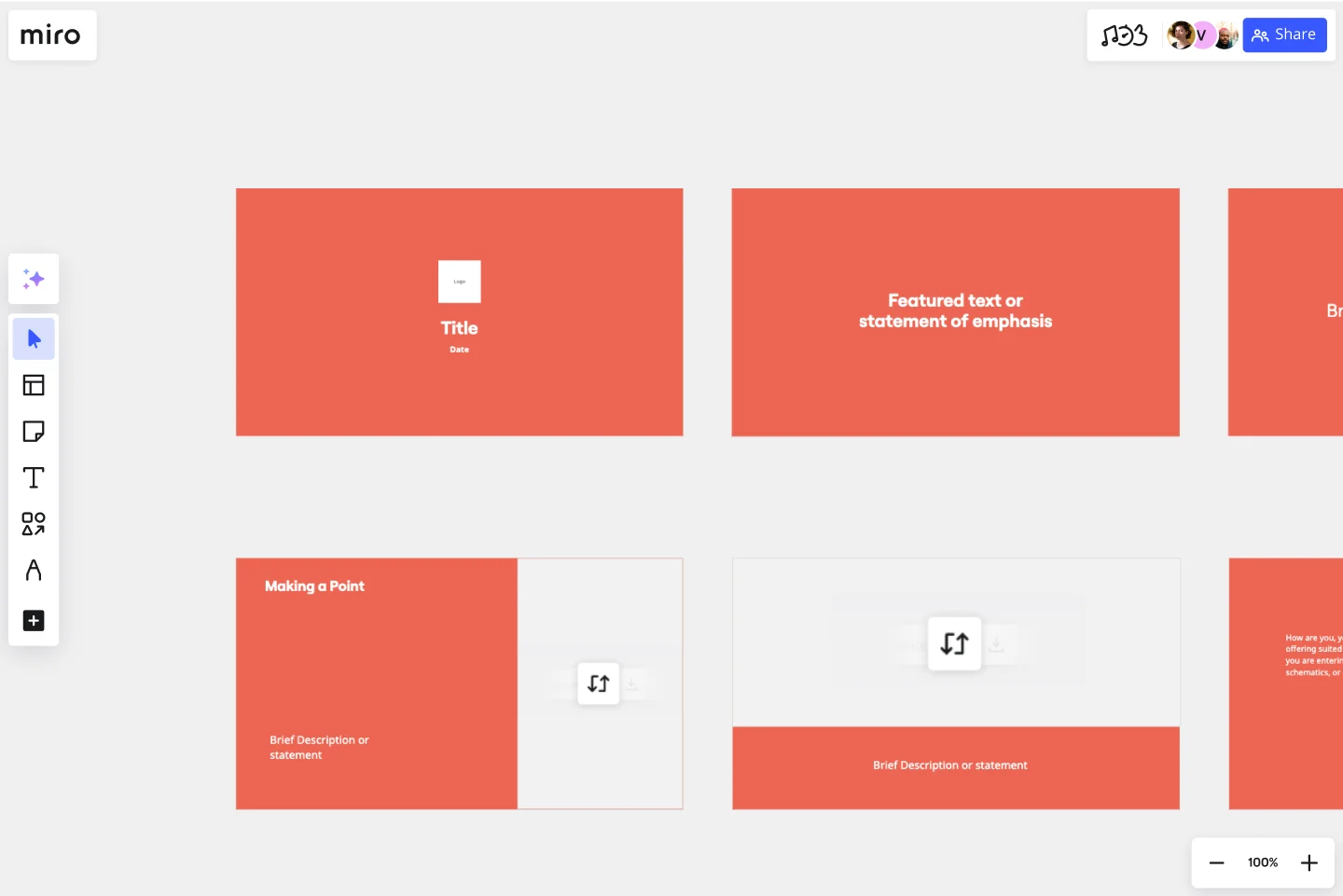
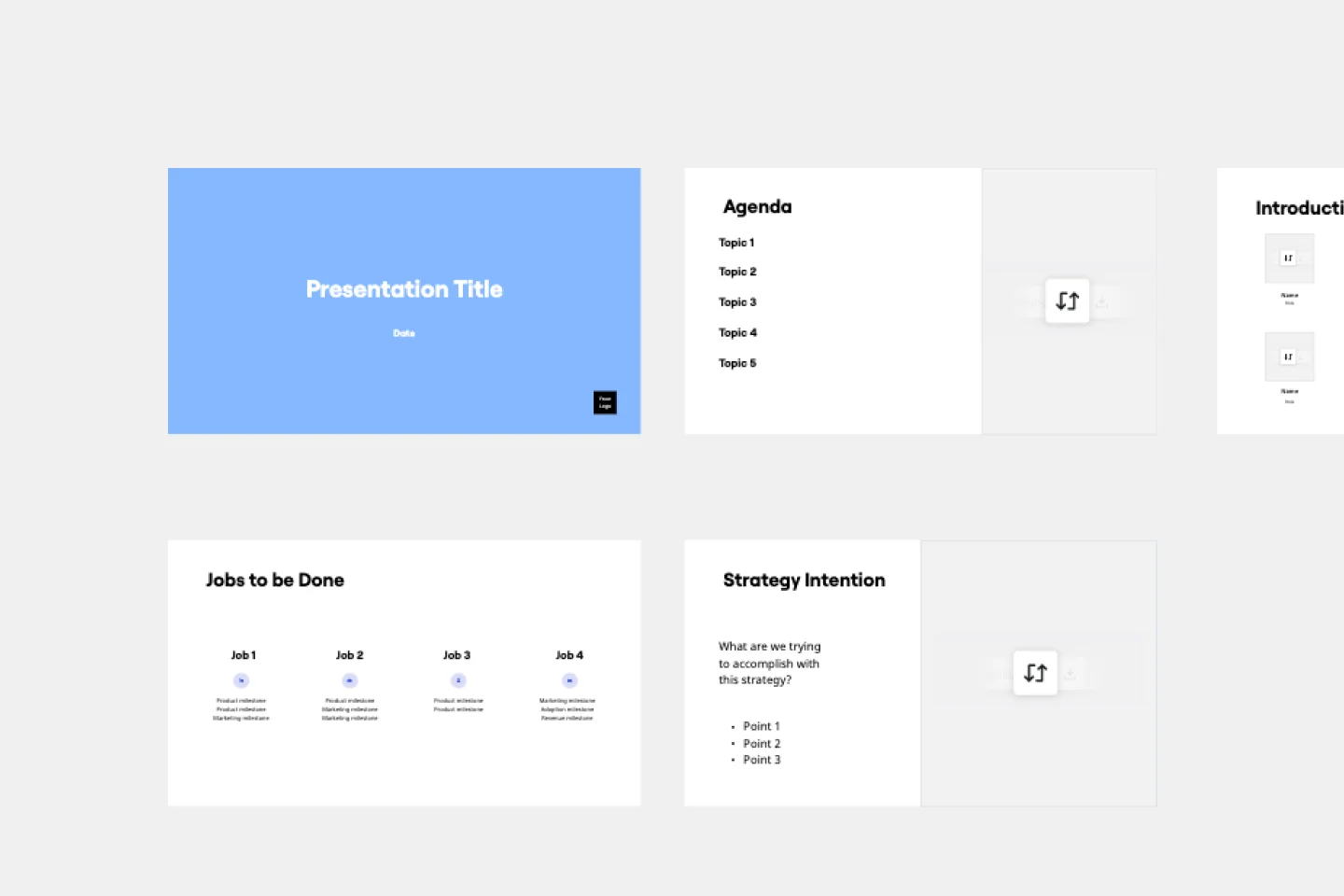
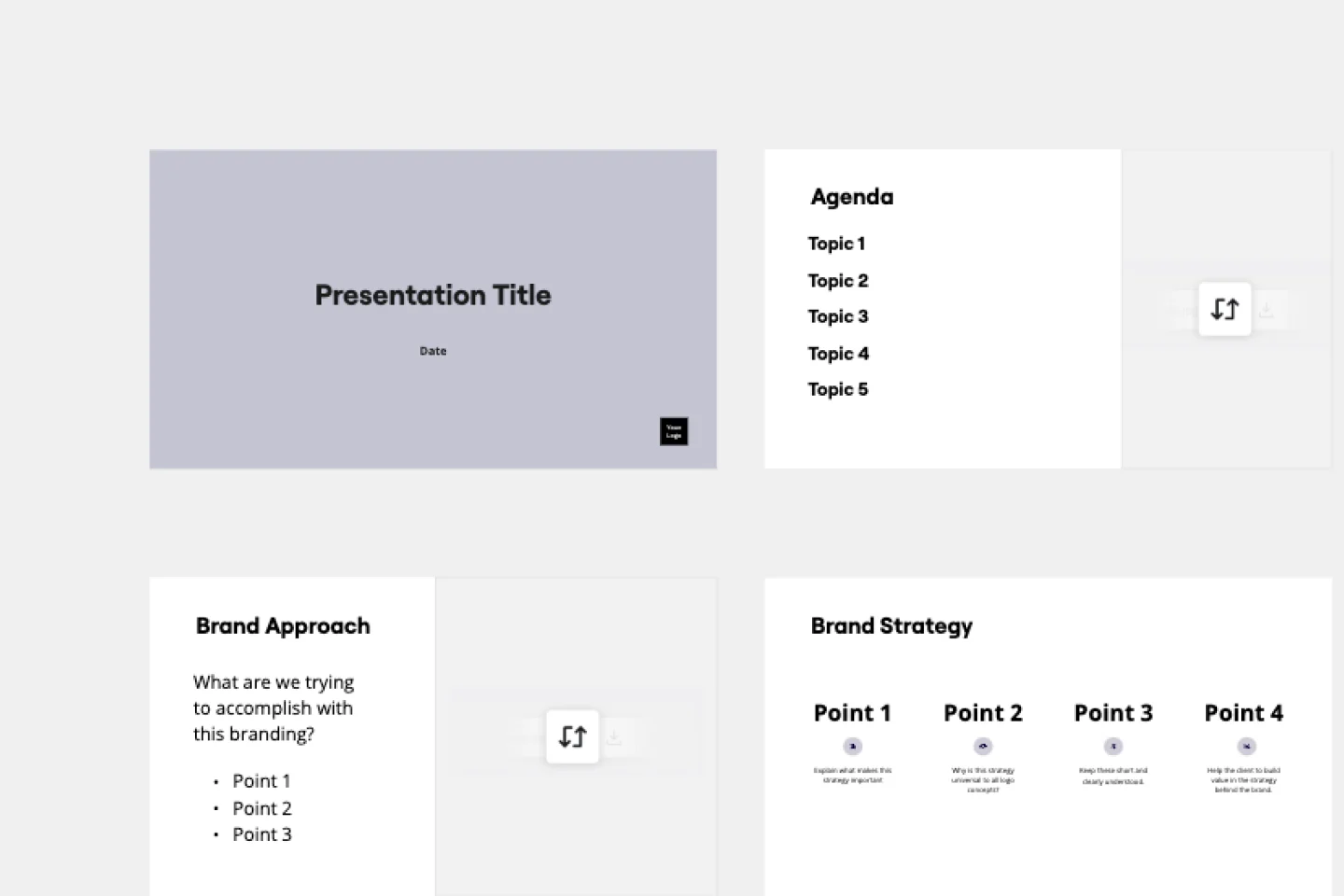
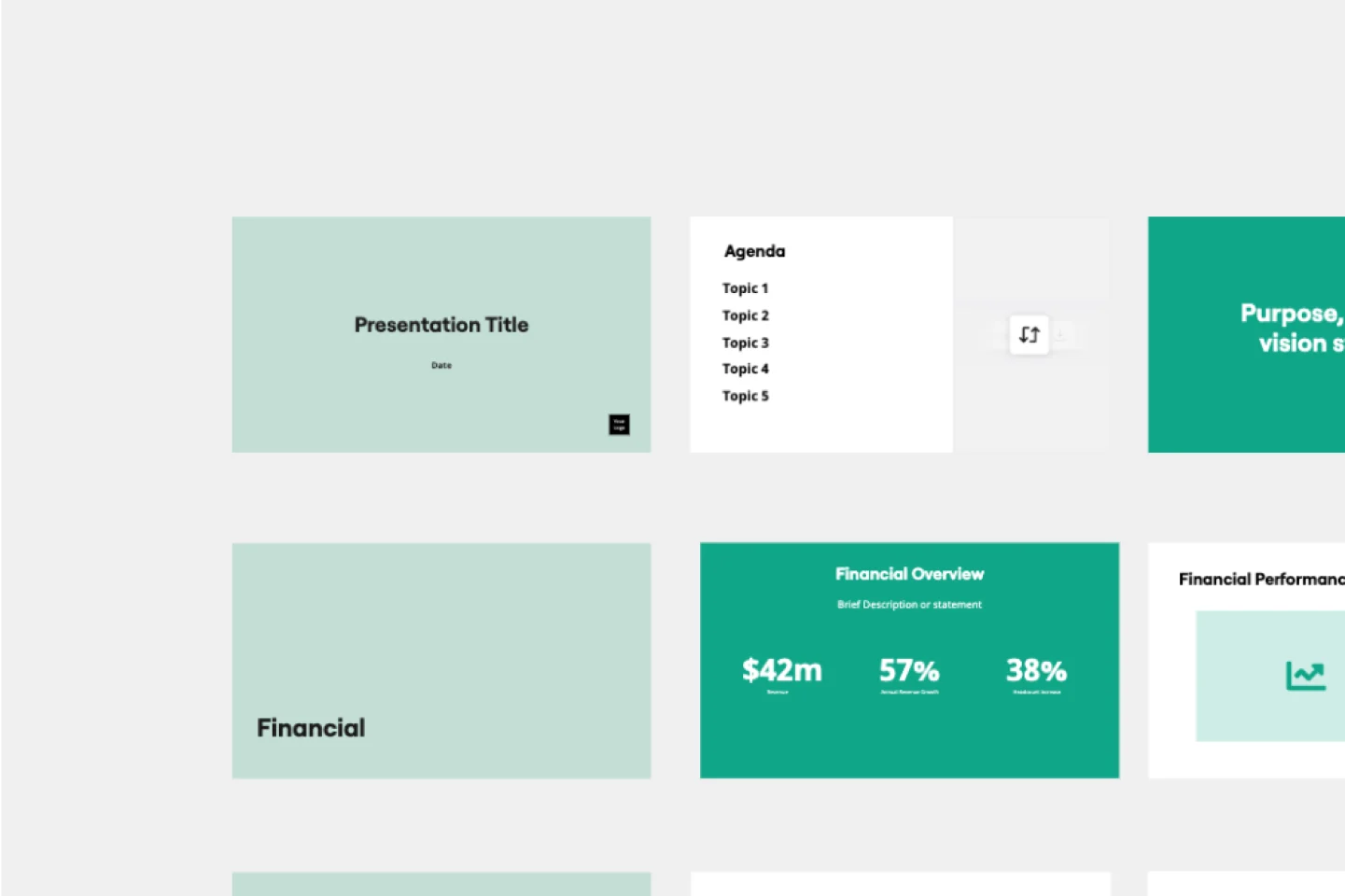
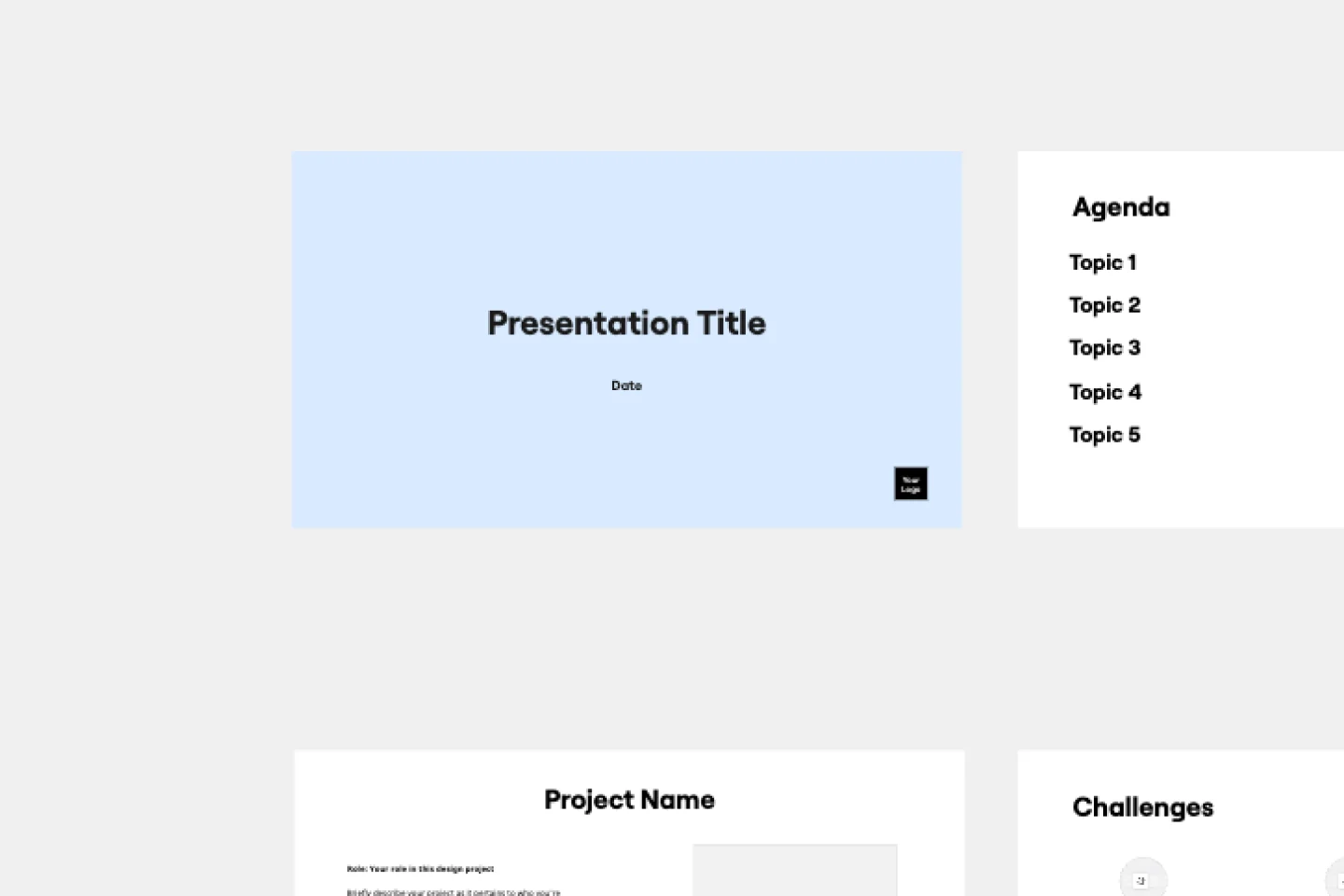
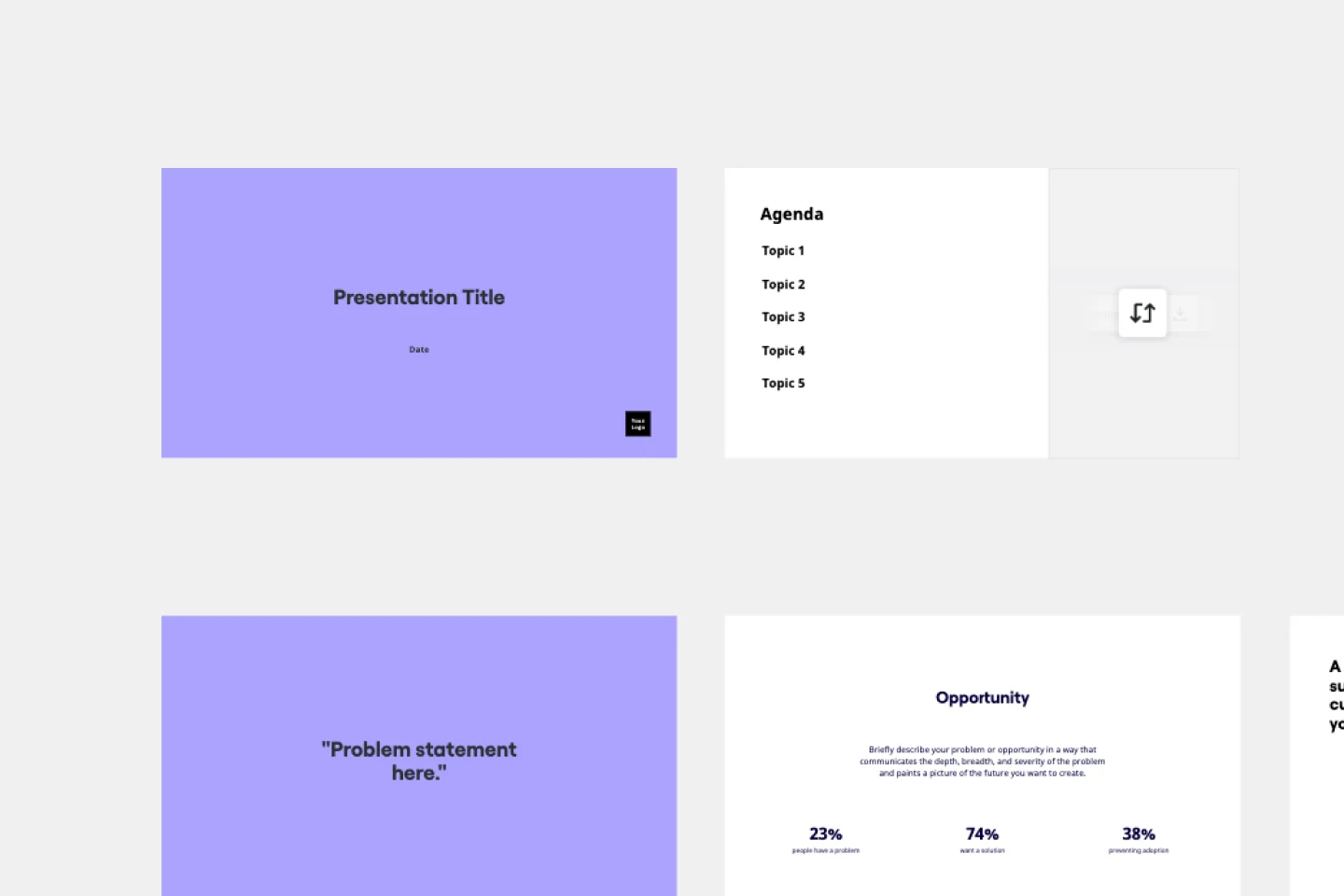
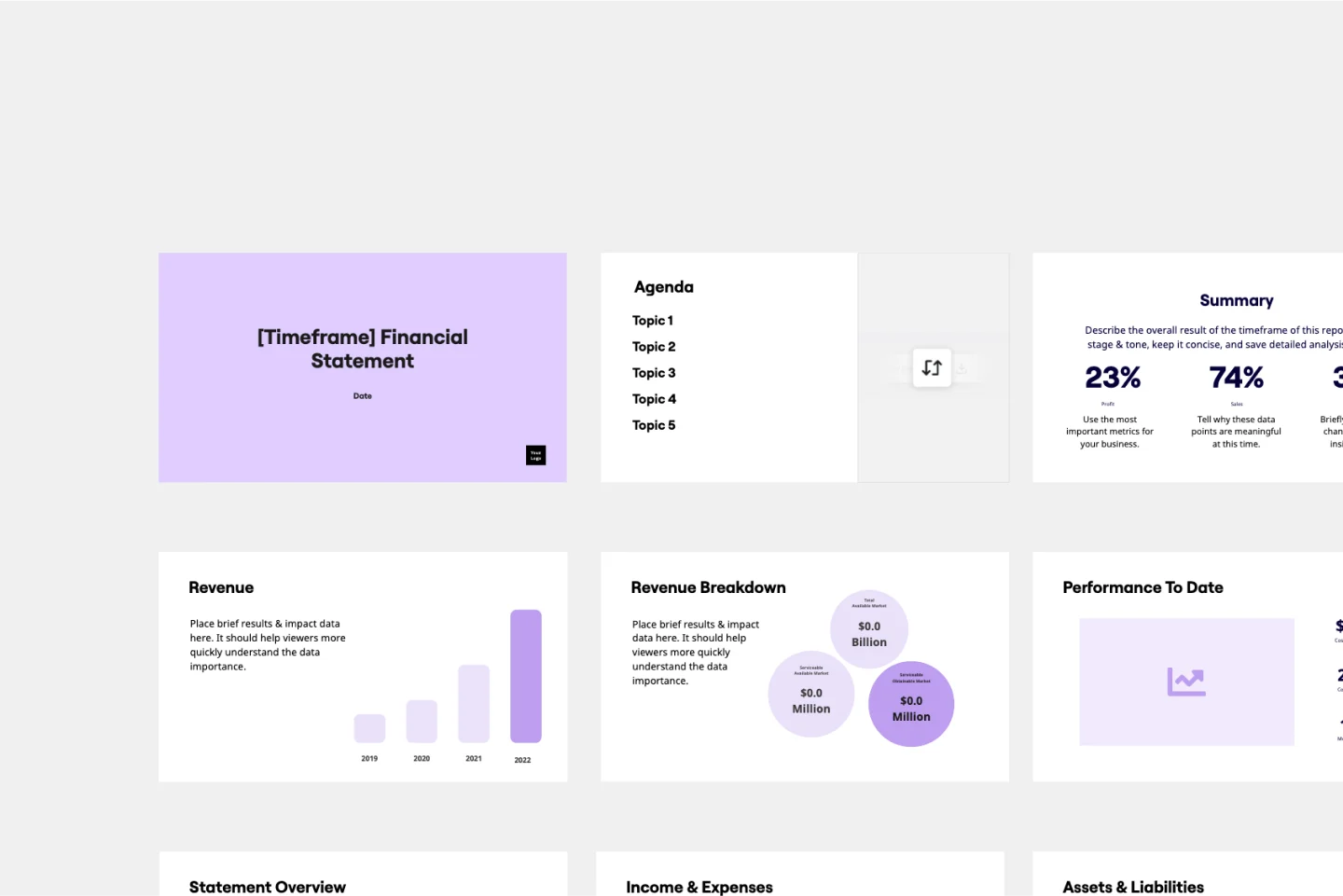
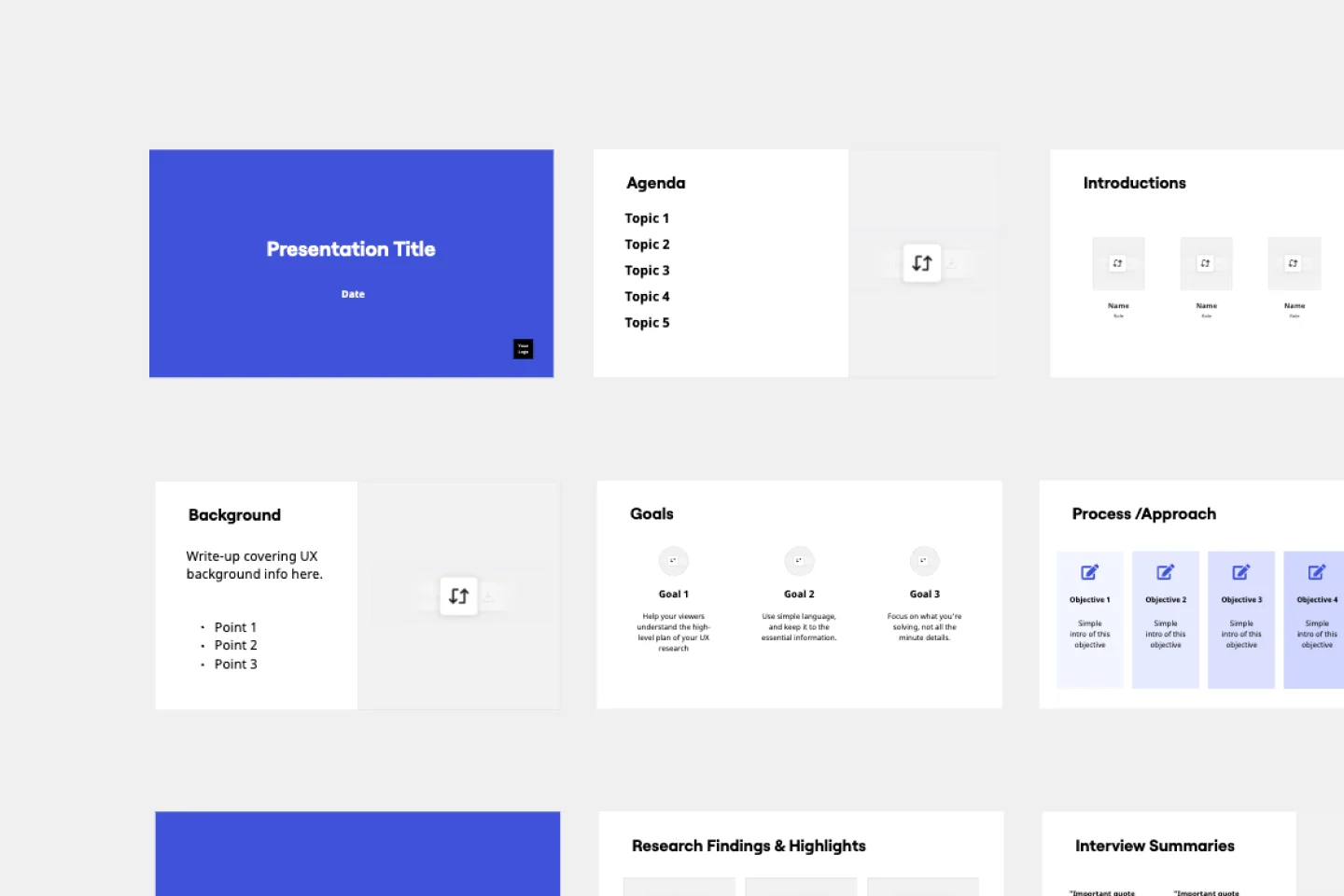
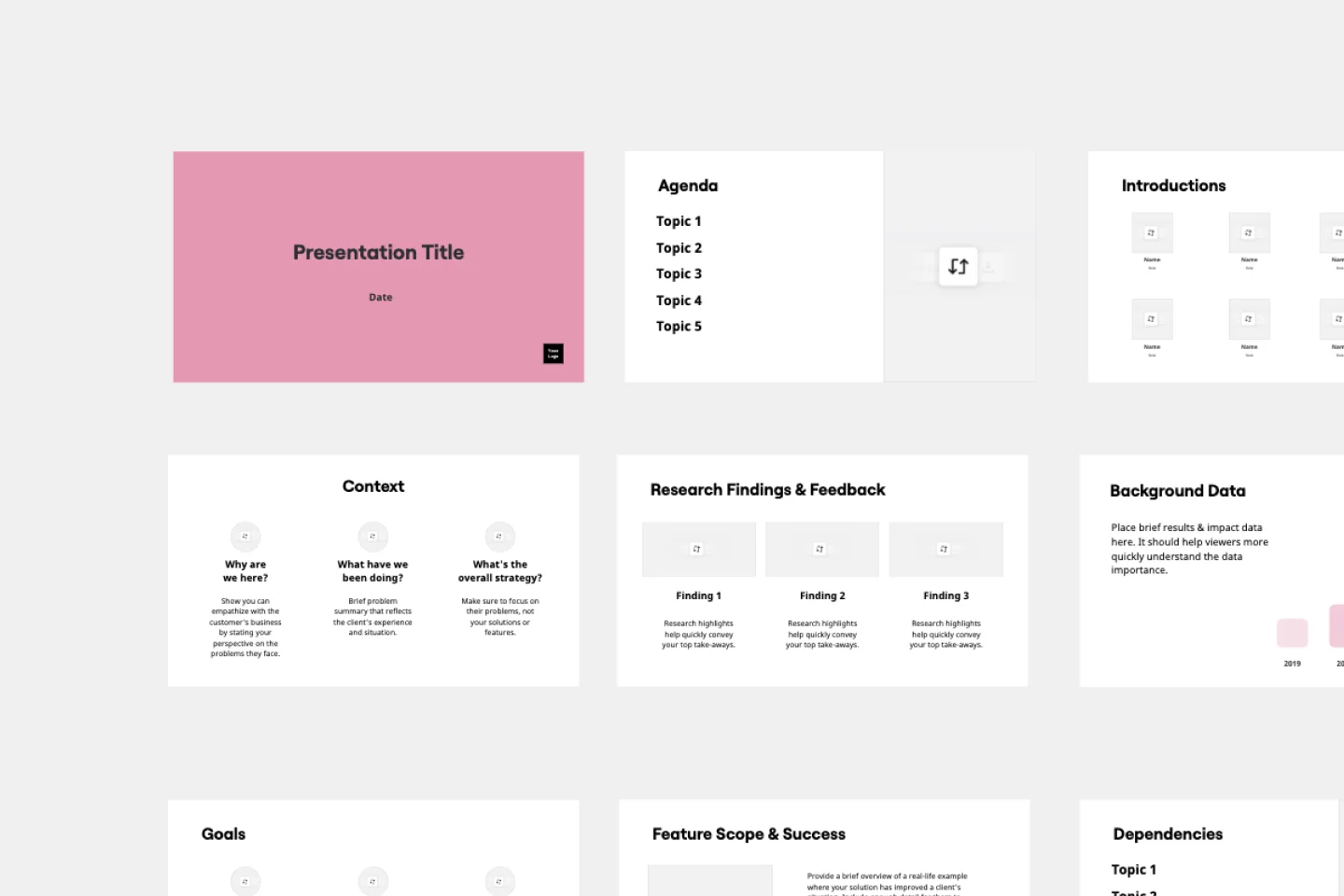
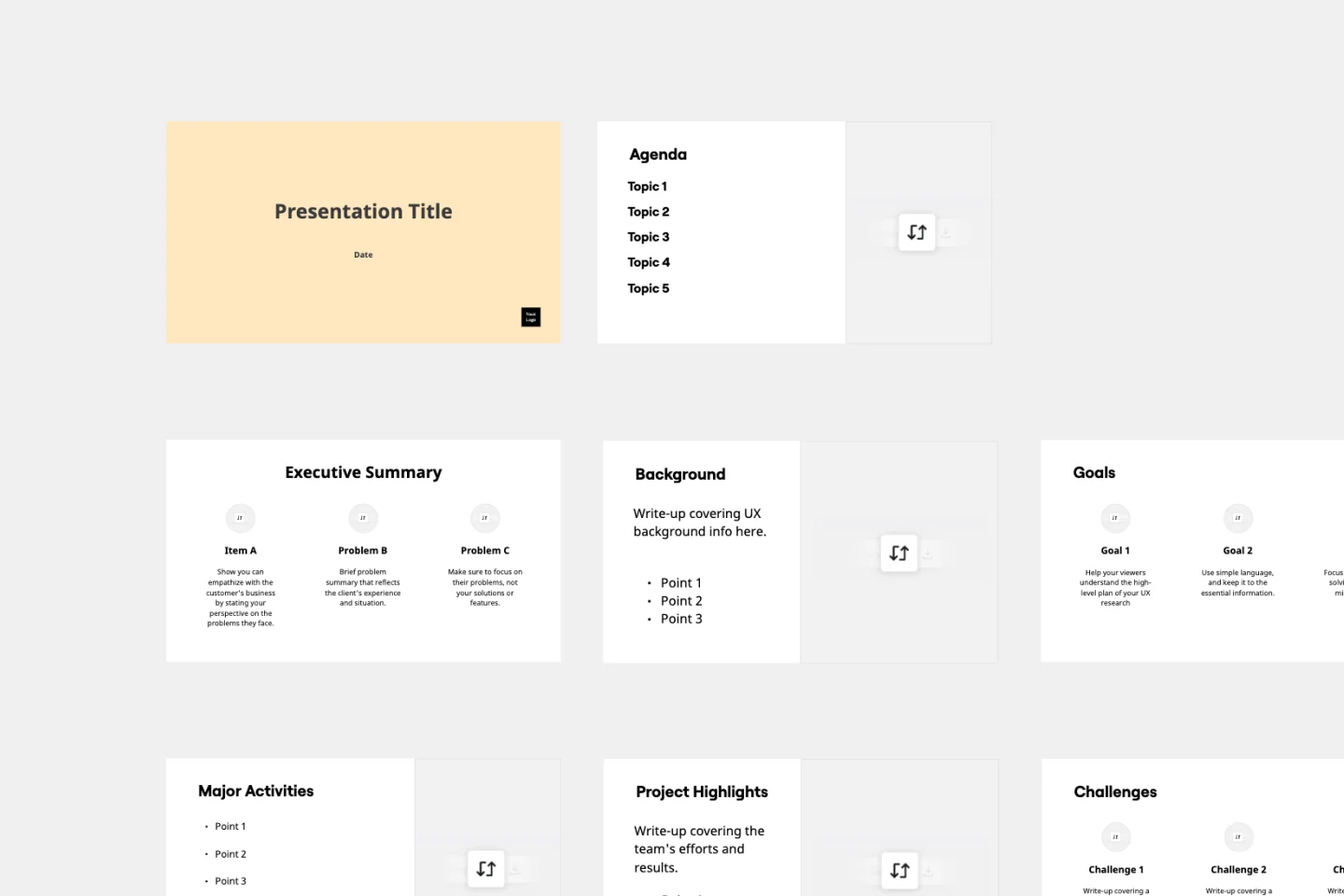
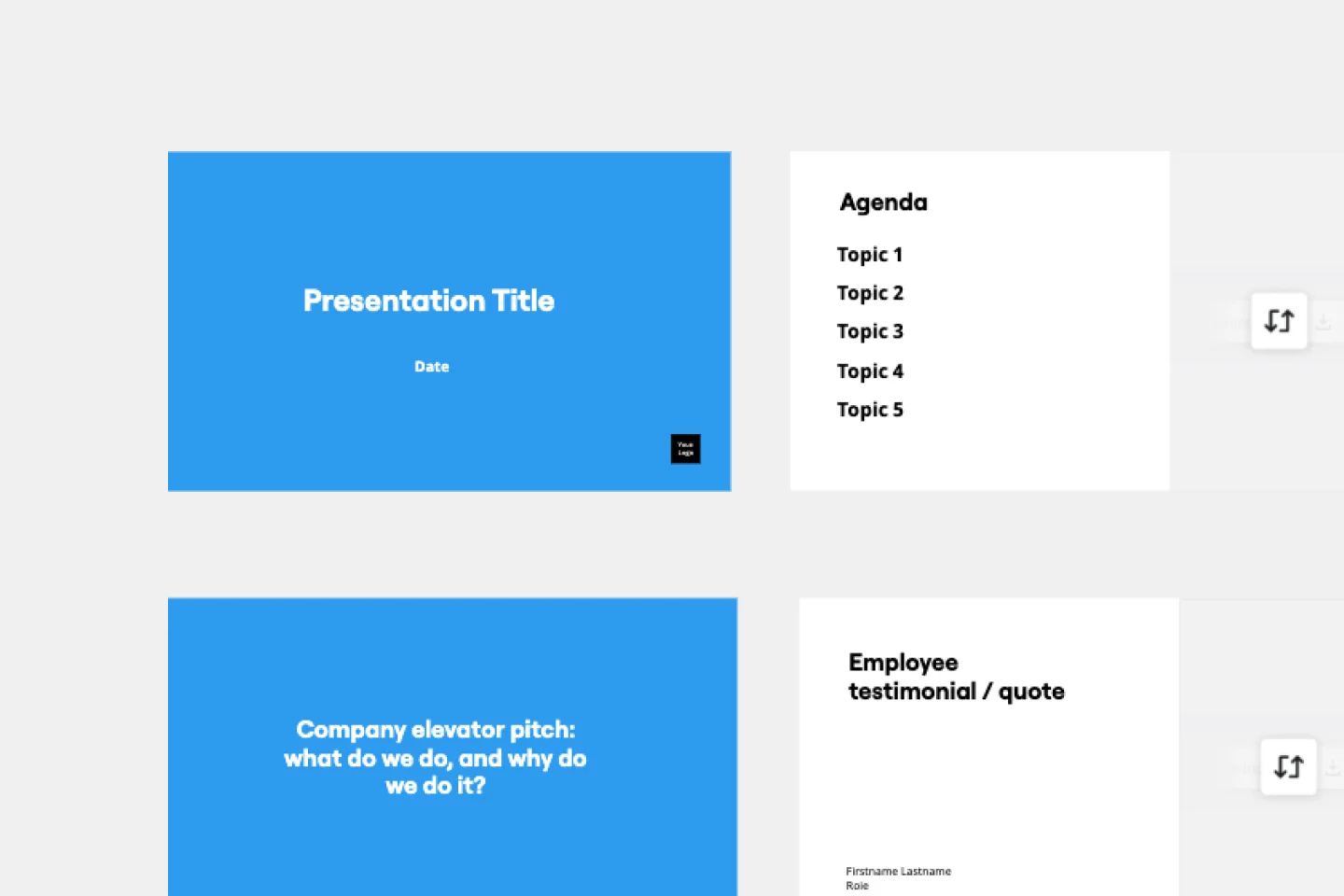
About the Presentations Template Collection
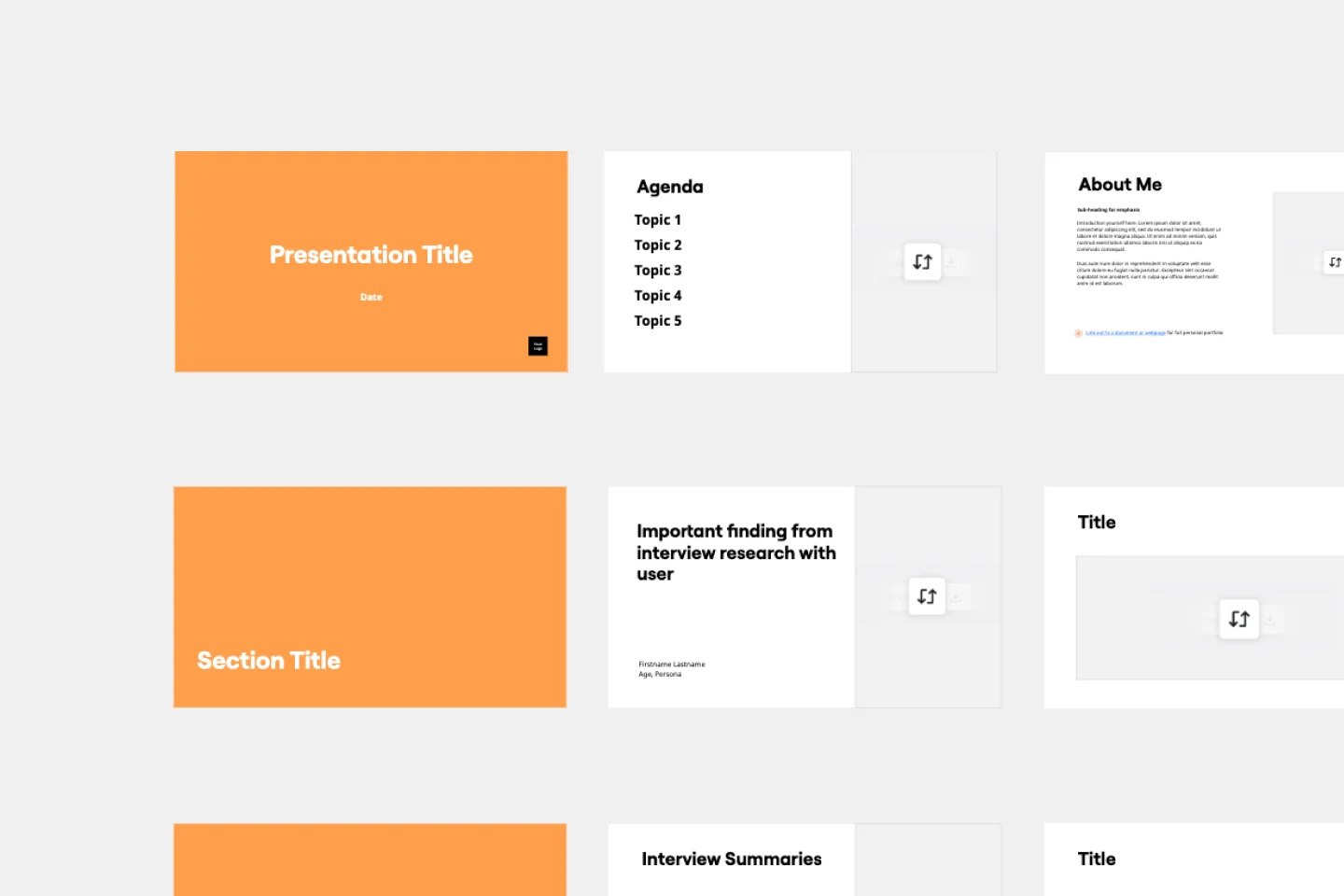
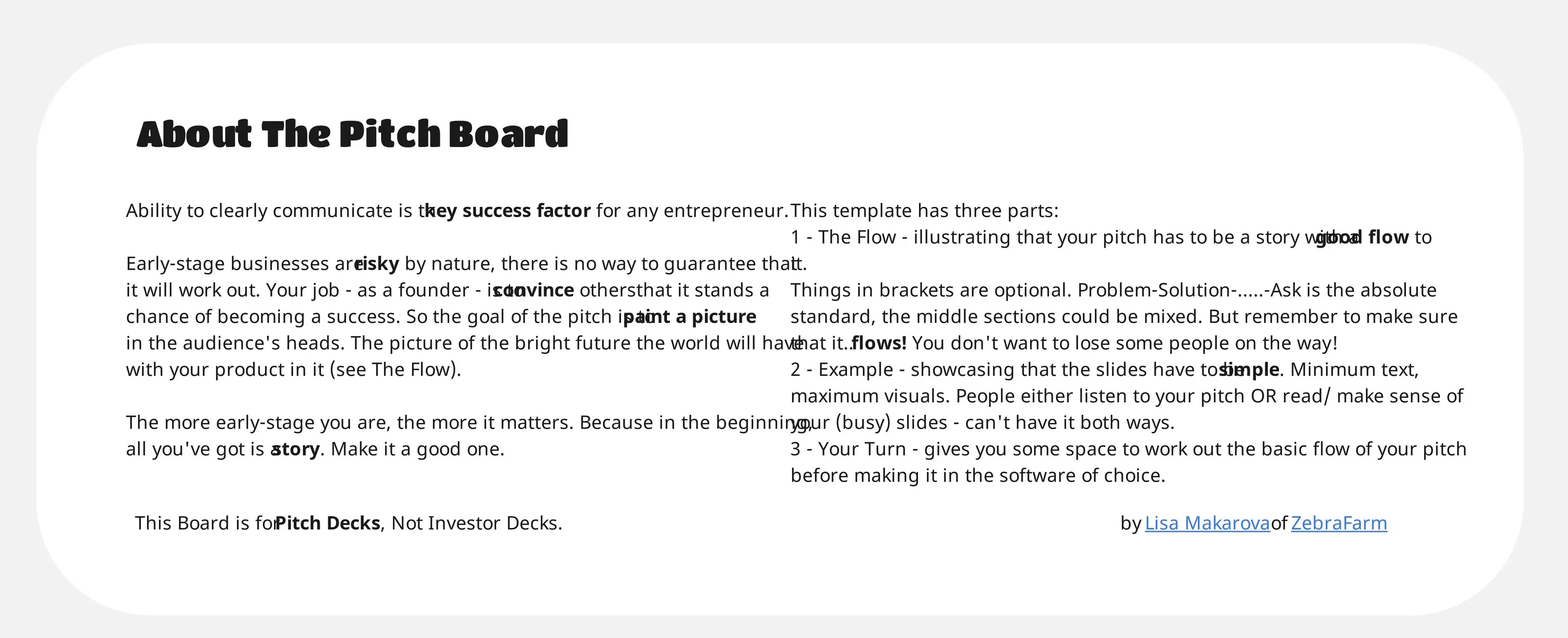
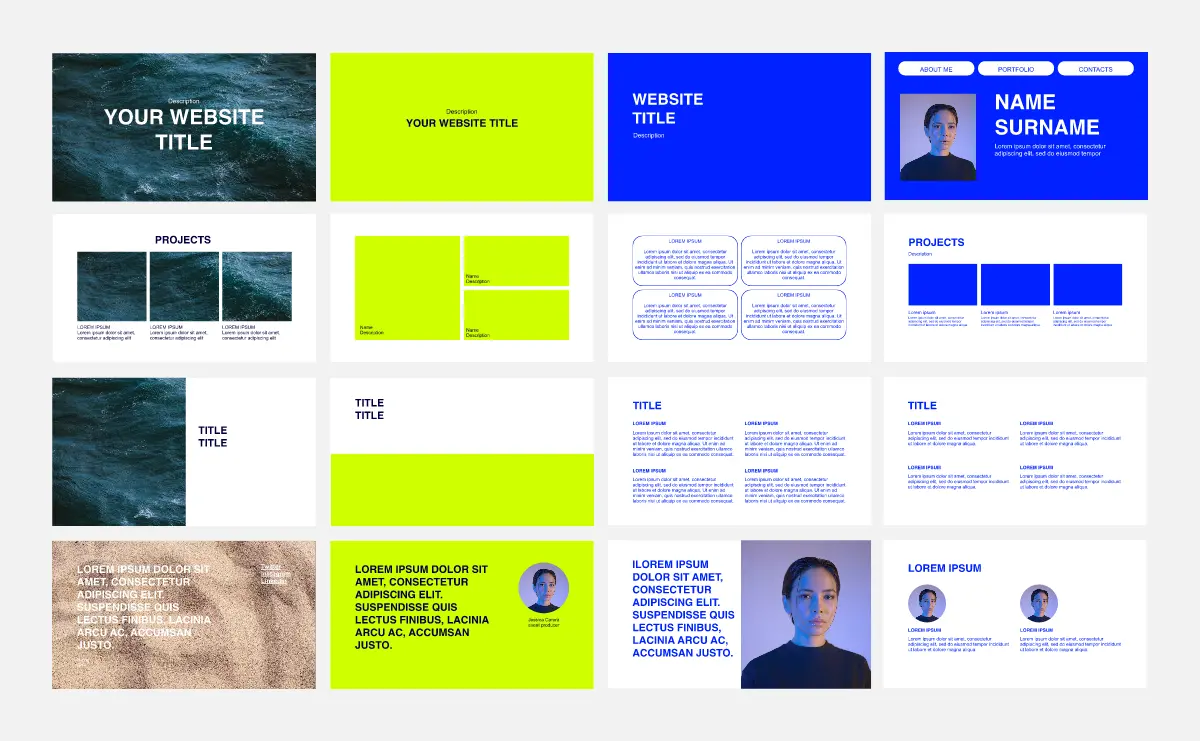
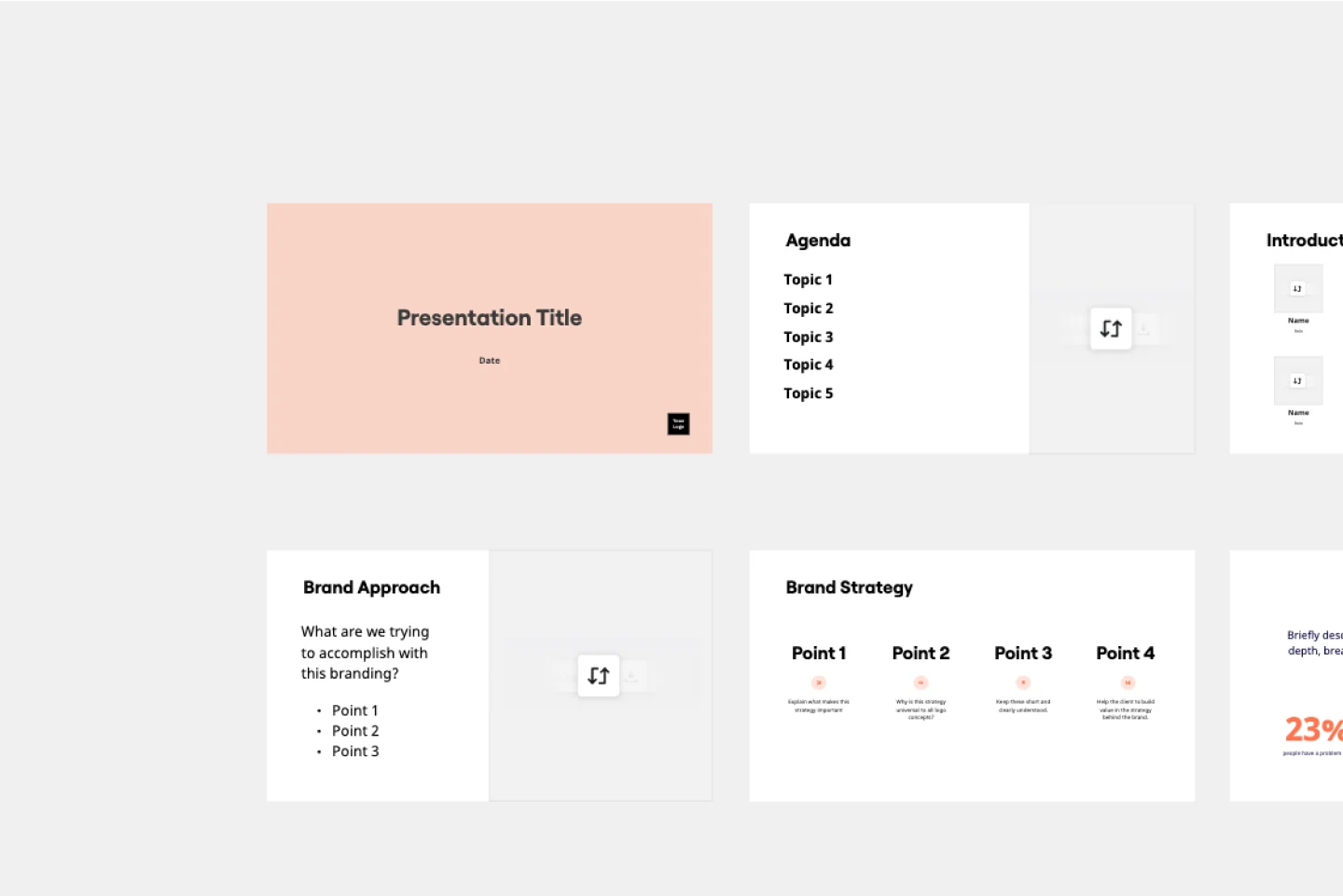
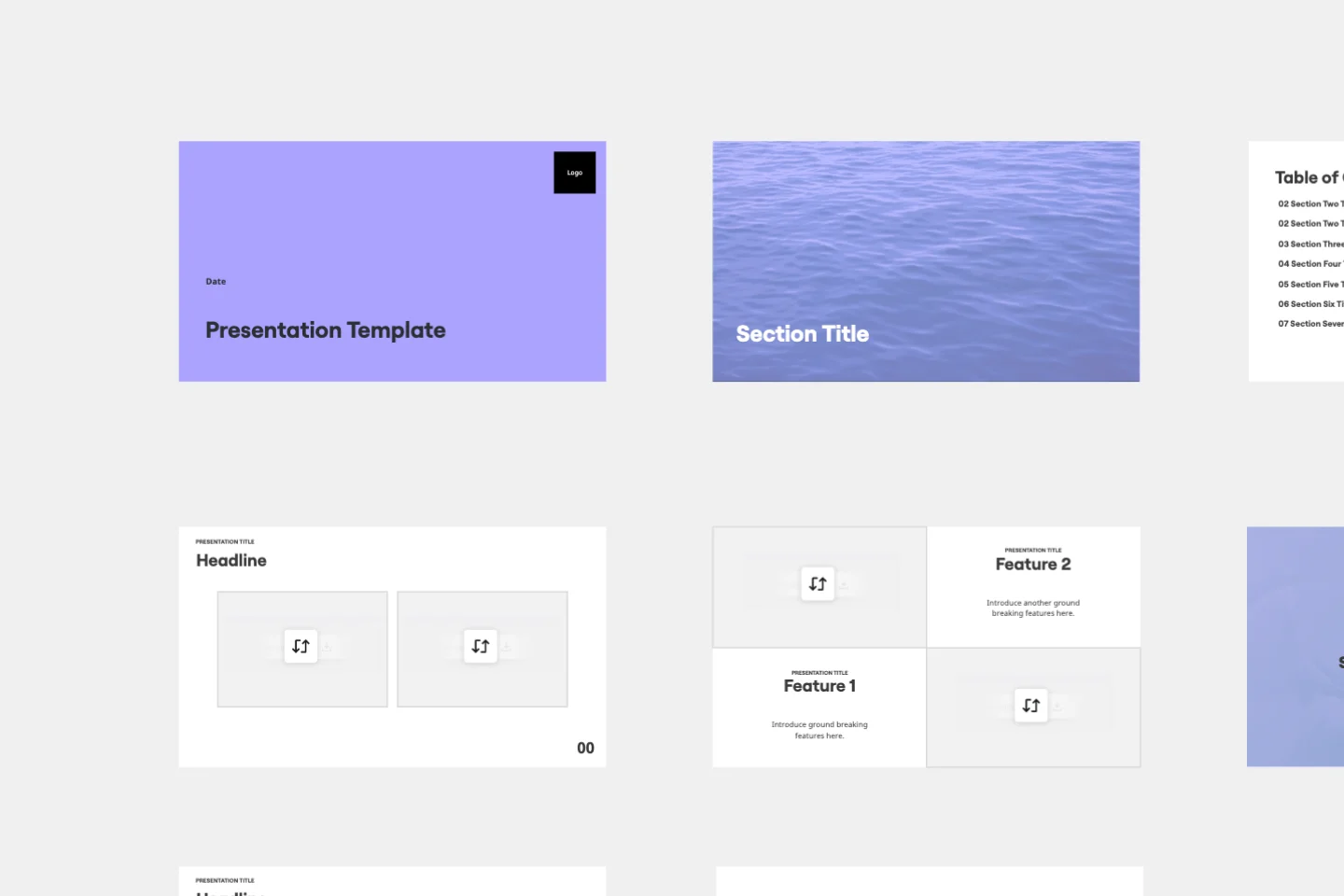
A presentation template is a pre-structured narrative framework designed to help you organize complex ideas into a compelling, visual story. Rather than starting with a blank slide, these templates provide the "bones" of your argument, balancing data, visuals, and text to ensure your message resonates with your audience and drives a specific action.
The "Presenter’s Audit": 3 Ways to Build a High-Impact Deck
A great template doesn't make a great presentation; great logic does. Before you export your Miro board, apply these three expert "health checks" to ensure your deck is persuasive:
1. The "10/20/30" Rule Logic
The Audit: Is your deck 50 slides long with 10-point font?
The Fix: Audit your template for cognitive load. Follow the industry standard: Aim for ~10 slides, a 20-minute delivery time, and a minimum 30-point font. If your template encourages "walls of text," you’ve built a document, not a presentation. Use Miro’s Frames to limit each slide to one "Big Idea."
2. The "Glance Test" (Visual Hierarchy)
The Audit: Can your audience understand the "point" of a slide within 3 seconds of looking at it?
The Fix: Every slide should have one clear focal point. Use your template to establish a consistent visual hierarchy: a bold headline, a supporting visual, and a single "Call to Action." If the eye has to wander to find the meaning, you’ll lose the audience's attention.
3. Narrative "Conflict and Resolution"
The Audit: Does your presentation start with a boring "About Us" slide?
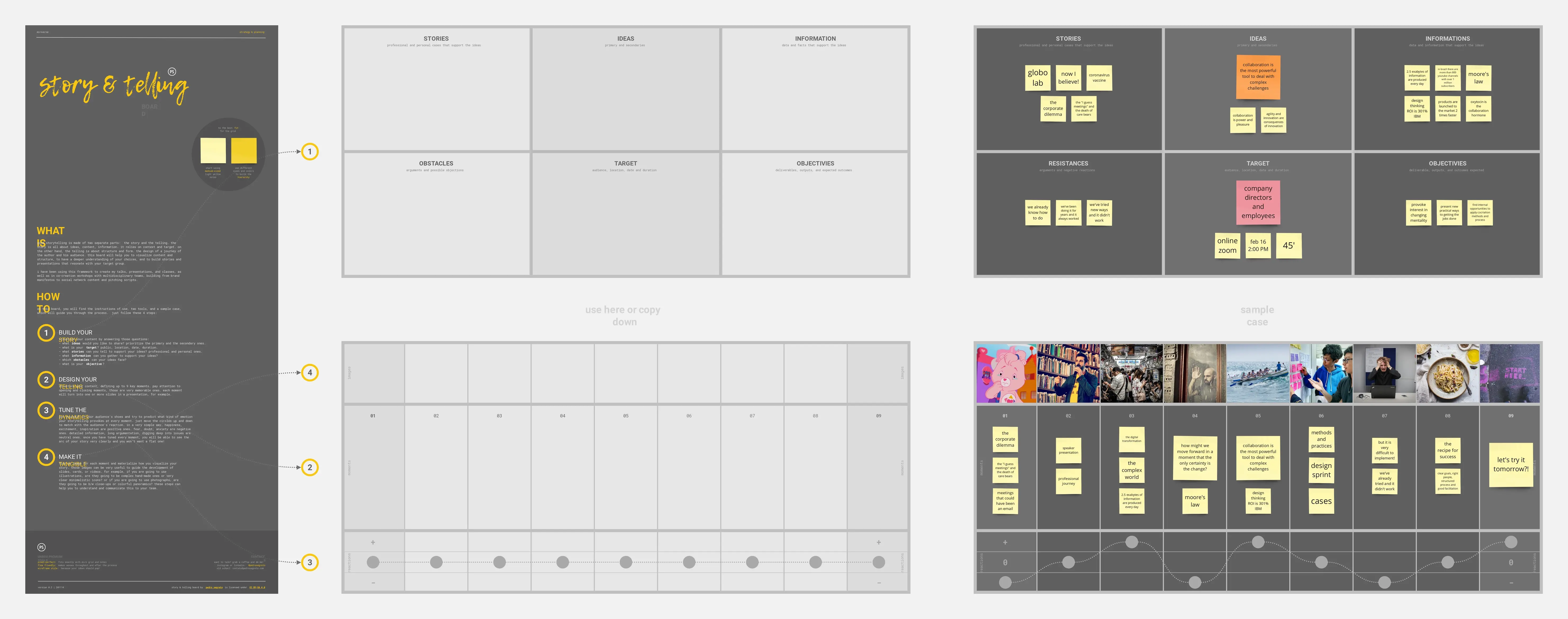
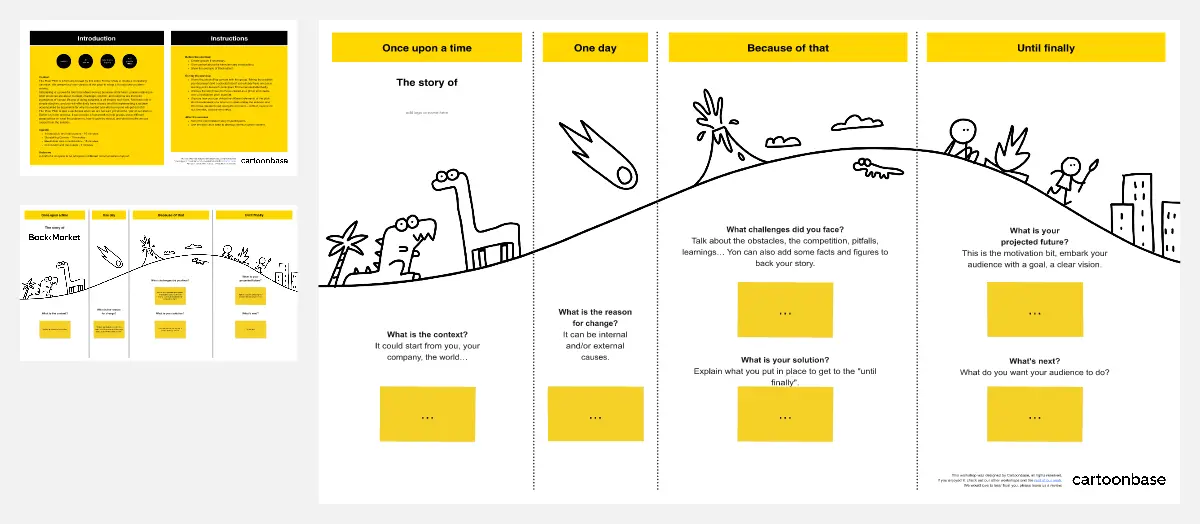
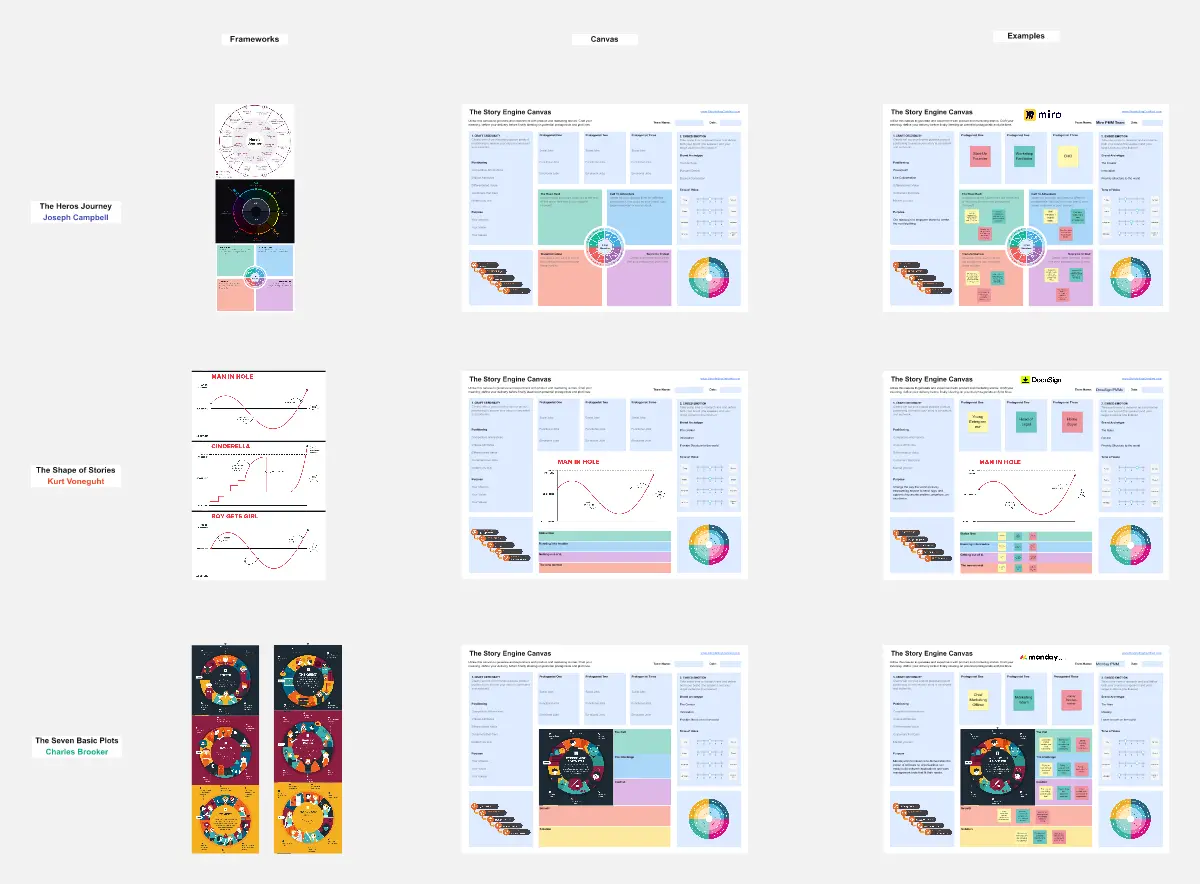
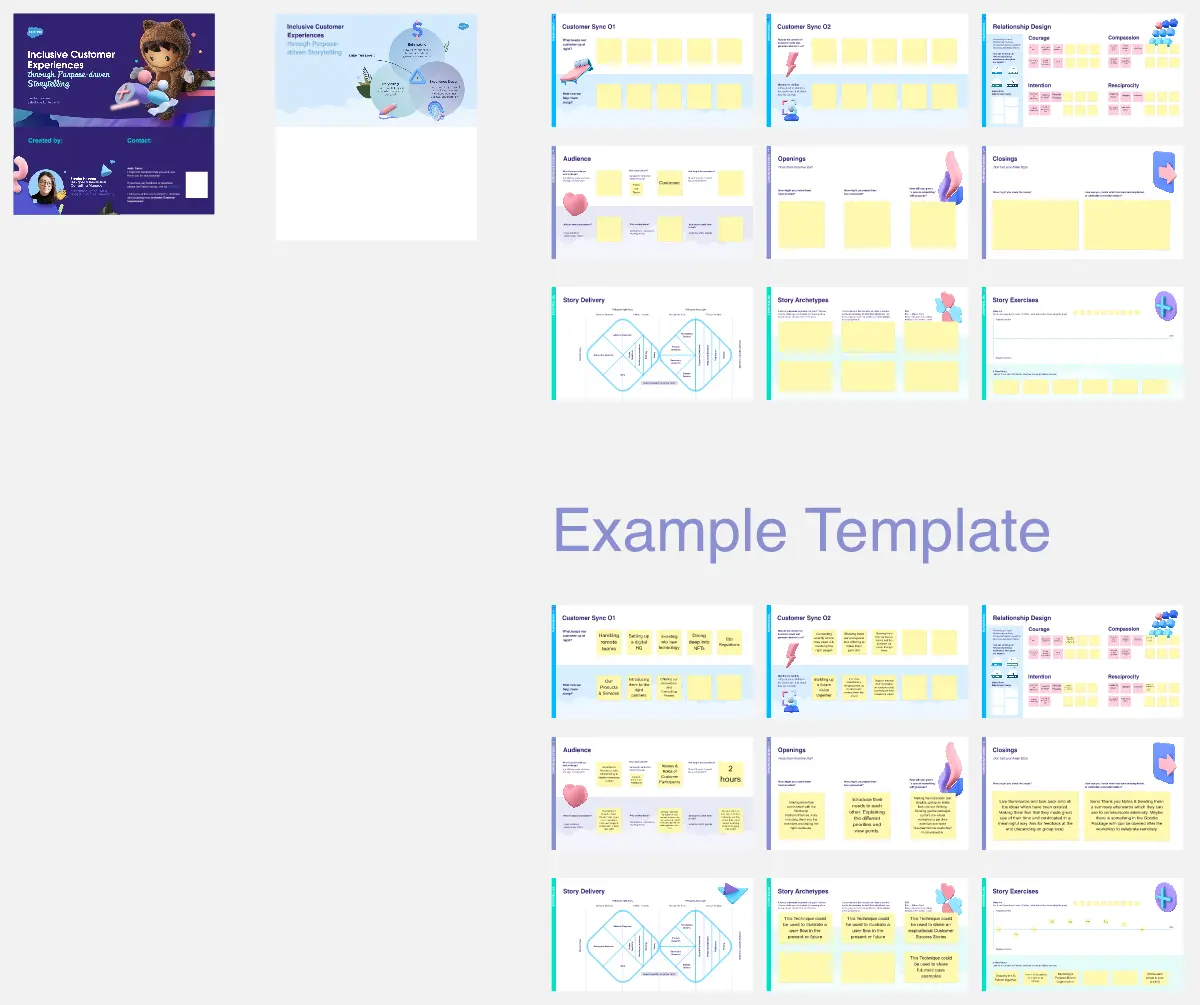
The Fix: High-authority presentations use Storytelling Archetypes. Start with the "Villain" (the problem/pain point) and position your project as the "Hero" (the solution). Use your Miro template to map this emotional arc before you even choose your colors.
Key Components of a Presentation Template
A professional presentation template provides the visual "scaffolding" for your ideas. To ensure maximum engagement, every high-performance Miro deck should include these five core elements:
The Hook (The Opening): A high-impact first slide designed to grab attention immediately usually a provocative question, a shocking statistic, or a bold vision statement.
The Narrative Roadmap: A "Table of Contents" or progress bar that tells the audience exactly where they are in the journey, reducing "mental fatigue" during longer sessions.
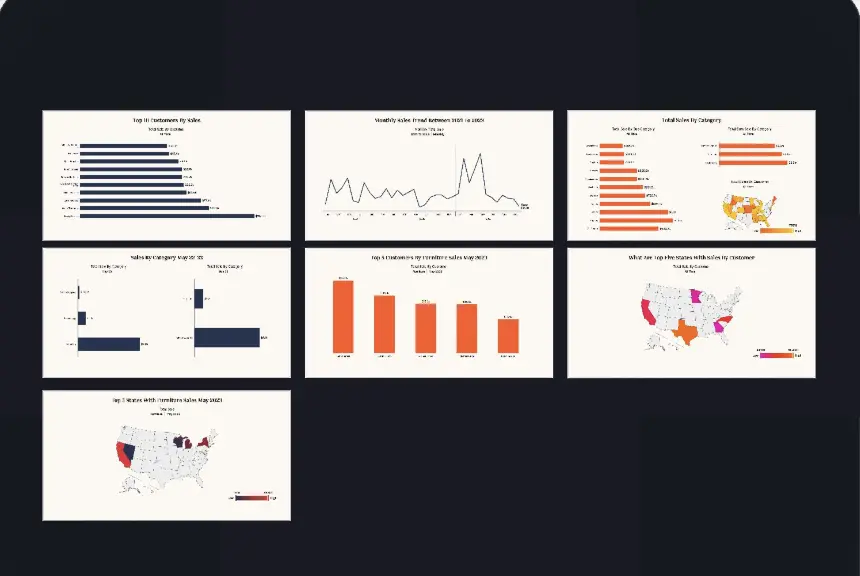
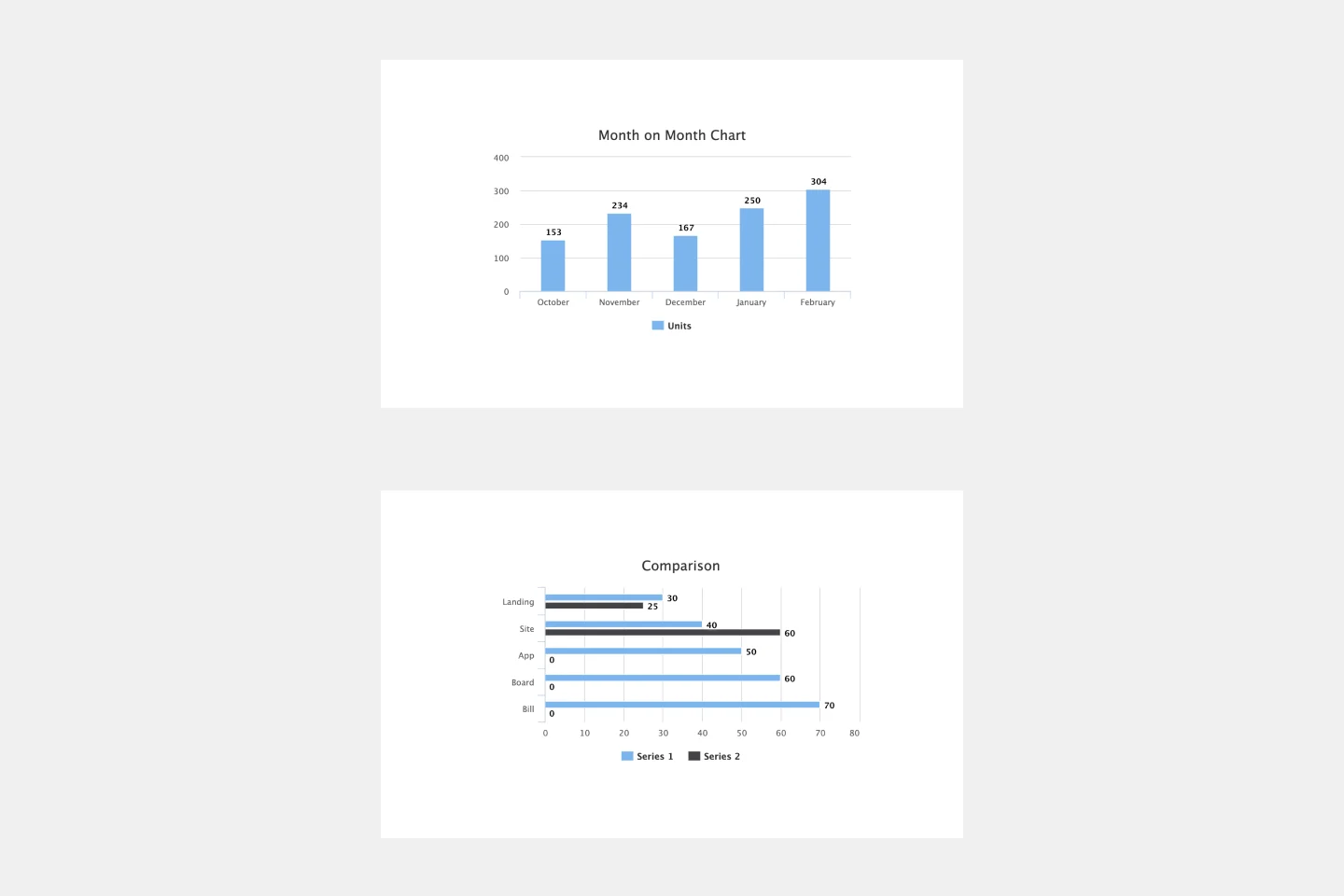
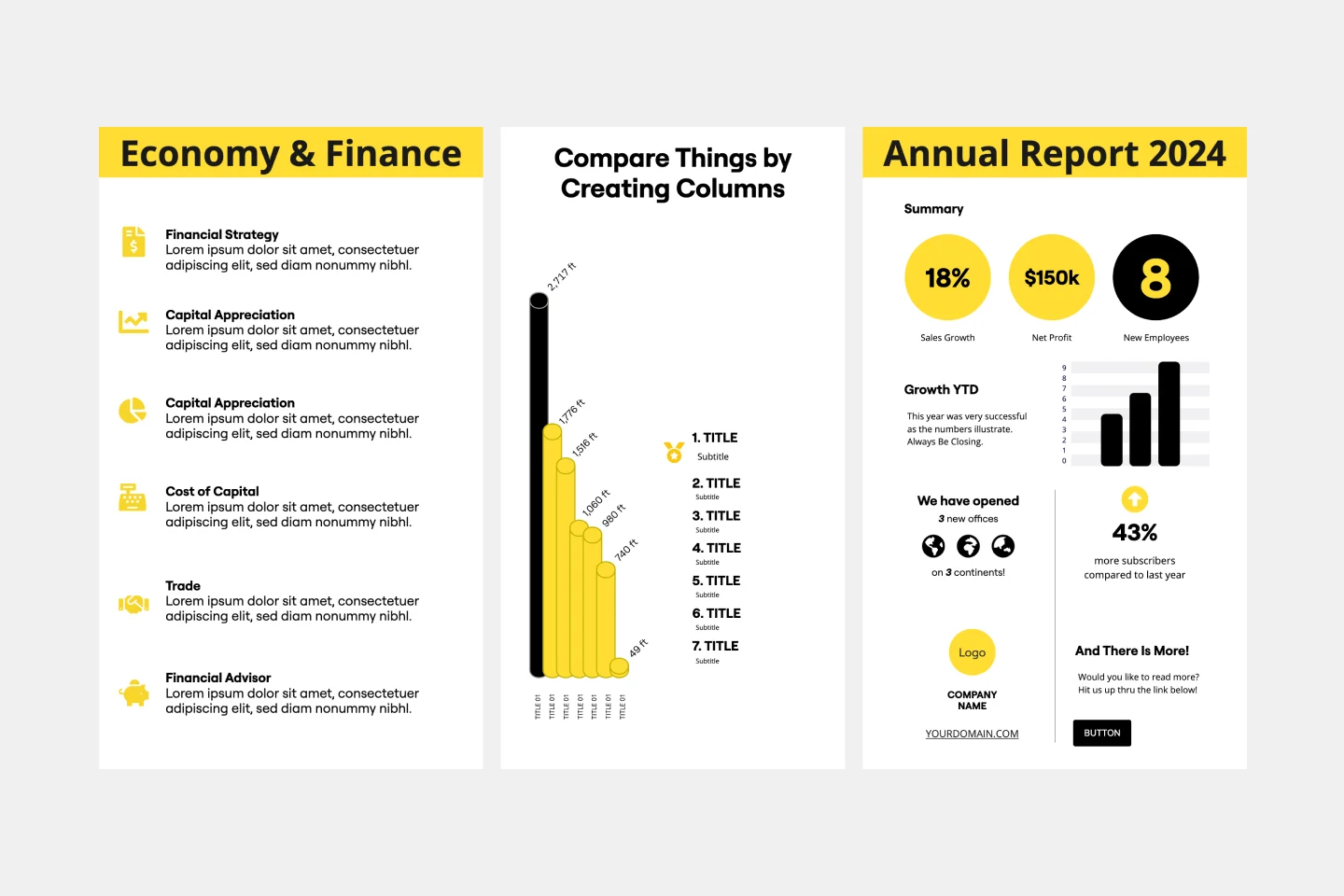
Data Visualization Blocks: Purpose-built frames for charts and graphs. Instead of raw data, these sections should emphasize the insight behind the numbers.
Social Proof/Validation: Sections for testimonials, case studies, or logos that build credibility and trust with your stakeholders.
The "One Thing" (Call to Action): A definitive final slide that tells the audience exactly what to do next. Never end with a "Questions?" slide; end with your contact info and a clear next step.
How to use the presentation templates in Miro
Using the presentation templates in Miro is straightforward and user-friendly. Here’s a step-by-step guide:
Select a template: Browse through the presentation templates available on Miro's template library. Choose one that best fits your needs.
Customize your template: Once you've selected a template, you can start customizing it. Add your text, images, and other content to the slides. You can also change the colors, fonts, and layout to match your brand's style.
Organize your slides: Miro frames act like the slides of your presentation. You can order and manage your slide frames in the sidebar frames menu accessed from the bottom left of your board.
Collaborate in real time: Invite team members to collaborate on the presentation. Miro allows multiple users to work on the same board simultaneously, making it easy to gather input and make adjustments in real-time.
Present your work: When your presentation is ready, you can present directly from Miro. Use the presentation mode to navigate through your slides smoothly and keep your audience engaged.
Use Miro's presentation templates to create compelling presentations, effectively convey your message, and leave a lasting impression on your audience.