Action Plan Template
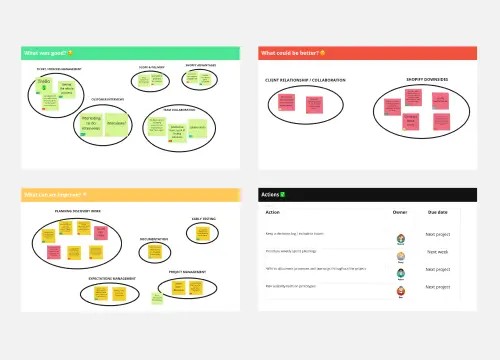
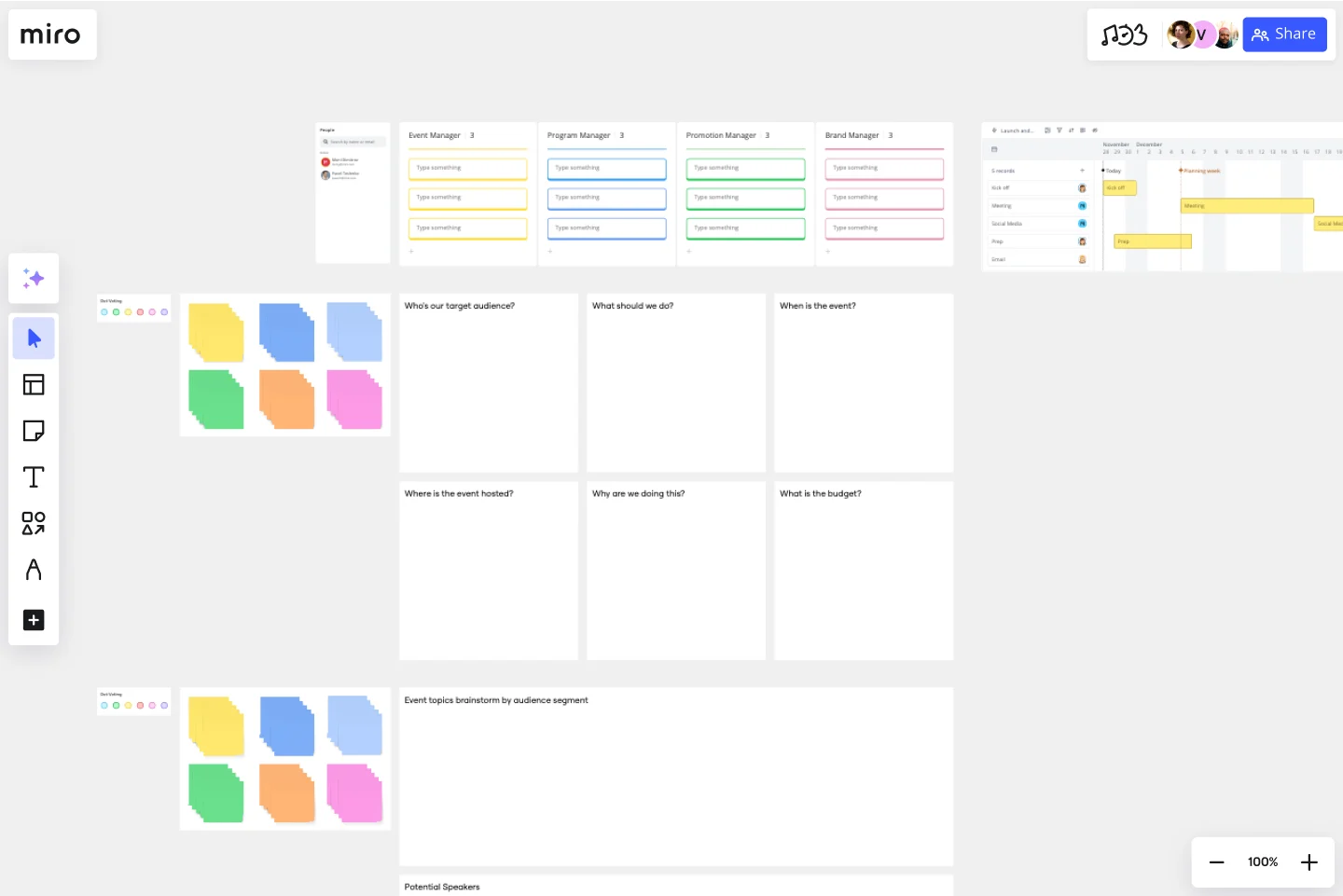
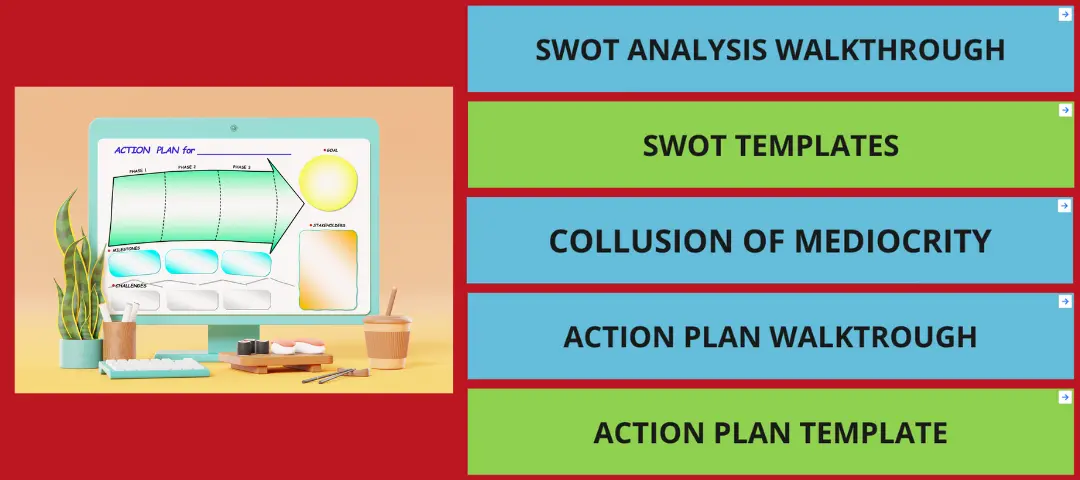
Stay organized and get an overview of your projects and goals with the Action Plan Template. Keep track of your tasks and improve the way you work.
About the Action Plan Template
We all need strategies to organize our work more efficiently and accomplish our goals. The Action Plan Template helps you stay focused while giving you an excellent overview of your projects and tasks. Use it to organize your schedule and improve the way you work.
What is an Action Plan Template?
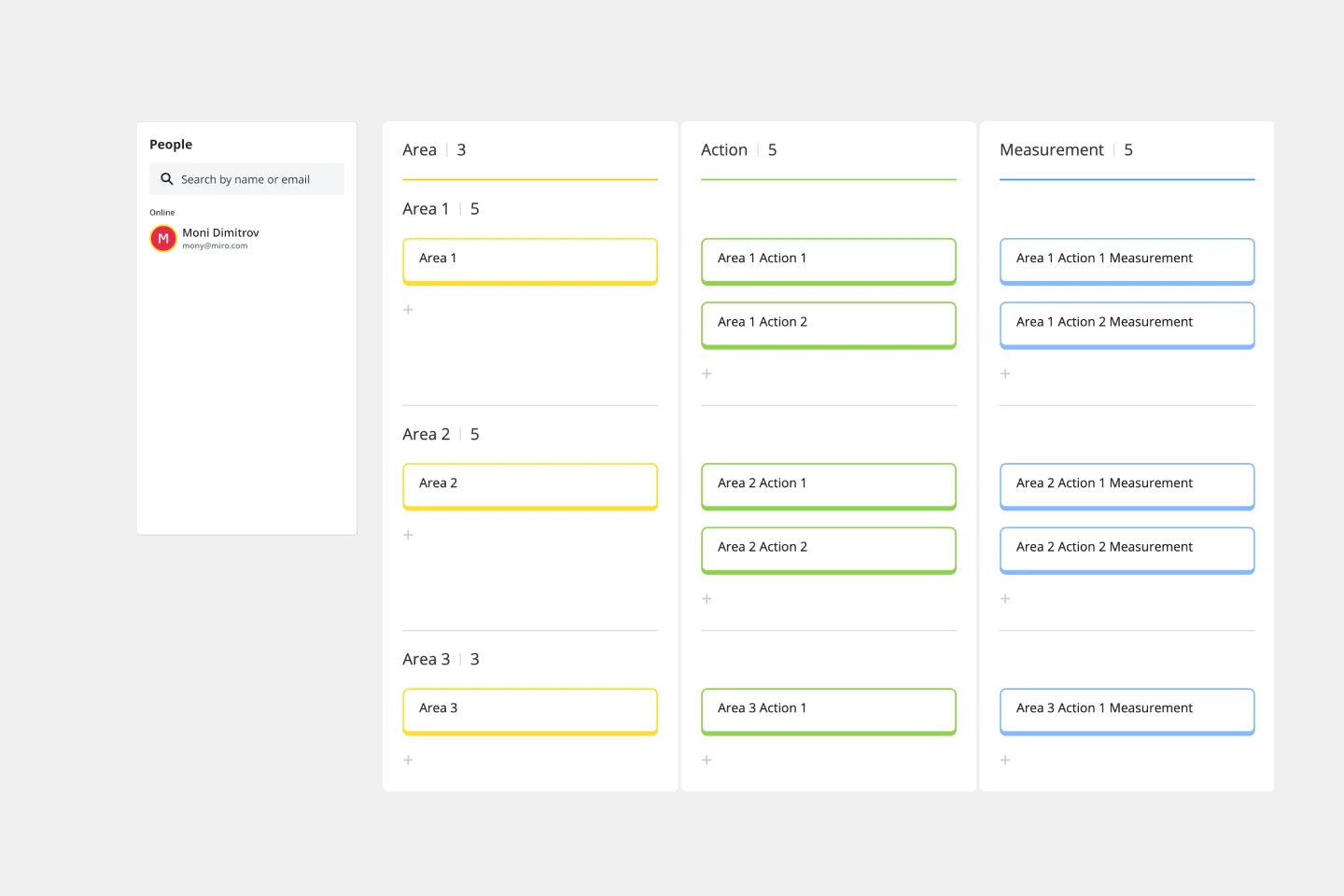
An Action Plan Template contains a list – or series of lists – that detail everything you must accomplish to complete a task. Action plans help with project management by ensuring you focus on small tasks and decisions that are oriented toward accomplishing your bigger goals. They can also promote confidence in your ability to be successful and make things happen.
Why write an Action Plan?
It’s common for organizations to formulate long-term strategies to achieve certain goals, whether for the overall business or for a specific team. But thinking of a goal or strategy and actually implementing it are two different things. Action plans are how you make these goals a
Many people and organizations use action plans as a framework for thinking about how to complete a project quickly and effectively. They help keep everything in order and ensure that nothing is missed. Because every task is laid out clearly, stakeholders can get on the same page about what they need to do and when it needs to get done.
Action Plan examples
Managers and individuals can create action plans for their teams to lay out tangible steps necessary to achieve a long or short-term goal. As an example, the action plan for a campaign launch could involve gathering data, creating assets and coordinating the launch – with as much detail added for each task as needed.
How to use the Action Plan Template
Here’s how you can use the Action Plan Template:
1. Brainstorm and identify specific tasks
Brainstorm the tasks you will need to accomplish in order to achieve your goal. For many teams, it can help to start at the beginning and work your way toward the end. What’s the first step? Once you finish the first step, what’s the second? Think about timelines and stakeholders, and build in time to iterate and review.
2. List the tasks and identify what’s needed to complete them
Drawing on your brainstorm document, think about how you can work more efficiently. Have you listed a task that isn’t necessary to complete your goal? Is there something that you can delegate? Do you need more resources?
3. Use SCHEMES to double-check your action plan.
SCHEMES is an acronym that allows you to verify that you have everything you need to complete a plan. It stands for Space, Cash, Helpers, Equipment, Materials, Expertise, Systems.
4. Prioritize the tasks
With all of your necessary tasks laid out, it’s time to put them in order and prioritize. That means identifying which tasks need to be completed first for the later ones to be possible, and also which are most important and integral to achieving the end goal.
5. Set deadlines and milestones
An action plan is all about action and getting things done, so it’s crucial to set deadlines for each task and overall milestones for your project. This will keep you on schedule and focused on achieving your goals.
6. Complete each task with the end goal in mind
Remember, the purpose of your action plan is to achieve a goal or implement a strategy, so every part of the plan should be geared towards that. Don’t just mindlessly churn out tasks; complete tasks in a way that will make later tasks easier and that is geared towards what you’re trying to accomplish.

To complement your Action Plan, you can also use the
How do I write an action plan?
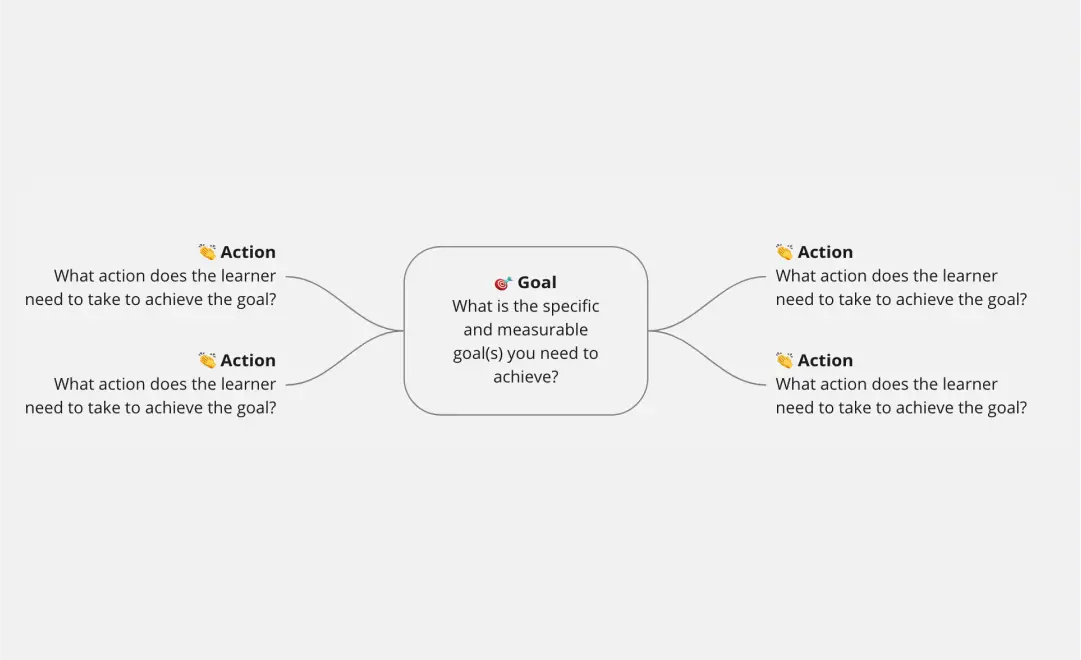
Action planning simply requires listing each task step-by-step that is necessary towards achieving an overall goal or strategy. Identify the goal, create actionable tasks, and give yourself a specific time frame or due date to achieve each task.
What is a smart action plan?
A SMART action plan is simply a variation of the traditional action plan with a focus on goal setting and creating more actionable and specific goals (“SMART goals”). SMART is an acronym that stands has several variations. Here’s an example: S: Specific M: Measurable A: Actionable R: Realistic T: Time-bound
Get started with this template right now.


Project Status Report Template
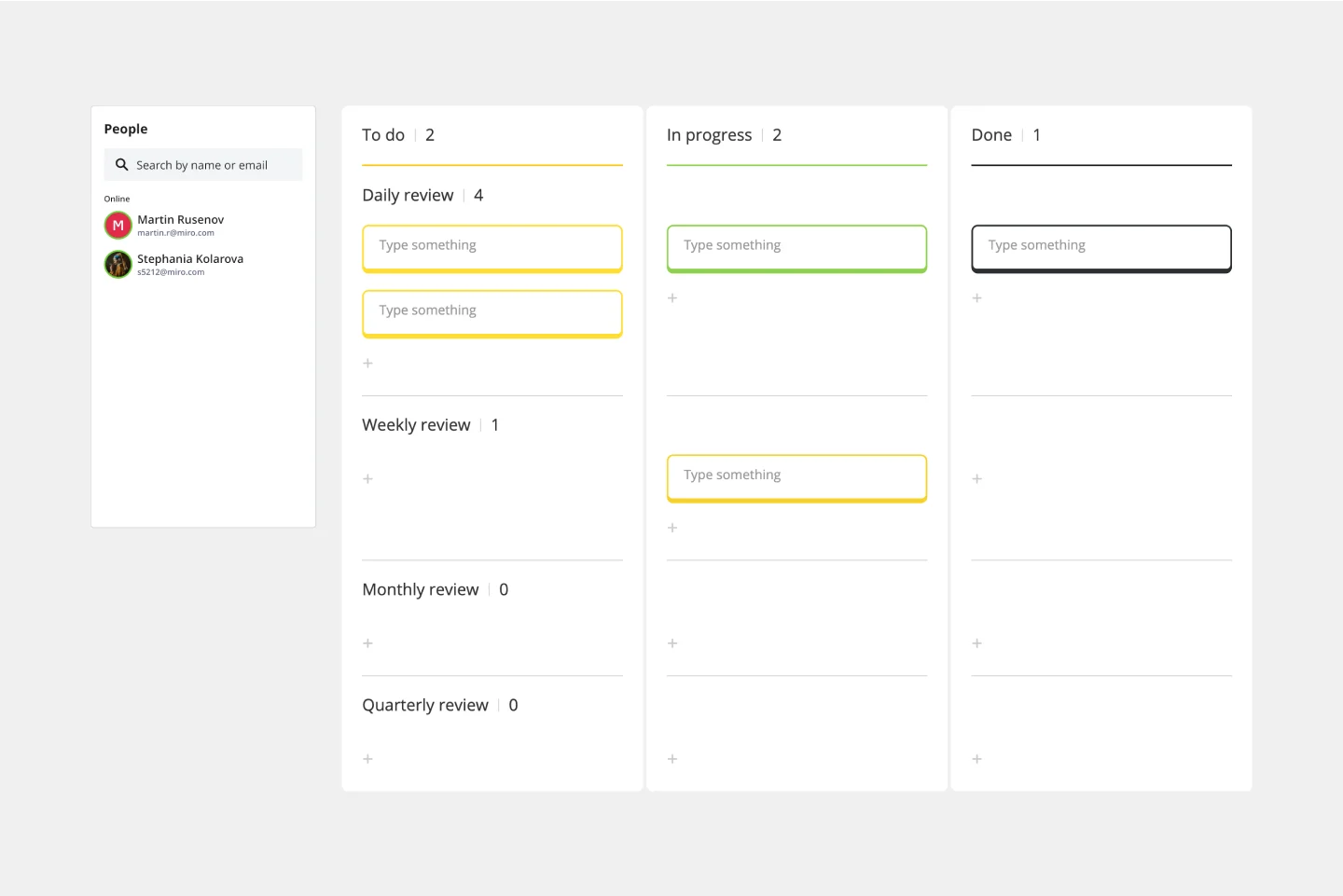
A project status report is a short, timely document that keeps your project stakeholders informed and aligned on what is happening, and why. You can start writing this document on your own, then include your teammates as well to produce a timely and relevant report. A project status report should ideally compare the current state of your project against its projected plan. The report tracks on a high level how you achieve your goals, even if you experience setbacks. It’s also likely to be read by an executive-level audience controlling budgets and governance, which can help you keep the report focused on critical issues.


Social Media Calendar Template
Most businesses have a social media presence, but many of them aren’t using social media as a competitive differentiator. The Social Media Calendar template allows you to plan, schedule, and craft posts for LinkedIn, Twitter, Facebook, Instagram, and Pinterest, so you can leverage social media as a strategic tool to promote your brand. Use the Social Media Calendar template to plan out your social content a week, month, or quarter in advance. Collaborate with the marketing team, prepare for product launches and major initiatives, and share draft social posts.


3x3 Prioritization Method Template
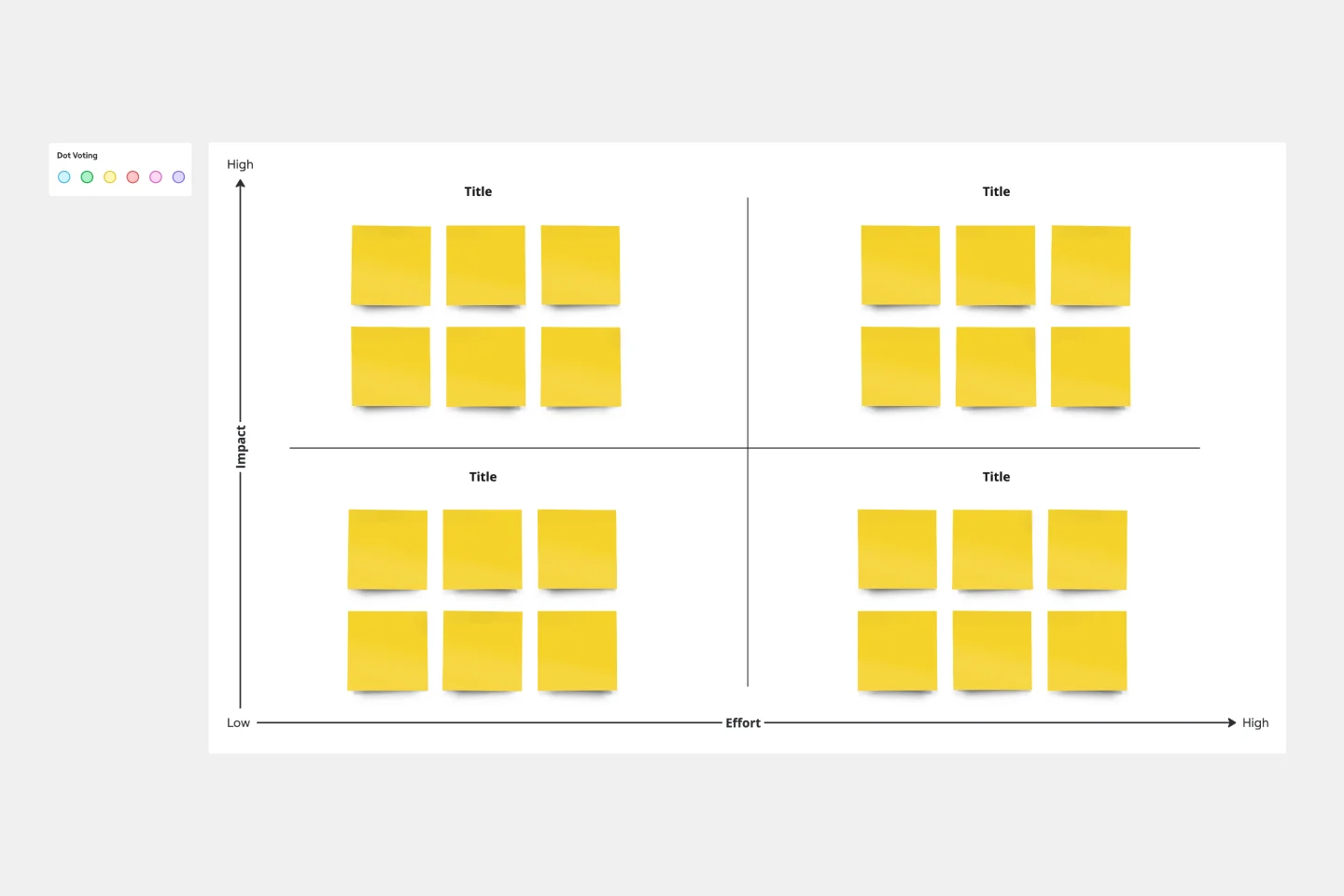
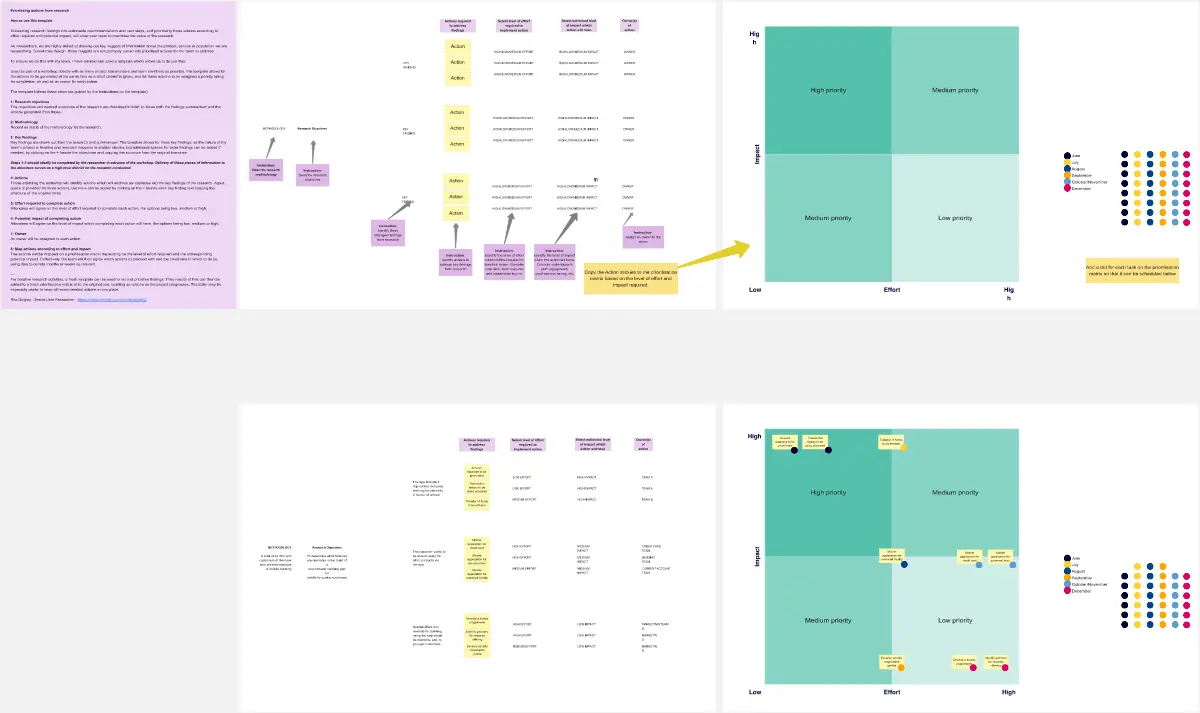
It’s all about assessing a task or idea, and quickly deciding the effort it will take and the potential impact it will have—ranked low, medium, or high. That’s what the 3x3 prioritization method does: Help teams prioritize and identify quick wins, big projects, filler tasks, or time-wasters. With nine bucket areas, it offers slightly greater detail than the 2x2 Prioritization Matrix (or Lean Prioritization Method). It’s easy to make your own 3x3 prioritization matrix—then use it to determine what activities or ideas to focus on with your valuable resources.


Mitch Lacey's Estimation Game Template
A wordy name but a simple tool, Mitch Lacey’s Estimation Game is an effective way to rank your work tasks by size and priority — so you can decide what to tackle first. In the game, notecards represent your work items and feature ROI, business value, or other important metrics. You’ll place each in a quadrant (ranking them by size and priority) to help you order them in your upcoming schedule. The game also empowers developers and product management teams to work together and collaborate effectively.


Bull's Eye Diagram Template
When you’re a growing organization, every decision can feel like it has make-or-break consequences—which can lead to decision paralysis, an inability to prioritize, inefficient meetings, and even low morale. If that sounds like you, put a Bull’s Eye Diagram to work. True to its name, a Bull’s Eye Diagram uses a model of concentric circles to help companies establish priorities, make critical decisions, or discuss how to remove or overcome obstacles.


Data Flow Diagram Maker Template
Any process can get pretty complex, especially when it has multiple components. Get a better grasp of your process through a data flow diagram (DFD). DFDs create a simple visual representation of all components in the flow of data and requirements in an entire system. They’re most often used by growth teams, data analysts, and product teams, and they’re created with one of three levels of complexity—0, 1, or 2. This template will help you easily build the best DFD for your process.