
Product Leader
Challenge your product thinking and connect plans to impact.








Register to watch the Miro keynote, where you'll get a front row seat to the latest launches.
Save your spot
Curated top picks from the community.
Challenge your product thinking and connect plans to impact.

Set and refine your objectives and key results.
Challenge your product thinking and connect plans to impact.
Set and refine your objectives and key results.
Challenge your product thinking and connect plans to impact.
Set and refine your objectives and key results.
Speed through your team's biggest bottlenecks with AI-powered workflows that turn hours of manual work into minutes of smart collaboration.
View all
Create workshop boards customized to your client’s goals.

Bring cringe-worthy dad humor to your daily grind.
Create workshop boards customized to your client’s goals.
Bring cringe-worthy dad humor to your daily grind.
Create workshop boards customized to your client’s goals.
Bring cringe-worthy dad humor to your daily grind.
Discover the latest templates from the Miro community — published daily.
View all
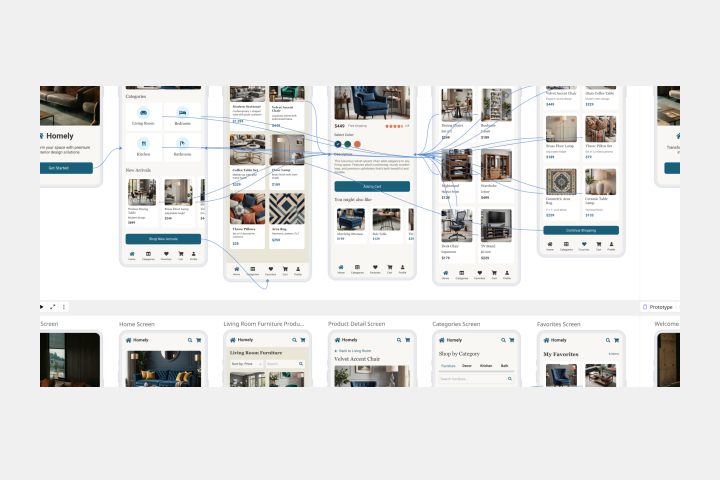
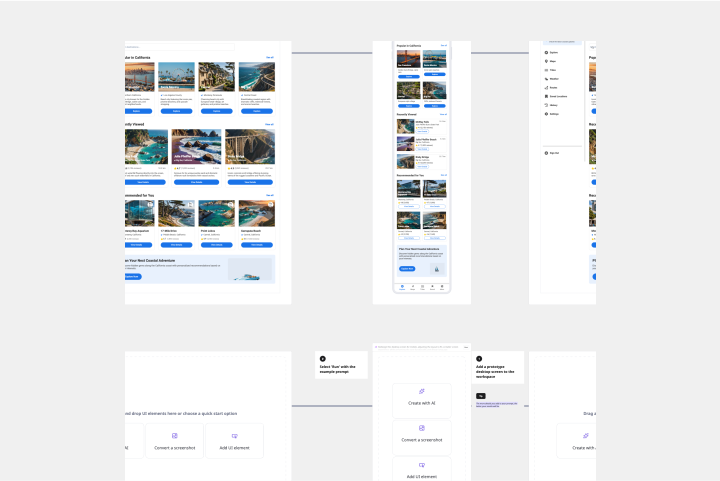
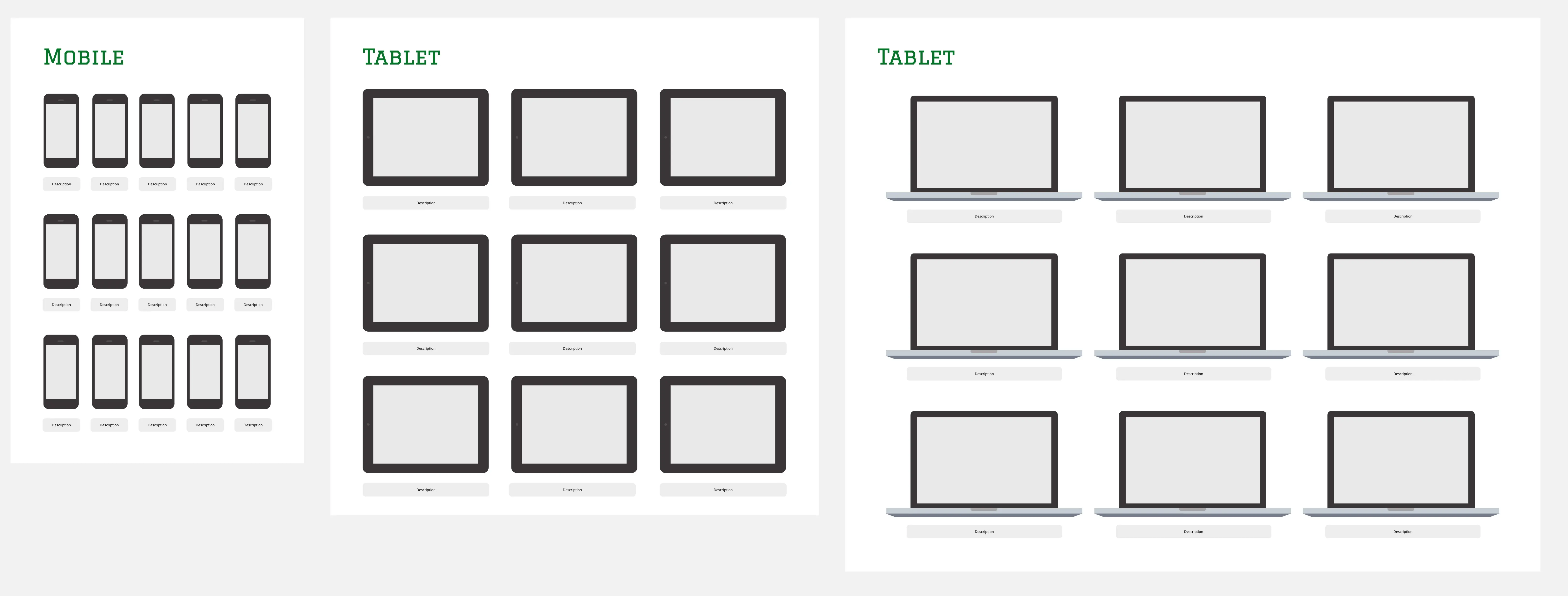
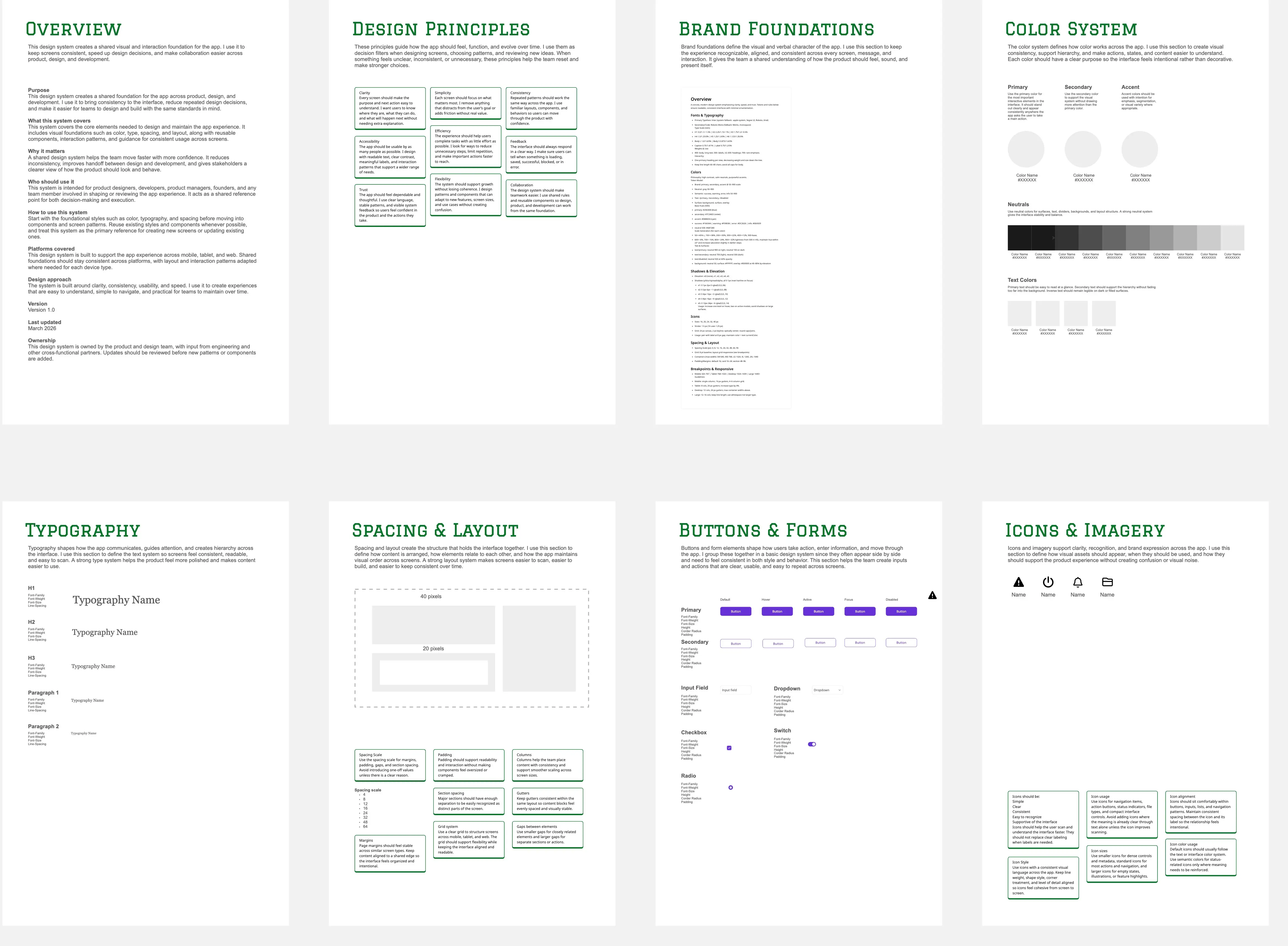
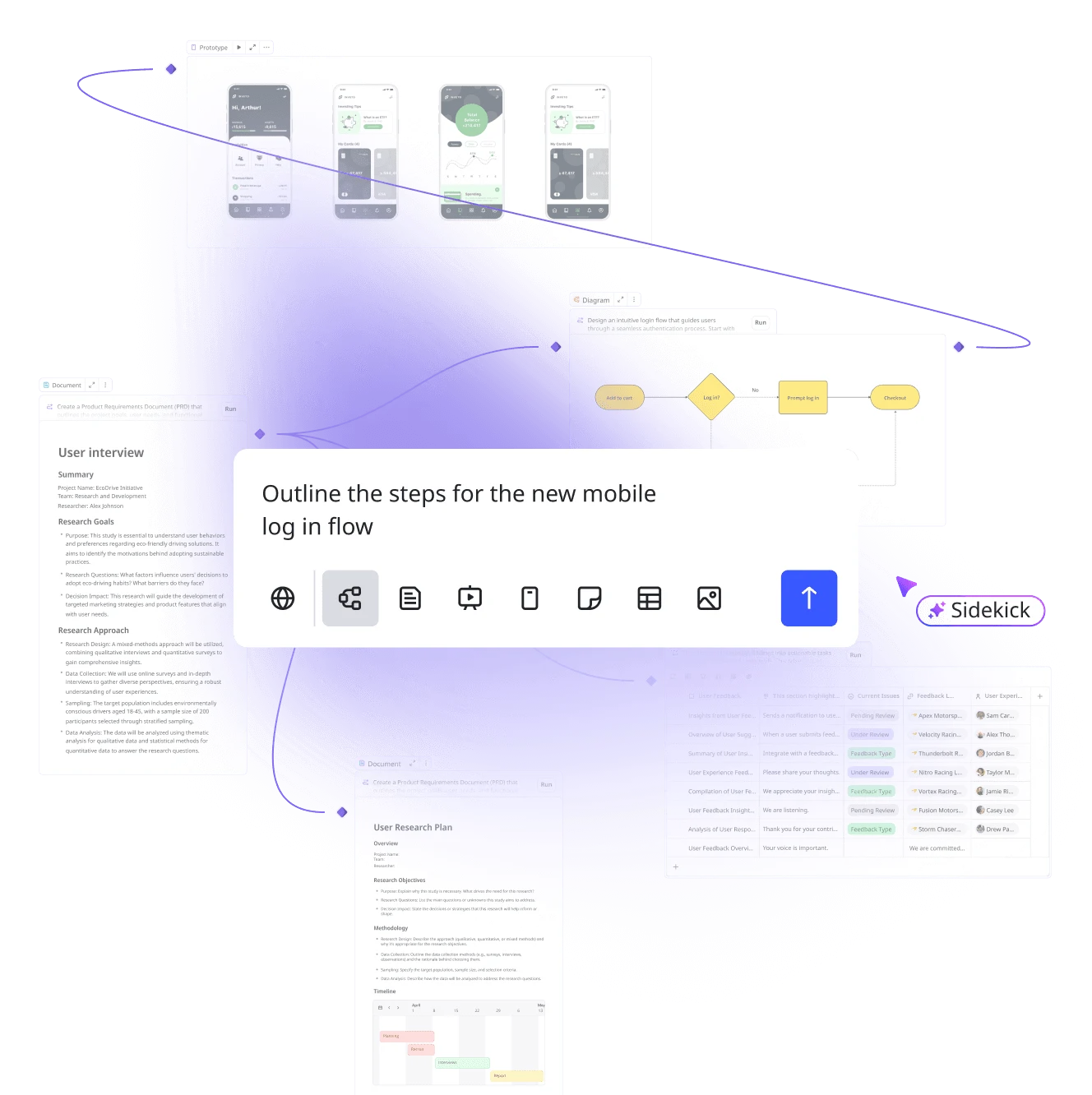
Miro's prototyping templates transform scattered ideas into interactive experiences that stakeholders can actually see, touch, and navigate. Stop explaining how your product will work—start showing it.
View all
Build prototypes that match your look and feel.

Design product wireframes with expert guidance.
Build prototypes that match your look and feel.
Design product wireframes with expert guidance.
Build prototypes that match your look and feel.
Design product wireframes with expert guidance.
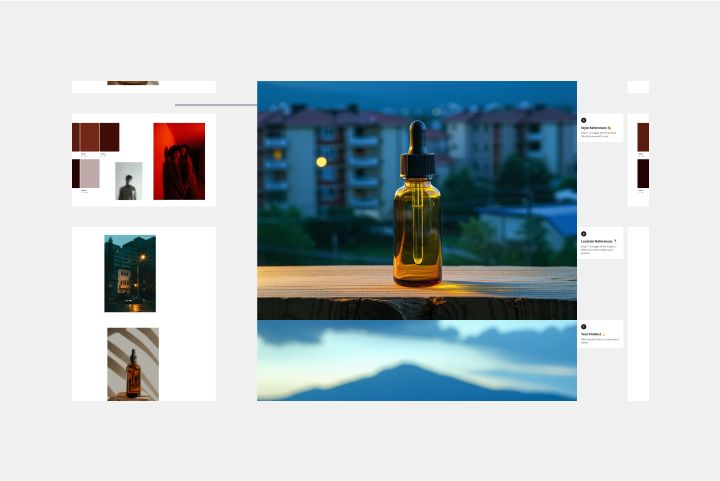
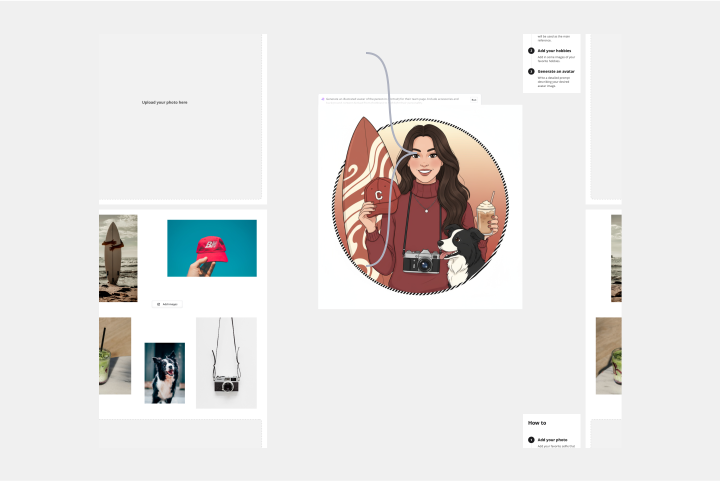
Turn creative blocks into creative breakthroughs with visual tools that help your ideas take shape—no design degree required.Whether you're sketching a quick diagram for tomorrow's presentation or creating an infographic that makes data interesting, Miro's image creation templates give you exactly that creative freedom.
View all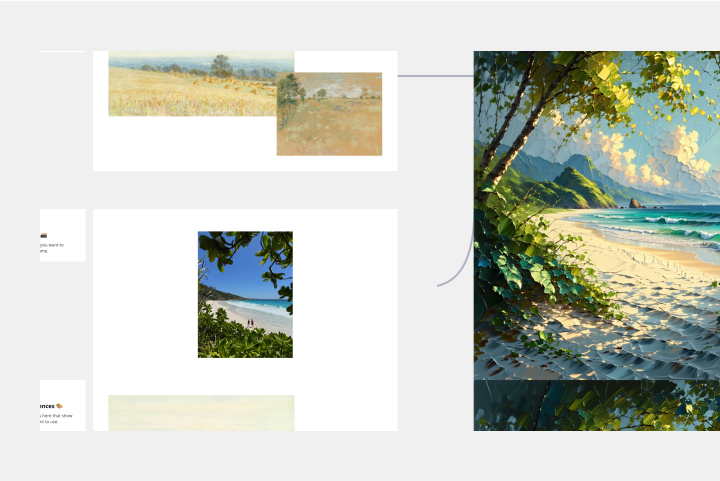
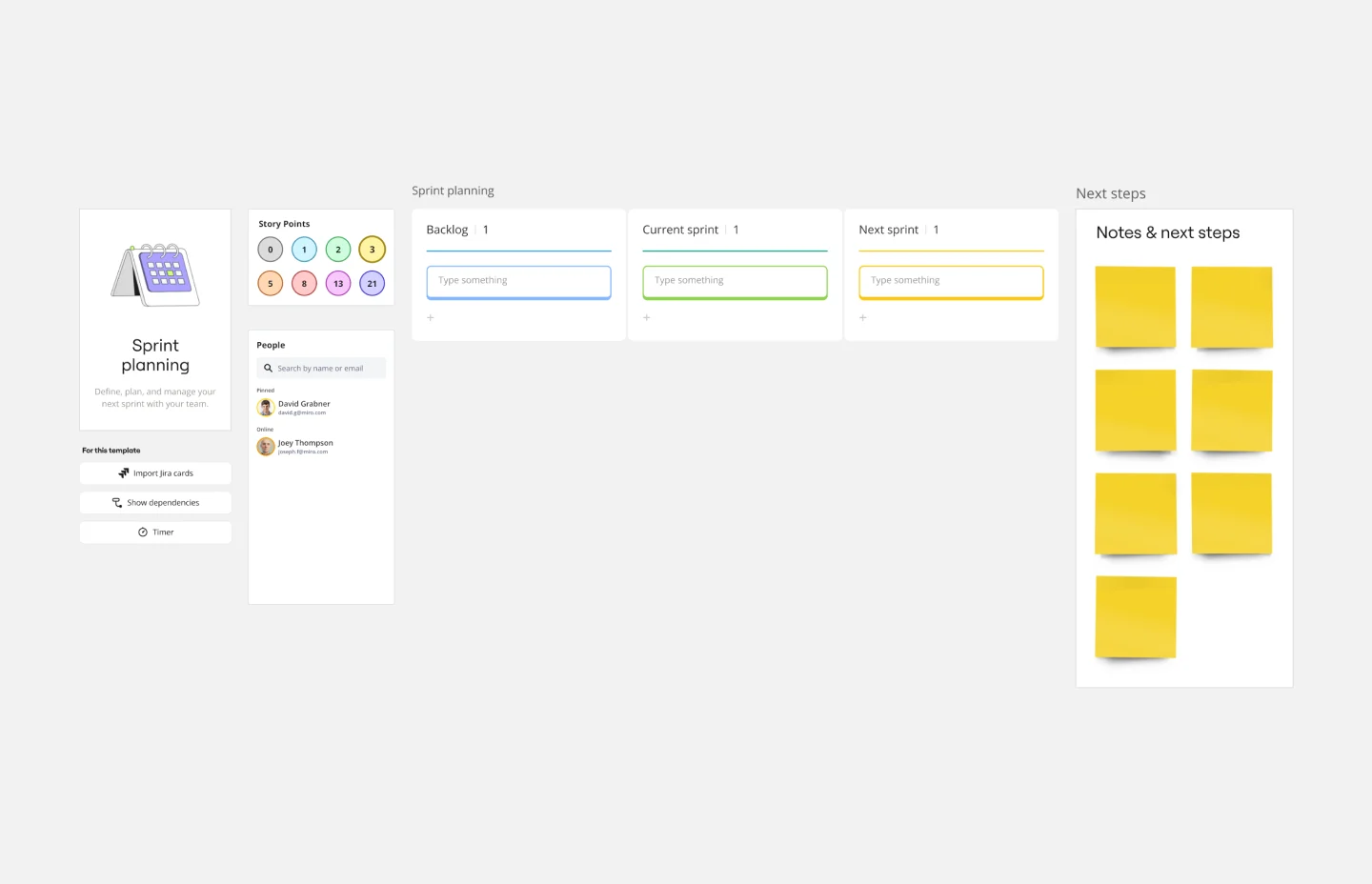
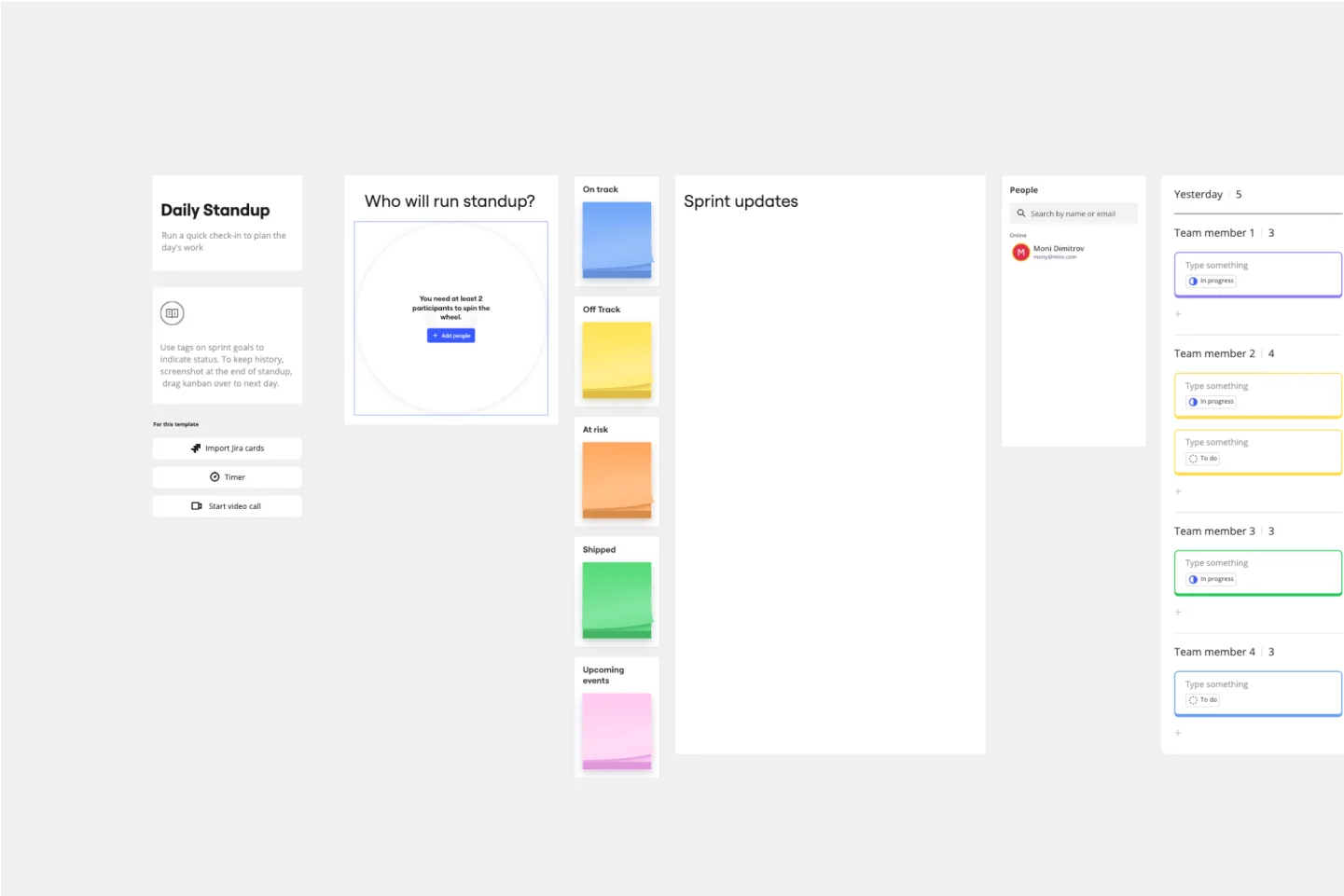
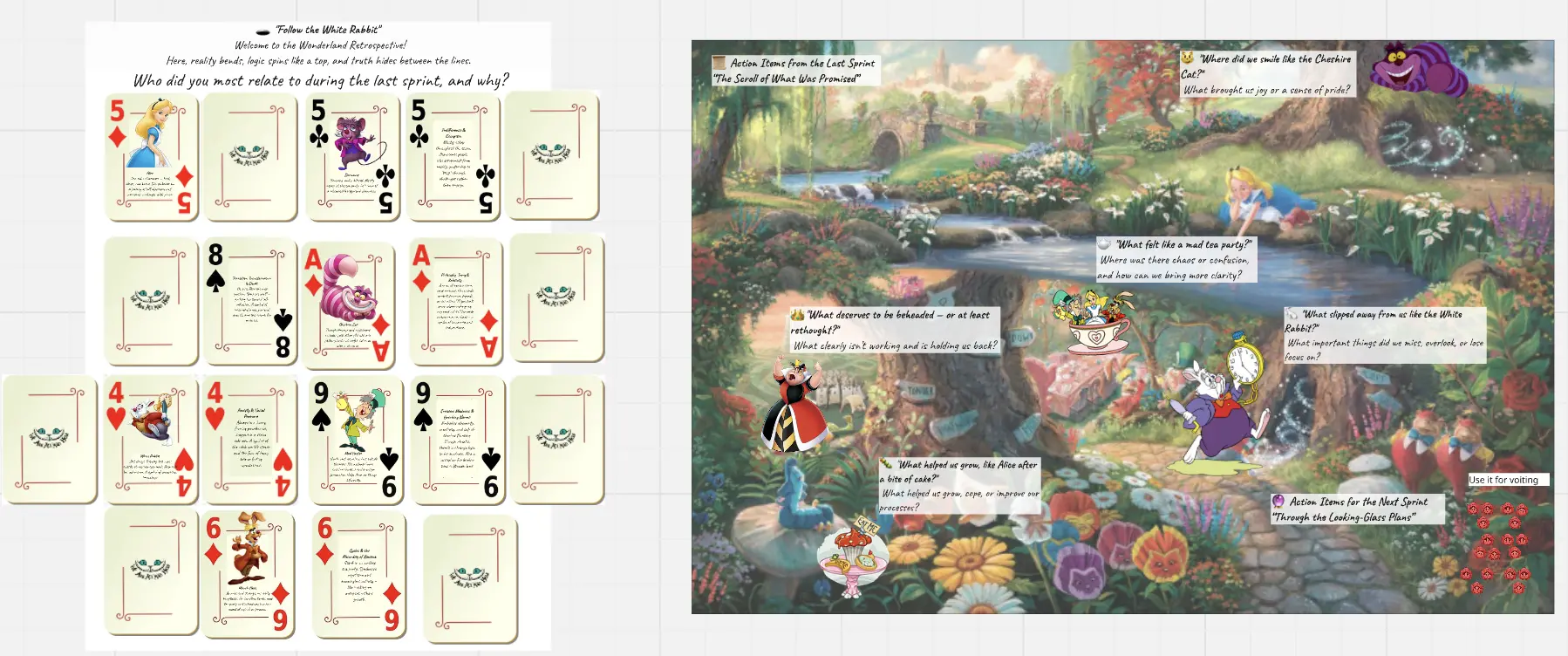
Minimize the time needed to synthesize and distribute findings after a meeting, and move straight into executing strategies with Miro's Agile templates collection. From kanban framework to agile roadmaps, find everything you need to bring teams up to speed.
View all
Improve team workflows with pragmatic Agile Coaching.

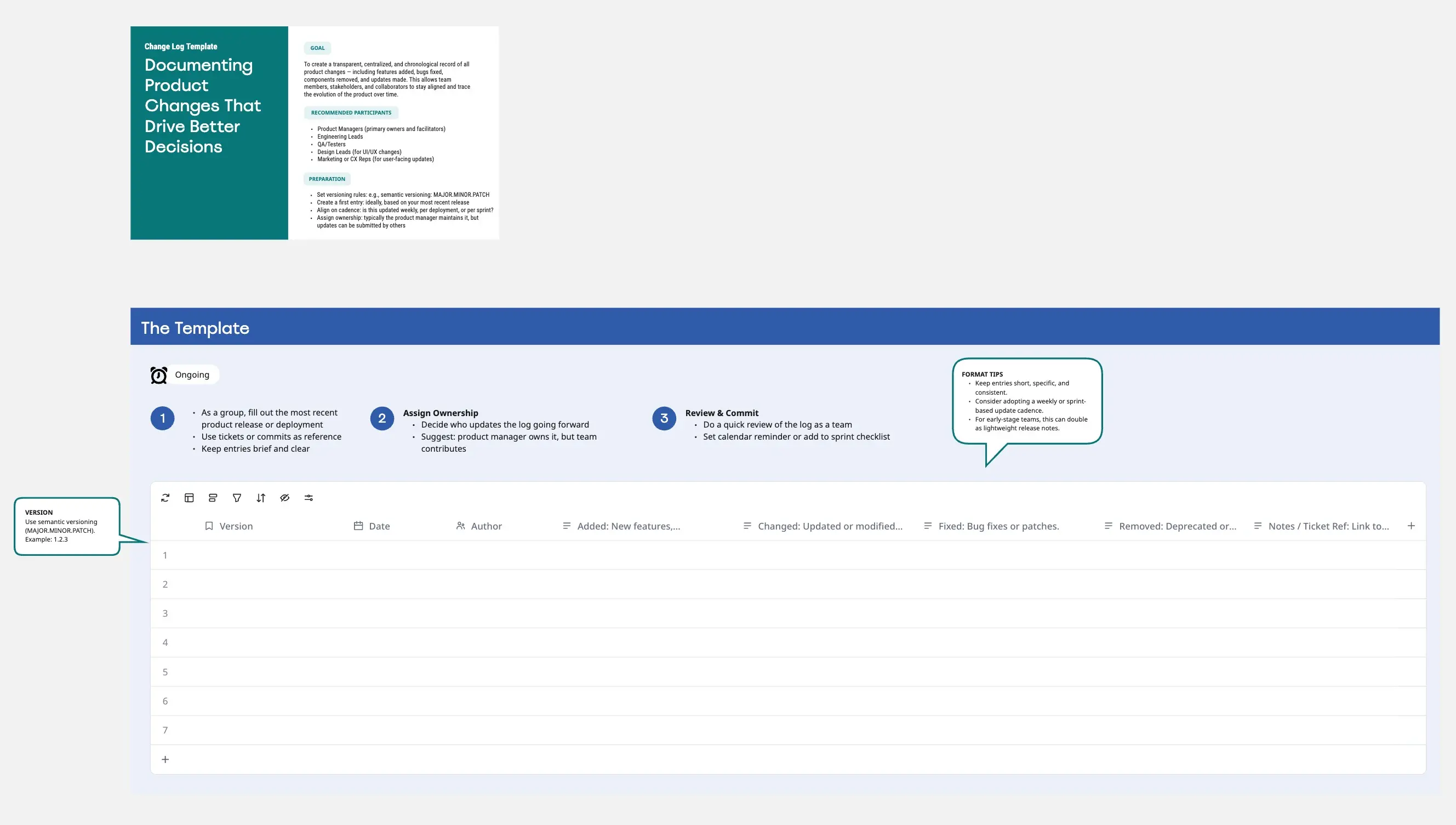
Write detailed technical specs and acceptance criteria.
Improve team workflows with pragmatic Agile Coaching.
Write detailed technical specs and acceptance criteria.
Improve team workflows with pragmatic Agile Coaching.
Write detailed technical specs and acceptance criteria.
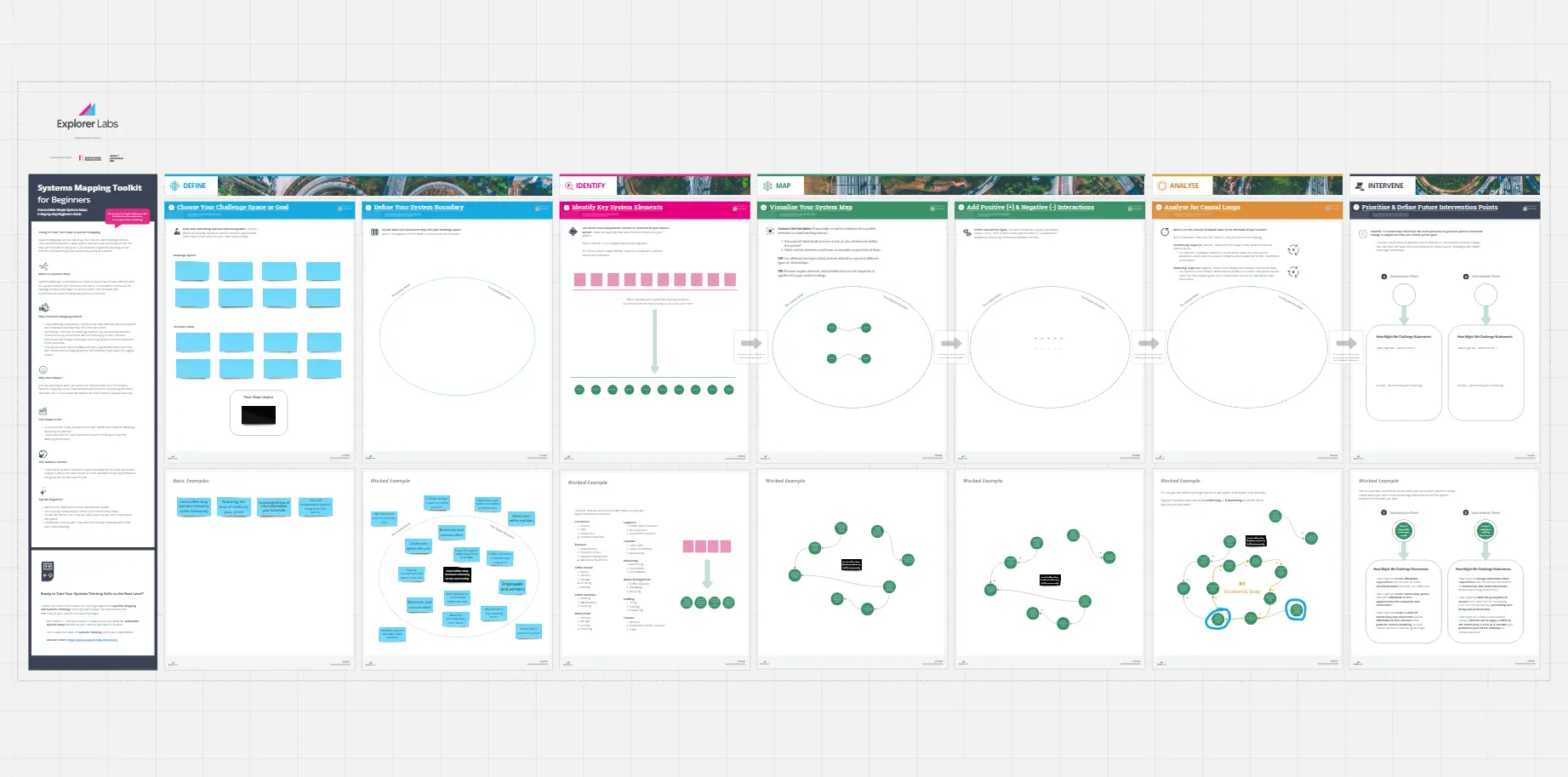
Check off all the essential steps of your diagramming process and have a complete overview of operations with our diagramming templates collection. Motivate your team to take action and reach your desired project outcomes.
View all
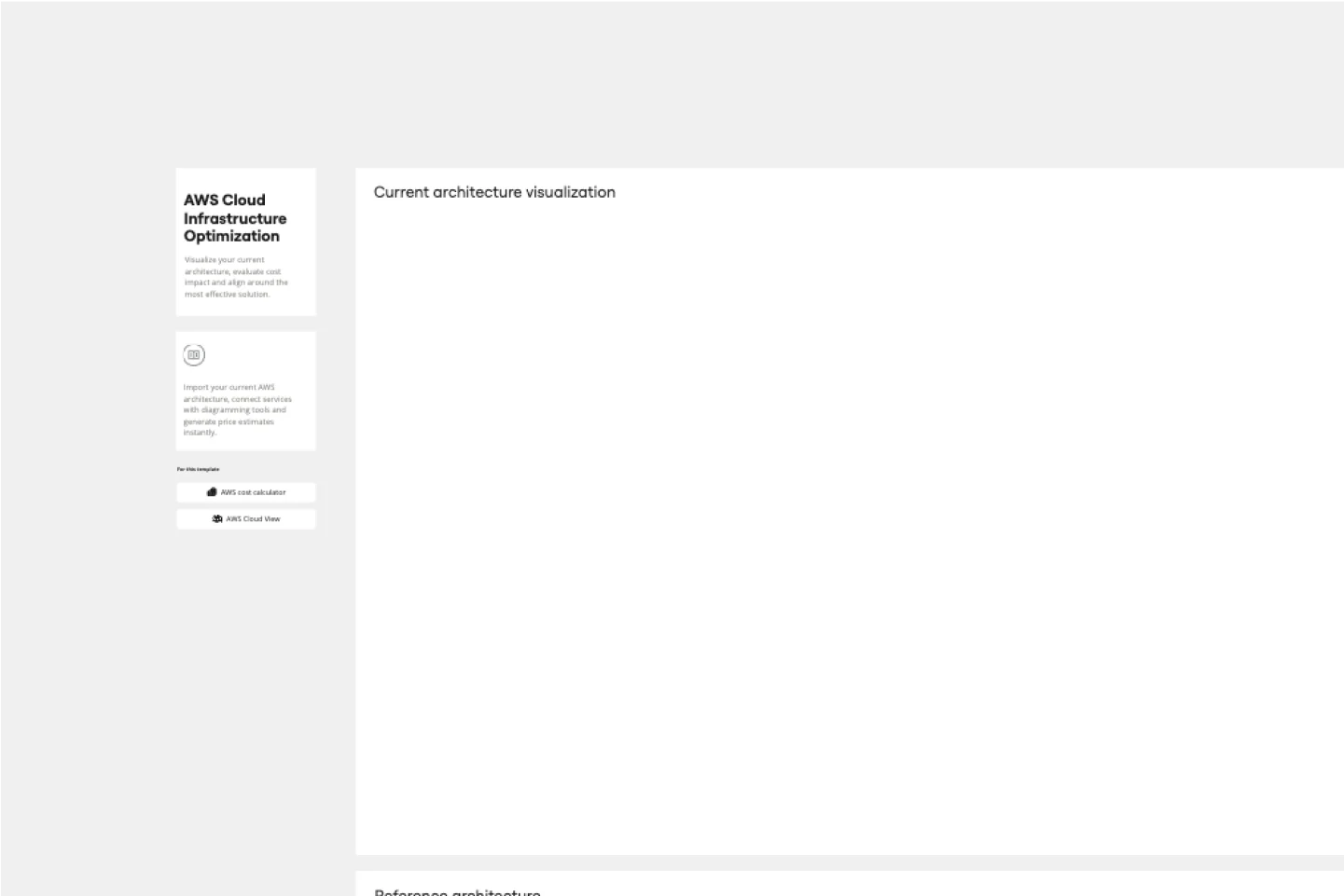
Helps improve AWS architectures per AWS best practices.

Create diagrams and docs for good software design.
Helps improve AWS architectures per AWS best practices.
Create diagrams and docs for good software design.
Helps improve AWS architectures per AWS best practices.
Create diagrams and docs for good software design.
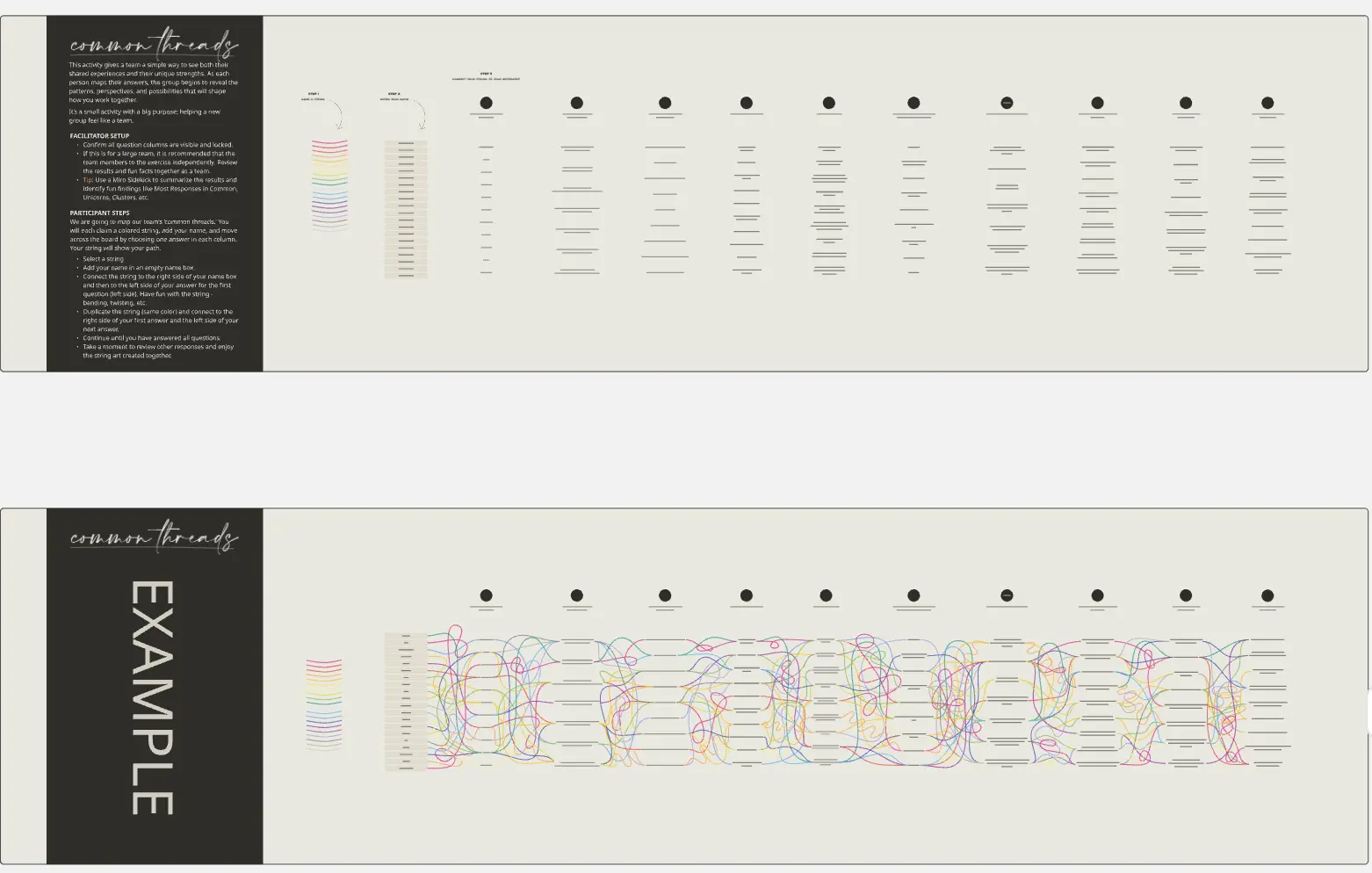
Bring in-person energy to ice breakers, retrospectives, design sprints, and beyond. Facilitate meetings seamlessly and keep everyone engaged at all times, fostering collaboration and understanding inside your organization.
View allCreate workshop boards customized to your client’s goals.

Transform workshop outcomes into clear, structured recaps.
Create workshop boards customized to your client’s goals.
Transform workshop outcomes into clear, structured recaps.
Create workshop boards customized to your client’s goals.
Transform workshop outcomes into clear, structured recaps.
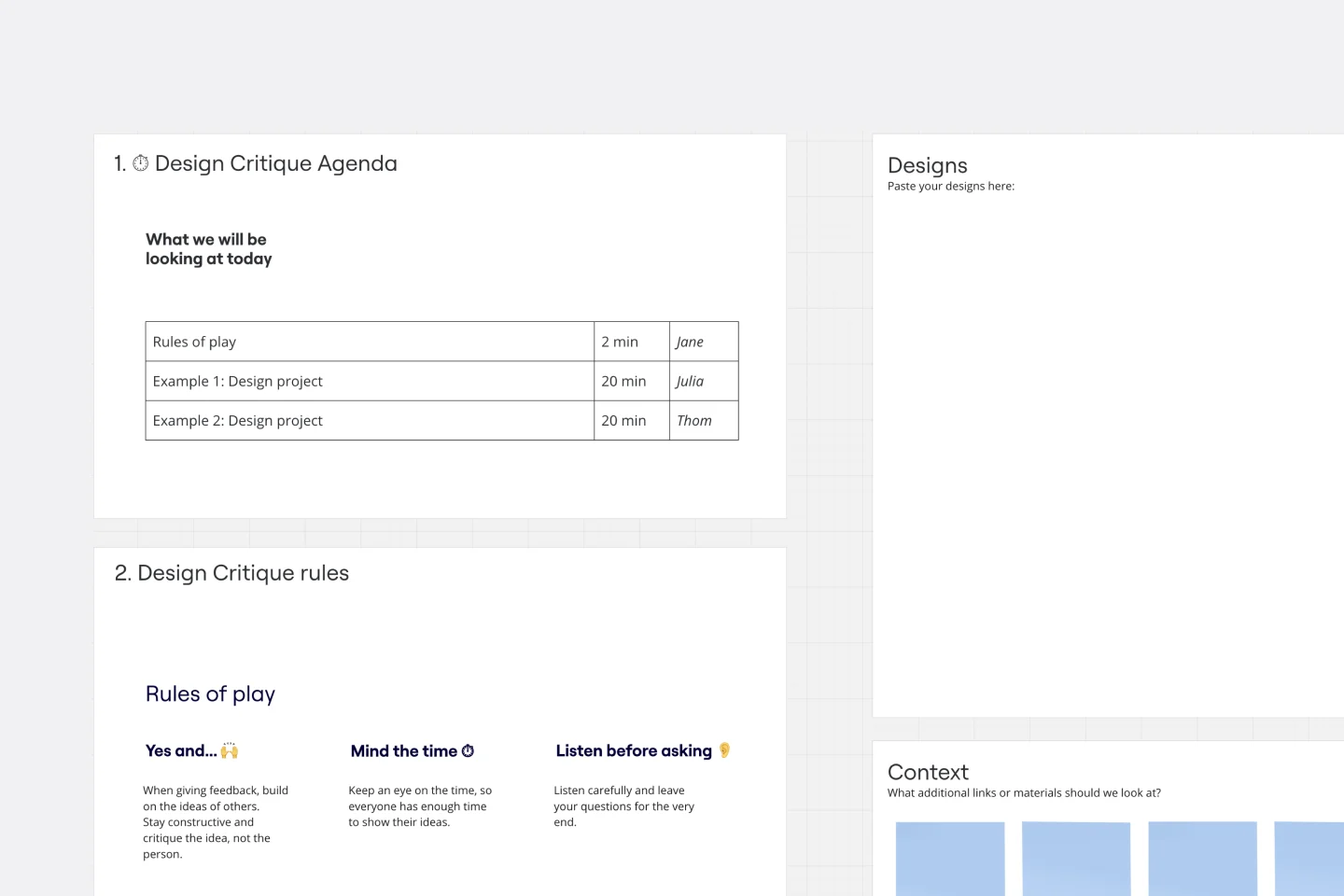
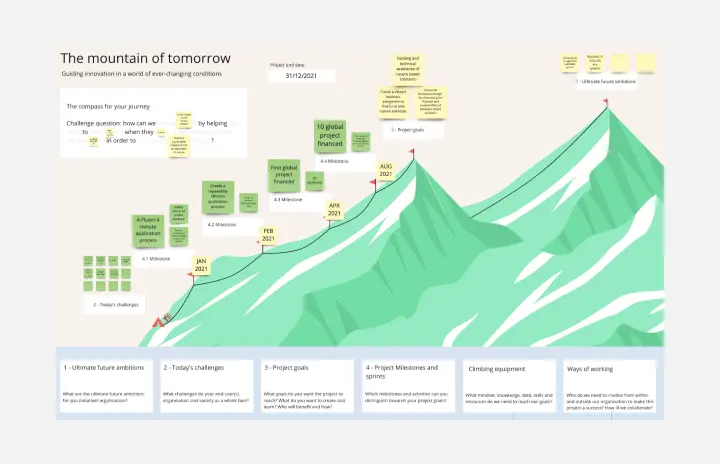
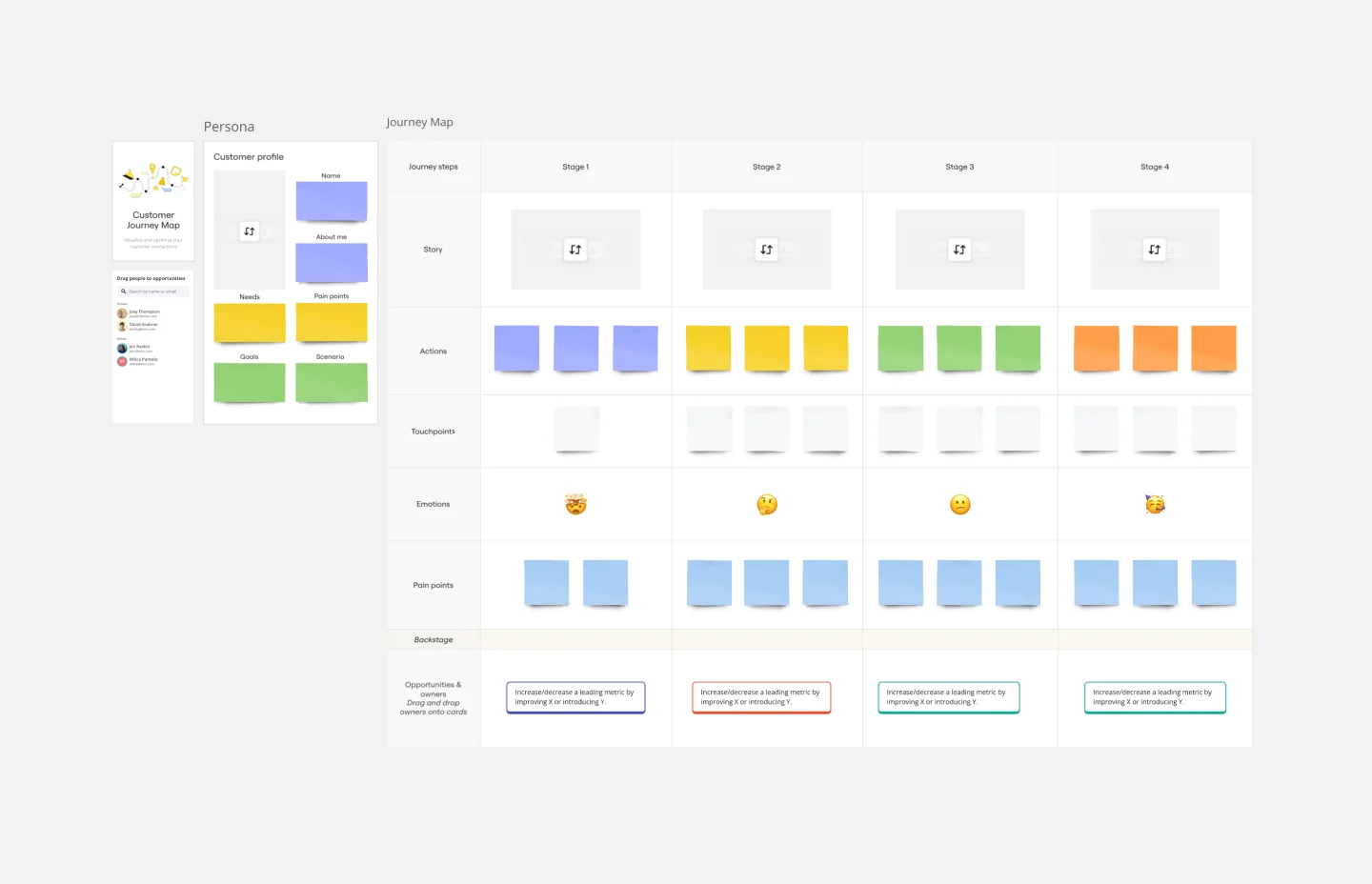
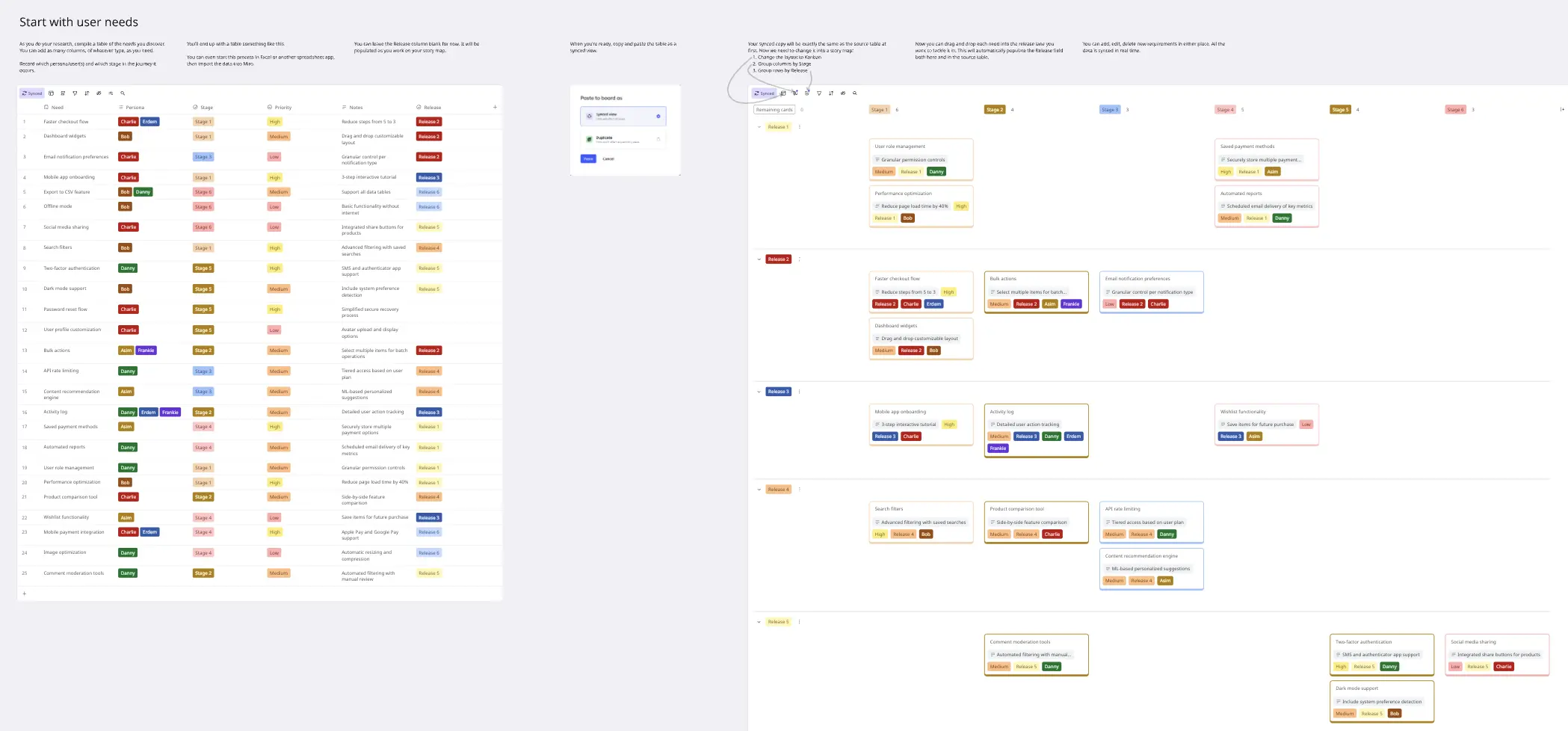
Our research and design templates empower collaborative design sprints, customer journeys maps, wireframes, and beyond from hypothesis to hand-off. Create a visual project hub where you aggregate and organize all that information to make sense for your project.
View all
Get content design feedback on prototypes and flows.

Plan studies, collect data, and uncover user insights.
Get content design feedback on prototypes and flows.
Plan studies, collect data, and uncover user insights.
Get content design feedback on prototypes and flows.
Plan studies, collect data, and uncover user insights.
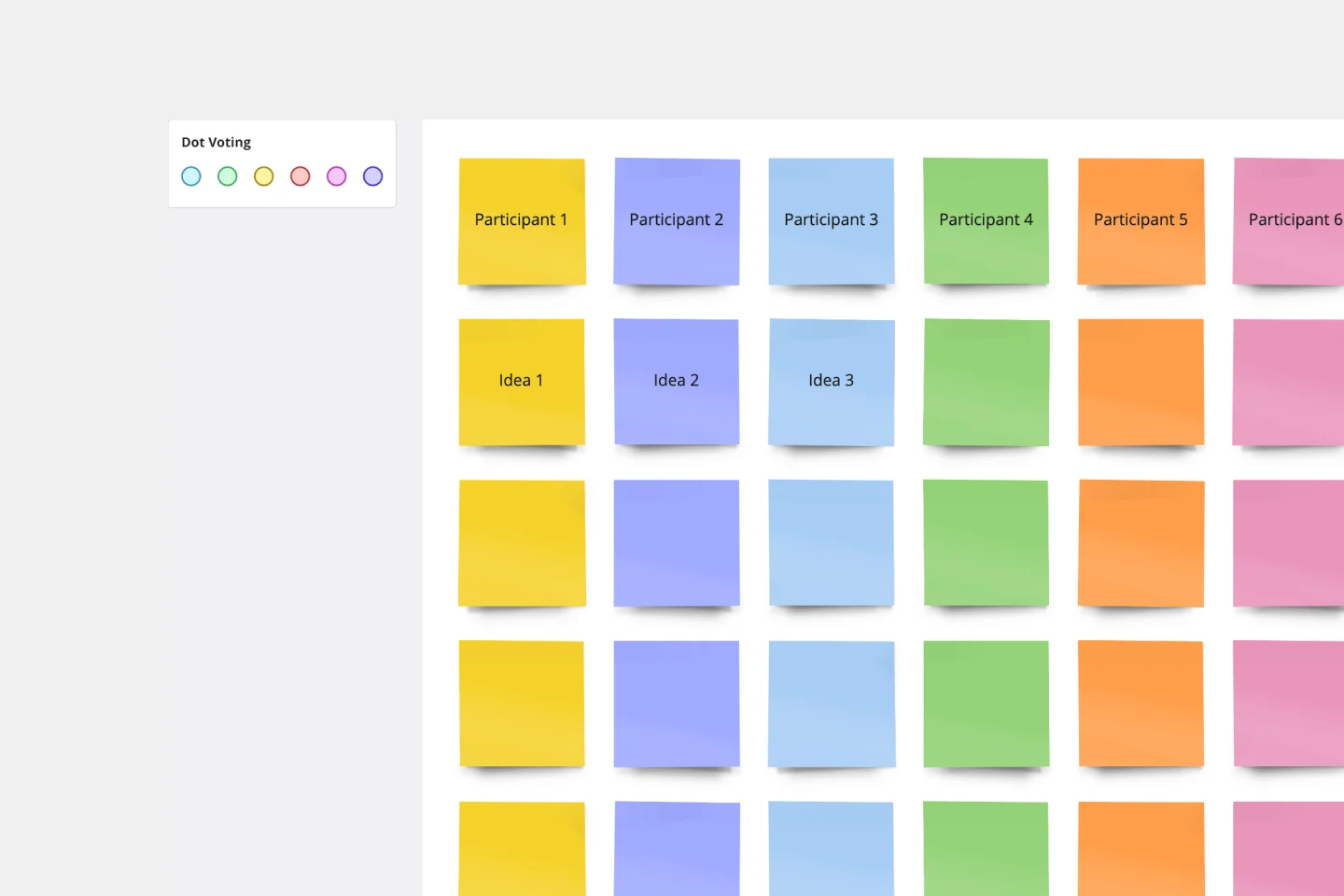
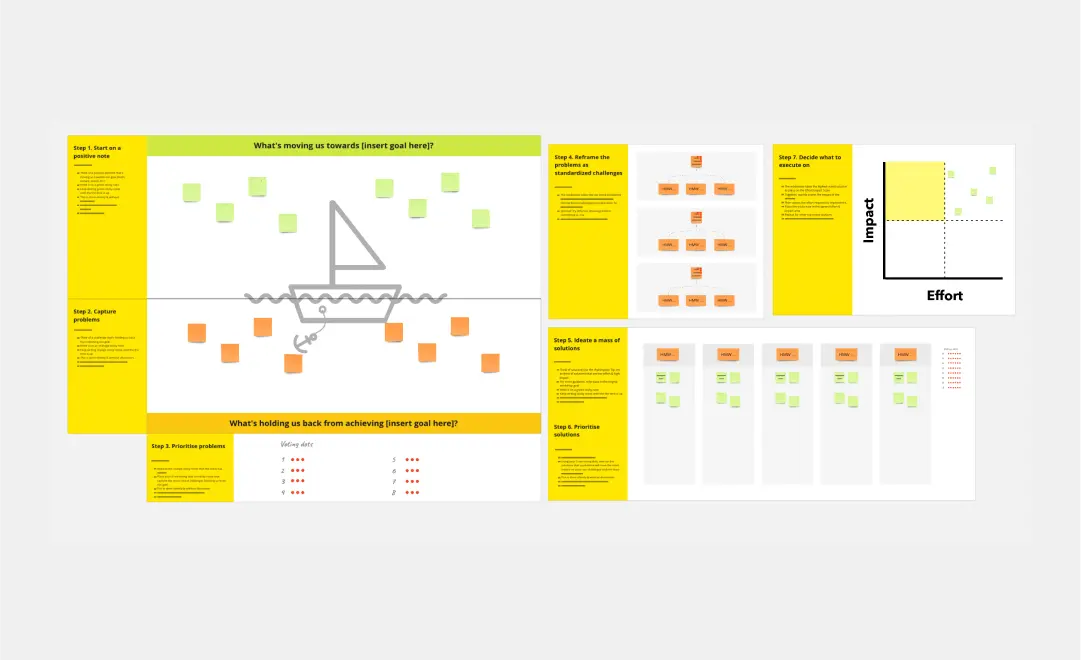
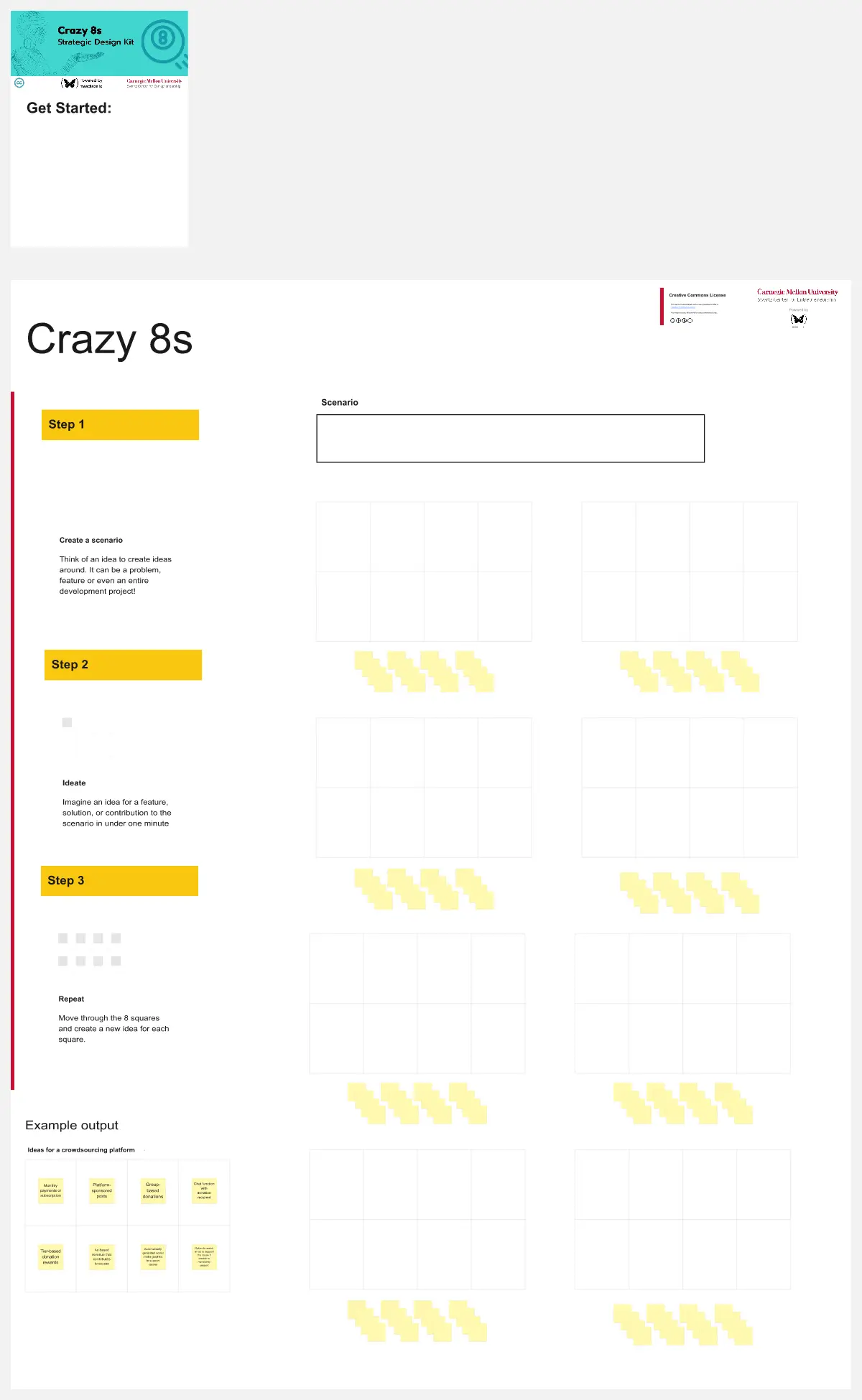
Create a space for the best ideas to rise with our brainstorming templates collection. Facilitate processes offering teams the space and tools they need for blue-sky thinking.
View all
Start thinking 10x bigger with a visionary by your side.

Inspire new ideas and run great brainstorms.
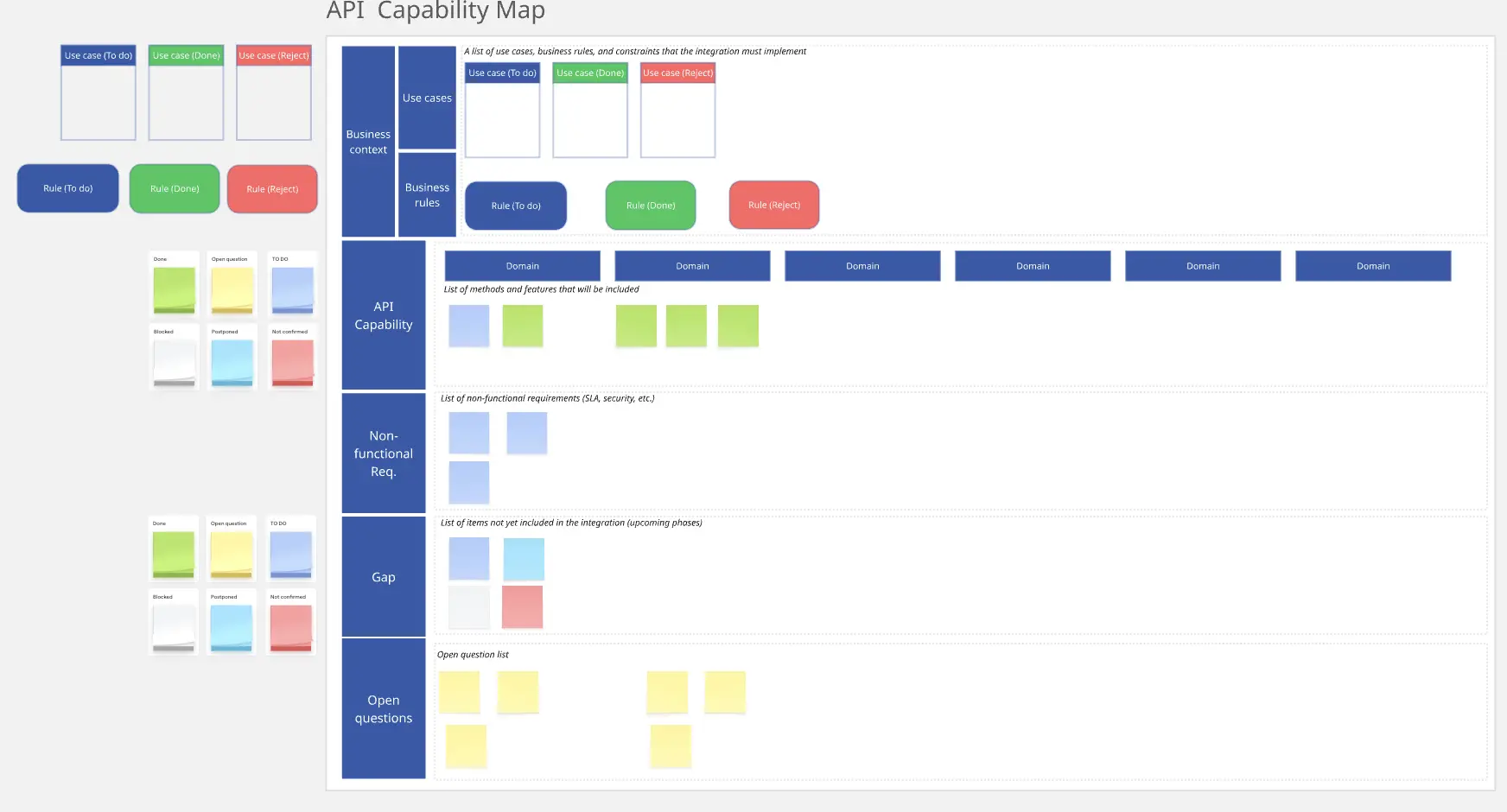
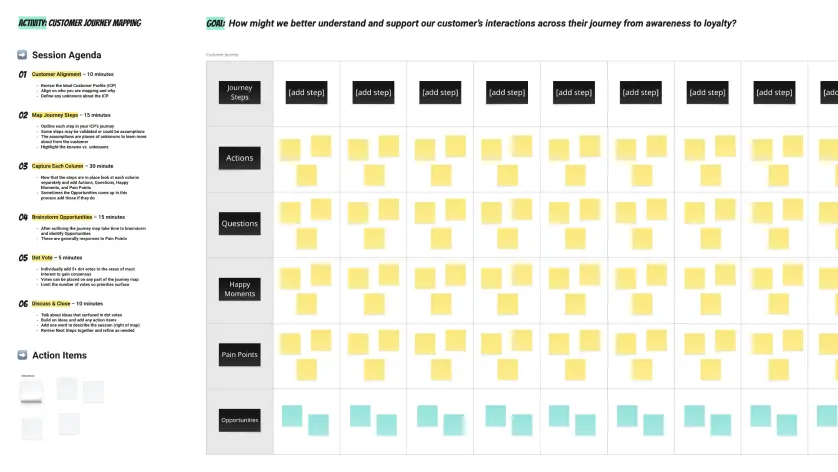
Start thinking 10x bigger with a visionary by your side.
Inspire new ideas and run great brainstorms.
Start thinking 10x bigger with a visionary by your side.
Inspire new ideas and run great brainstorms.
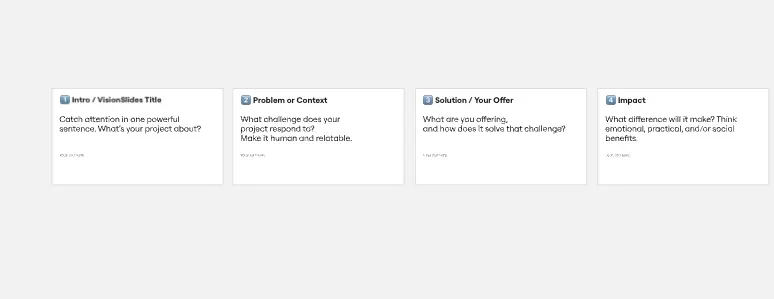
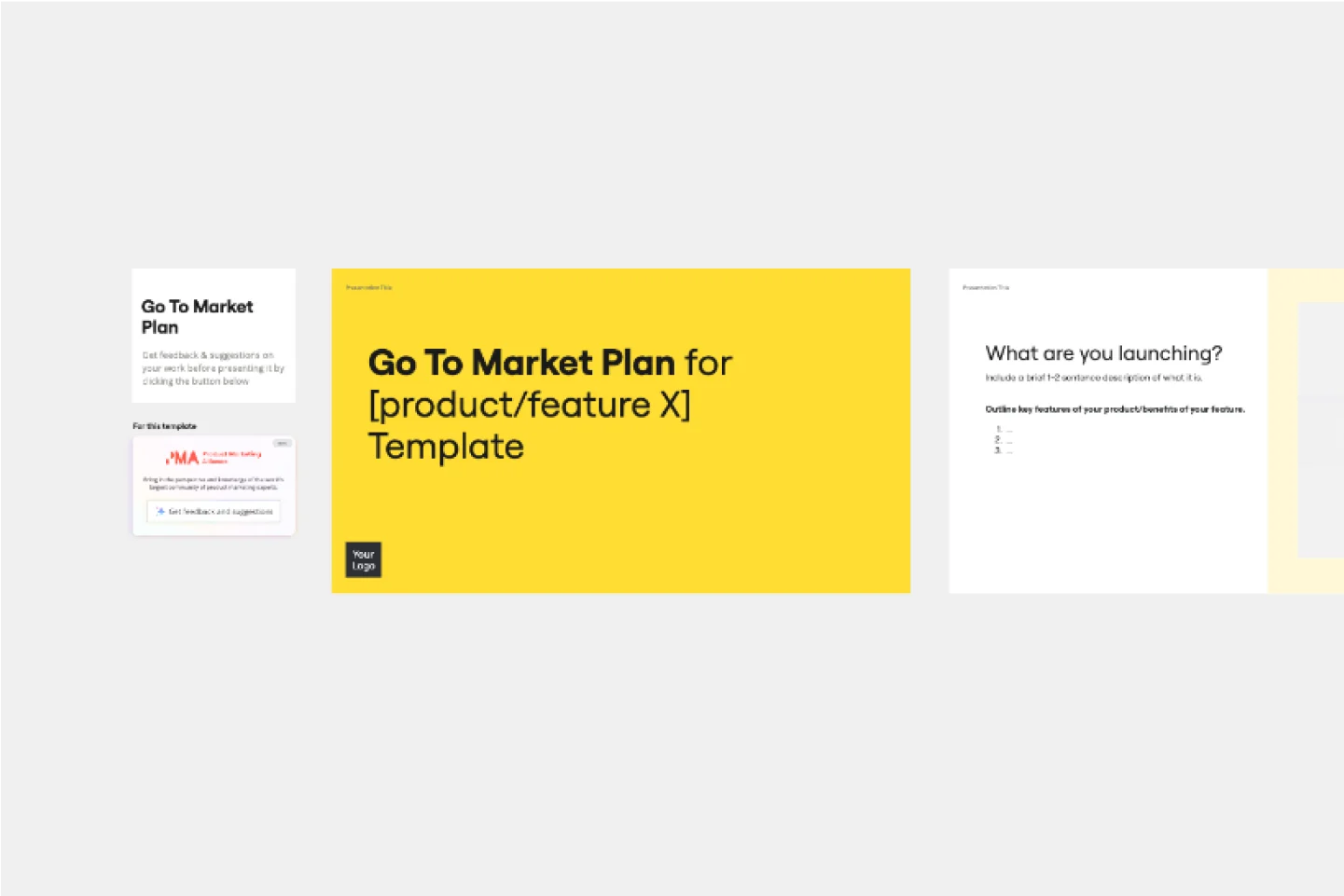
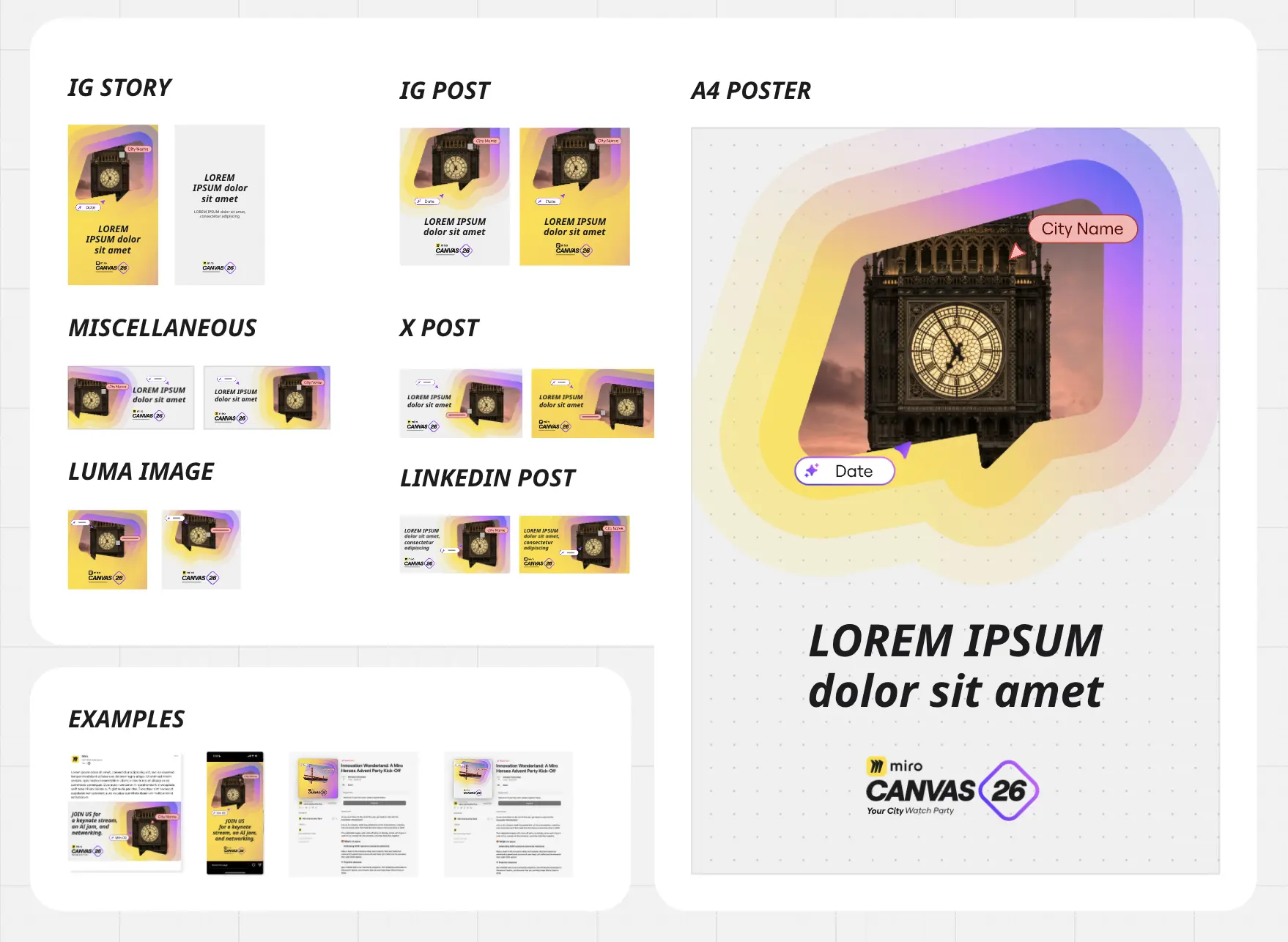
Engage your stakeholders and get buy-in creating eye-catching presentations. Use Miro's presentation templates collection and improve your storytelling skills and bargaining power.
View all
Develop and refine your narrative and storytelling.

Simulate different audience types to adapt your messaging.

Develop and refine your narrative and storytelling.
Simulate different audience types to adapt your messaging.
Develop and refine your narrative and storytelling.
Simulate different audience types to adapt your messaging.
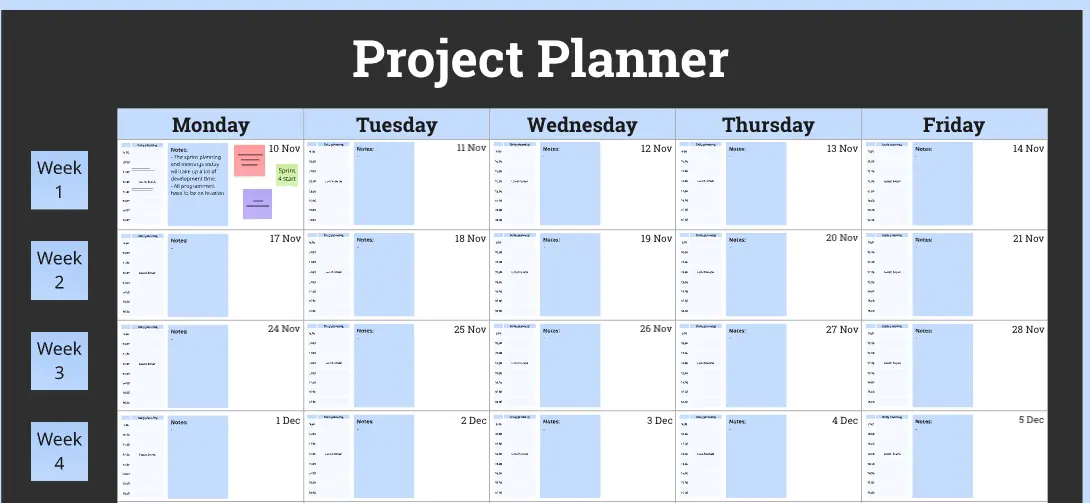
Propel your plans from strategy through to execution with templates for planning sessions, plan prioritization, visual presentations, and beyond. Visually map processes and have a shared understanding of what to do next.
View allSet and refine your objectives and key results.

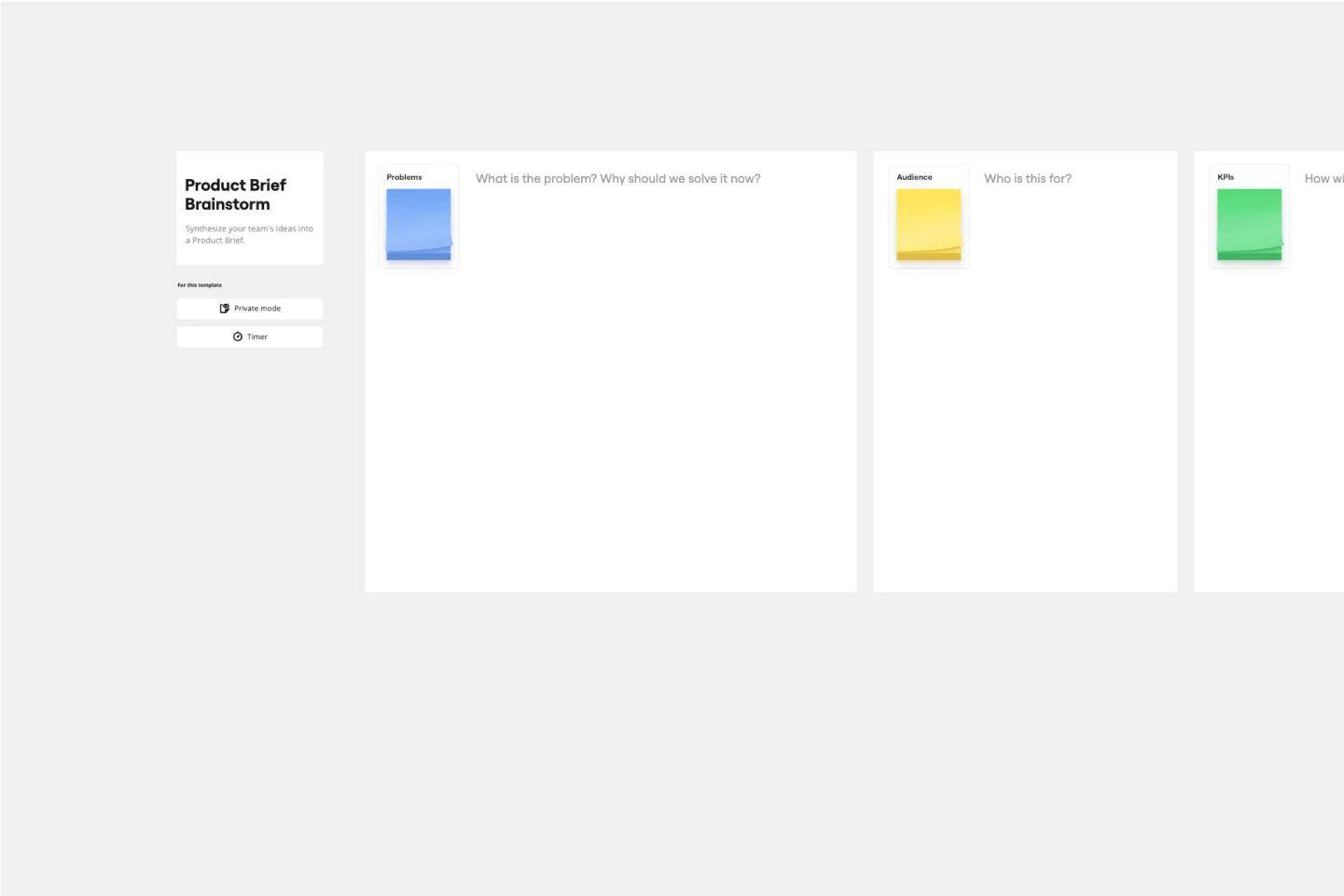
Turn board content into clear, strategic product briefs.
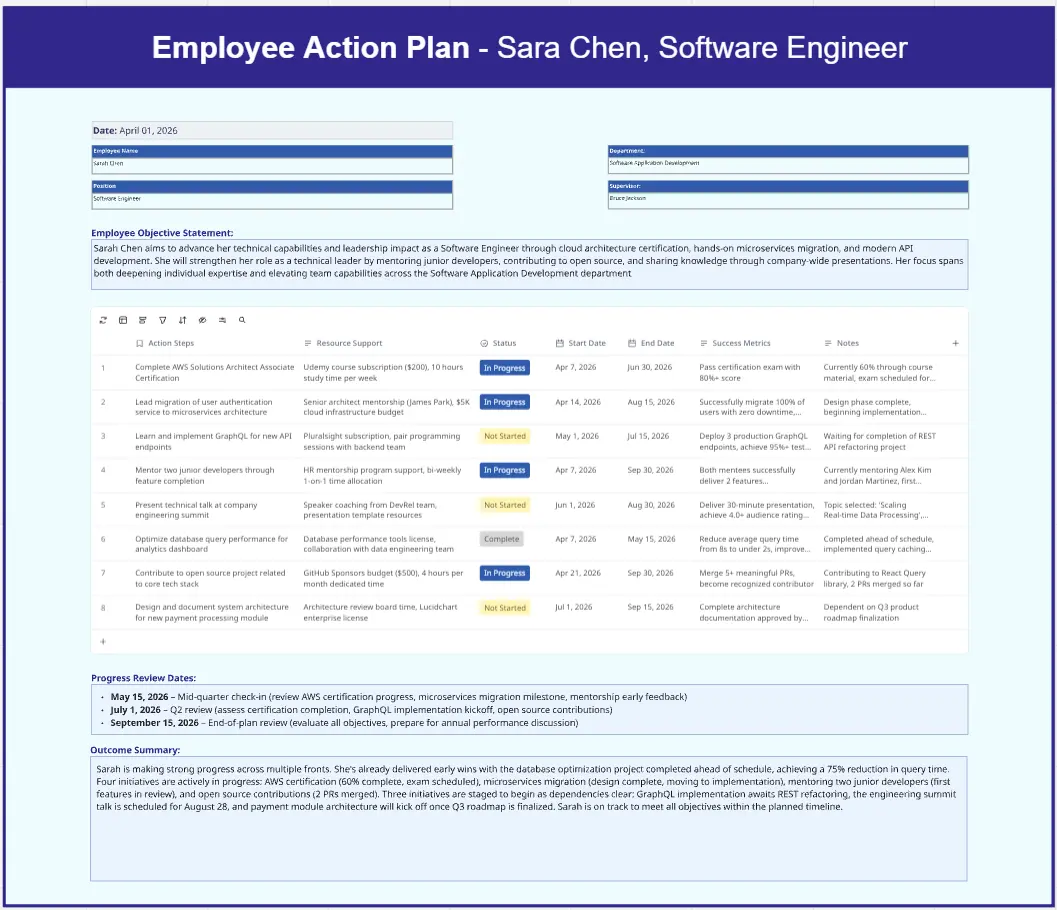
Set and refine your objectives and key results.
Turn board content into clear, strategic product briefs.
Set and refine your objectives and key results.
Turn board content into clear, strategic product briefs.