About the To-Do List Templates Collection
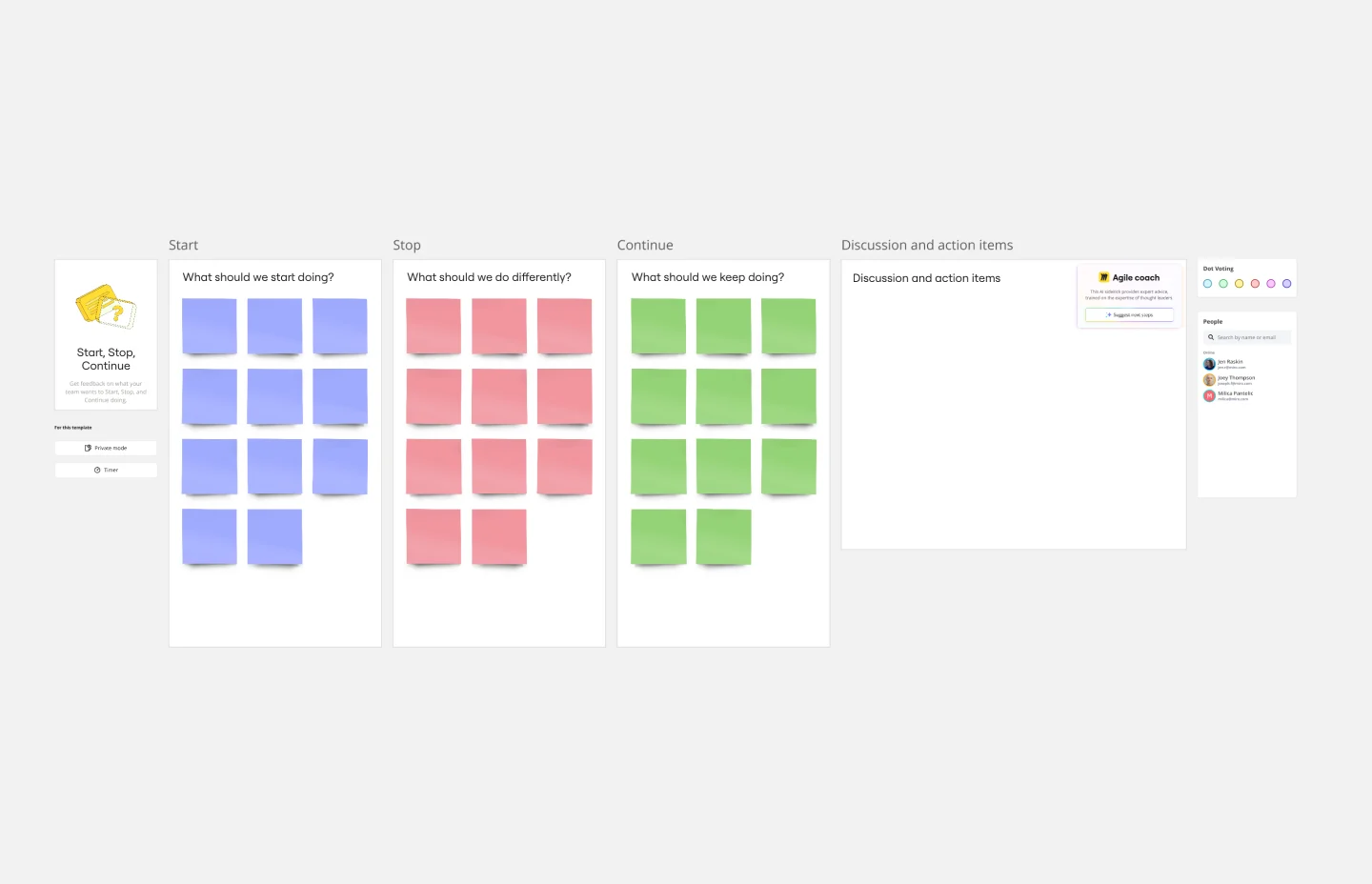
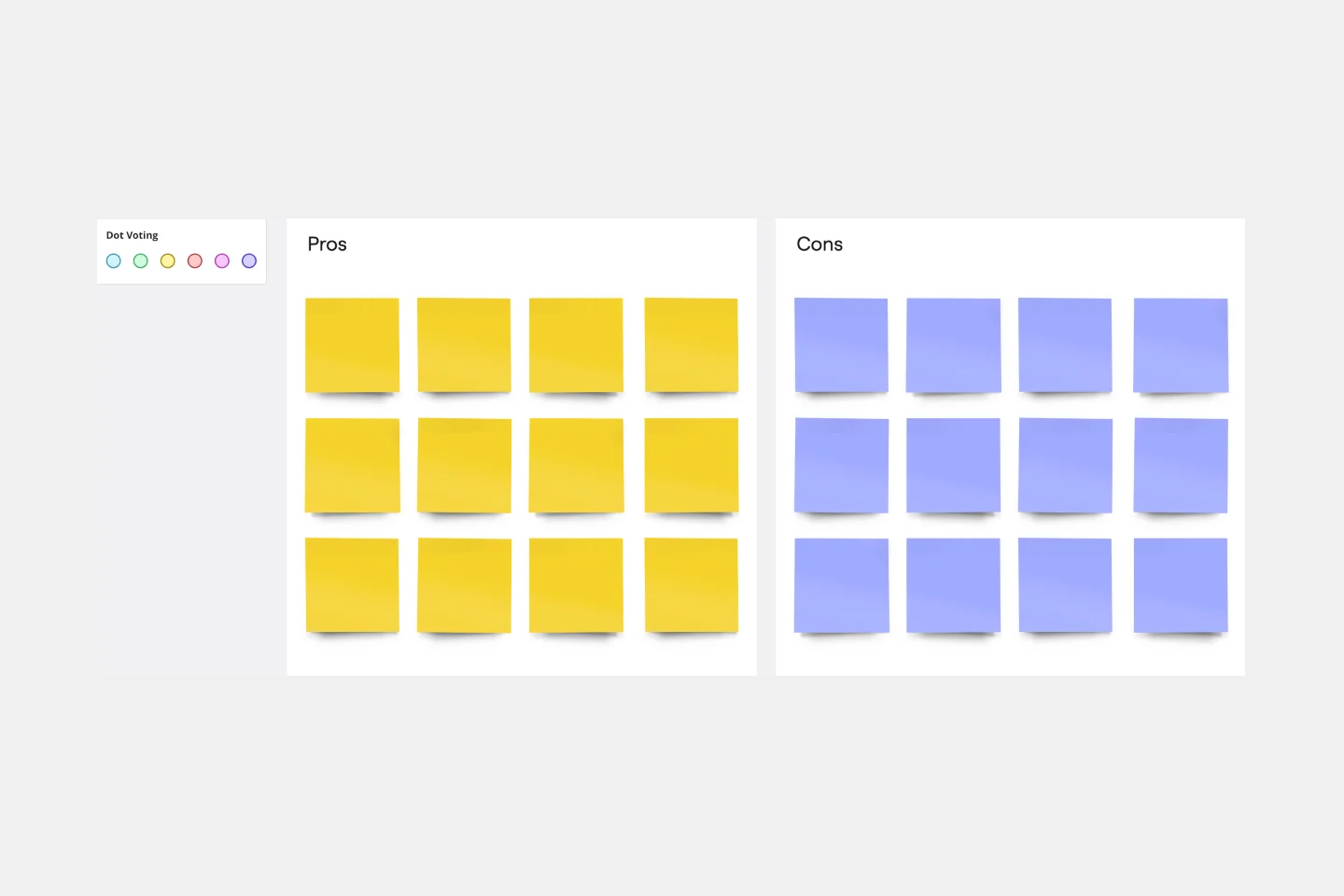
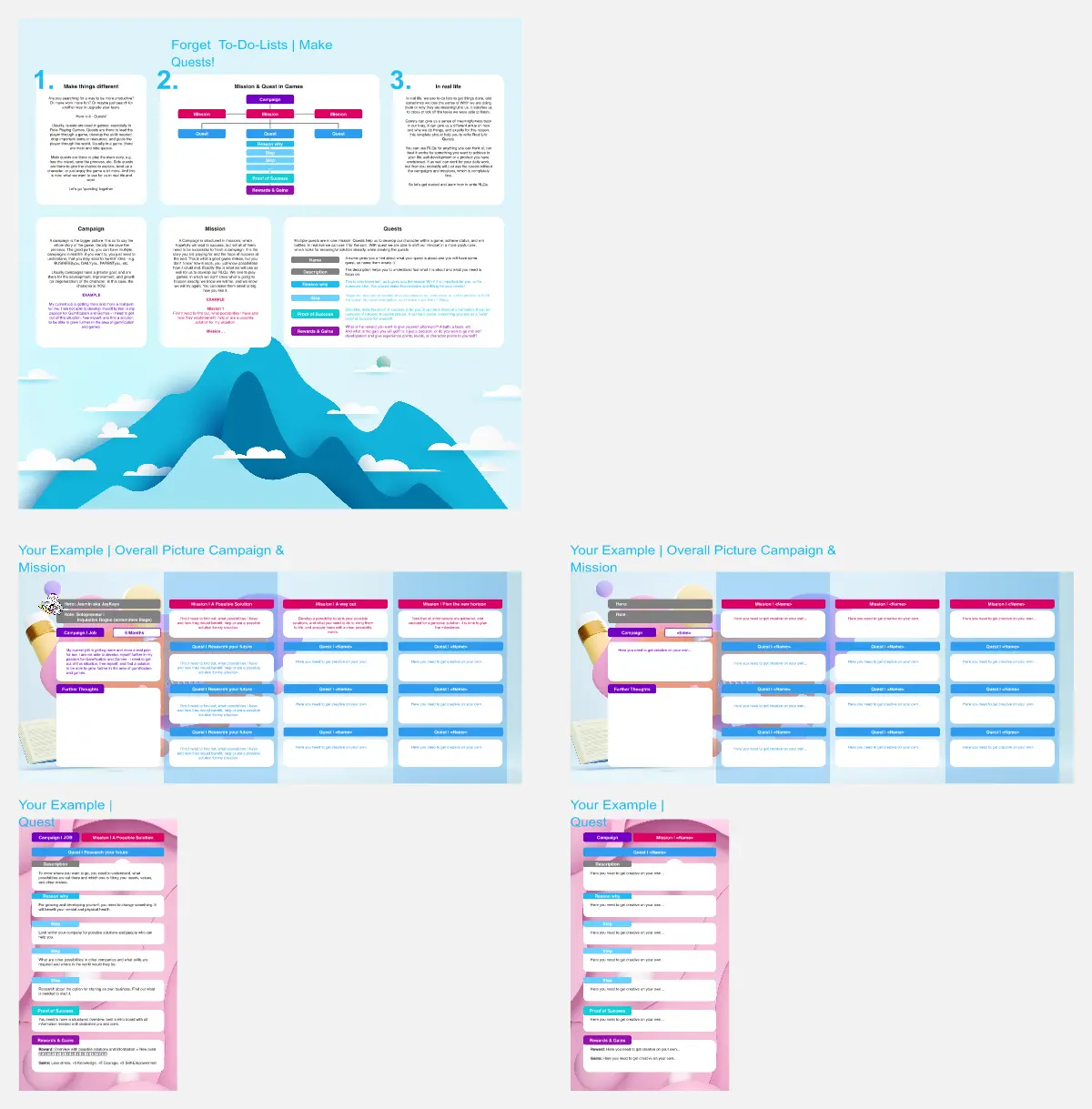
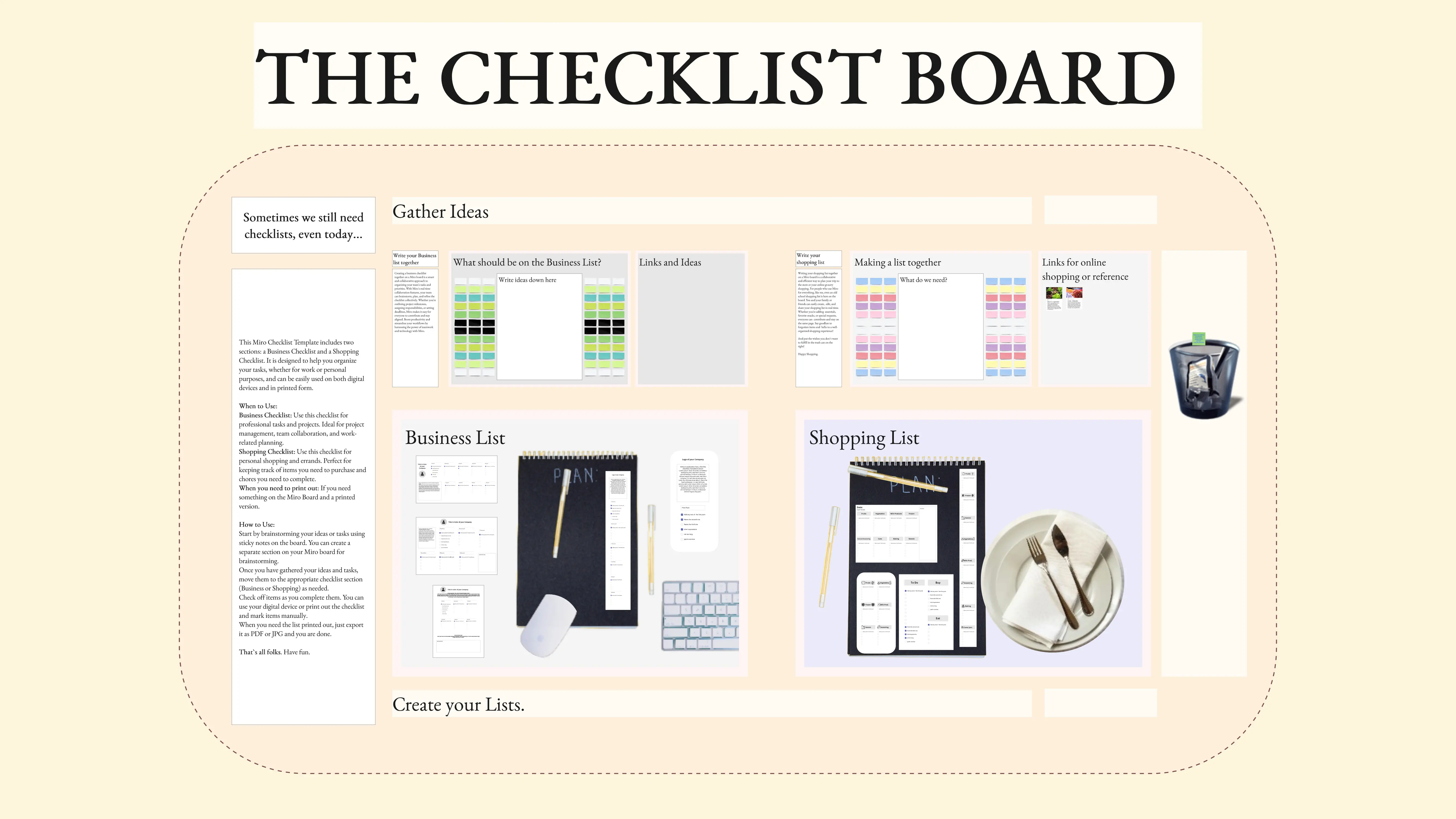
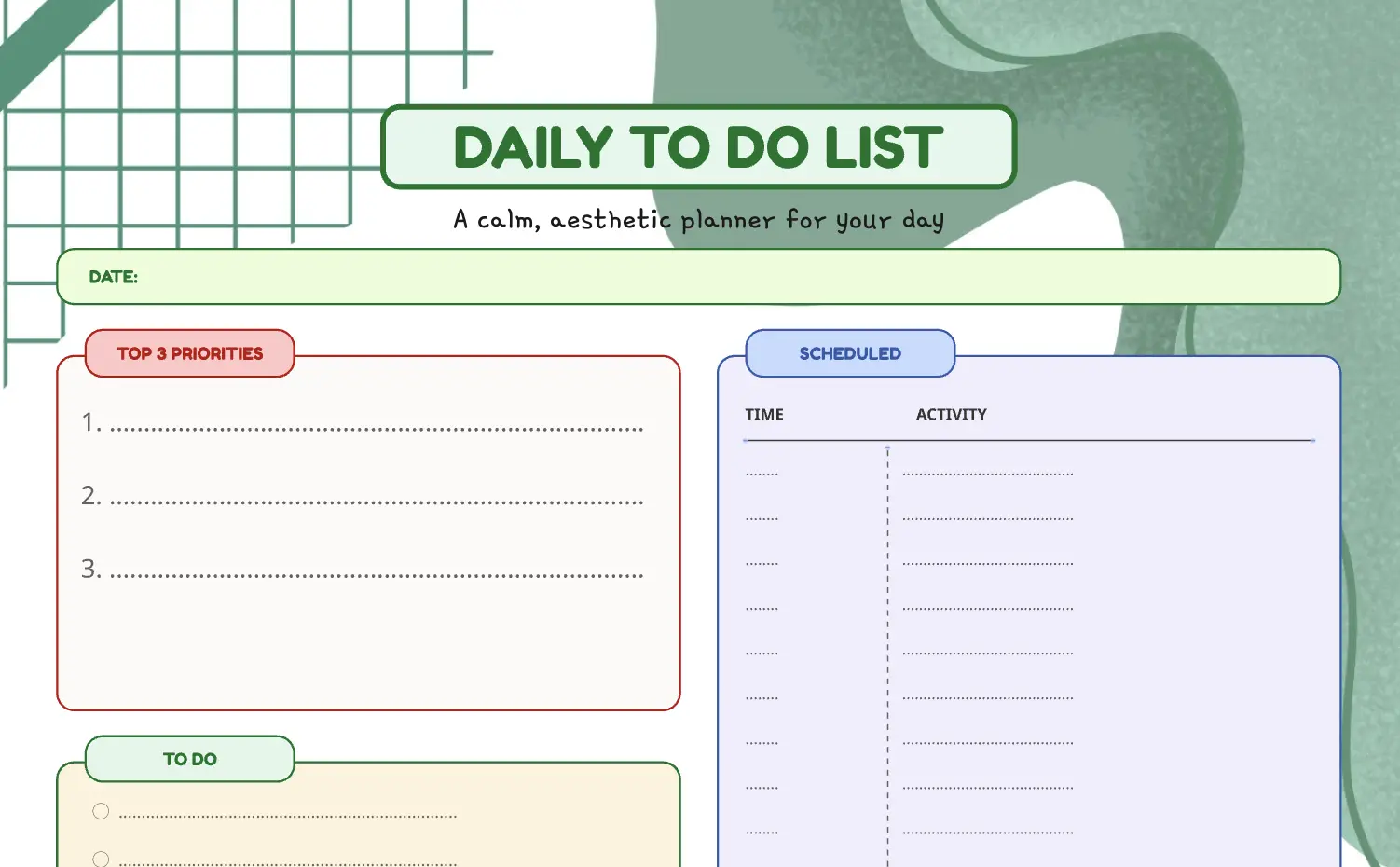
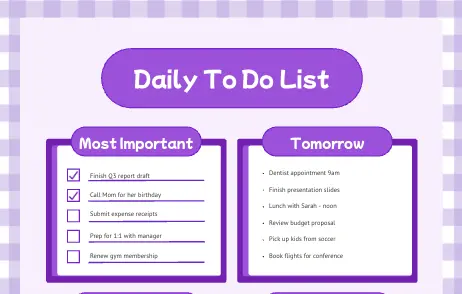
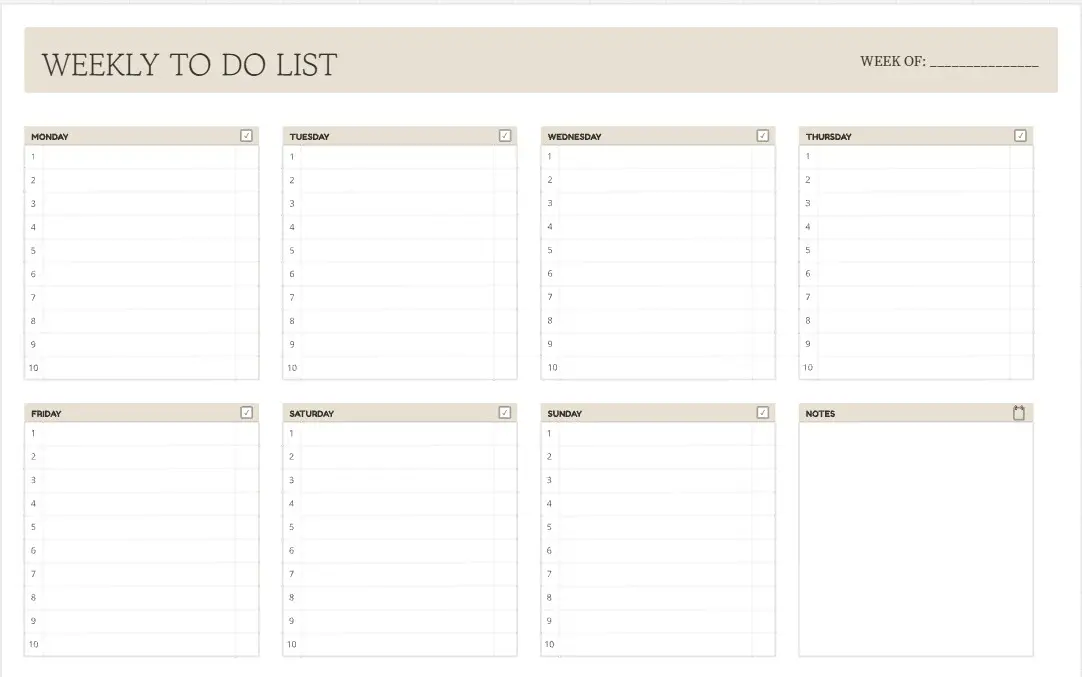
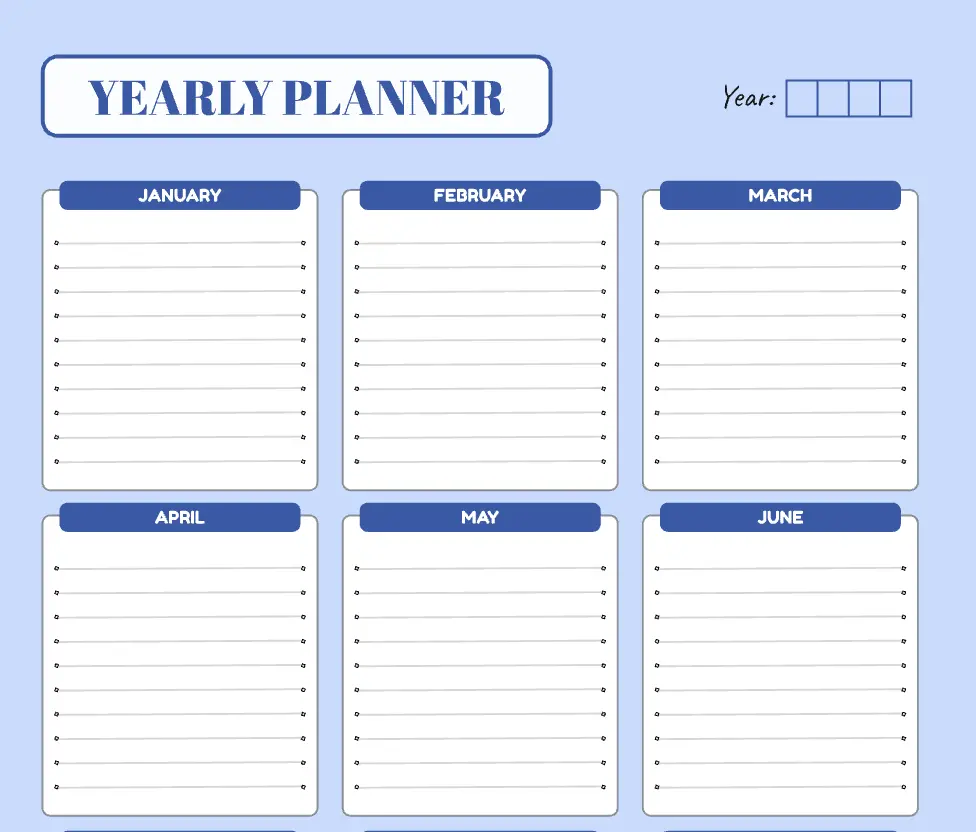
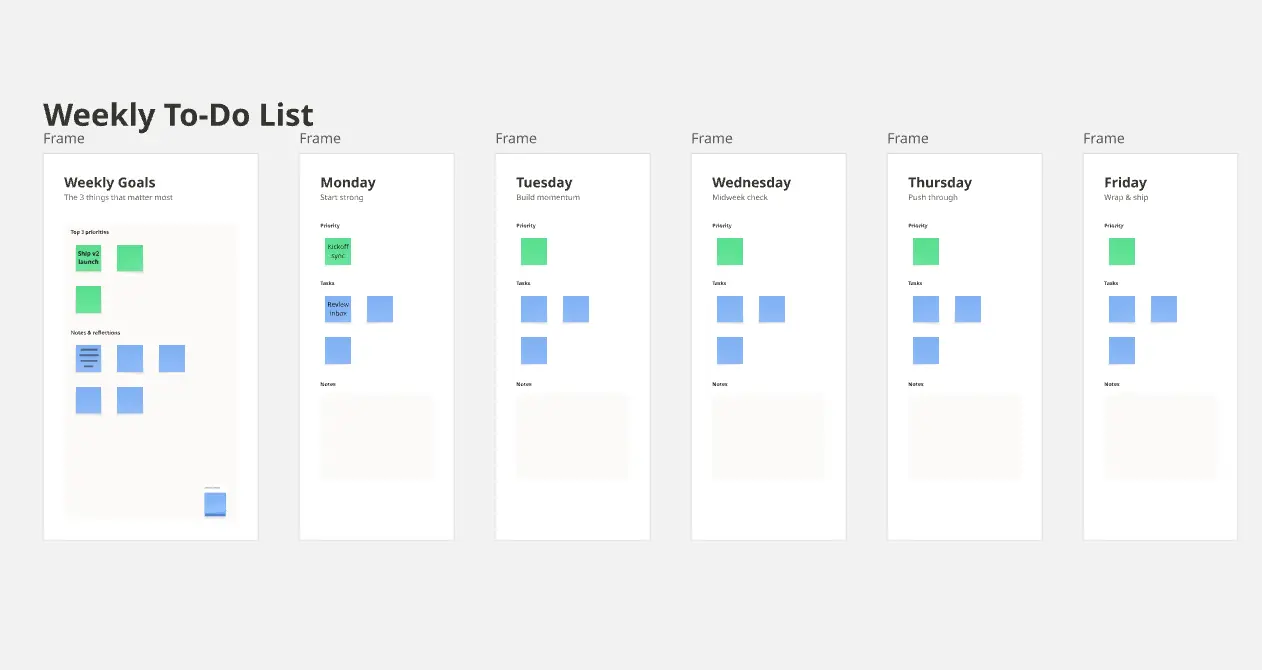
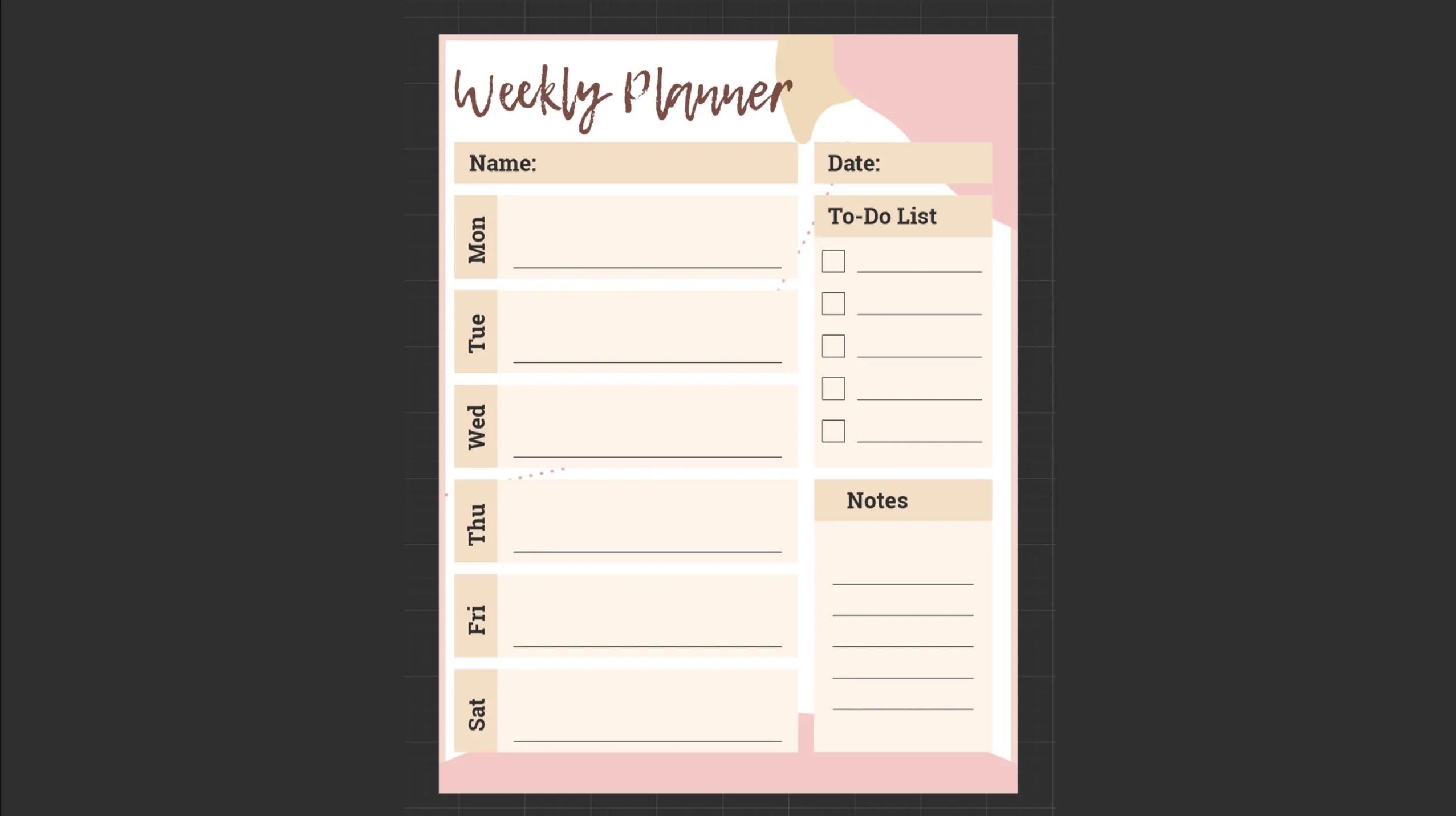
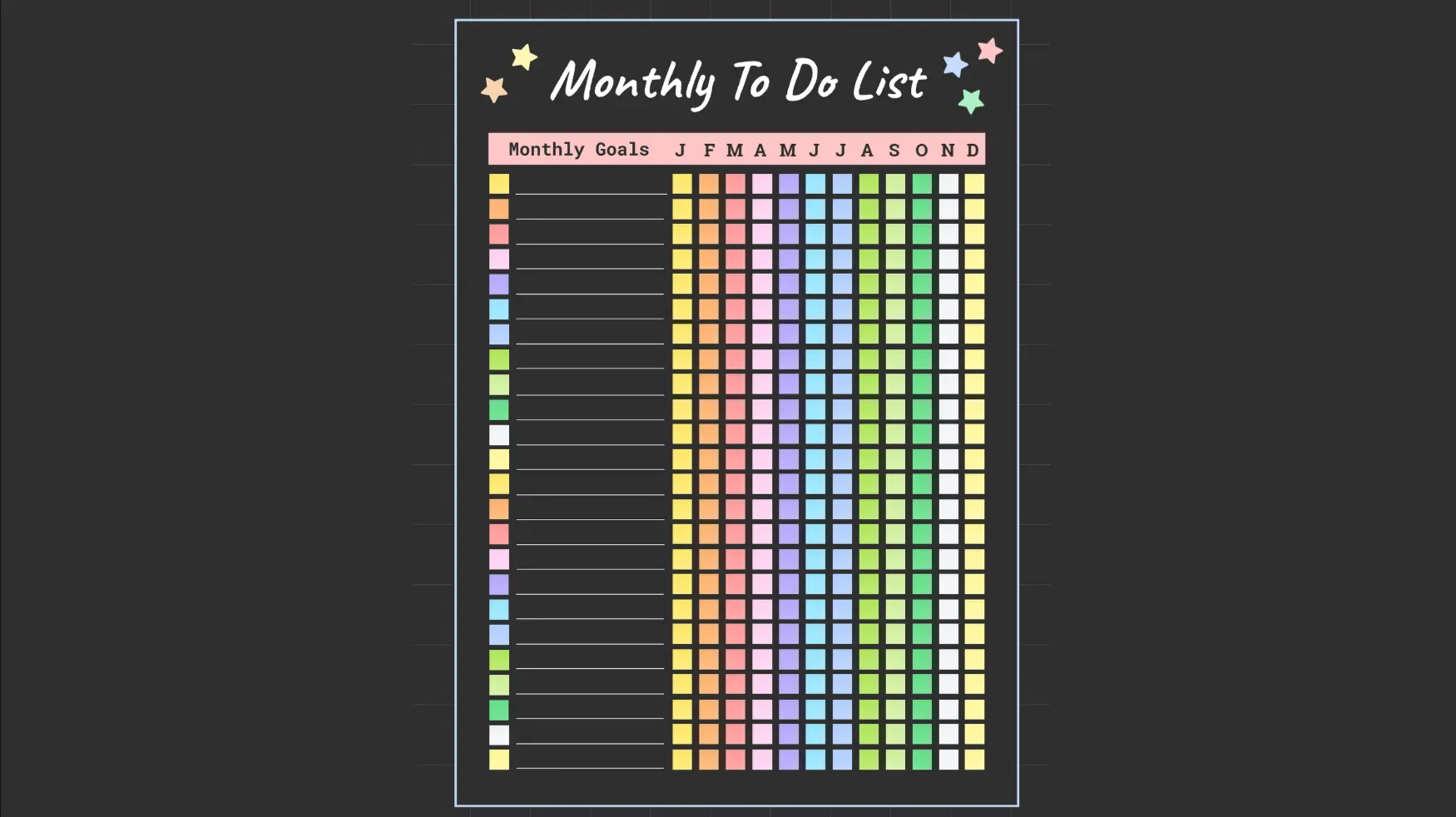
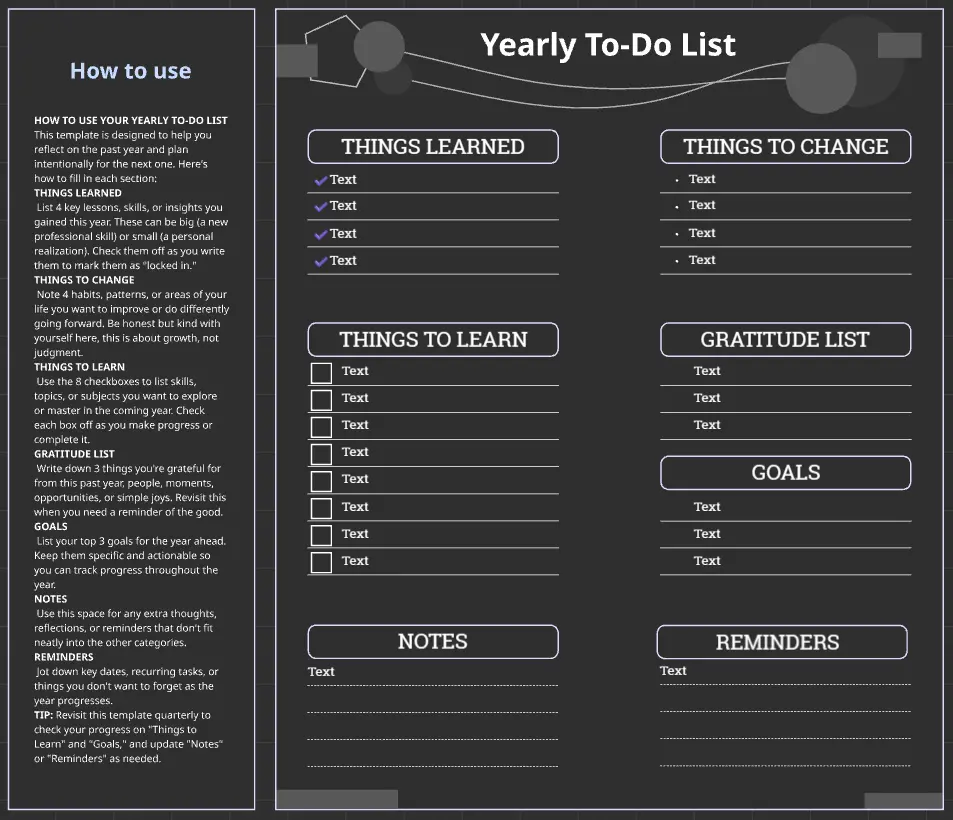
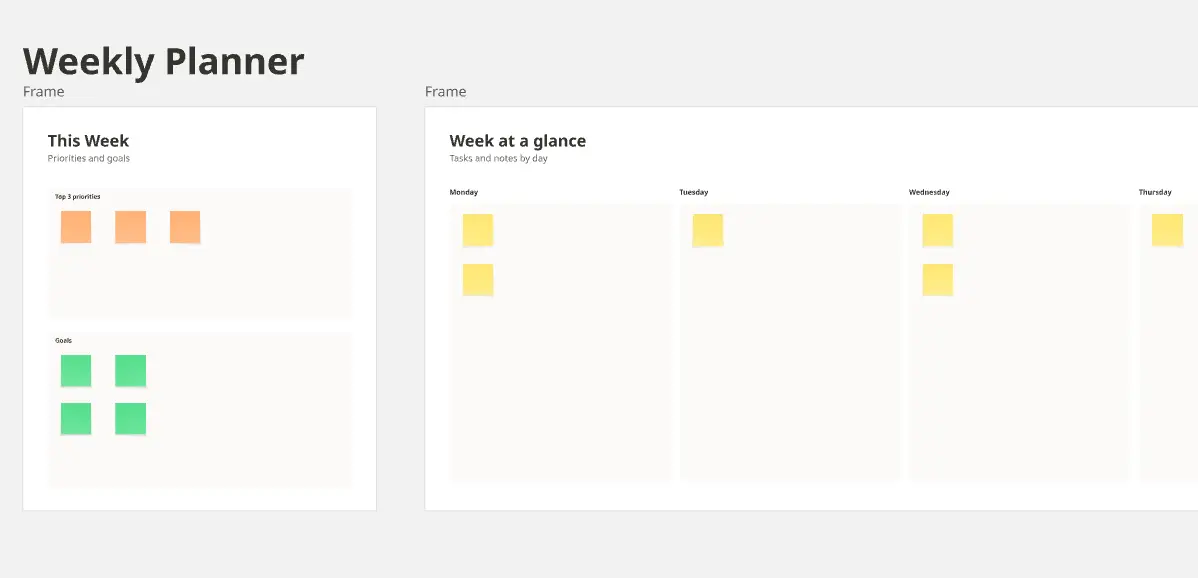
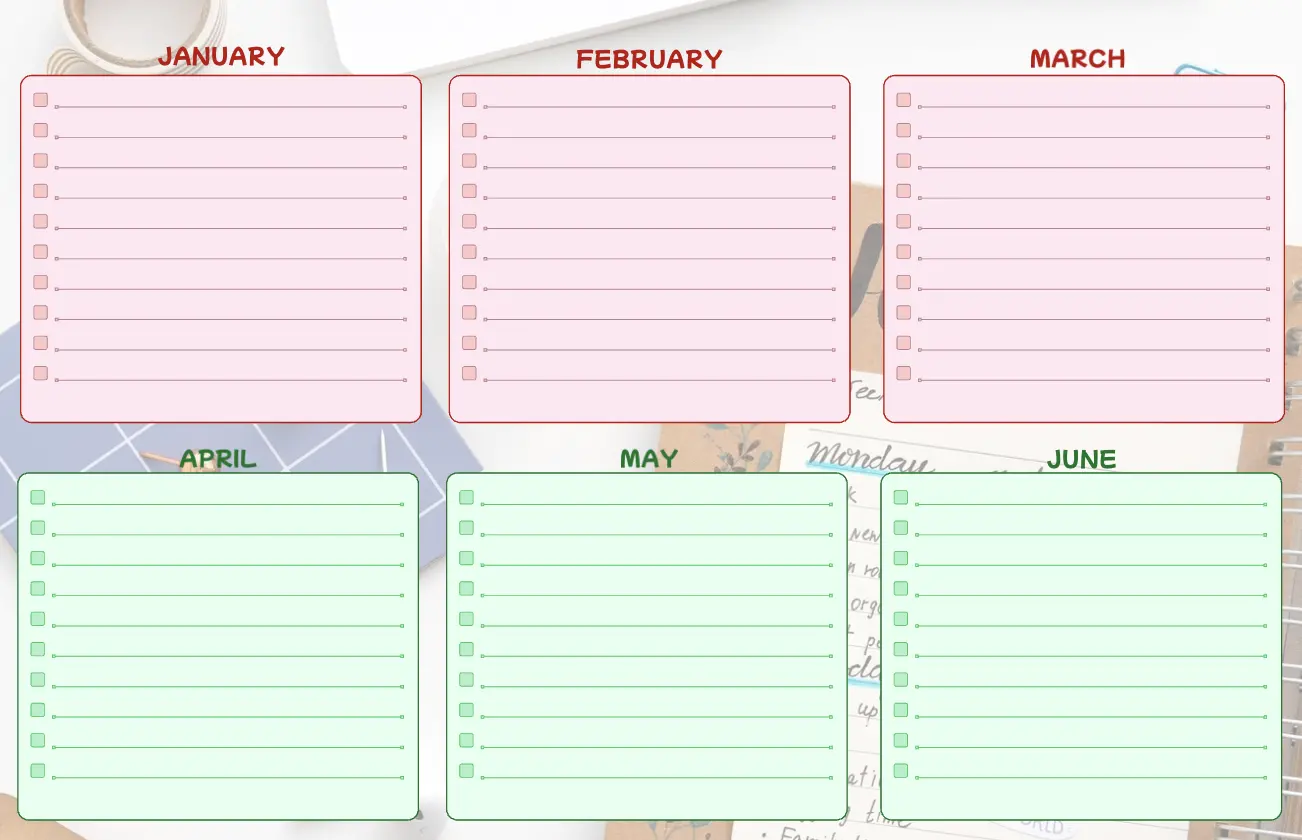
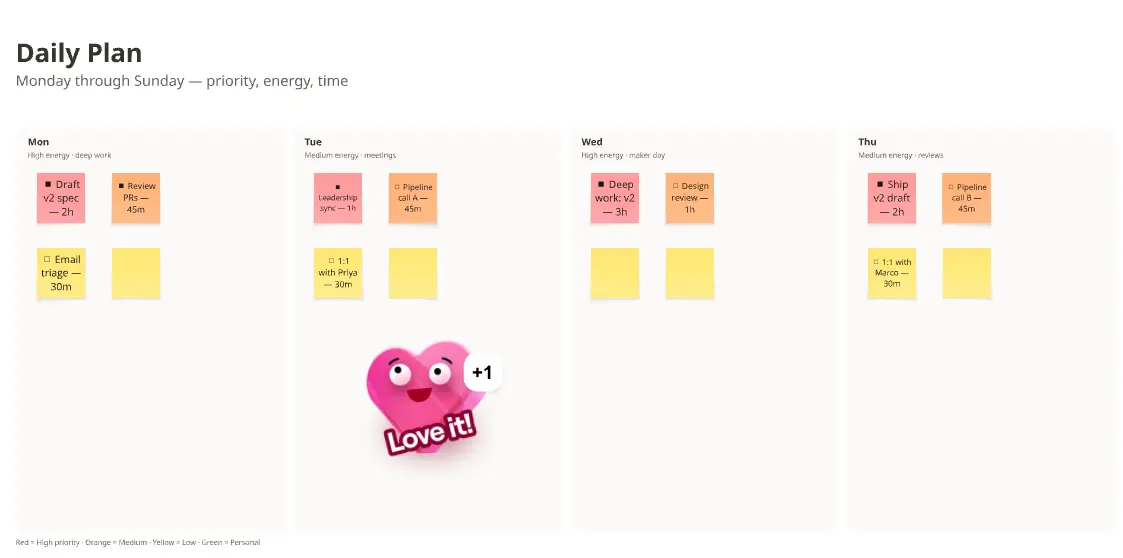
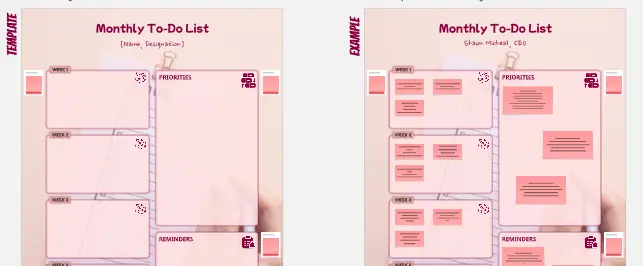
Miro's to-do list templates help you stay organized and productive, whether you're managing personal tasks or coordinating team projects. Our templates are adaptable and can be customized to fit any workflow, making them an essential tool for anyone looking to streamline their daily activities. With options ranging from simple checklists to more complex kanban boards, Miro's to-do list templates cater to a variety of needs and preferences.
Key Components of a To Do List Template
A professional to do list template acts as an external brain. Every high-performance Miro board should include these five core elements:
The "Big Three" Focus Area: A dedicated space for your non-negotiable daily objectives.
The Brain Dump (Inbox): A catchment area for new ideas or tasks that pop up during the day, preventing them from interrupting your current flow.
Estimated Time (Duration): A small field next to each task for a time estimate (e.g., 15m, 1h). This helps you avoid the "Planning Fallacy."
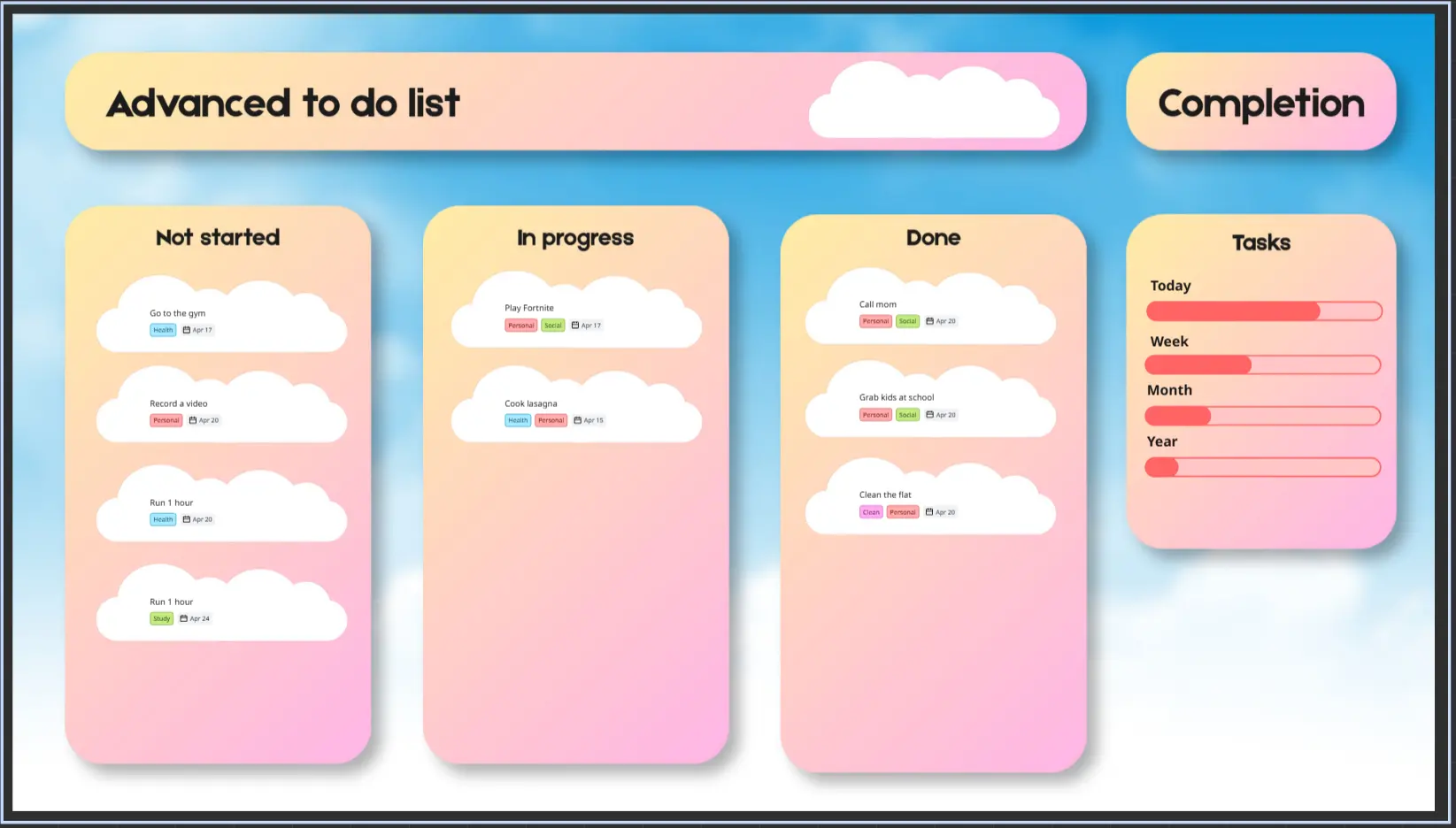
The "Done" List (Victory Log): A visible space for completed tasks. Seeing your progress provides a neurological "dopamine hit" that sustains motivation.
Delegation/Waiting Room: A section for tasks you’ve handed off but still need to track, ensuring nothing falls through the cracks while you wait for others.
Common Pitfalls of To-Do Lists
Even the best to-do list template can fail if it becomes a graveyard for unfinished ideas. To maintain a high-velocity workflow, avoid these three common traps:
The "Infinite List" Syndrome: Adding every minor thought to your primary list creates a "wall of tasks" that triggers analysis paralysis.
Neglecting "Under-the-Hood" Tasks: Forgetting to list the small, recurring administrative items (e.g., checking emails, filing expenses) that eat up 30% of your day.
The "Vague Task" Trap: Listing items like "Research" or "Website" without a clear stopping point.
Which To Do List Template Do You Need?
Productivity is personal. Select the Miro template that matches your specific workflow "DNA":
The Eisenhower Matrix (Priority-First):
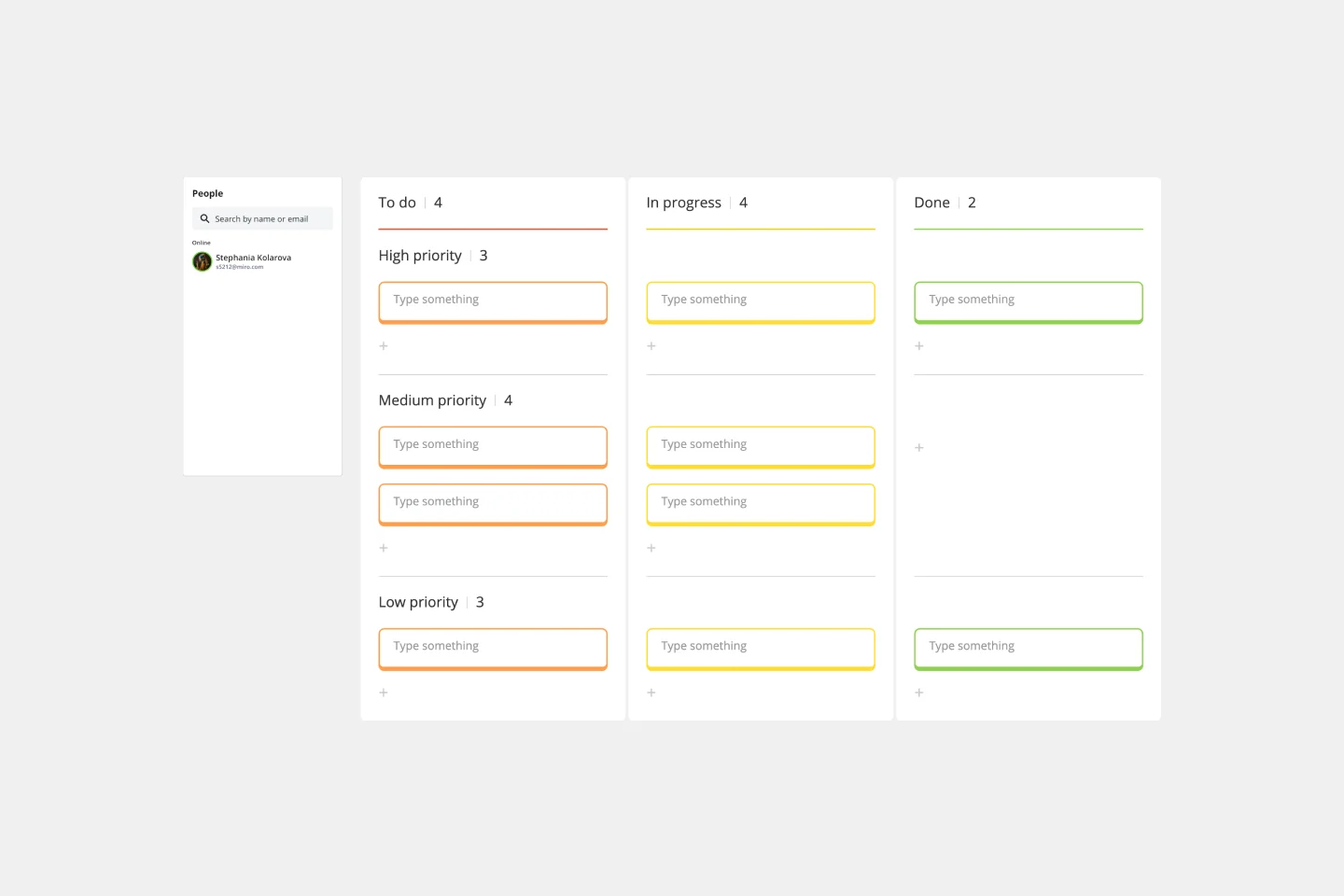
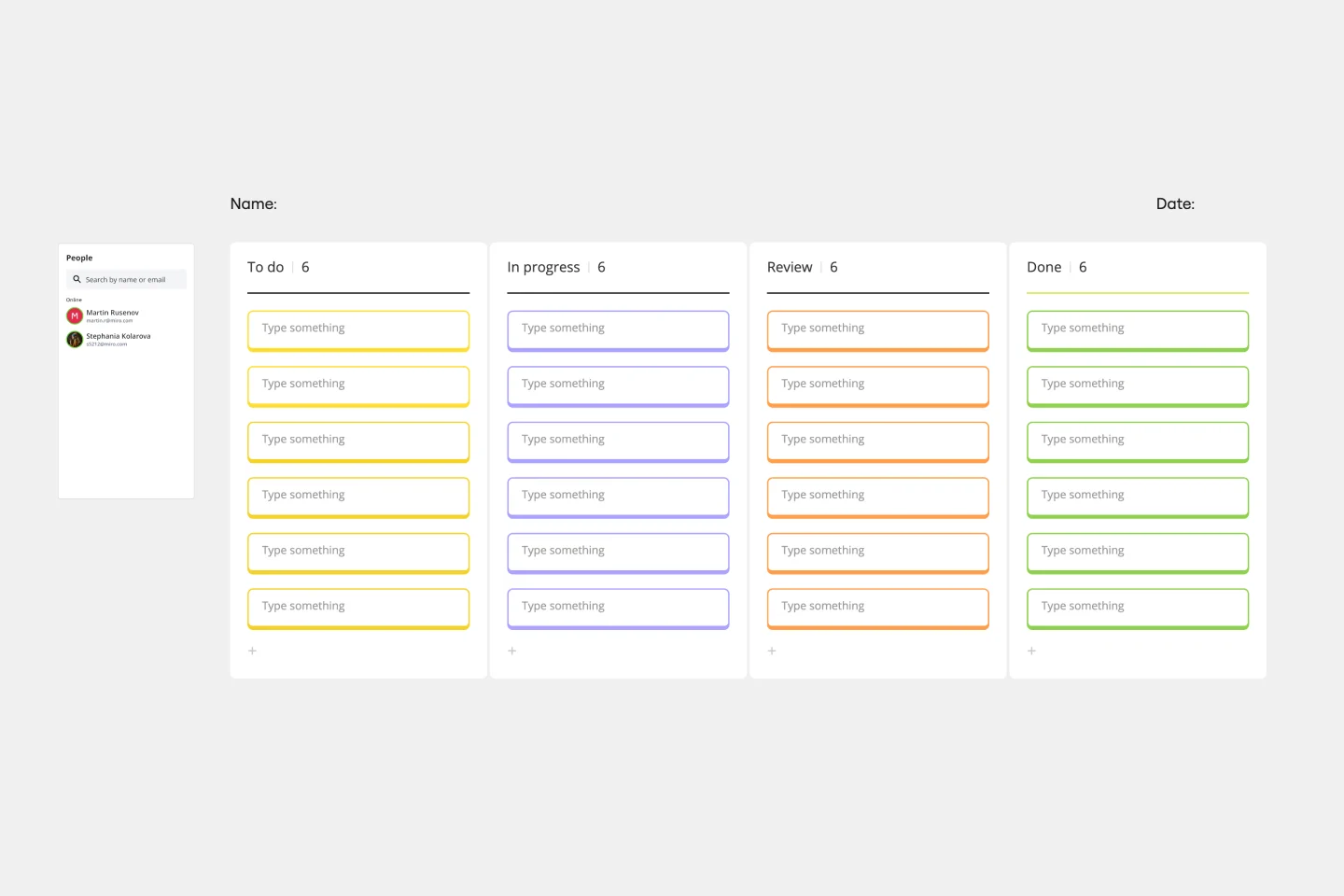
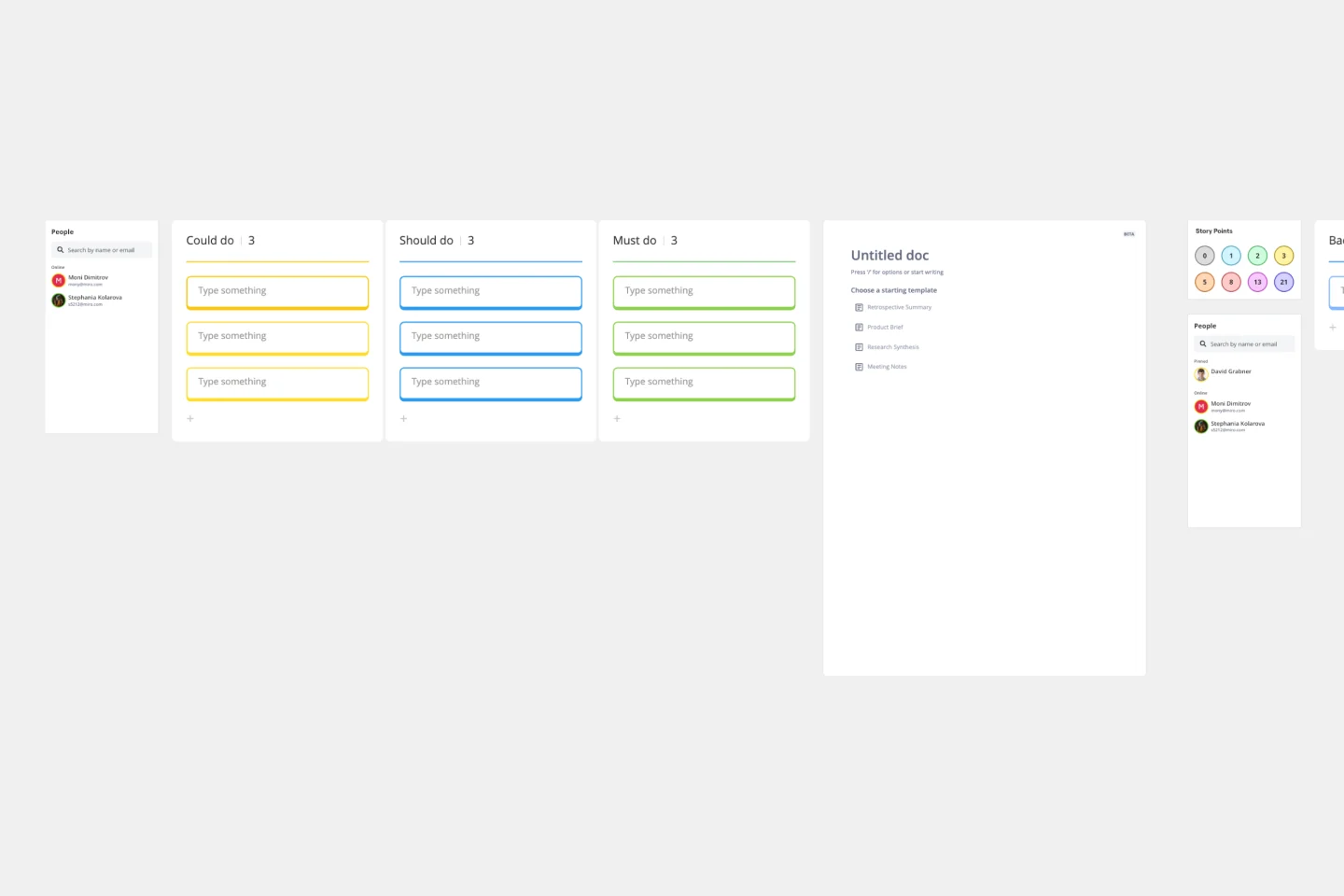
The Kanban To-Do (Flow-First):
The Time-Blocking Template (Schedule-First):
Best For: People who struggle with "time blindness" or over-commitment.
The Goal: To give every task a specific "home" on your calendar, ensuring you have enough hours in the day to actually finish what you started.
How to create to-do list in Miro
Select a template: Browse through Miro's collection of to-do list templates and choose one that fits your needs. You can find templates for daily tasks, project management, and more.
Customize your template: Once you've selected a template, customize it to suit your specific requirements. Add or remove tasks, change the layout, and adjust the design to match your workflow.
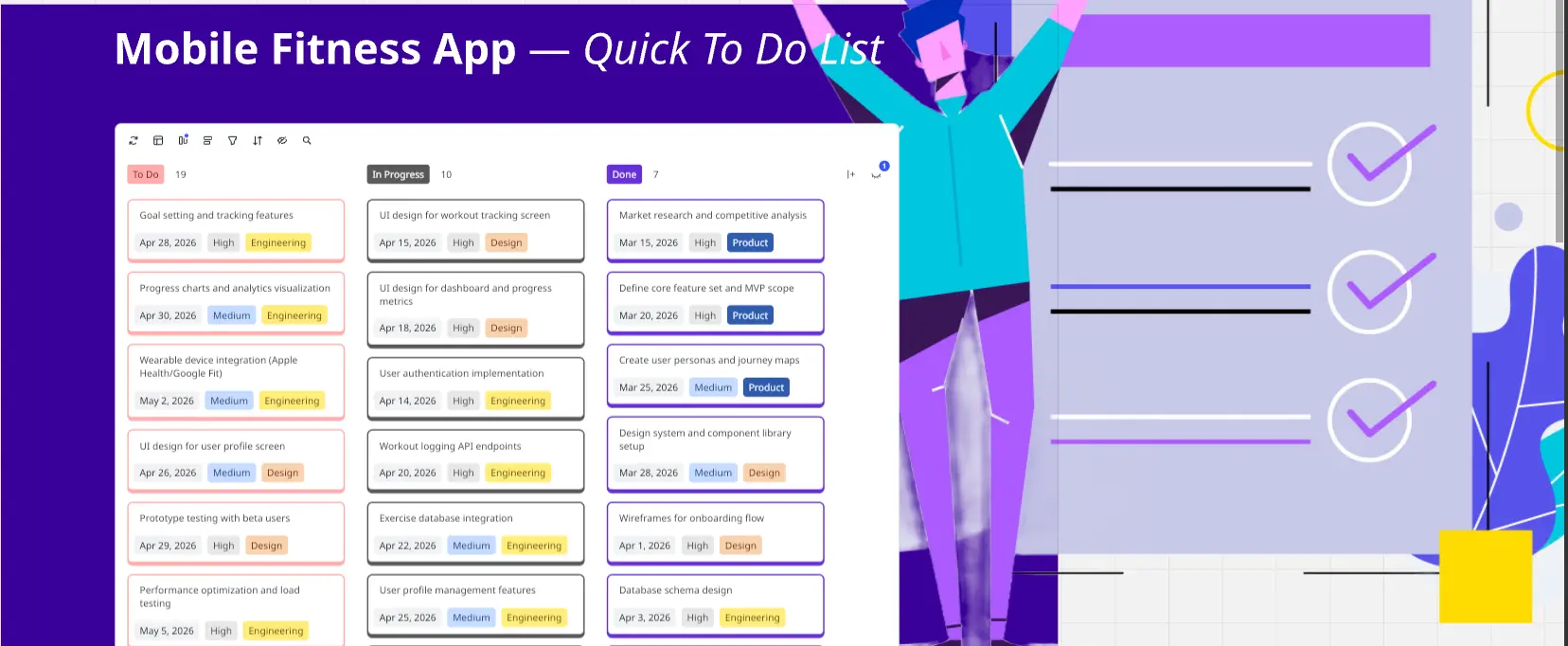
Add tasks and assignments: Use the kanban widget and Miro cards to add tasks and assignments. This feature allows you to visually organize your tasks into columns such as "To Do," "In Progress," and "Done."
Collaborate with your team: Share your to-do list with team members to collaborate in real time. Assign tasks, set deadlines, and track progress together to ensure everyone stays on track.
Track progress: Use the visual layout of the Kanban board to monitor the status of each task. Move tasks between columns as they progress, and make adjustments as needed to keep your project on track.
By using Miro's to-do list templates, you can improve your productivity and ensure that nothing falls through the cracks. These templates are designed to help you stay organized, collaborate effectively, and achieve your goals with ease. Start using Miro's to-do list templates today and see how they can transform your workflow.