Simple Risk Matrix
Overview
The Operational Risk Matrix is a visual tool that helps organizations systematically assess and prioritize operational risks. By plotting risks based on their likelihood and potential impact, teams can quickly identify which threats require immediate attention and allocate resources effectively.
Who Can Use This Template
Risk management professionals conducting operational assessments
Project managers identifying project-specific risks
Operations leaders evaluating process vulnerabilities
Compliance teams documenting risk frameworks
Department heads assessing functional risks
Strategic planning teams during scenario planning
Business continuity planners
Quality assurance teams
How to Fill Out This Template
Step 1: Customize the Header
Replace "[Organization Name]" with your organization's name to personalize the matrix.
Step 2: Identify Operational Risks
List all potential risks that could impact your operations, processes, or projects. Consider categories such as technology failures, process inefficiencies, human errors, compliance issues, or supply chain disruptions.
Step 3: Assess Likelihood
For each identified risk, evaluate how likely it is to occur:
Low (1-2): Unlikely to happen
Medium (3-4): Possible occurrence
High (5): Very likely to occur
Step 4: Assess Impact
Determine the potential consequence if the risk materializes:
Low (1-2): Minor disruption
Medium (3-4): Moderate disruption
High (5): Severe disruption
Step 5: Plot Risks on the Matrix
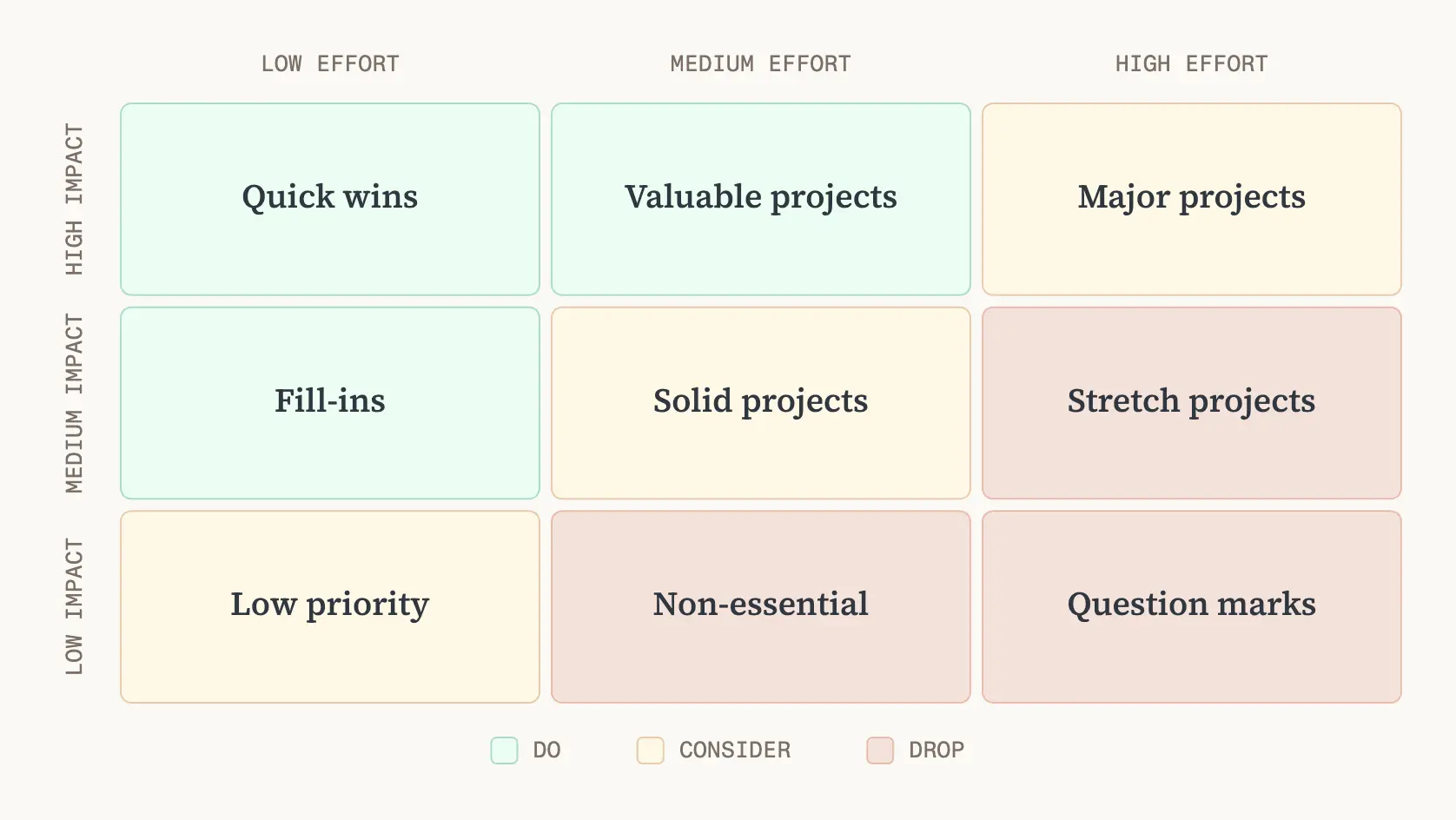
Place each risk in the appropriate cell based on its likelihood and impact scores. The matrix automatically categorizes risks into priority levels:
High Priority (red zones): Requires immediate action
Medium Priority (orange zones): Needs monitoring and planning
Low Priority (green zones): Routine oversight
Step 6: Prioritize Mitigation
Focus mitigation efforts on High Priority risks first, then address Medium Priority items, and maintain awareness of Low Priority risks.
Step 7: Review and Update
Regularly revisit the matrix to reassess risks as circumstances change, add new risks, or remove mitigated ones.
Best Practices
Involve cross-functional teams for comprehensive risk identification
Use specific, measurable criteria for likelihood and impact ratings
Document assumptions behind each assessment
Update the matrix quarterly or after significant operational changes
Goodluck and keep coming back for more exciting templates
Khawaja Rizwan