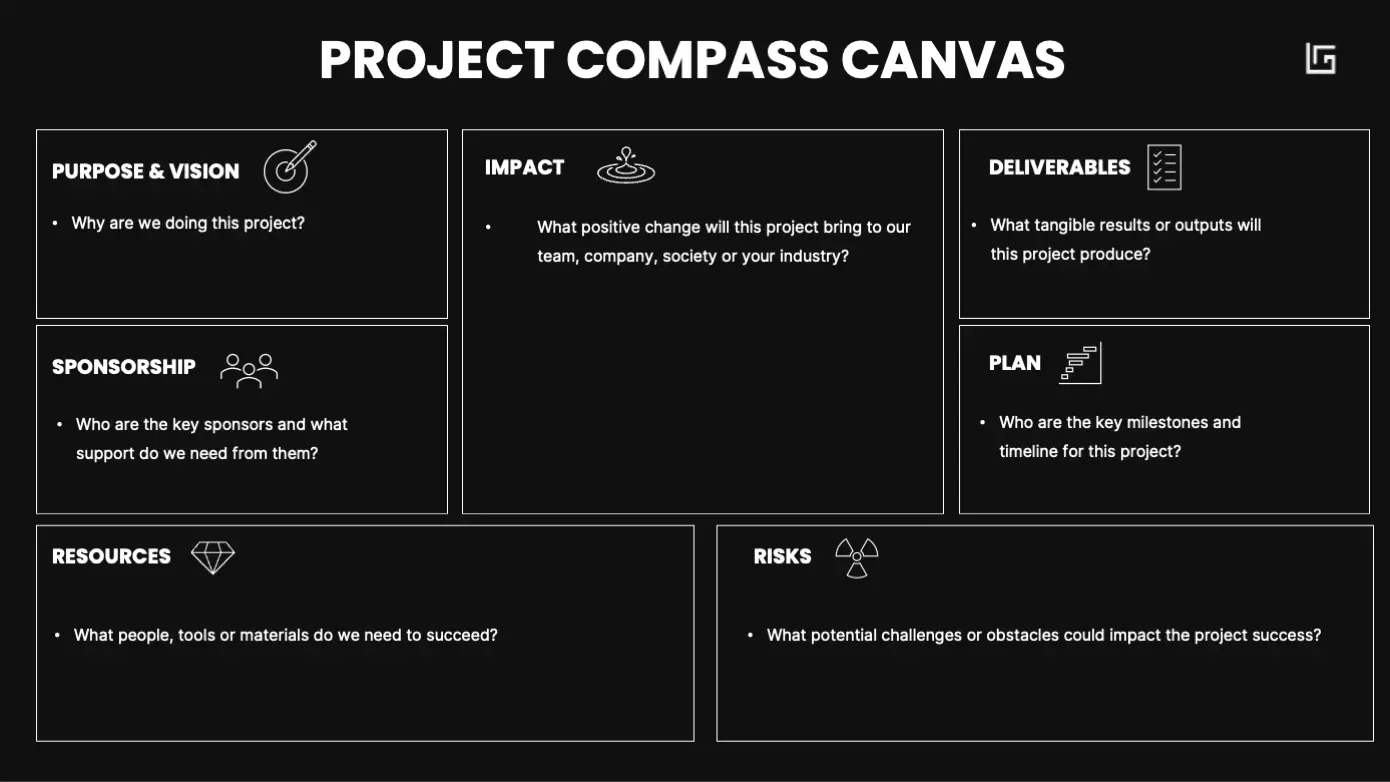
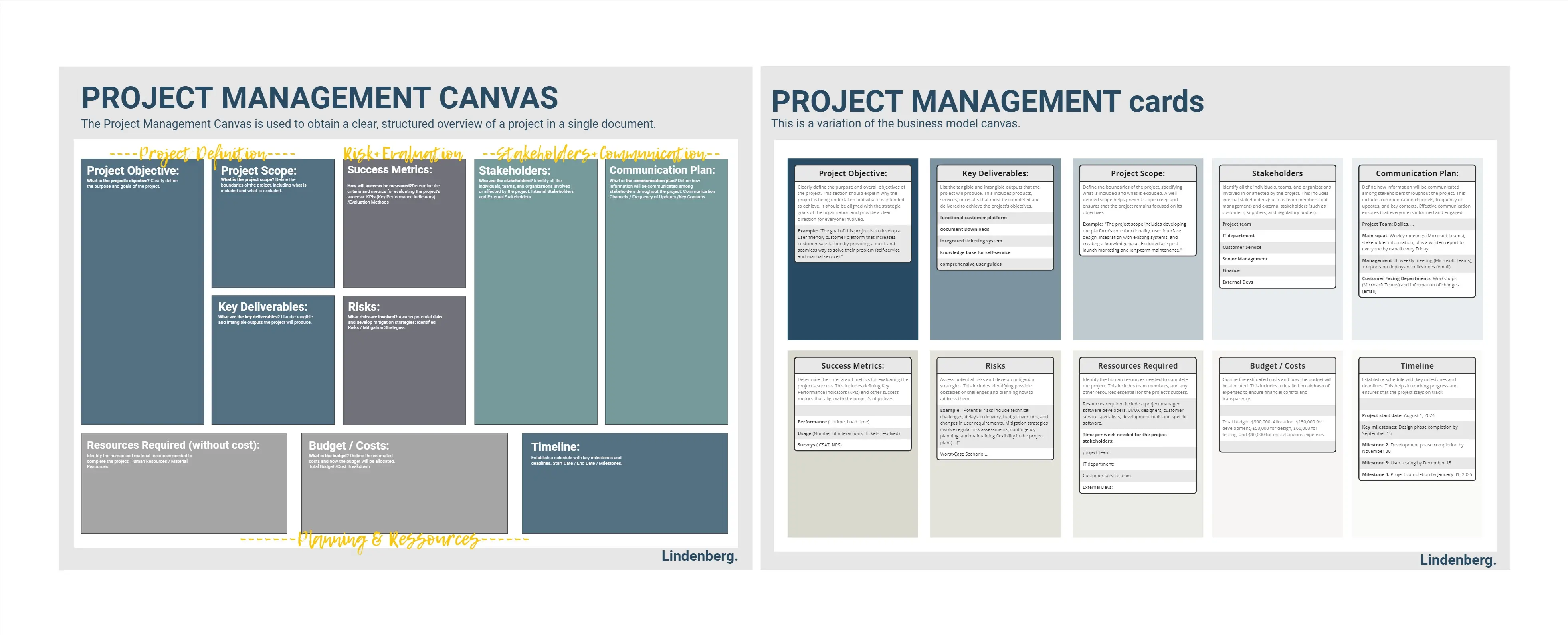
Project management is the structured discipline of planning, organizing, and executing tasks to achieve defined goals within time, budget, and resource constraints. It ensures ideas are transformed into successful outcomes by applying proven methodologies, tools, and leadership skills.
📌 Definition
Project management is the application of knowledge, skills, tools, and techniques to project activities to meet requirements. It involves balancing scope, time, cost, and quality while managing risks and stakeholder expectations.
🔑 Core Components
Initiation: Define objectives, feasibility, and scope.
Planning: Develop schedules, allocate resources, and set budgets.
Execution: Implement tasks and coordinate teams.
Monitoring & Controlling: Track progress, manage risks, and adjust plans.
Closure: Deliver final outputs, evaluate success, and document lessons learned.
📚 Approaches
Predictive (Waterfall): Linear, phase-by-phase execution; best for stable requirements.
Adaptive (Agile): Iterative, flexible, and collaborative; ideal for uncertain or evolving projects.
Hybrid: Combines predictive stability with adaptive flexibility.
⚙️ Importance
Ensures efficient use of resources.
Improves team collaboration and communication.
Minimizes risks and delays.
Aligns projects with strategic organizational goals.
📊 Example Applications
Construction: Managing timelines, budgets, and safety standards.
IT & Software: Agile sprints for product development.
Healthcare: Coordinating research, clinical trials, and patient services.
Events: Planning logistics, vendors, and schedules.
🚨 Challenges & Risks
Scope creep: Uncontrolled expansion of project goals.
Resource constraints: Limited manpower or finances.
Communication gaps: Misalignment among stakeholders.
Uncertainty: Market or technology changes impacting outcomes.
✅ Conclusion
Project management