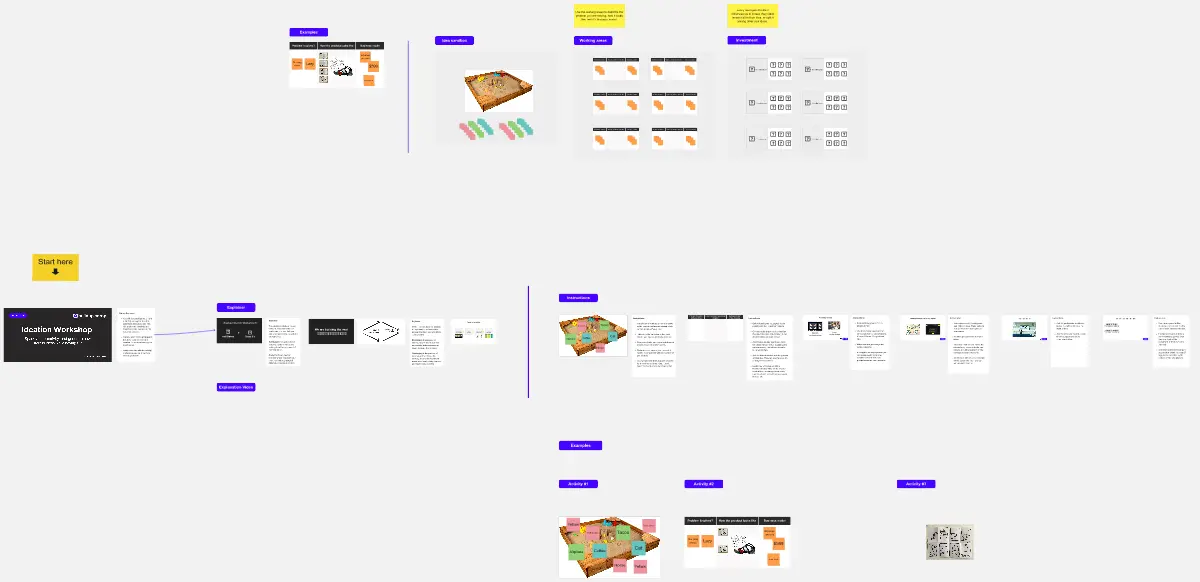
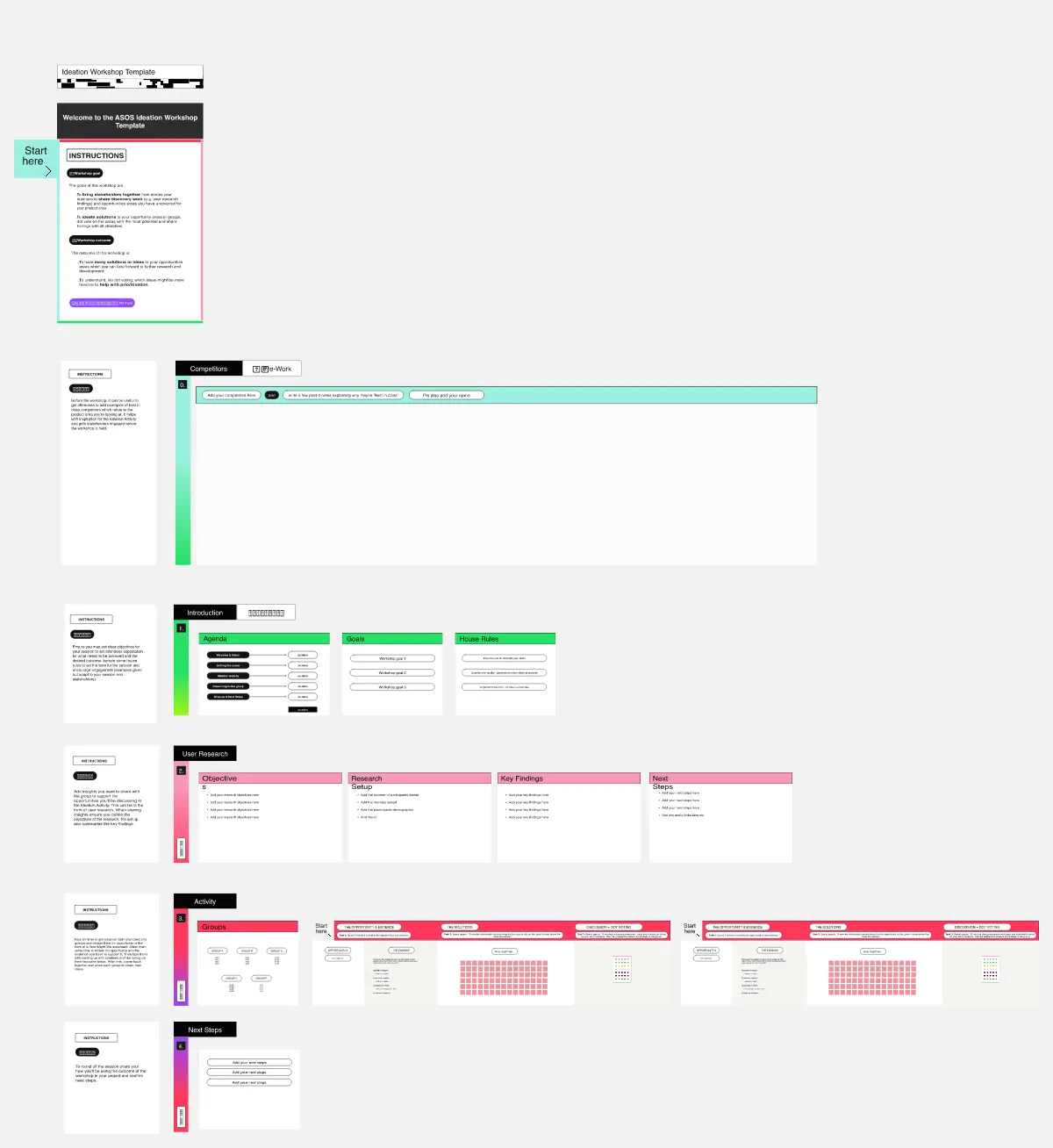
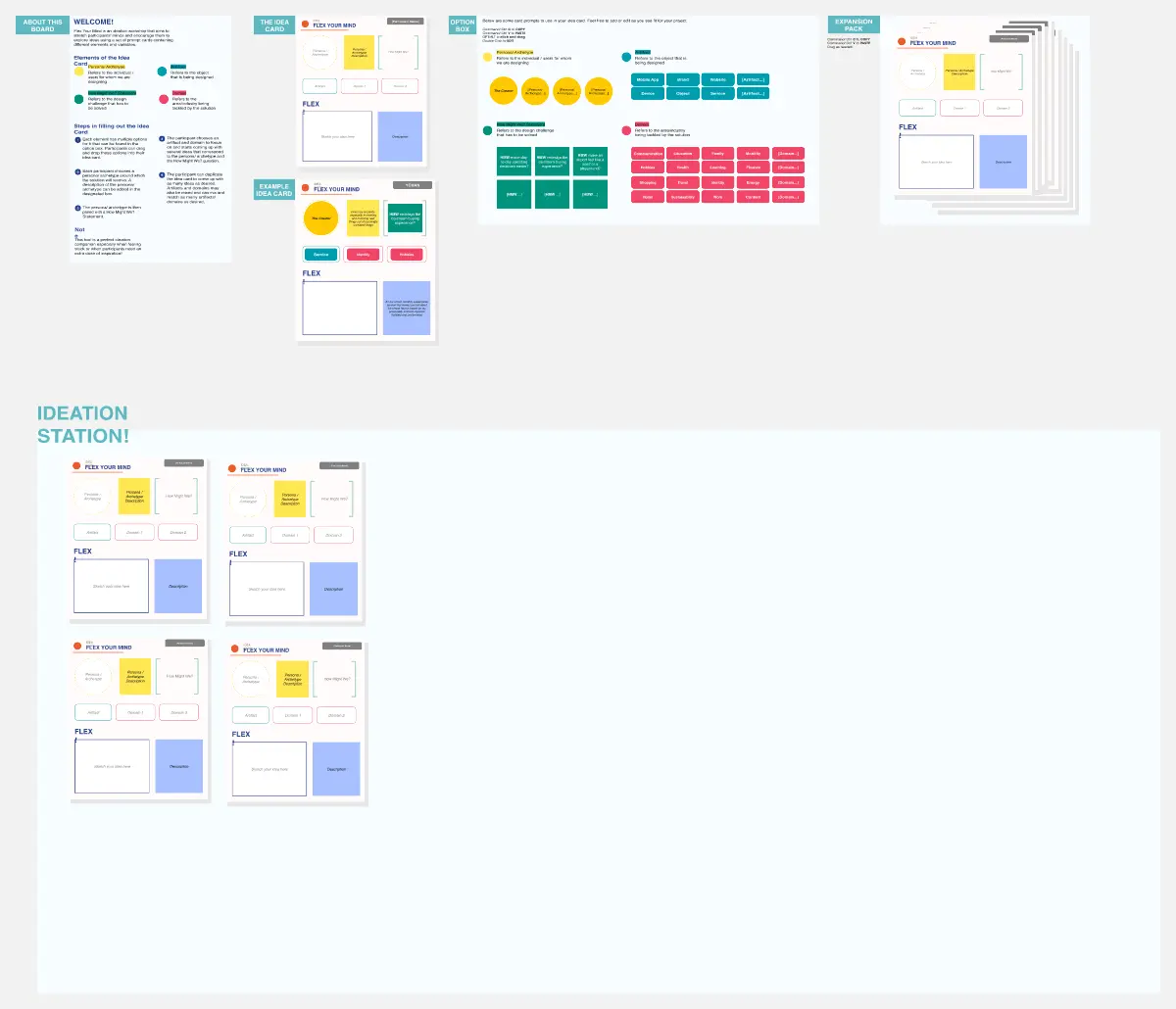
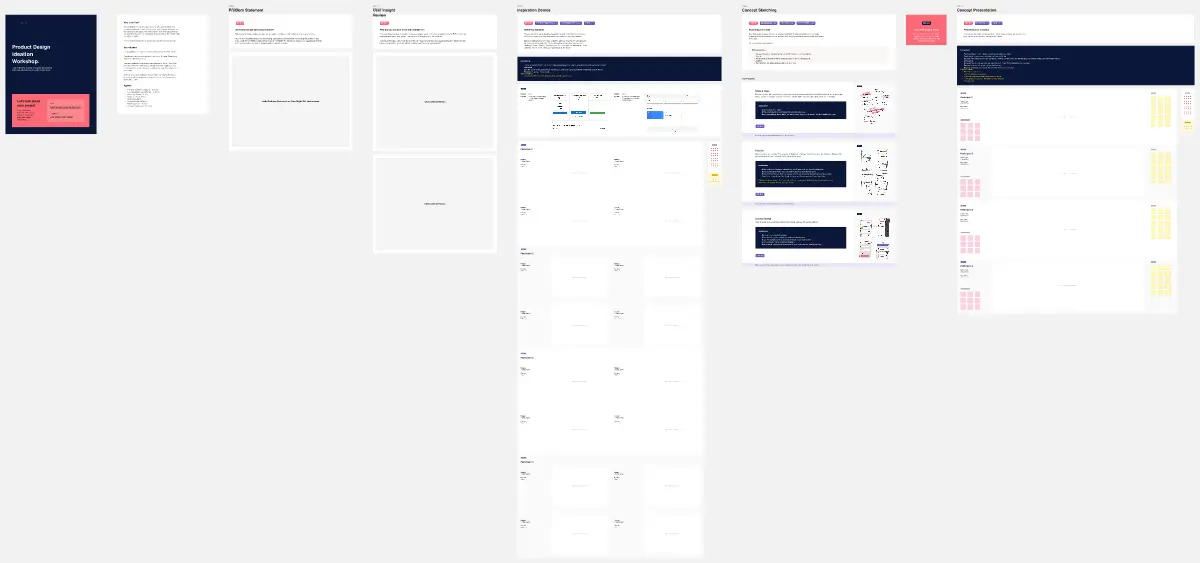
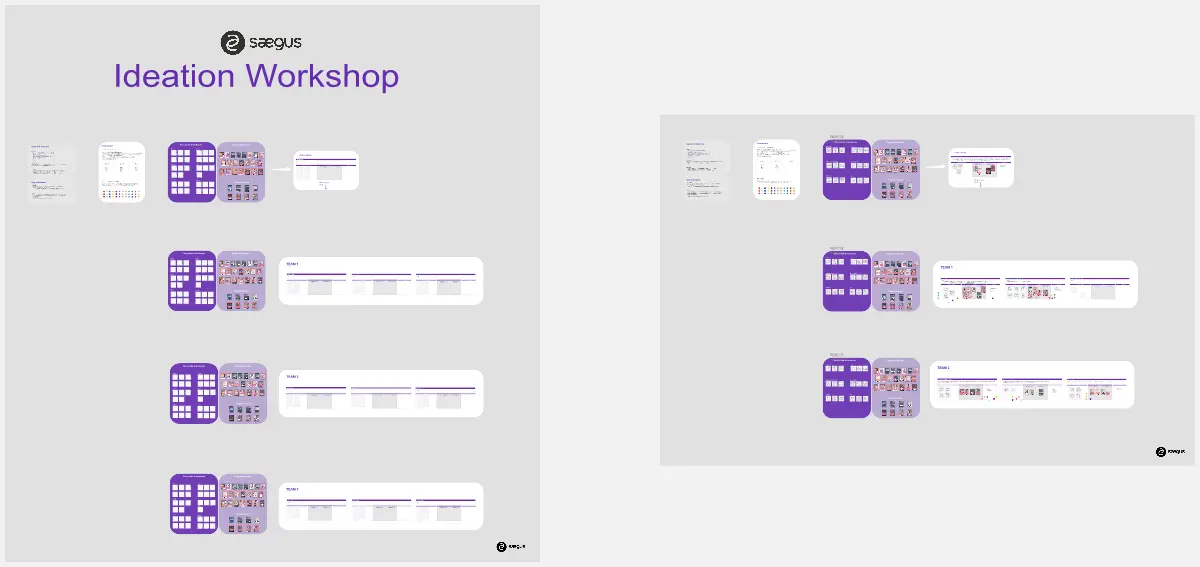
What is an Ideation Workshop Template?
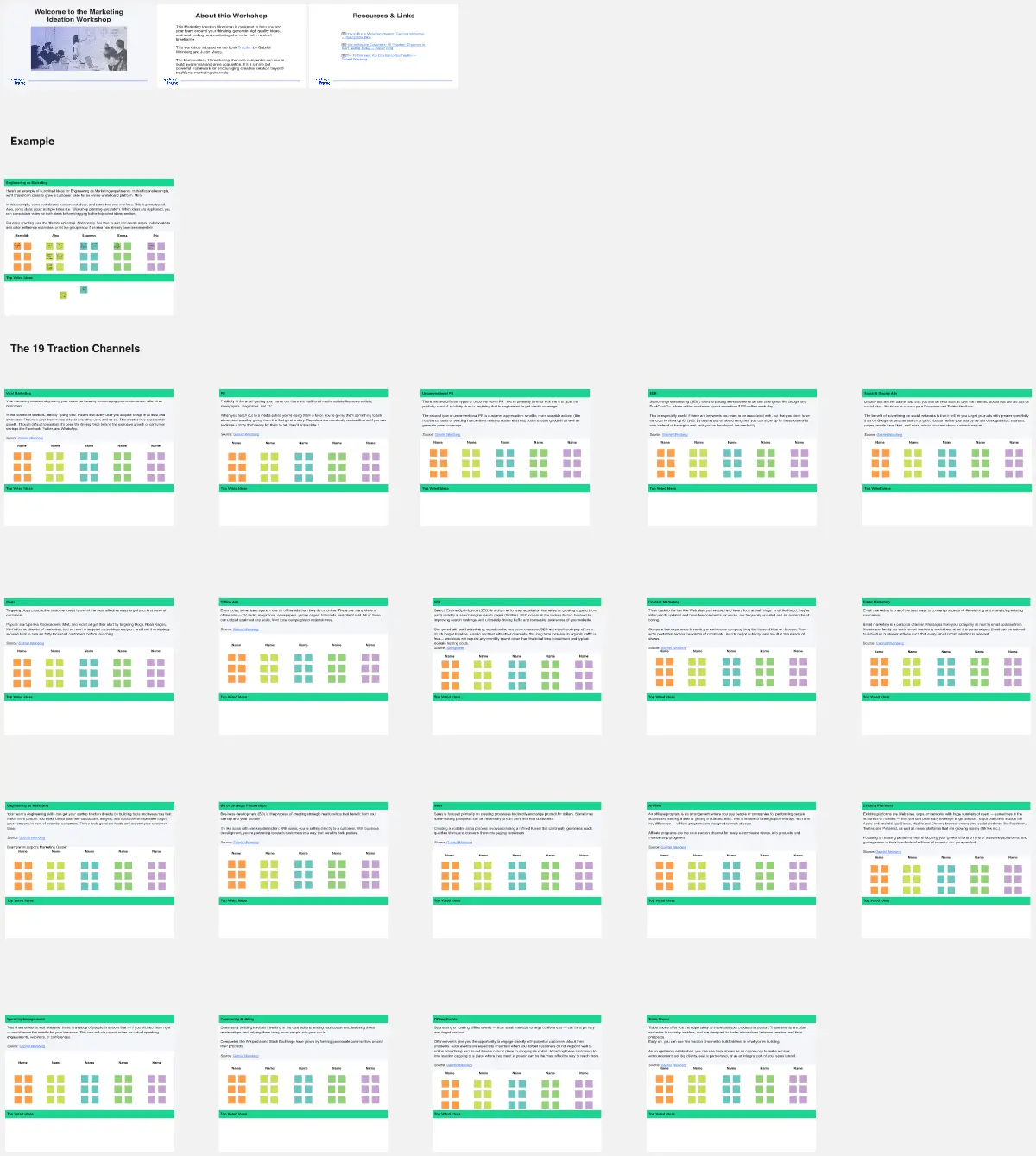
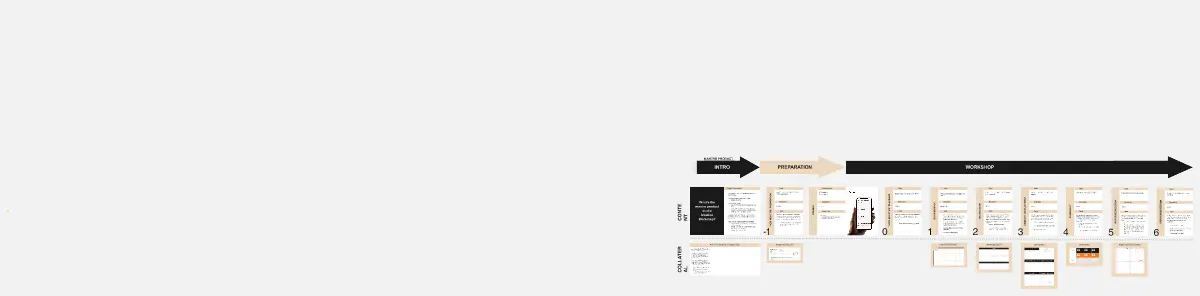
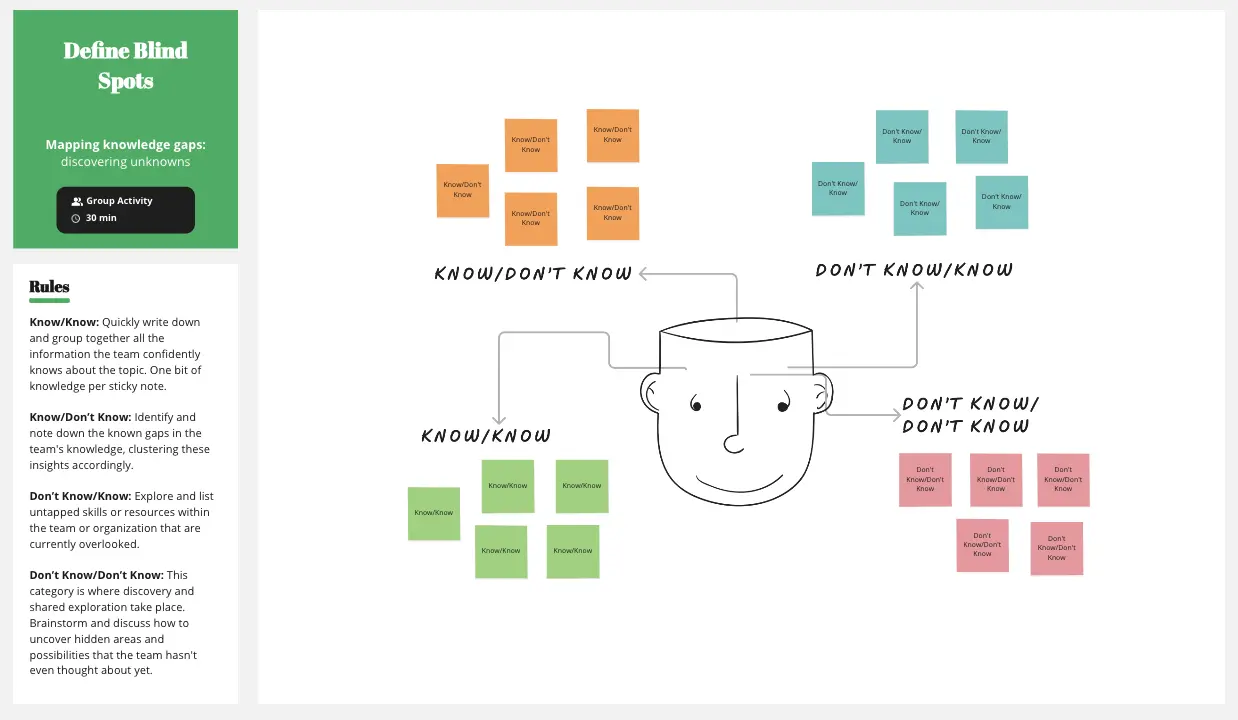
An ideation workshop template is a visual workspace designed to push a team past their first (and usually most boring) thoughts. It uses "provocation techniques" to help participants look at a problem from new angles. A professional template isn't just a blank page for sticky notes; it’s a guided journey that separates the Creation Phase (Quantity) from the Selection Phase (Quality).
The "Innovation" Audit: 3 Ways to Unlock Breakthroughs
Most ideation fails because people edit themselves before they speak. Before starting your next session on Miro, apply these three expert "health checks":
1. The "Quantity over Quality" Audit
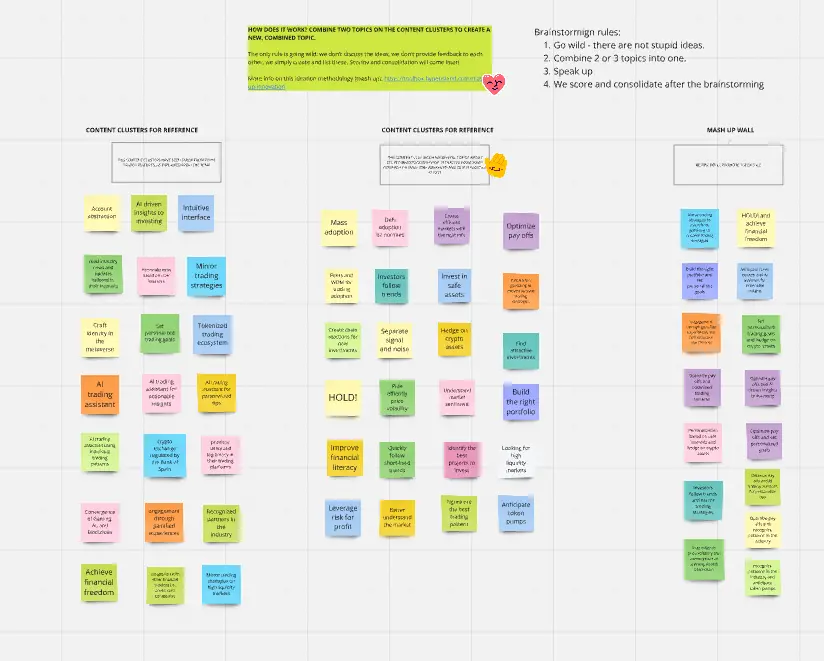
The Audit: Is your team spending 10 minutes debating a single idea during the brainstorm? The Fix: Audit for Flow. A professional ideation template must enforce Time-Boxing. Use the "Crazy 8s" method: 8 ideas in 8 minutes. By forcing speed, you bypass the "Internal Critic" and reach the subconscious, wilder ideas that actually lead to innovation.
2. The "Perspective Shift" Test
The Audit: Is your team only thinking about the problem from their own job title's perspective? The Fix: Audit for Empathy & Analogy. Use "Role Storming" in your template. Ask: "How would Disney solve this customer service issue?" or "How would IKEA package this software?" Stealing mental models from other industries is the fastest way to break a "Stuck" mindset.
3. The "Anti-Problem" Guardrail
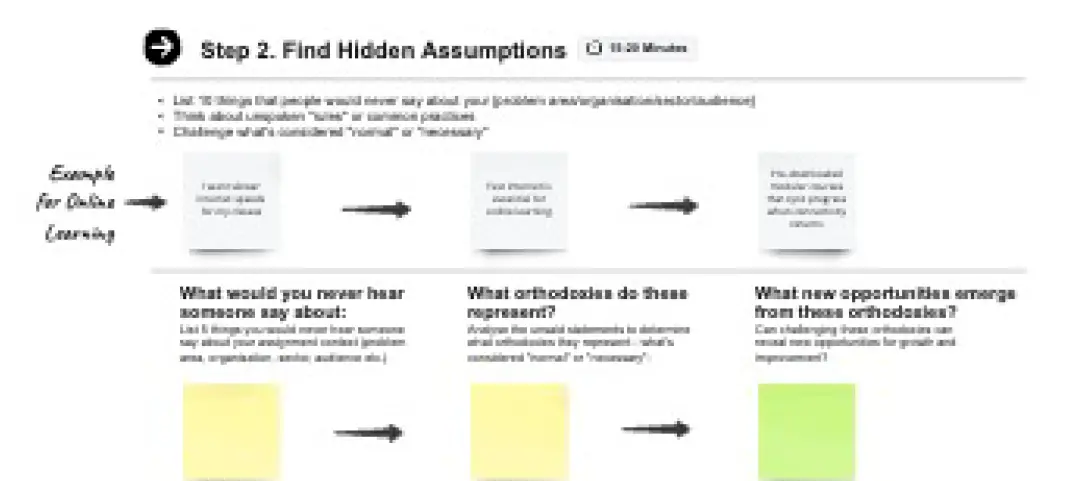
The Audit: Is the team stuck in a loop of "We can't do that because..."? The Fix: Audit for Reverse Brainstorming. Instead of asking "How do we make this better?", ask "How could we make this the absolute worst experience possible?" It is often easier to identify how to ruin a product, and the "Inversion" of those bad ideas usually reveals the most important "Must-Haves."
Strategic Frameworks: Which Ideation Template Do You Need?
Select the Miro template that matches your team’s "Creative Maturity":
Key Components of an Ideation Workshop Template
A high-performance Ideation Board requires these five core elements:
The Inspiration Gallery: A space for competitive research, customer quotes, and mood boards to prime the brain.
The "HMW" (How Might We) Anchor: The central question of the workshop pinned to the top of every frame.
The Timer & Music: Digital tools to keep the energy high and the pace fast (silence is the enemy of ideation).
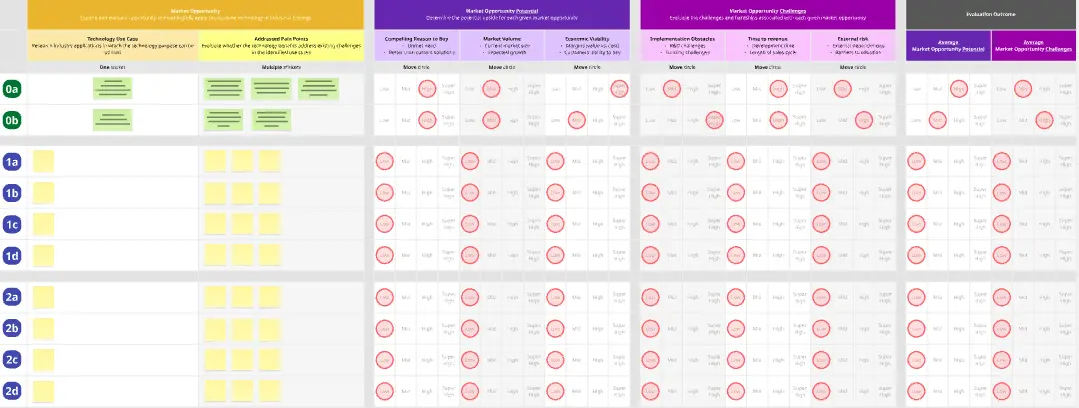
The NUF Test (New, Useful, Feasible): A scoring matrix used after the brainstorm to filter the best ideas.
The Concept Poster: A dedicated space for the "Winning Ideas" to be fleshed out with a name, a sketch, and a value prop.
Common Pitfalls in Brainstorming