Climate Change Solutions — Systemic Mindmap
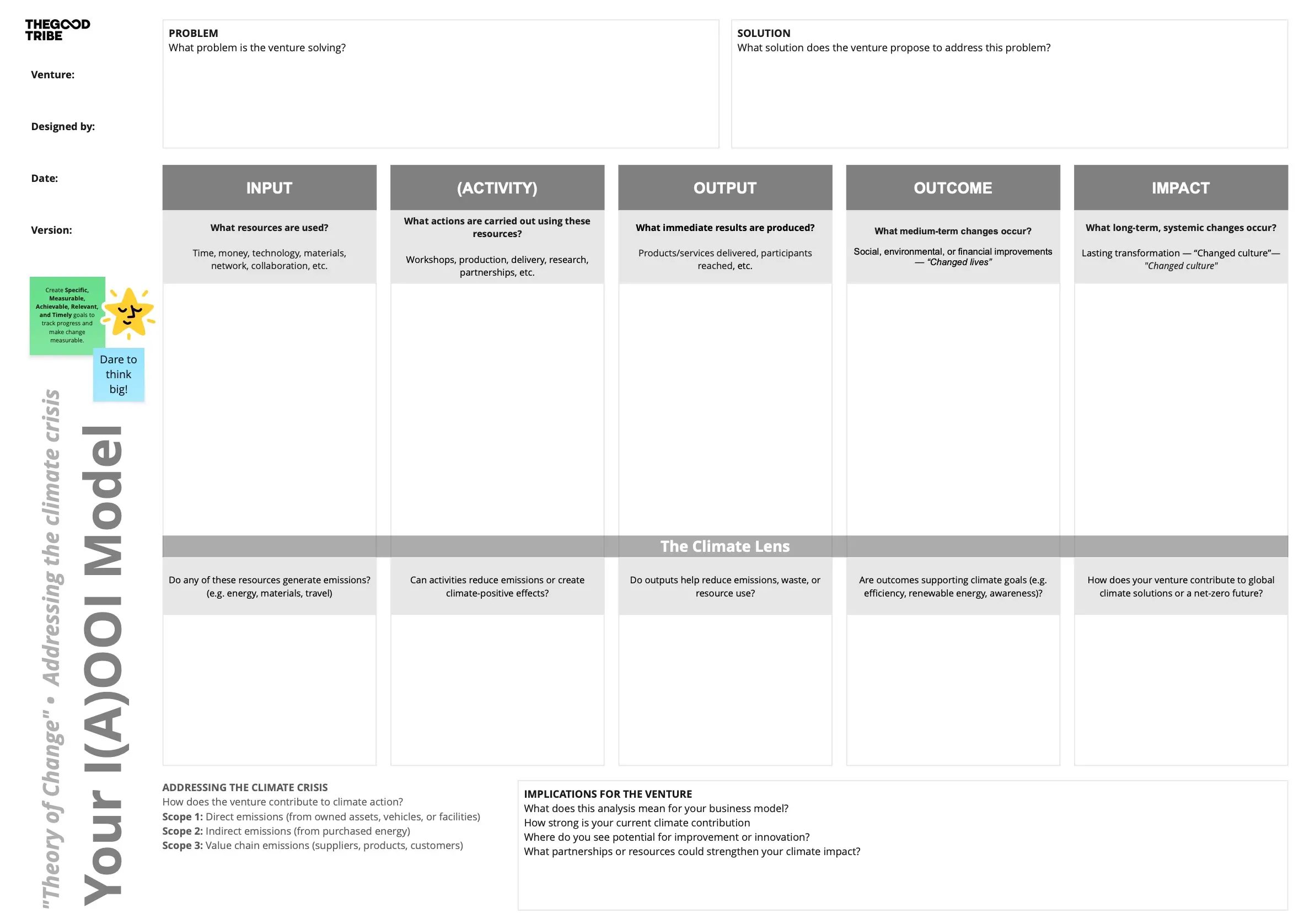
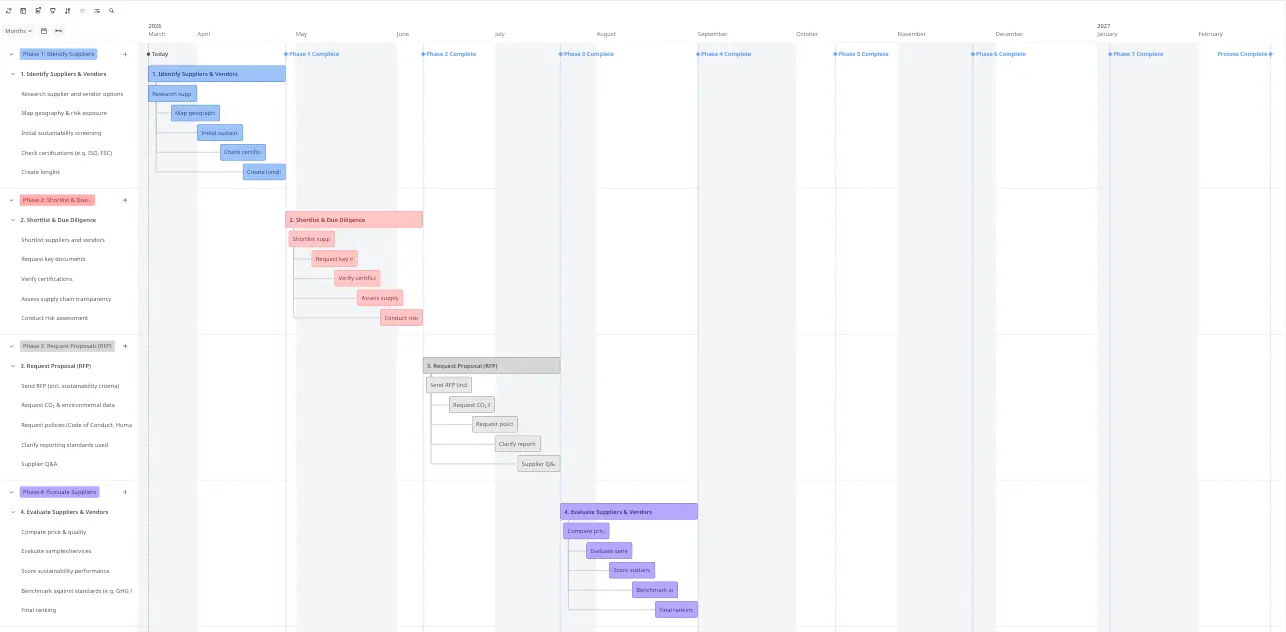
This mindmap is a practical, systems-based tool designed to help businesses understand and act on climate change beyond isolated initiatives.
Addressing climate change is not about single actions or sector-specific fixes. It requires a fundamental rethinking of how our core systems — energy, food, cities, and economies — are designed and interconnected. Climate solutions are deeply interdependent: transforming one system inevitably affects others.
This framework highlights where the greatest leverage for change lies:
redesigning systems, not just optimising them
aligning policy and business strategy with long-term climate goals
redirecting capital towards regenerative and low-carbon solutions
At its core, climate action is about transforming the structures of modern life — shifting from extractive, high-carbon systems to ones that are resilient, circular, and aligned with planetary boundaries.
How to use this mindmap (for businesses)
Use this tool to move from fragmented sustainability efforts to systemic transformation:
Identify leverage points
Pinpoint where your organisation can create the greatest impact — across operations, supply chains, products, and partnerships.
Map interdependencies
Understand how decisions in one area (e.g. energy, materials, procurement) influence emissions, biodiversity, and social outcomes.
Move beyond incremental change
Shift from isolated initiatives to system-level transformation aligned with circular and low-carbon principles.
Align with policy and finance trends
Anticipate regulation, carbon pricing, and capital shifts — and position your business strategically.
Drive innovation
Explore new approaches such as:
Engage stakeholders
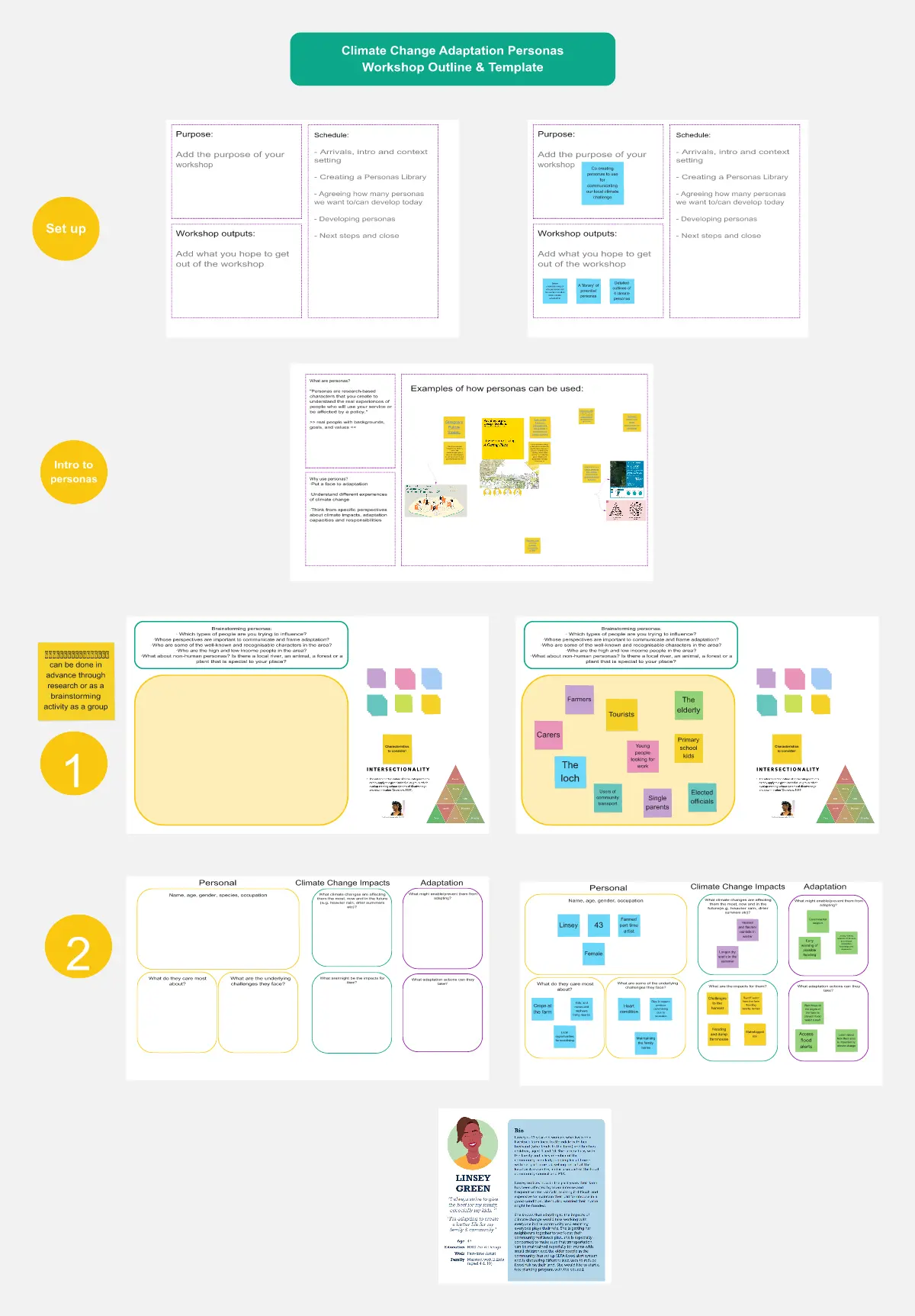
Use the mindmap to facilitate conversations and build shared understanding across teams, partners, and clients.
Integrate into ESG and strategy
Connect climate action to risk management, reporting, and long-term value creation.
What’s inside
The mindmap covers interconnected solution areas, including:
Energy system transformation
Industry and materials
Cities and the built environment
Transport and mobility
Food systems and agriculture
Nature-based solutions and carbon removal
Economic and financial systems
Governance, policy, and global cooperation
Behavioural and cultural change
Innovation and emerging technologies
Sources
World Resources Institute
https://www.wri.org/strategic-plan/achieving-systemic-change
https://www.wri.org/insights/climate-impact-behavior-shifts
Greenpeace
https://www.greenpeace.org.uk/challenges/climate-change/solutions-climate-change/
https://www.greenpeace.org/mena/en/what-are-the-solutions-to-climate-change/
MIT Climate Portal
https://climate.mit.edu/what-can-be-done-about-climate-change
Imperial College London
https://www.imperial.ac.uk/stories/climate-action/
Natural Resources Defense Council
https://www.nrdc.org/stories/what-are-solutions-climate-change
One Tree Planted
https://onetreeplanted.org/blogs/stories/ways-to-stop-climate-change
Scientific review
https://pmc.ncbi.nlm.nih.gov/articles/PMC10585315/
United Nations
https://www.un.org/en/actnow/ten-actions
Note:
This mindmap is a beta version — an evolving framework designed to support systemic climate action in business.
Created by The Good Tribe and shared under a Creative Commons Attribution 4.0 International (CC BY 4.0) licence. Feel free to use, share, and adapt — please credit the source.