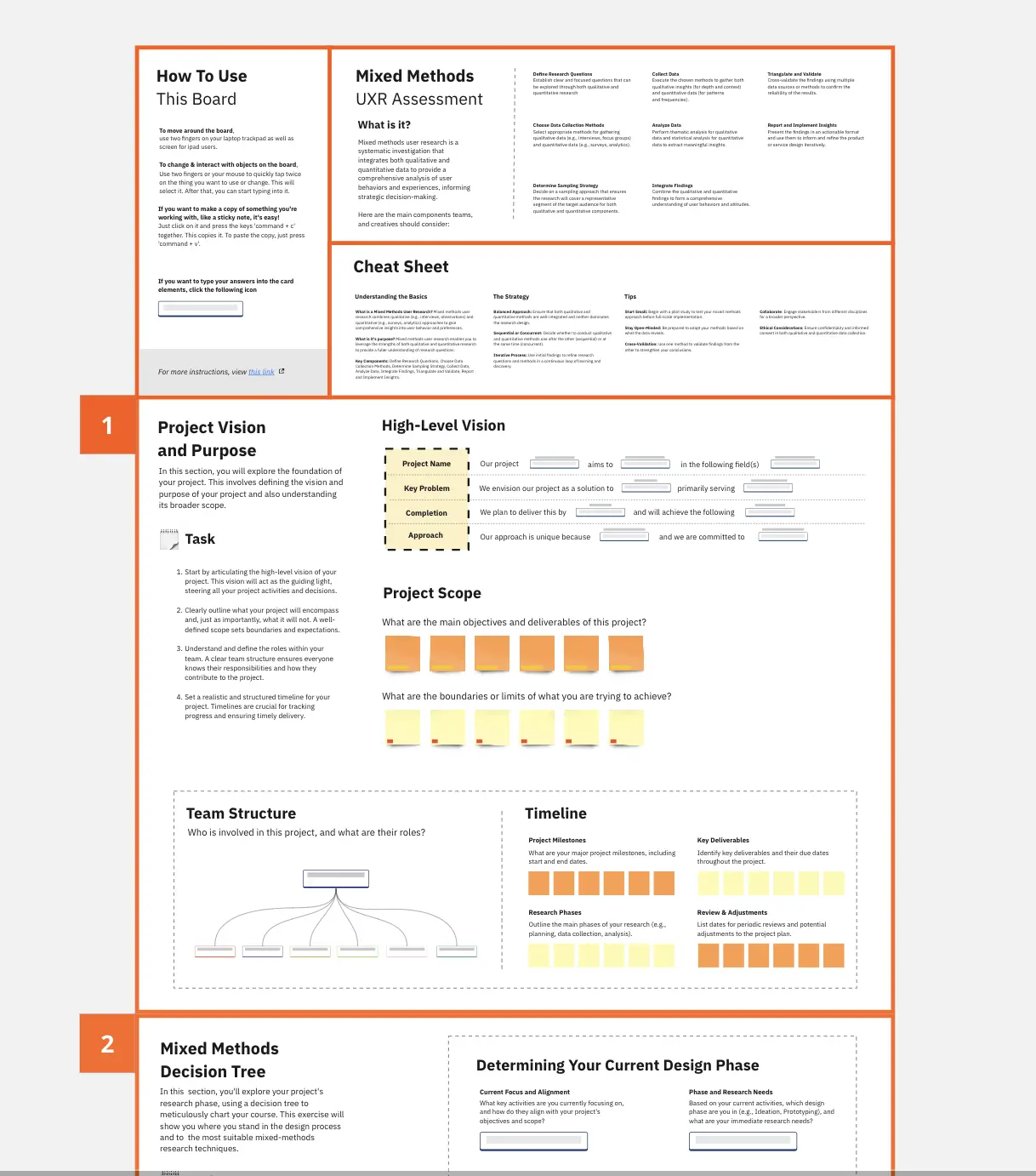
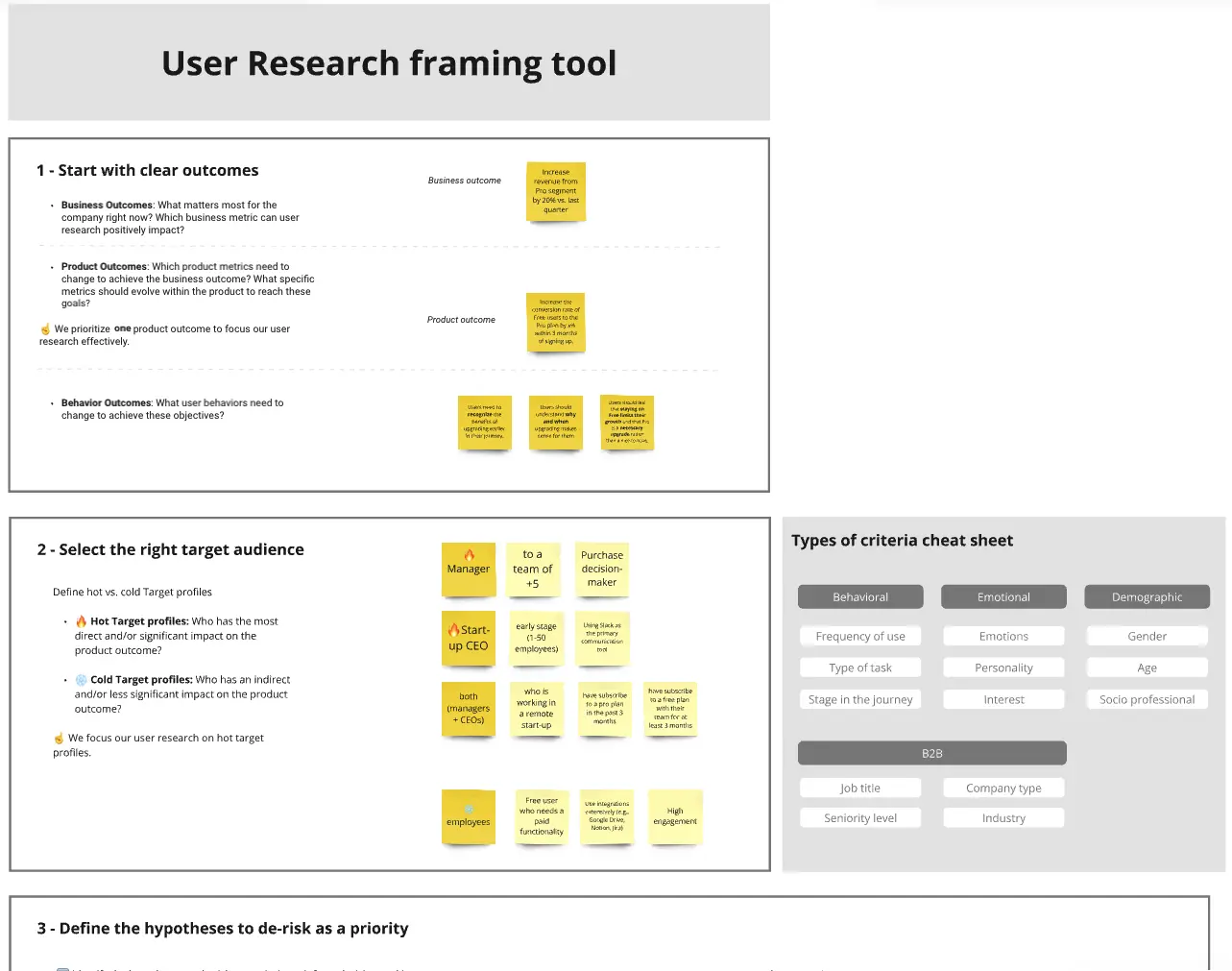
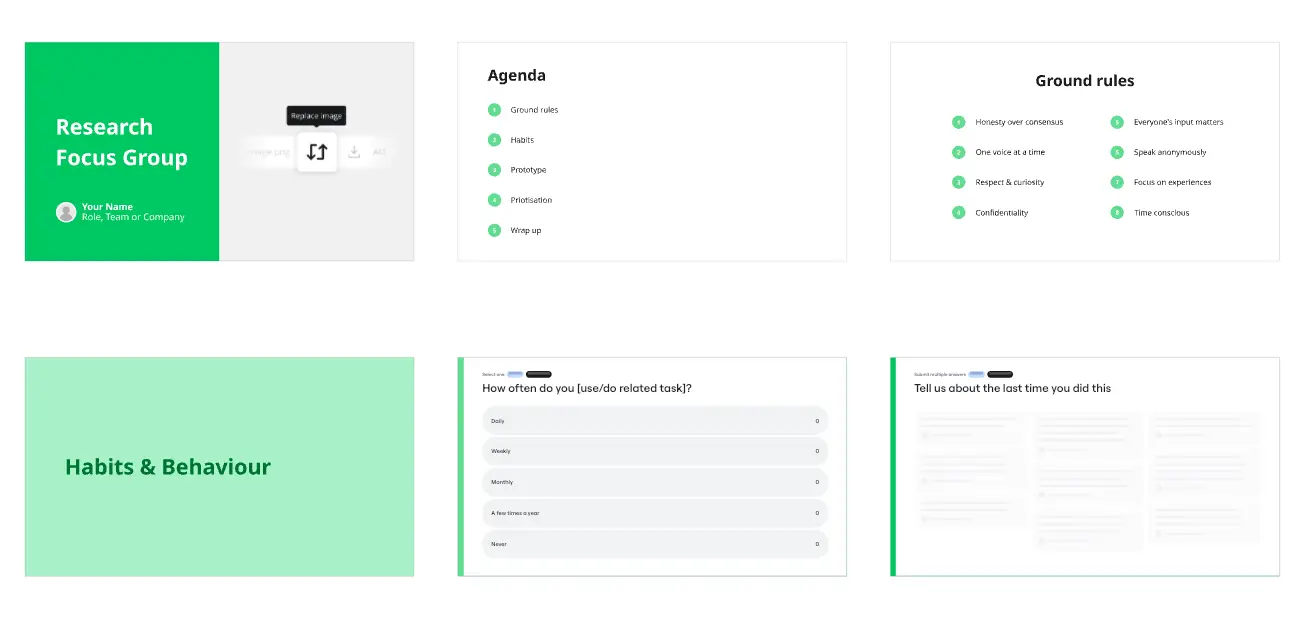
What is a User Research Template?
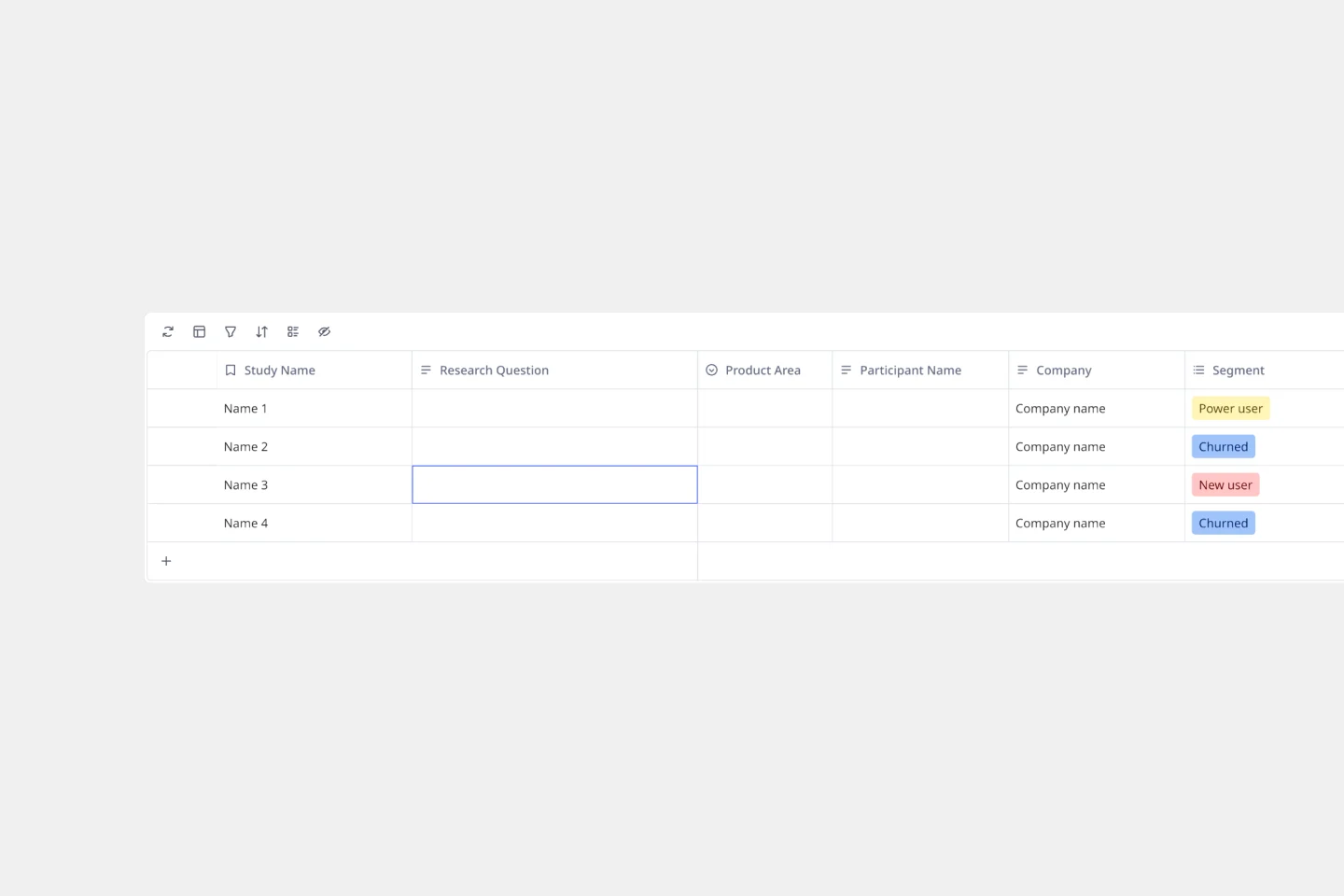
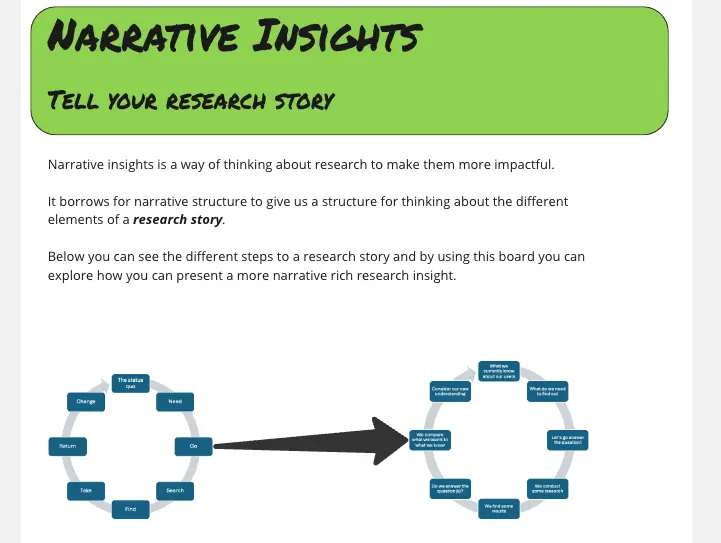
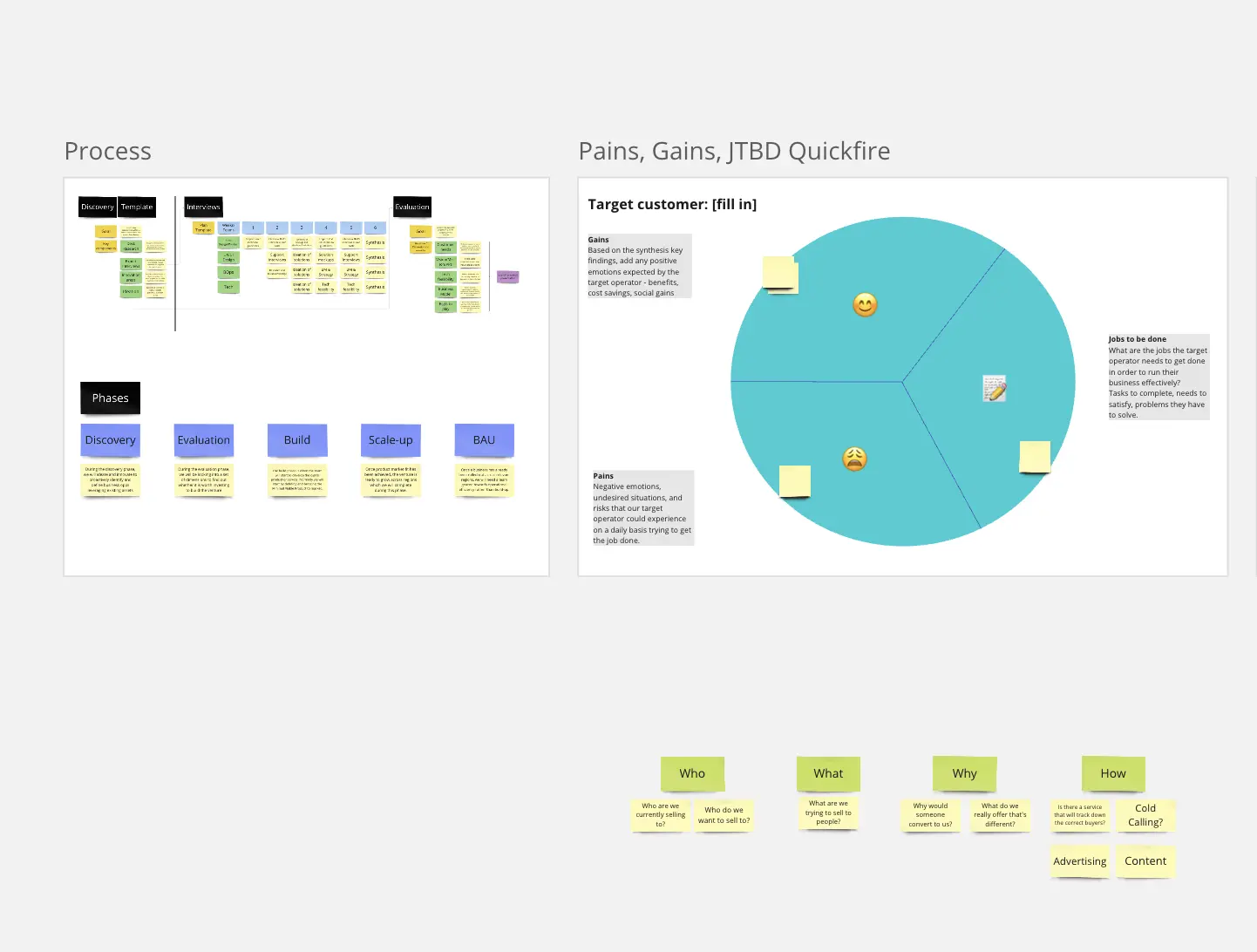
A user research template is a standardized framework used to plan, execute, and analyze studies about user needs, behaviors, and pain points. It acts as the "source of truth" for a research project, ensuring that findings are documented consistently so they can be shared with stakeholders. From the initial Research Plan to the final Insights Report, these templates prevent "Research Debt" by making data searchable and actionable.
The "Validity" Audit: 3 Ways to Ensure High-Signal Data
Research is only as good as the methodology behind it. Before sharing your Miro board with the product team, apply these three expert "health checks":
1. The "Research Question" Alignment
The Audit: Is your research goal too broad (e.g., "Learn about users")? The Fix: Audit for Specific Objectives. A professional research template starts with a Primary Research Question (e.g., "What prevents small business owners from completing the tax setup?"). If your questions are too vague, your data will be "interesting" but not "useful." Every interview or test must serve the objective.
2. The "Triangulation" Test
The Audit: Are you relying on a single source of data (e.g., just five interviews)? The Fix: Audit for Methodological Balance. Use your template to track different data types:
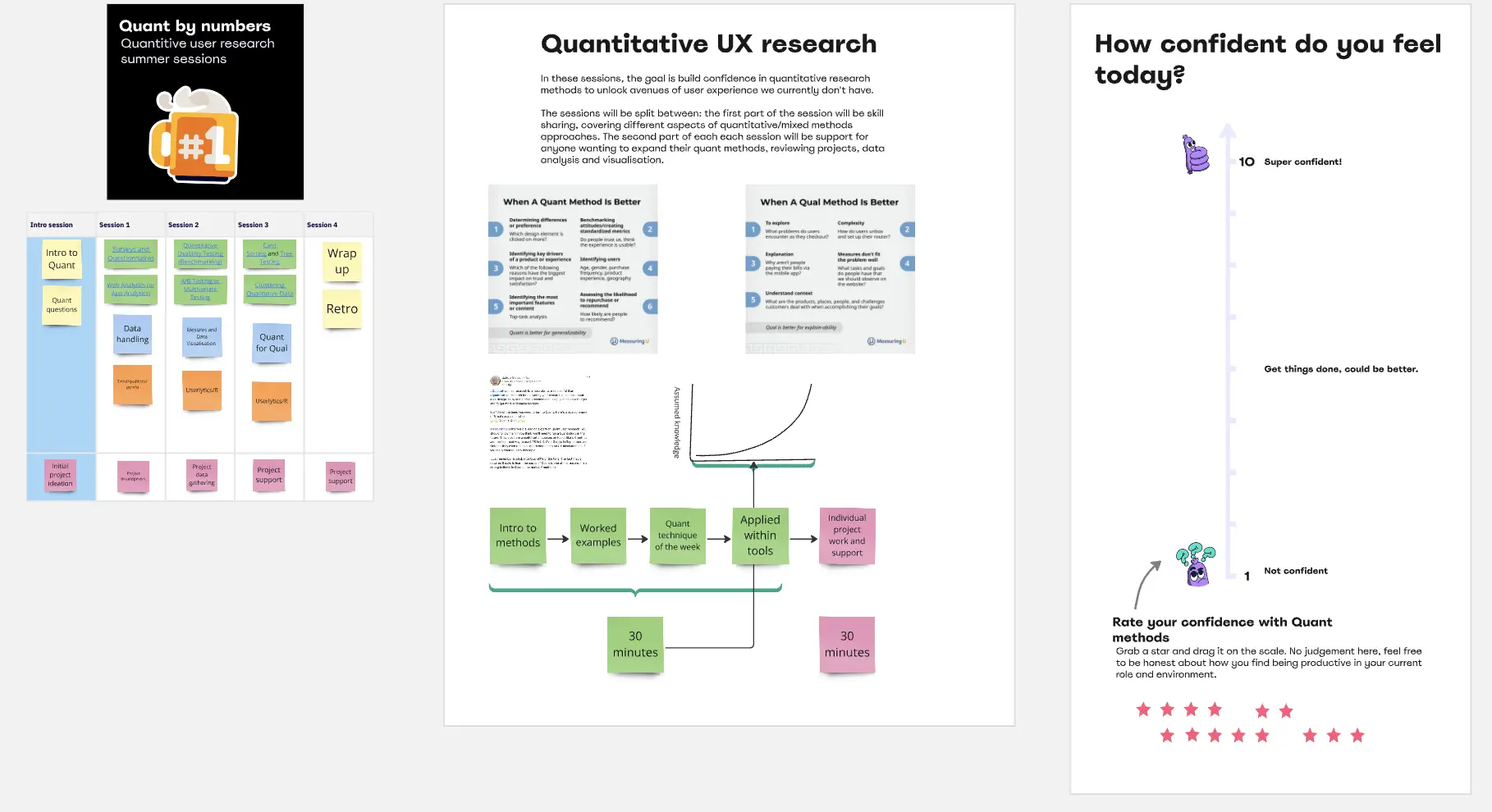
Qualitative (The Why): Interviews, Diary Studies.
Quantitative (The What): Surveys, Analytics, A/B Test results. True insight lives at the intersection. If your qualitative findings contradict your analytics, you’ve found a "Discovery Goldmine" that needs more investigation.
3. The "Insight vs. Observation" Audit
The Audit: Is your final report just a list of things users did? The Fix: Audit for Synthesis. An Observation is "The user clicked the wrong button." An Insight is "Users mistake the 'Save' icon for 'Download' because of their experience with legacy software." A professional template must include a "So What?" section for every finding.
Strategic Frameworks: The Essential User Research Toolkit
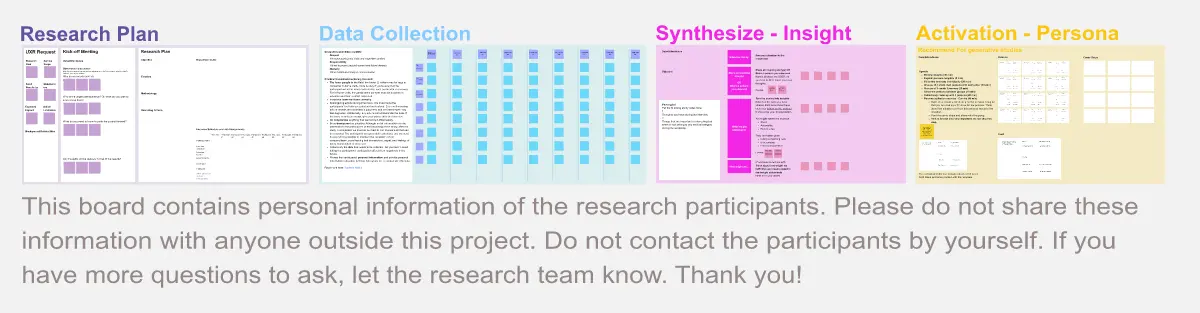
A professional research cycle requires four distinct templates to manage the flow of information:
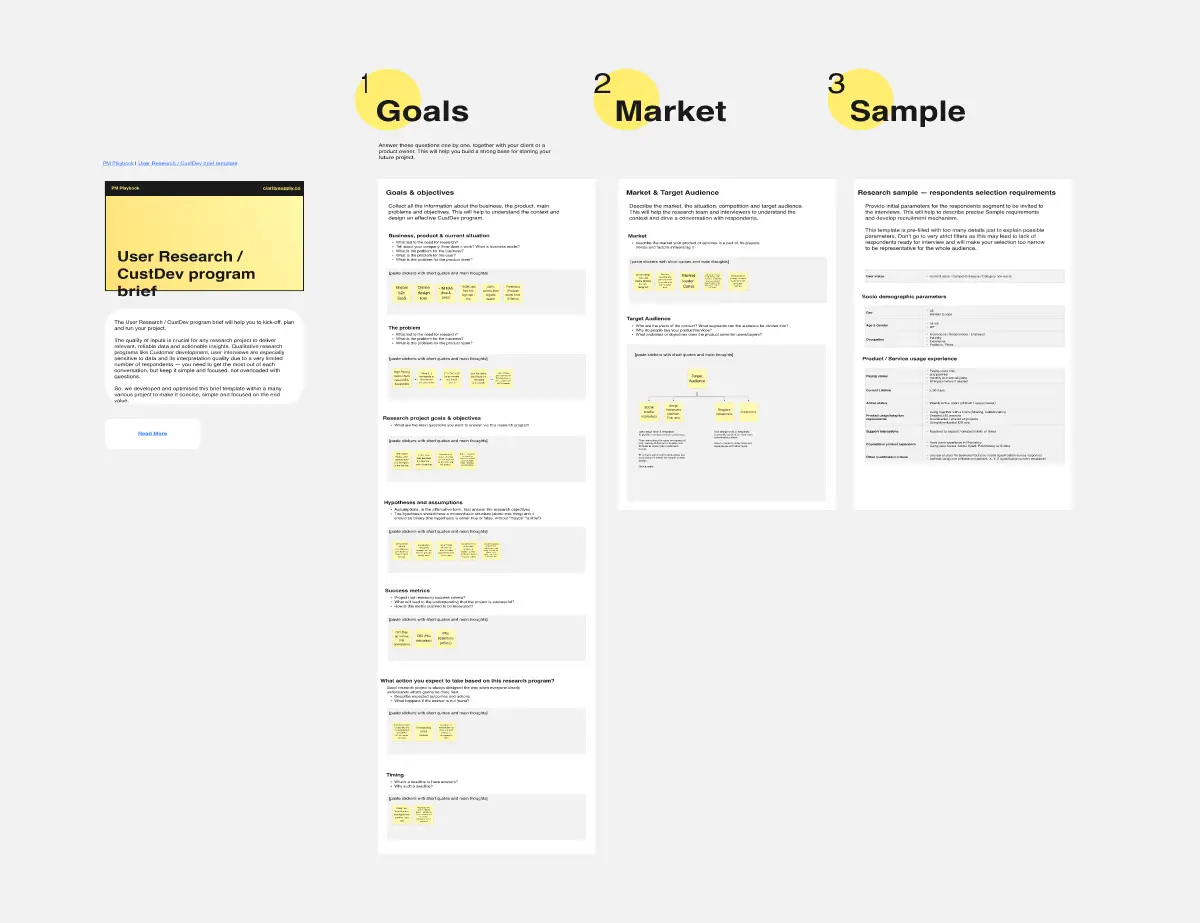
1. The Research Plan
Goal: To align stakeholders on the "Who, What, Why, and When."
Key Components: Background, Objectives, Participants, Methodology, and Timeline.
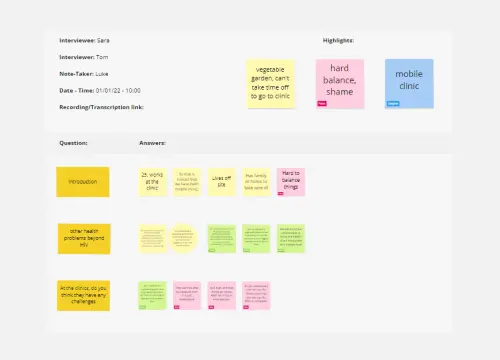
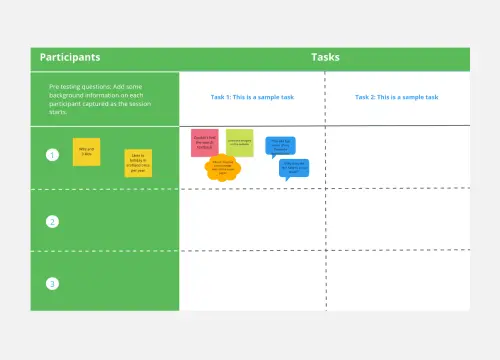
2. The Interview / Usability Guide
Goal: To ensure the researcher asks the same questions every time.
Key Components: Intro Script, Warm-up, Core Tasks/Questions, and Wrap-up.
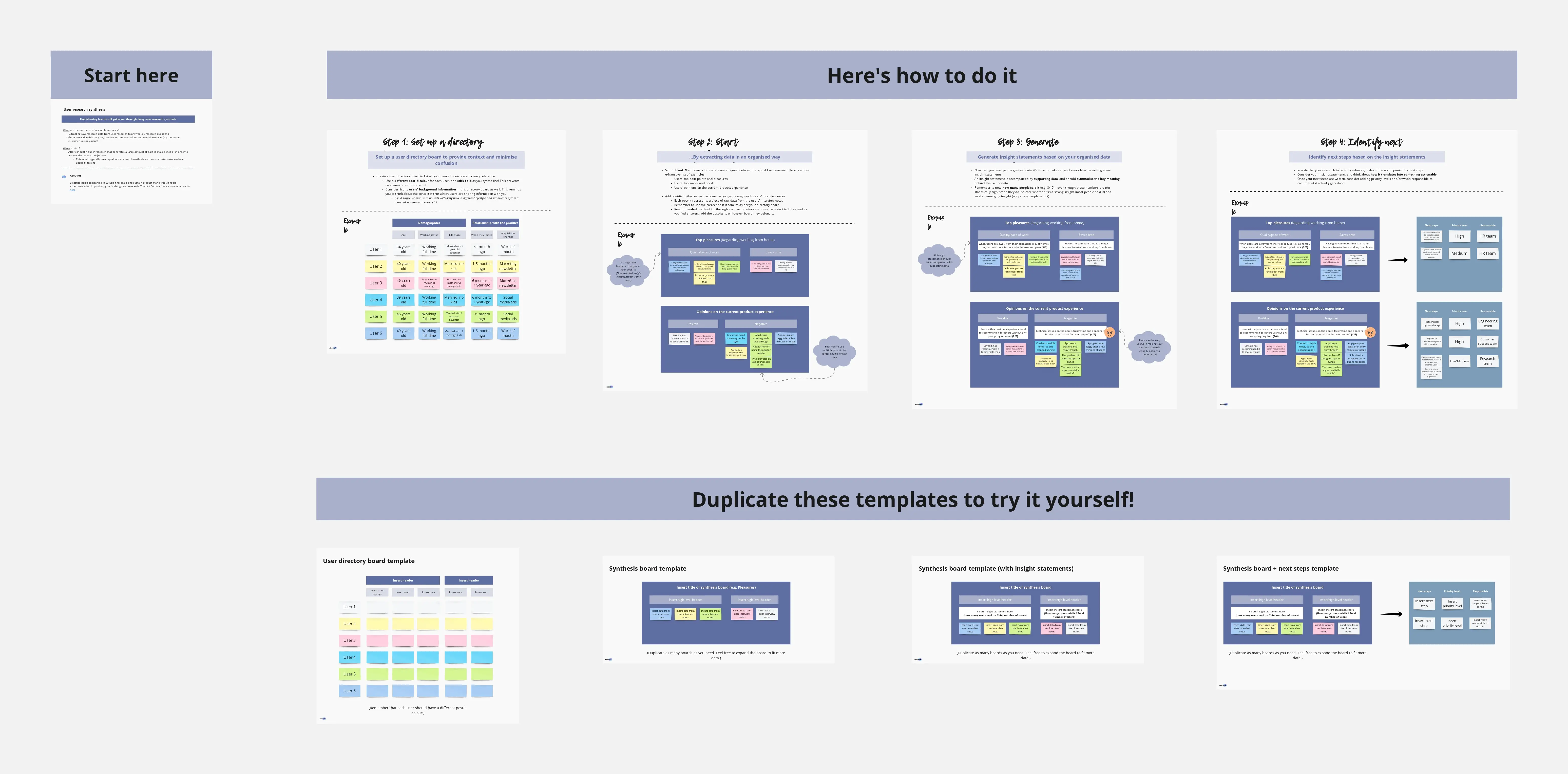
3. The Synthesis / Affinity Map
Goal: To find patterns in a mountain of sticky notes.
Key Components: Categories for "Behaviors," "Pain Points," "Quotes," and "Opportunities."
4. The Insights Report (The Share-out)
Goal: To tell a story that drives design changes.
Key Components: Executive Summary, Key Findings (with video clips), and Recommendations.
Key Components of a User Research Template
A high-performance research board requires these five core elements:
Participant Screener: The criteria used to find the "Right Users" (Demographics + Behaviors).
The Hypothesis List: What you think you know before the research starts.
The "Evidence Gallery": A dedicated space for screenshots, video snippets, and audio recordings.
The Insight Ranking: A way to prioritize findings based on Severity and Frequency.
The Decision Log: A record of what product changes were made based on this research.
Common Pitfalls in User Research

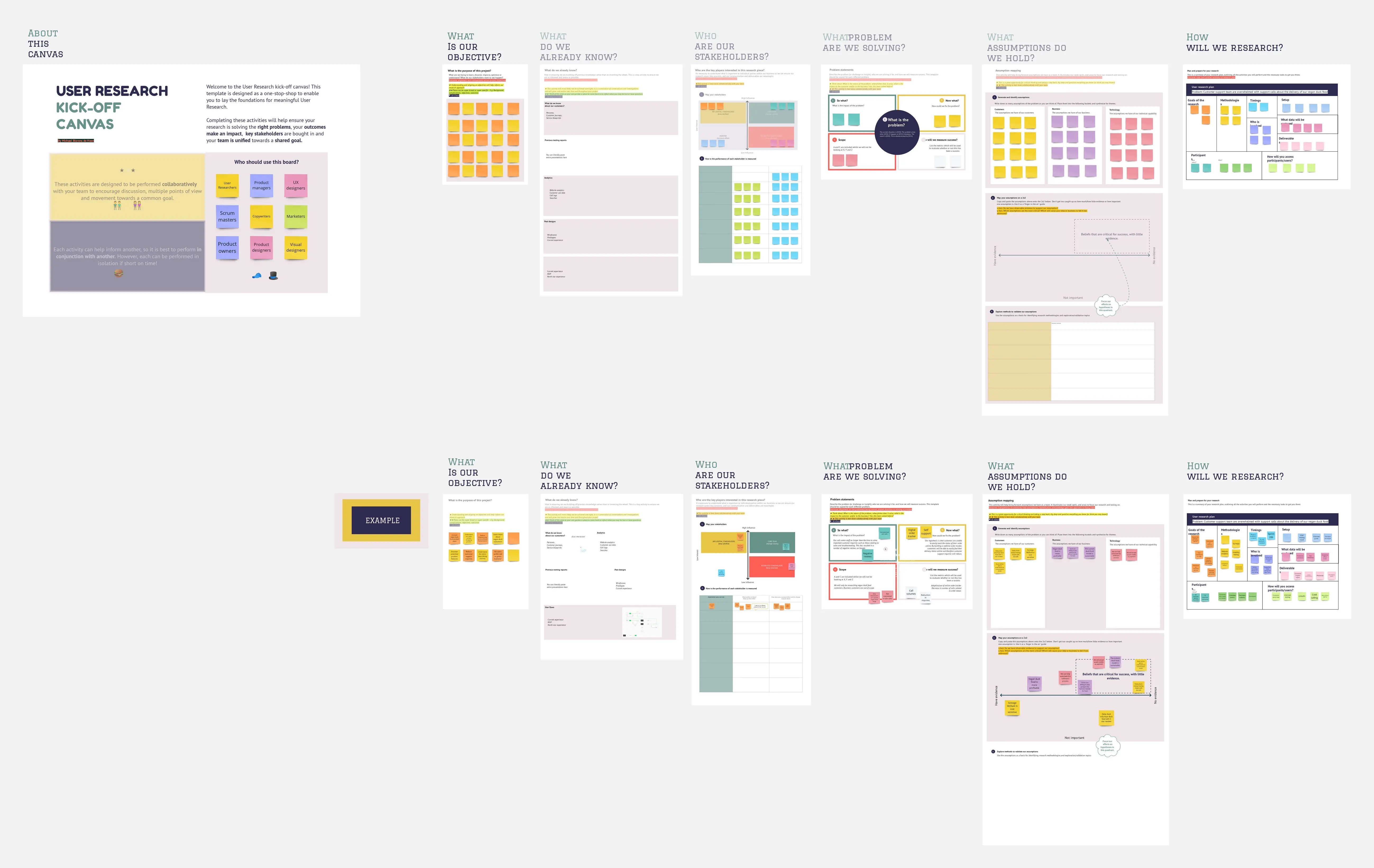
![User Research [#HowIDoItInMiro]](https://template-metadata-service-static.miro.com/images/templates/2VI5jWD0AfGTSu36U3g3xP/preview-1707826257698.webp)
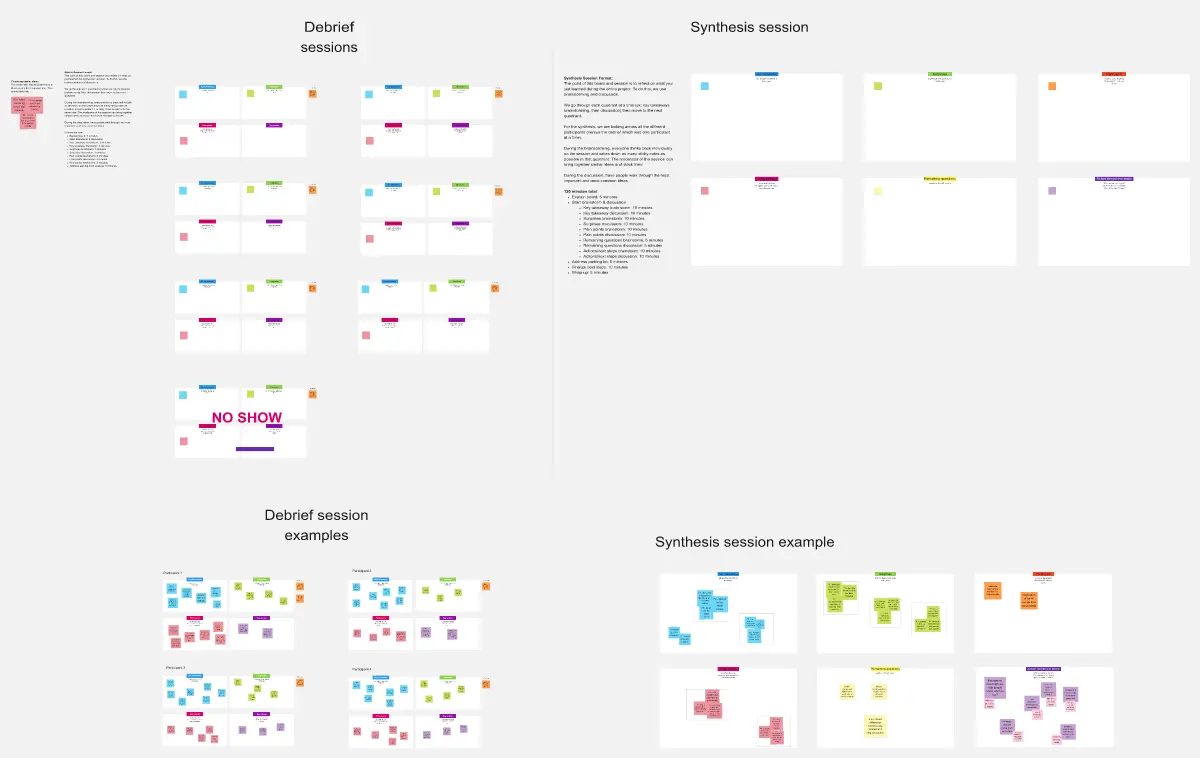
![User Research Analysis [Affinity Mapping]](https://template-metadata-service-static.miro.com/images/templates/20TejoKDTXOdux5AZluZ6C/preview-1705845720926.webp)