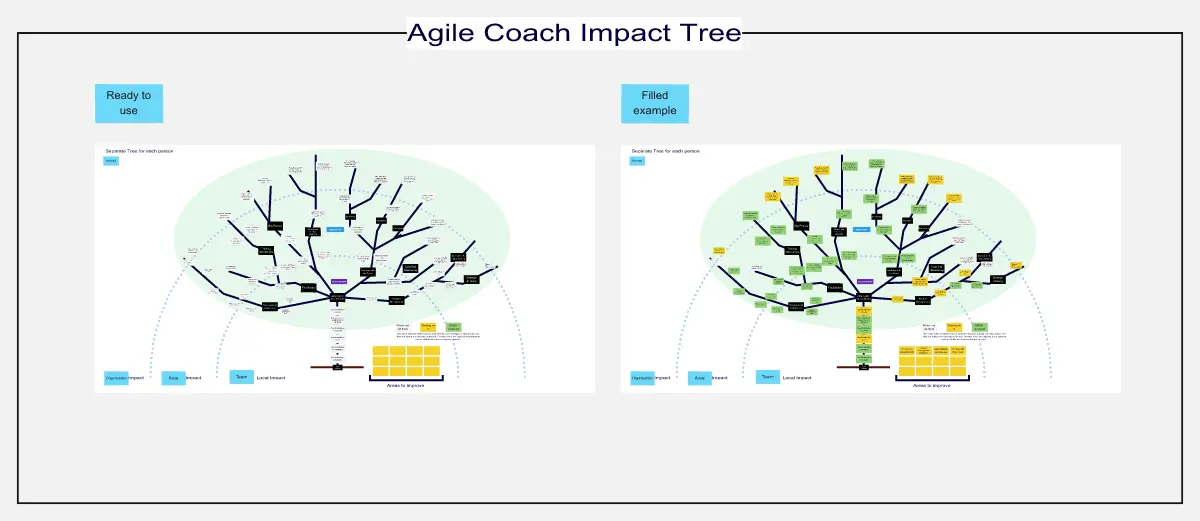
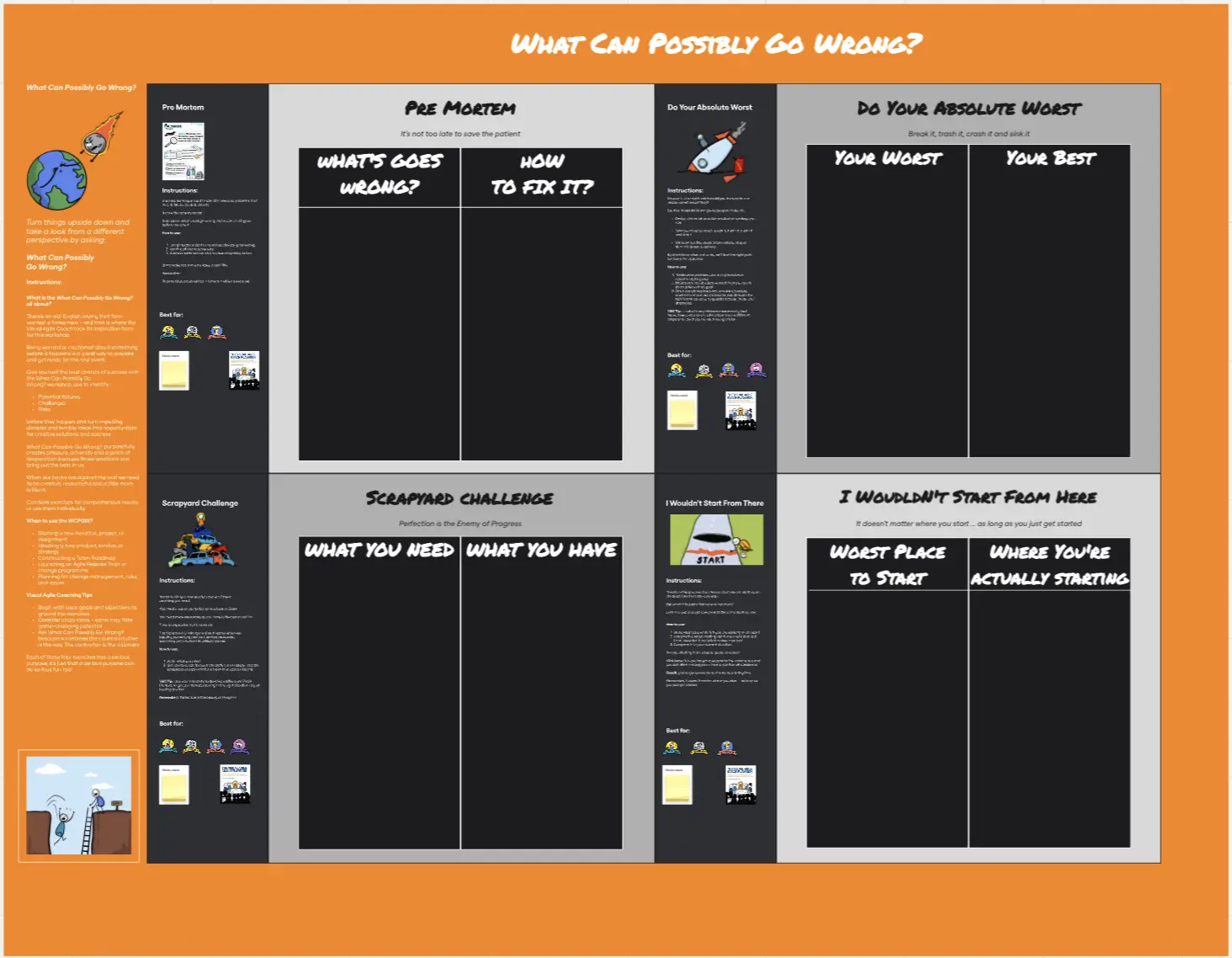
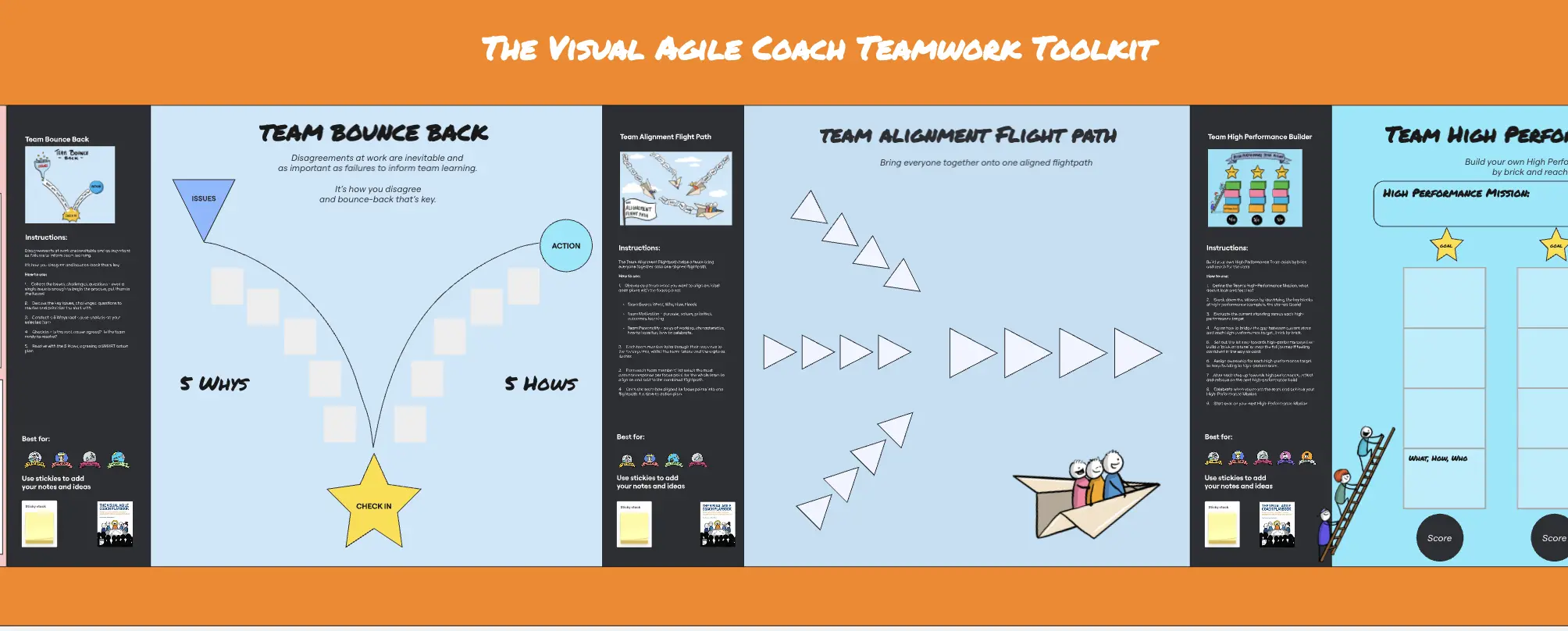
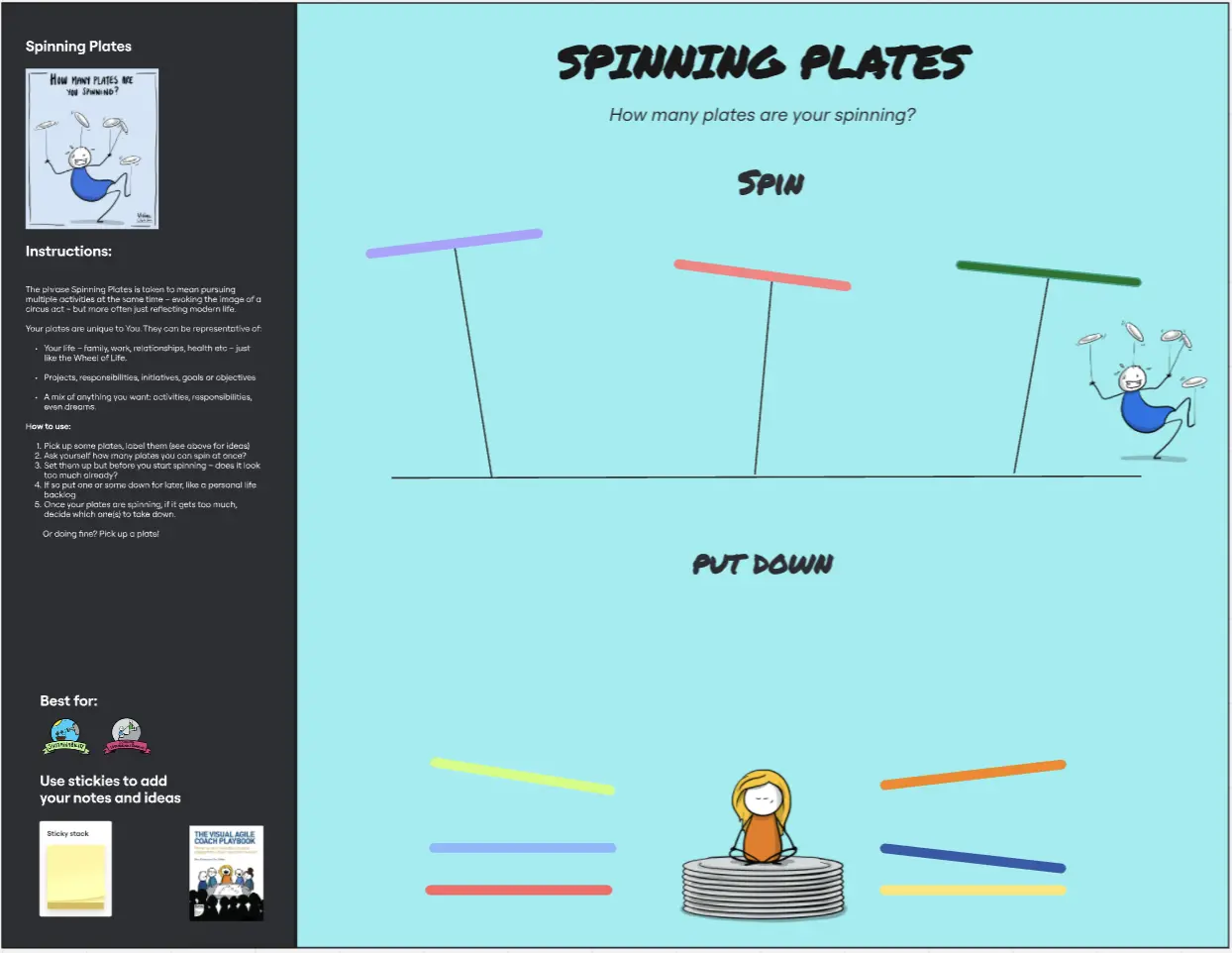
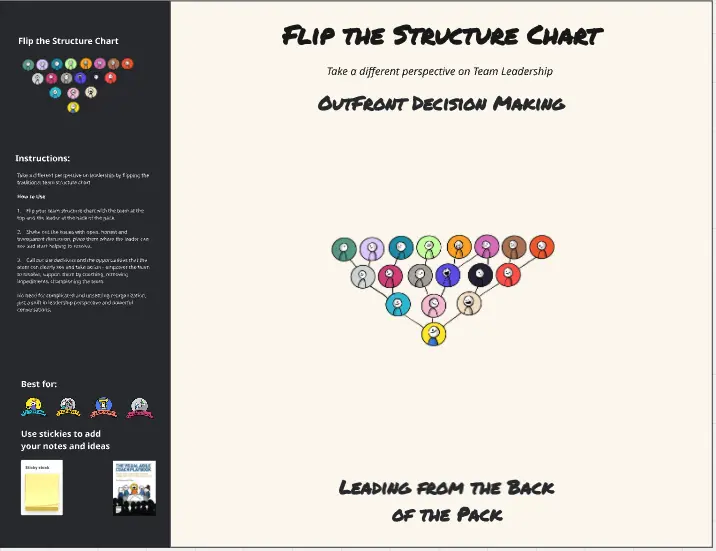
What is an Agile Coaching Template?
An Agile coaching template is a structured diagnostic and facilitation tool used by Scrum Masters and Agile Coaches to observe, mentor, and improve team performance. It acts as a "Mirror" for the team, reflecting their current habits against high-performance benchmarks. From Team Health Radars to Coaching Agreement Canvases, these templates ensure that coaching interventions are data-driven rather than just based on "gut feeling."
The "Coaching Stance" Audit: 3 Ways to Drive Change
A coach is only effective if they know when to "Push" and when to "Pull." Before starting your next session on Miro, apply these three expert "health checks":
1. The "Stance" Alignment Audit
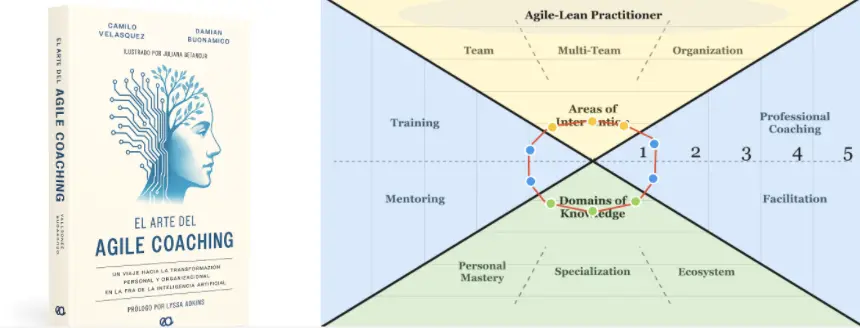
The Audit: Are you always "Teaching" (telling them what to do) and never "Coaching" (asking them what they think)? The Fix: Audit for The 8 Coaching Stances. A professional coach must consciously choose a stance for every interaction:
Teacher: Explaining the Scrum Guide or Kanban principles.
Mentor: Sharing "real-world" experience from previous teams.
Professional Coach: Asking open-ended questions to let the team find their own solution.
Facilitator: Remaining neutral while managing the group's process. If your template doesn't identify which "Stance" you are using, you are likely just an "Agile Consultant."
2. The "Systemic Impediment" Test
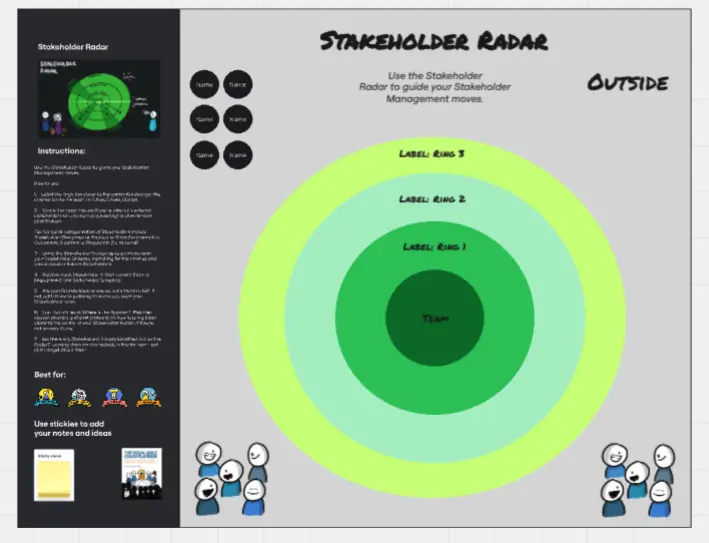
The Audit: Are you only coaching the "Team" while ignoring the "Leadership" that blocks them? The Fix: Audit for Organizational Flow. A high-level coaching template must include an "Impediment Board" that tracks issues outside the team's control (e.g., "Slow hardware procurement" or "Conflicting KPIs"). If you only fix the team's rituals without fixing the company's barriers, the team will eventually burn out.
3. The "Psychological Safety" Guardrail
The Audit: Is your "Health Radar" making people feel "Graded" instead of "Supported"? The Fix: Audit for Trust. Use Anonymous Voting in your templates. When measuring "Safety" or "Conflict Resolution," team members must feel they can speak the truth without retaliation. If your coaching data is "Perfect," it is usually a sign of a "Fear-Based Culture," not a high-performing one.
Strategic Frameworks: The Essential Coaching Toolkit
A professional Agile Coach uses four distinct templates to manage a transformation:
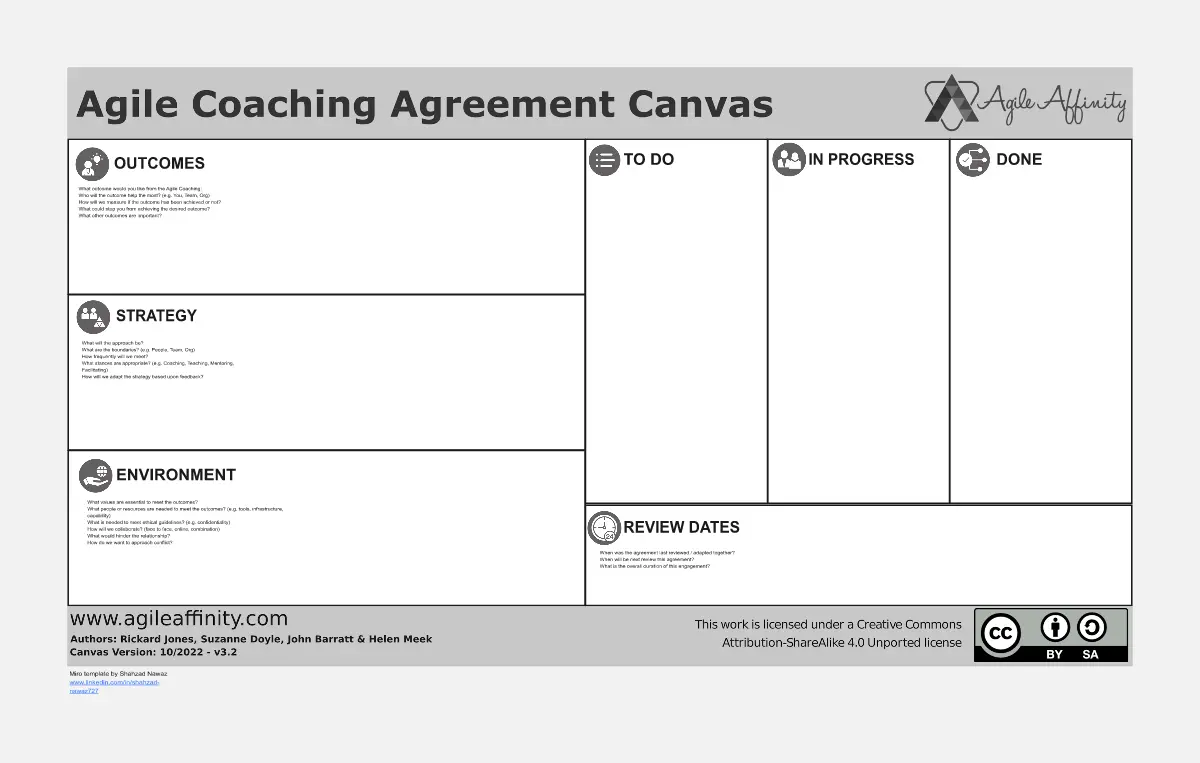
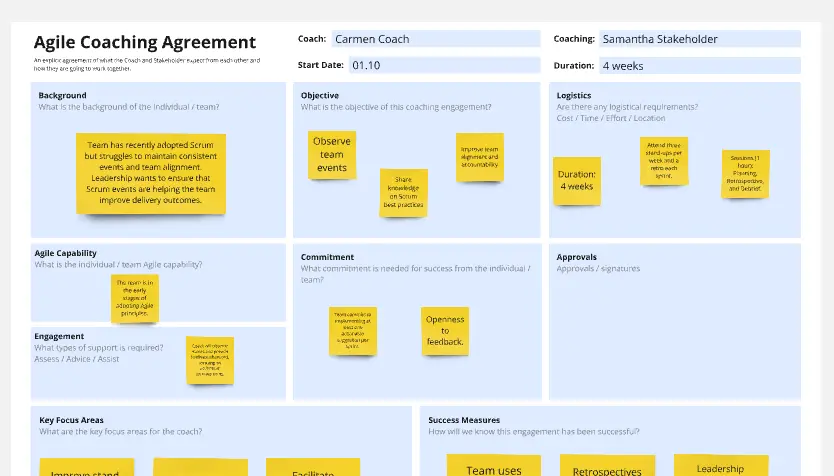
1. The Coaching Agreement Canvas
Goal: To define the "Relationship" between the coach and the team.
Key Components: Goals of the coaching, how feedback is given, and "When we are done."
2. The Agile Maturity / Health Radar
Goal: To visualize where the team is struggling vs. thriving.
Key Components: Metrics for Flow, Quality, Value, and Culture.
3. The "Three-Question" Observation Log
4. The Retro-of-Retros (The Scaling Board)
Goal: To align multiple teams on shared challenges.
Key Components: Dependencies, Shared Risks, and Cross-Team Wins.
Key Components of an Agile Coaching Template
A high-performance Coaching Board requires these five core elements:
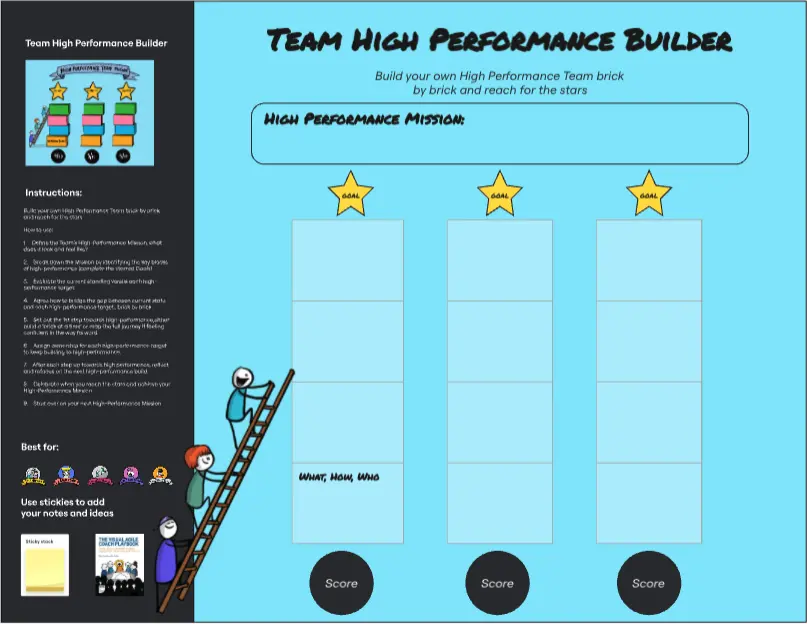
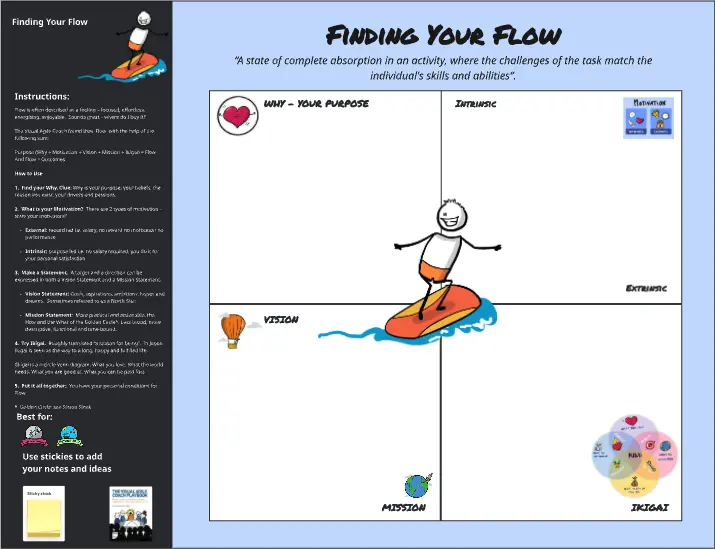
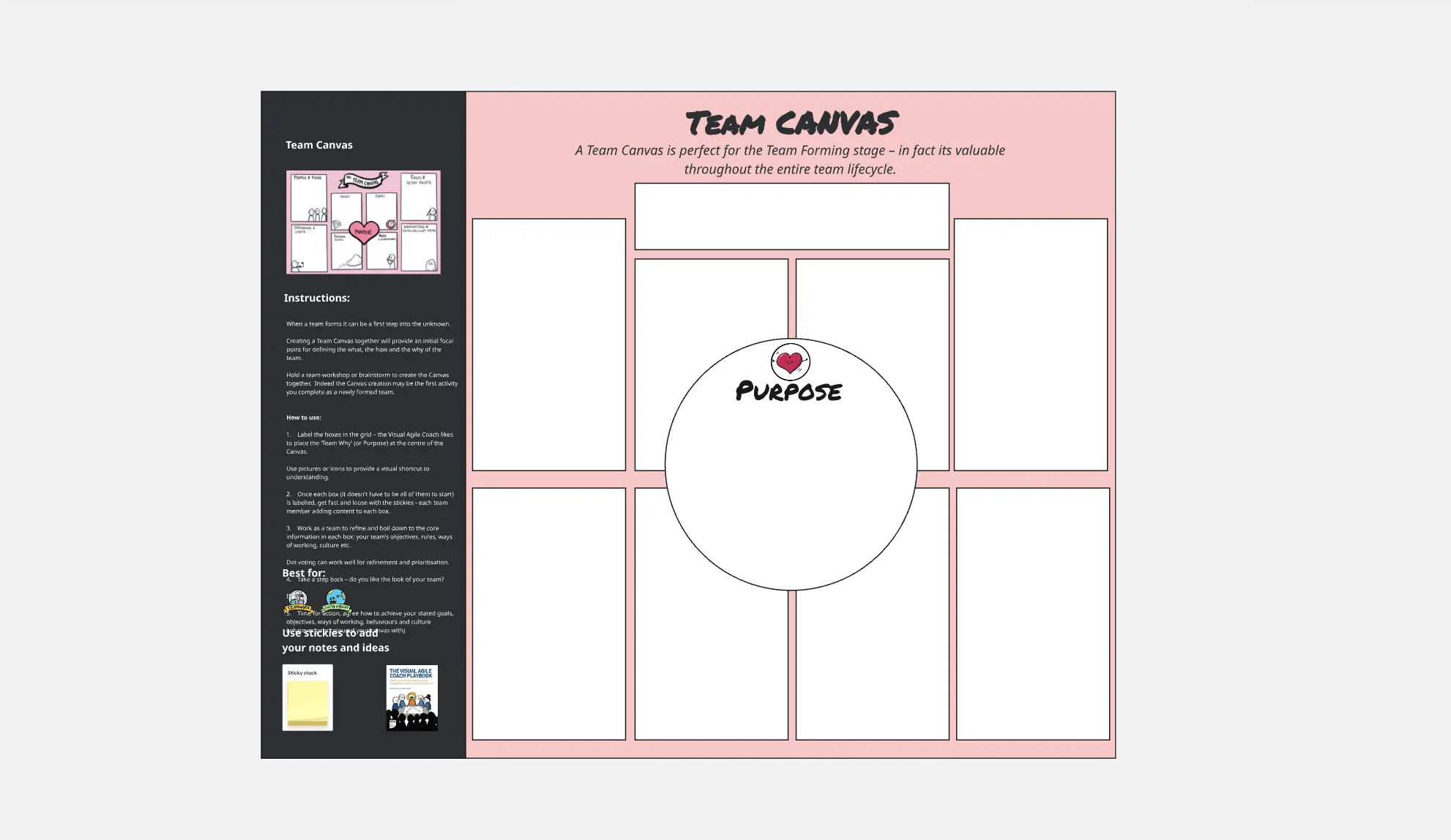
The Team "Why": A pinned mission statement to remind the team why they are changing.
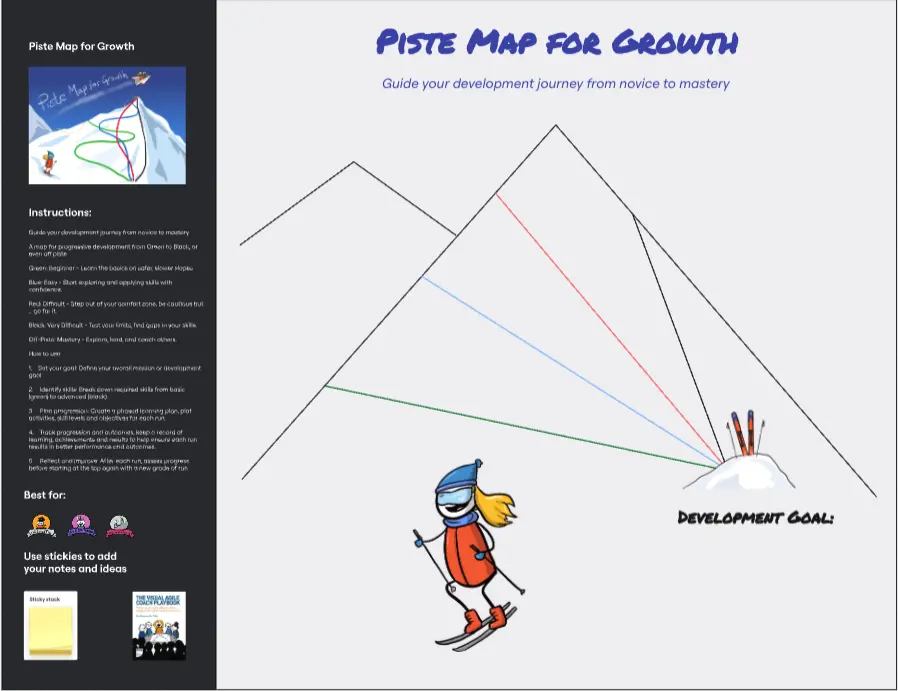
The Maturity Scale: A clear "Level 1 to 5" description for different Agile behaviors.
The "Action Item" Tracker: A place to turn "Retrospective Whining" into Experimentation.
The Feedback Wall: A space for the team to coach the coach (modeling vulnerability).
The Resource Library: Links to "Cheat Sheets" for User Stories, Estimating, and Kanban.
Common Pitfalls in Agile Coaching