What is an Idea Validation Template?
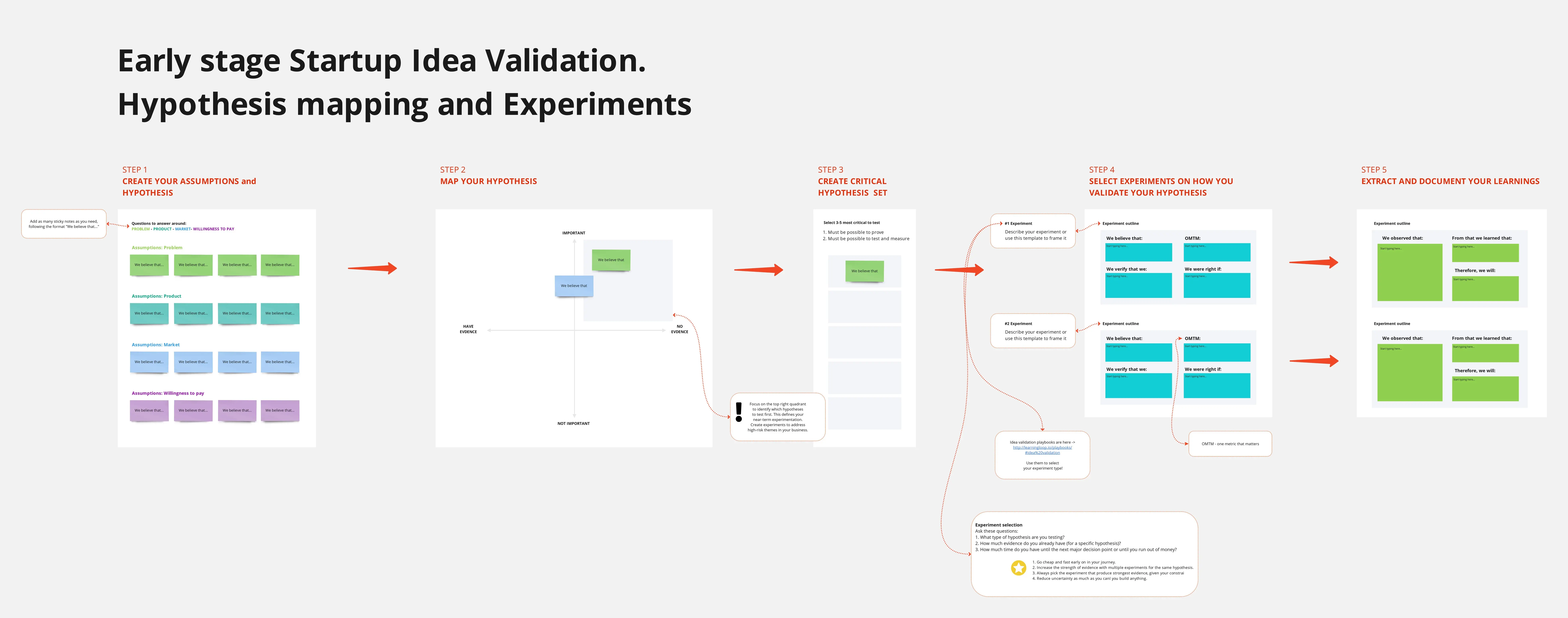
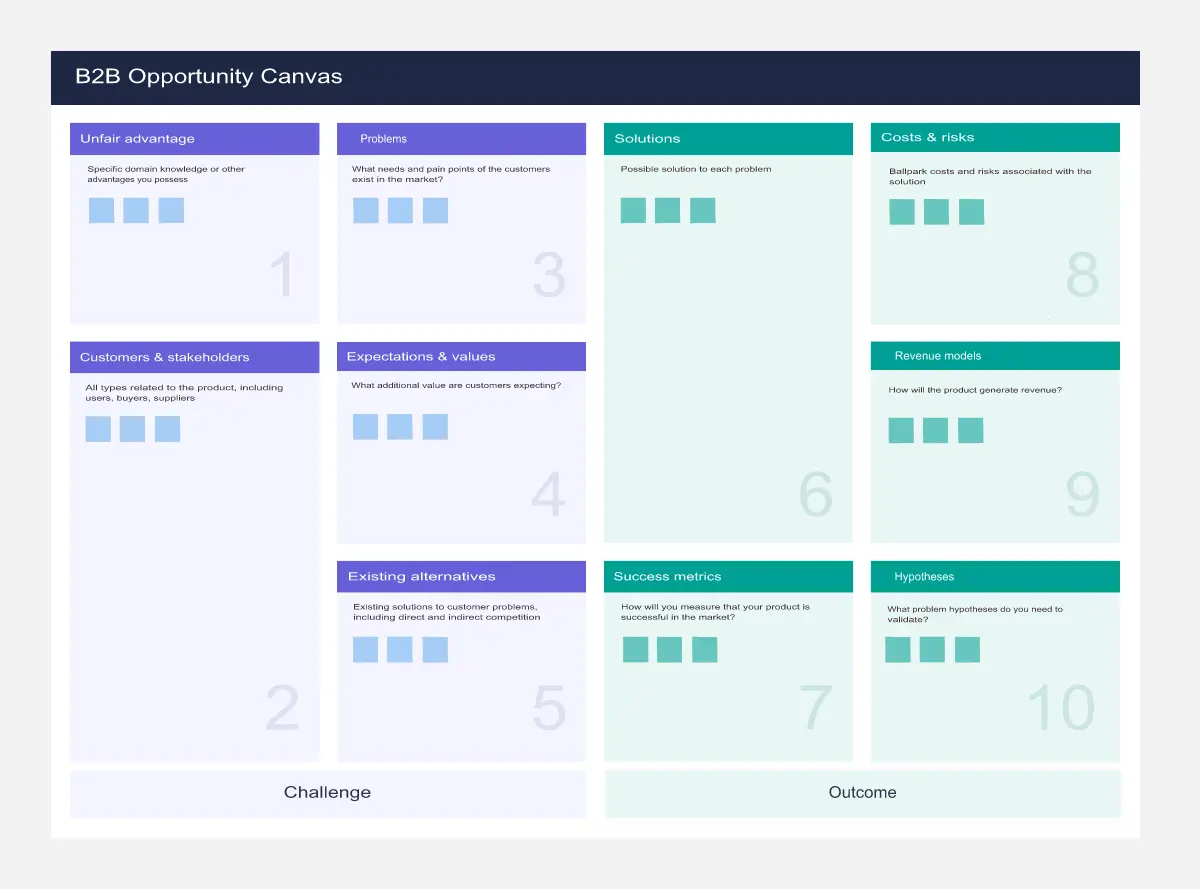
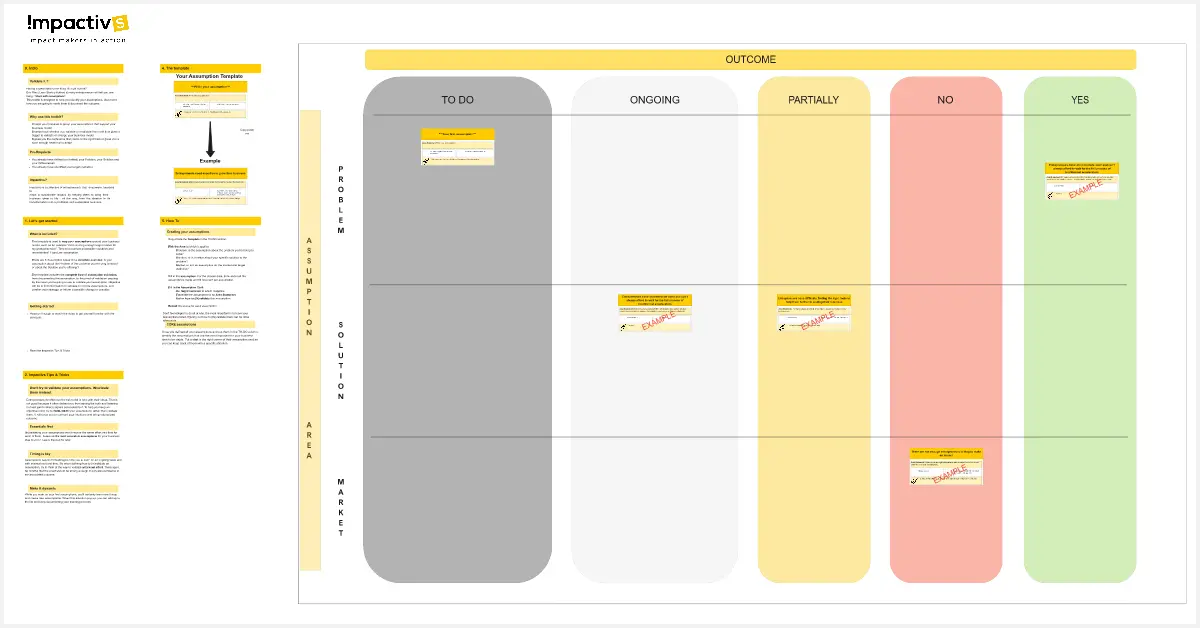
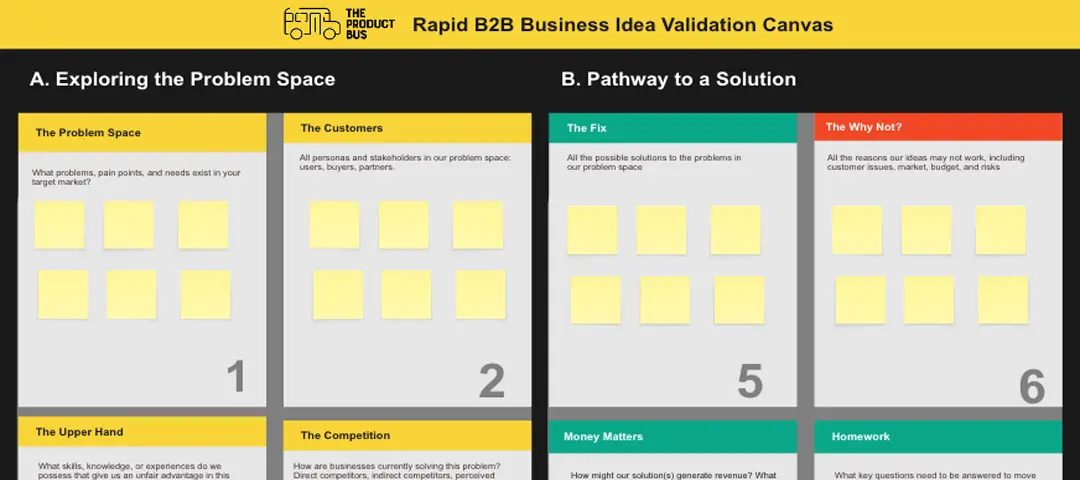
An idea validation template is a structured framework used to test the fundamental assumptions of a business or product concept. It moves a founder from "I think people want this" to "I have data that people will pay for this." By using a Validation Board or Experiment Canvas, teams can track their hypotheses, the experiments they run (like landing pages or ads), and the specific metrics that prove whether the idea has "legs."
The "Truth" Audit: 3 Ways to Kill Bad Ideas Early
Validation is about seeking the truth, not seeking a "Yes." Before spending a single dollar on development, apply these three expert "health checks" to your validation board:
1. The "Skin in the Game" Audit
The Audit: Are you counting "Compliments" (e.g., "That's a great idea!") as validation? The Fix: Audit for Commitment. A professional validation template requires a "Currency Exchange." Validation only happens when a user gives you something of value:
Time: They agree to a 30-minute follow-up interview.
Reputation: They introduce you to their boss or a decision-maker.
Money: They put down a pre-order deposit or a letter of intent. If the user hasn't "paid" in some way, your idea is still unvalidated.
2. The "Falsifiability" Test
The Audit: Is your experiment designed so that it's impossible to "fail"? The Fix: Audit for Pass/Fail Criteria. Before you run a test, your template must state: "We are right if [Number] of people do [Action]." If you don't set a threshold (e.g., "5% conversion rate on the landing page") before the test starts, you will move the goalposts later to make your "pet project" look successful.
3. The "Problem-First" Guardrail
The Audit: Are you testing a "Solution" before you've validated the "Problem"? The Fix: Audit for Pain Intensity. Use a Problem Validation Canvas. If the problem you are solving isn't in the "Top 3" list of frustrations for your target user, they will never pay for your solution, no matter how well it is built.
Strategic Frameworks: The Idea Validation Toolkit
A professional validation cycle uses different templates depending on the "Risk" being tested:
1. The Javelin Board (The Pivot Map)
Goal: To track the evolution of your customer, problem, and solution.
Key Components: Target Customer, Problem, Solution, and the "Pivot" history.
2. The Experiment Canvas
Goal: To design a specific "scientific" test for one assumption.
Key Components: Hypothesis, Experiment Method, Metric, and Learning.
3. The Smoke Test / Landing Page Template
Goal: To measure "Desirability" via a "Coming Soon" page.
Key Components: Value Proposition, Call-to-Action (CTA), and Conversion Rate Tracker.
Key Components of an Idea Validation Template
A high-performance Validation Board requires these five core elements:
The Riskiest Assumption: The one thing that, if false, kills the entire business (e.g., "Users are willing to share their bank data").
The "Minimum Viable" Test: The cheapest, fastest way to get data (e.g., a paper prototype or a Google Ad).
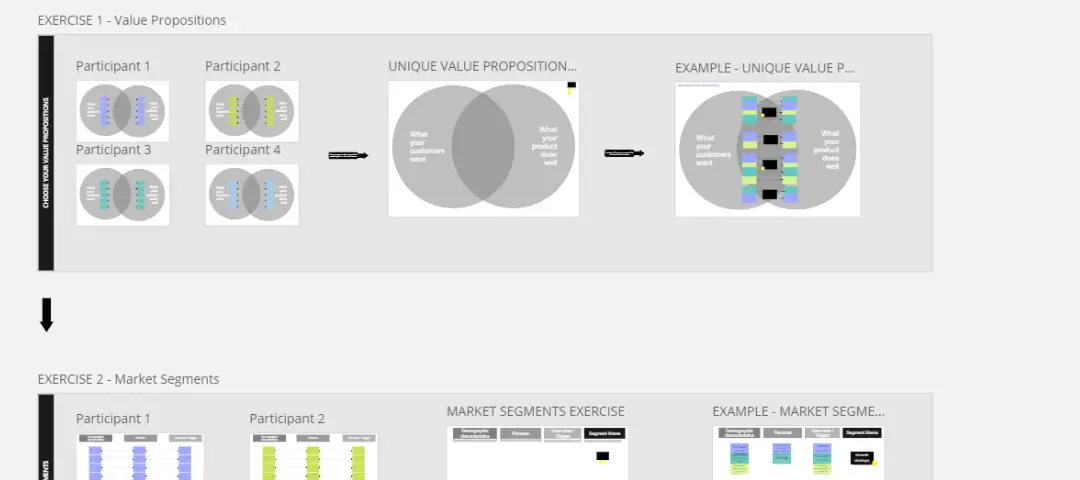
The Target Segment: A hyper-specific description of the early adopter (e.g., "Freelance designers in Berlin using MacBooks").
The "Learnings" Log: A place to record why people said no—this is often more valuable than a yes.
The Decision Gate: A clear section to mark the idea as Validated, Invalidated (Kill), or Pivot.