About B2B Templates
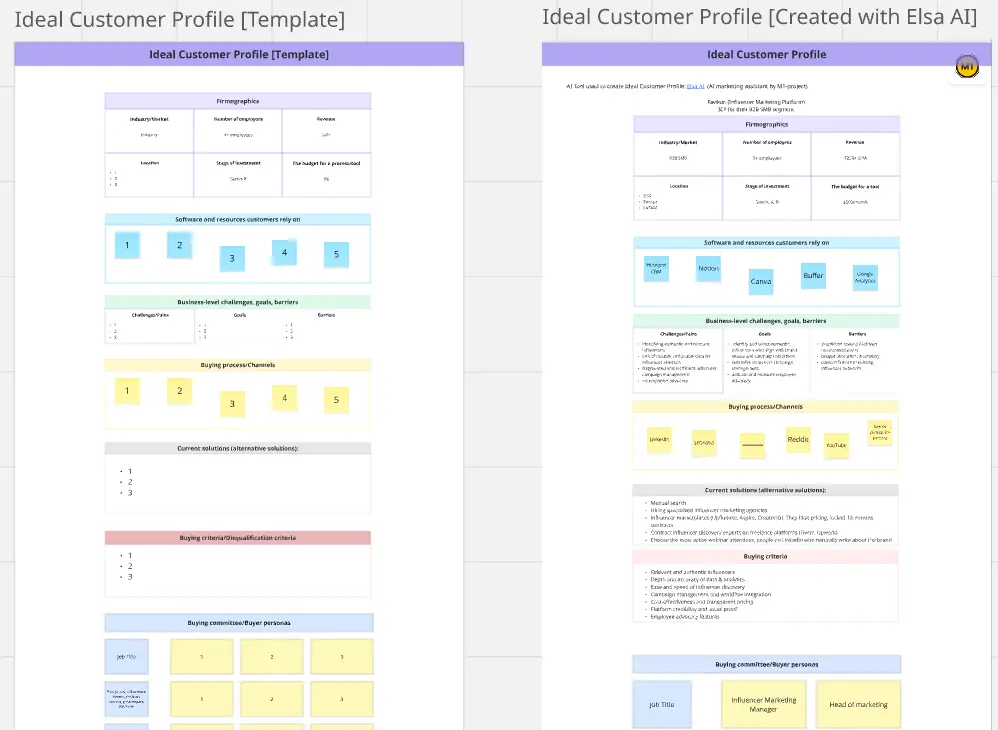
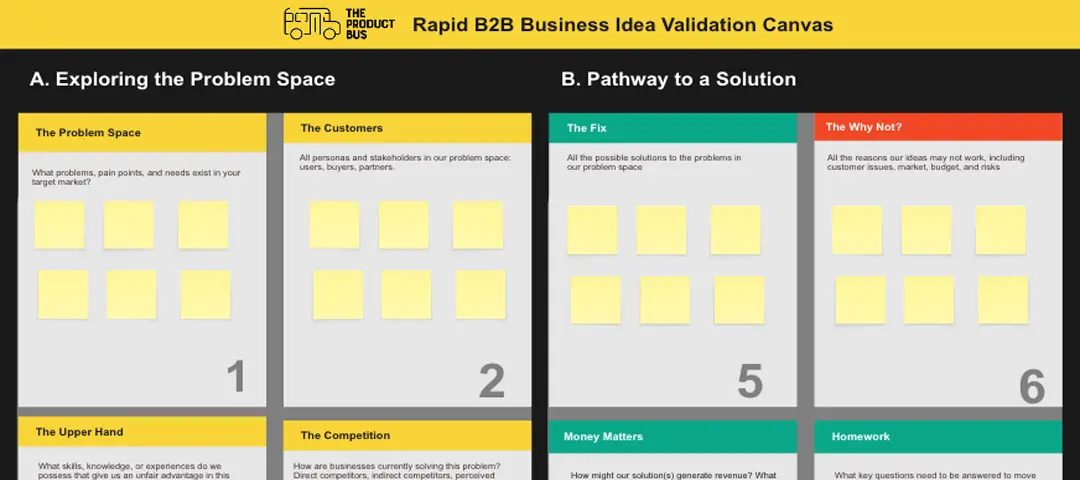
A B2B template is a specialized framework designed to manage professional relationships where one business provides services or products to another. Unlike B2C (Business-to-Consumer), B2B templates must account for Rational Buying Logic, Long-term ROI, and Legal/Security Compliance. These templates serve as the "Professional Bridge" between a vendor’s capabilities and a client’s enterprise needs.
The "Enterprise" Audit: 3 Ways to Close Larger Deals
B2B success is built on trust and proof. Before sending your proposal or setting up your CRM board, apply these three expert "health checks":
1. The "Decision Committee" Audit
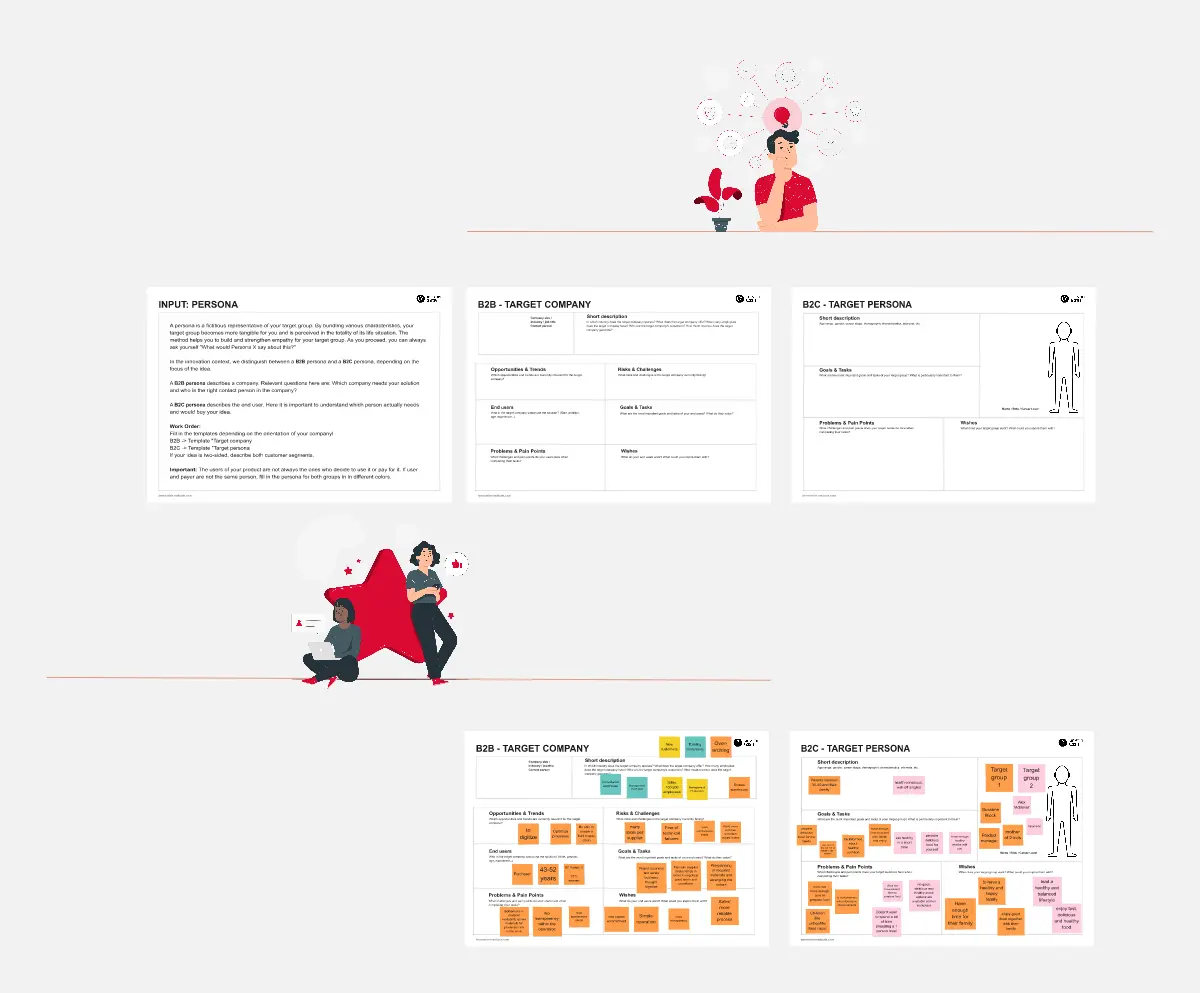
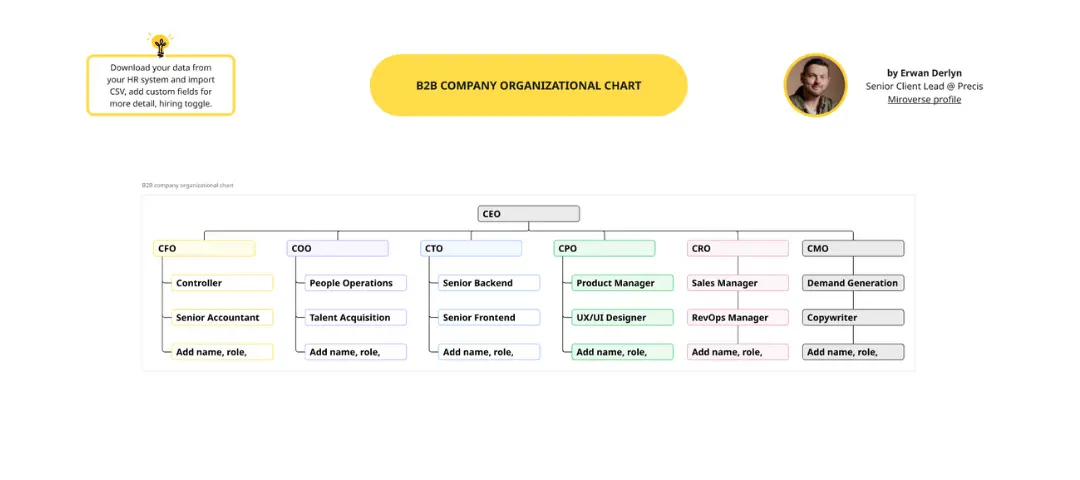
The Audit: Are you only targeting the "End User" and ignoring the "Economic Buyer" or "IT Security"? The Fix: Audit for Stakeholder Mapping. A professional B2B template must track the "Buying Committee." Use your template to identify:
The Champion: Who wants the tool?
The Economic Buyer: Who signs the check?
The Technical Gatekeeper: Does it pass security/IT standards? If your template only has one contact name, your deal is at risk.
2. The "Value Realization" Test
The Audit: Is your pitch focused on "Cool Features" instead of "Business Outcomes"? The Fix: Audit for ROI Quantification. B2B buyers are risk-averse. Use your template to include a Business Case section: "By implementing X, you will save [Number] of man-hours, resulting in an annual saving of $[Amount]." If you don't speak the language of "Money Saved" or "Revenue Earned," you are just a "nice-to-have."
3. The "Post-Sale" Guardrail
The Audit: Does your process end the moment the contract is signed? The Fix: Audit for Customer Success & Expansion. B2B profit lives in Renewals and Upsells. Use a Mutual Success Plan (MSP) template. This is a shared document between you and the client that defines what "Success" looks like at 30, 60, and 90 days. It turns a "Vendor" into a "Partner."
Strategic Frameworks: Which B2B Template Do You Need?
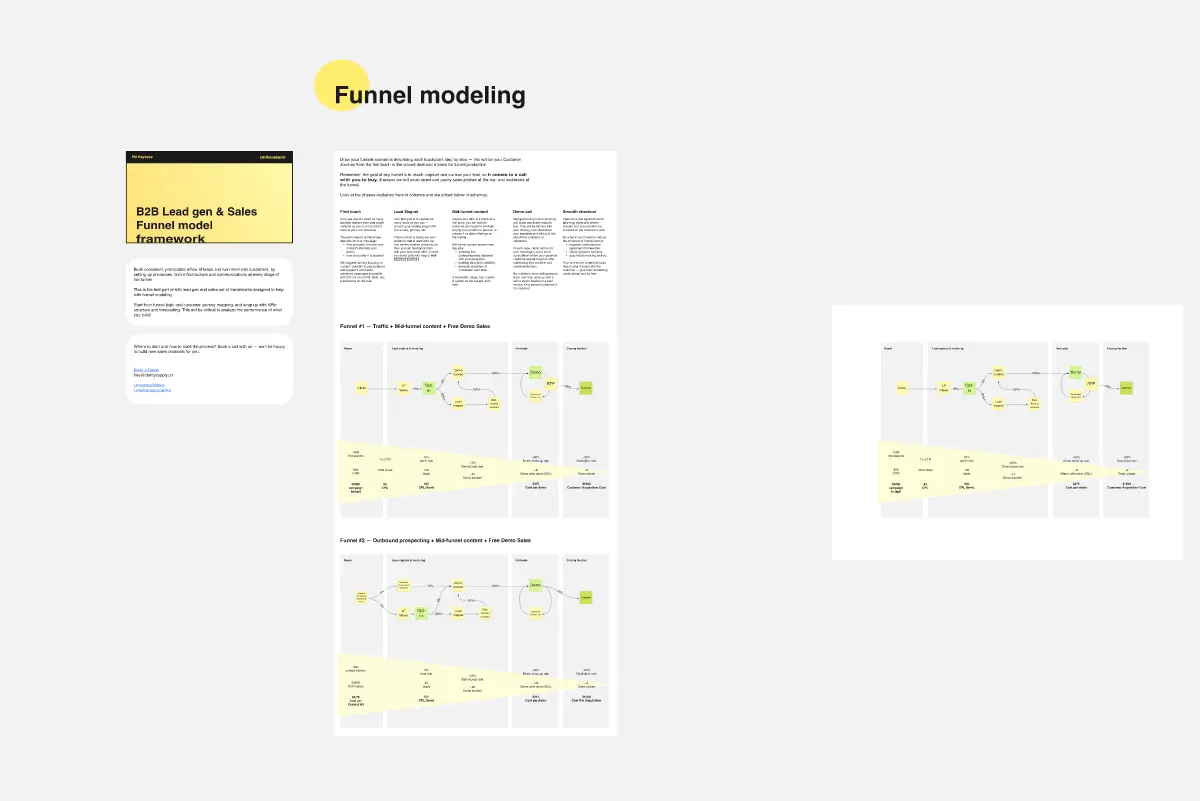
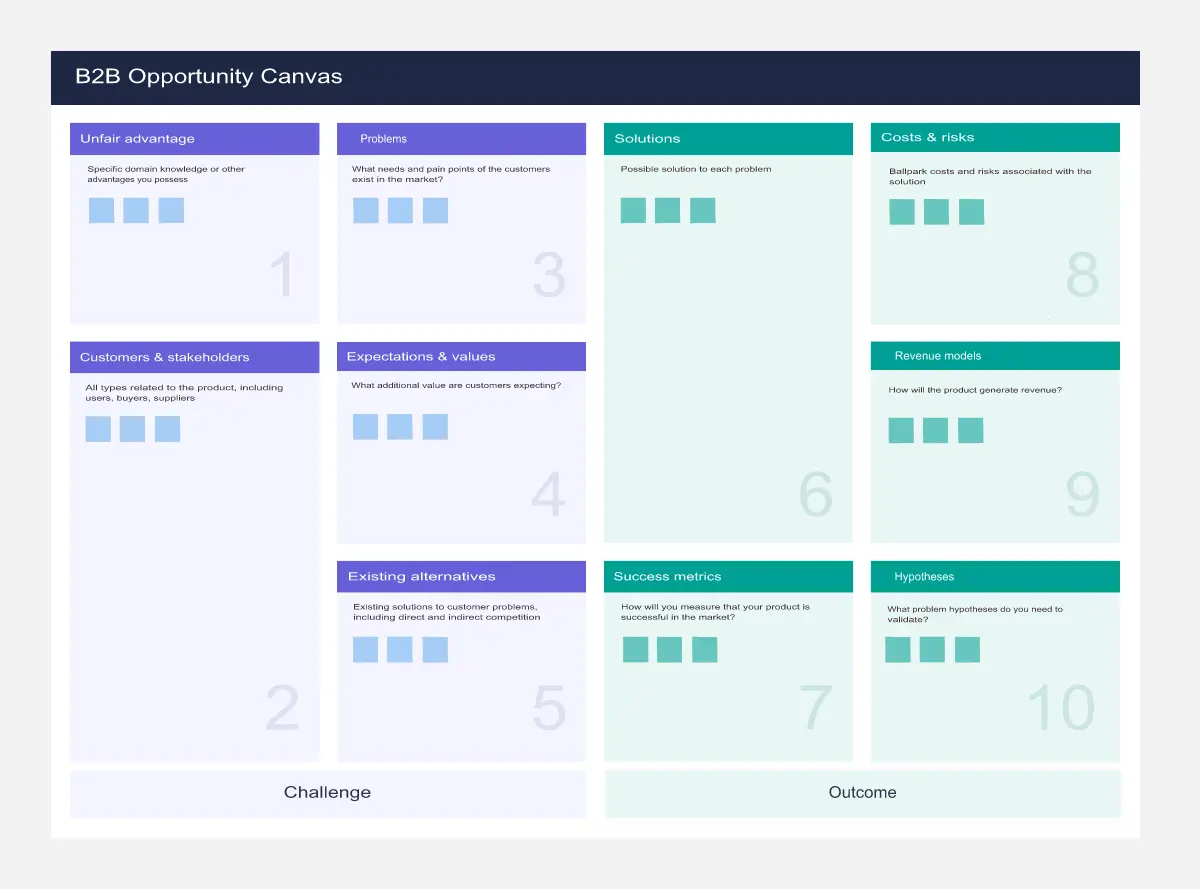
Select the framework that matches your current stage in the high-ticket sales cycle:
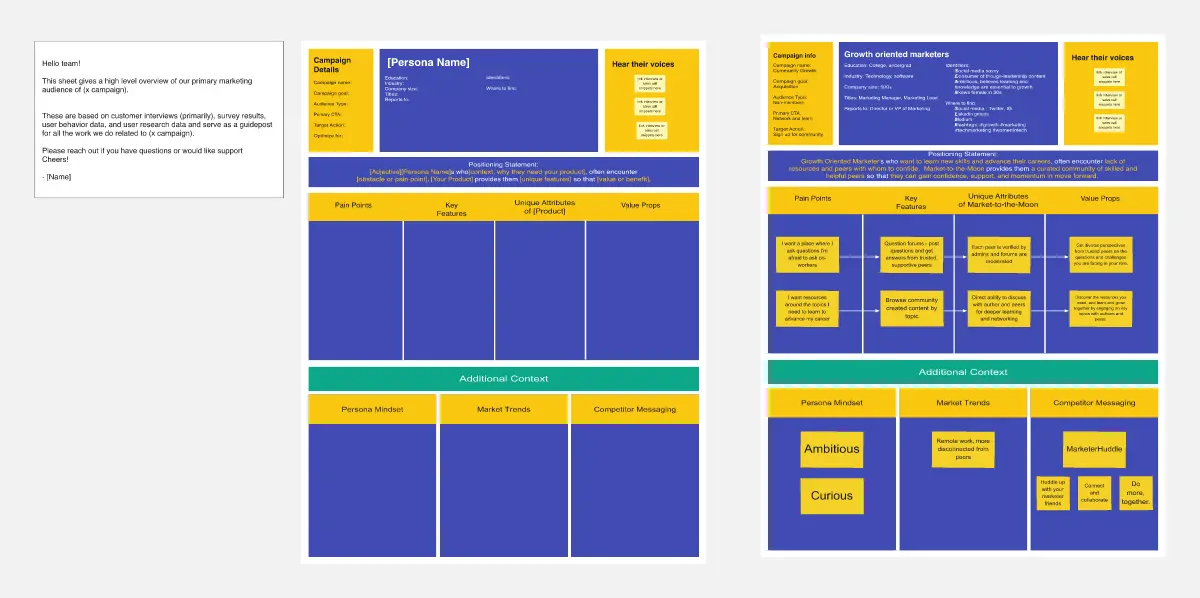
The ABM (Account-Based Marketing) Canvas:
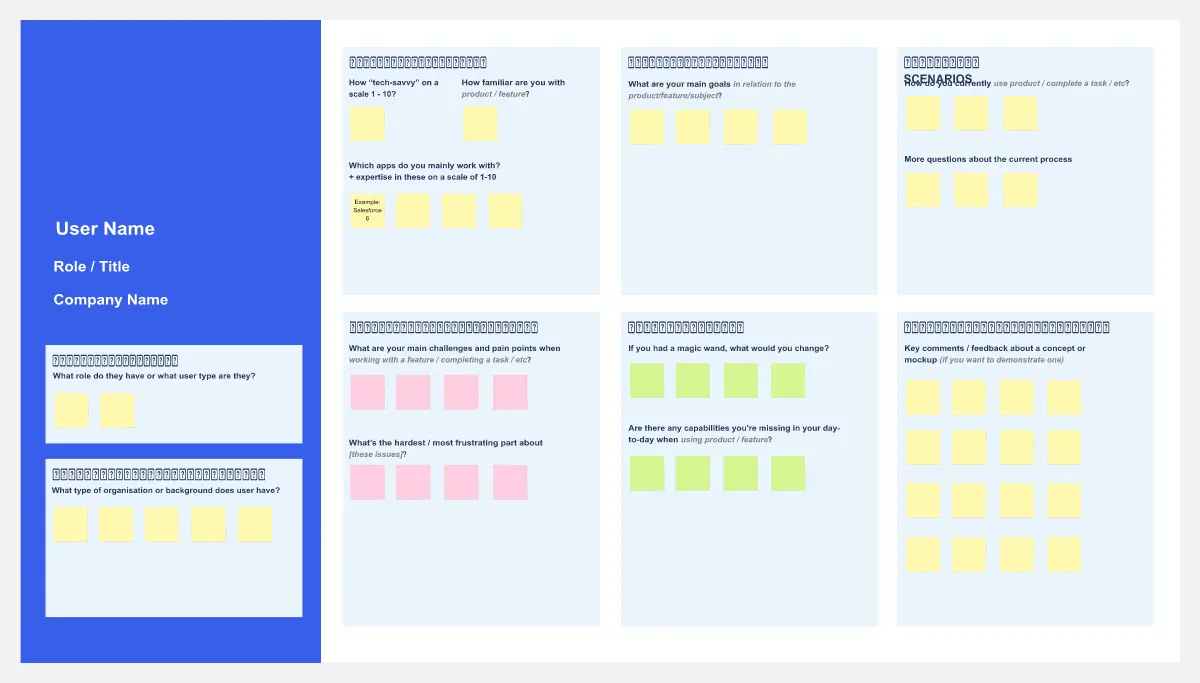
The B2B Sales Discovery Script:
The Technical RFP (Request for Proposal) Tracker:
The Quarterly Business Review (QBR) Deck:
Key Components of a B2B Template
A high-performance B2B Board requires these five core elements:
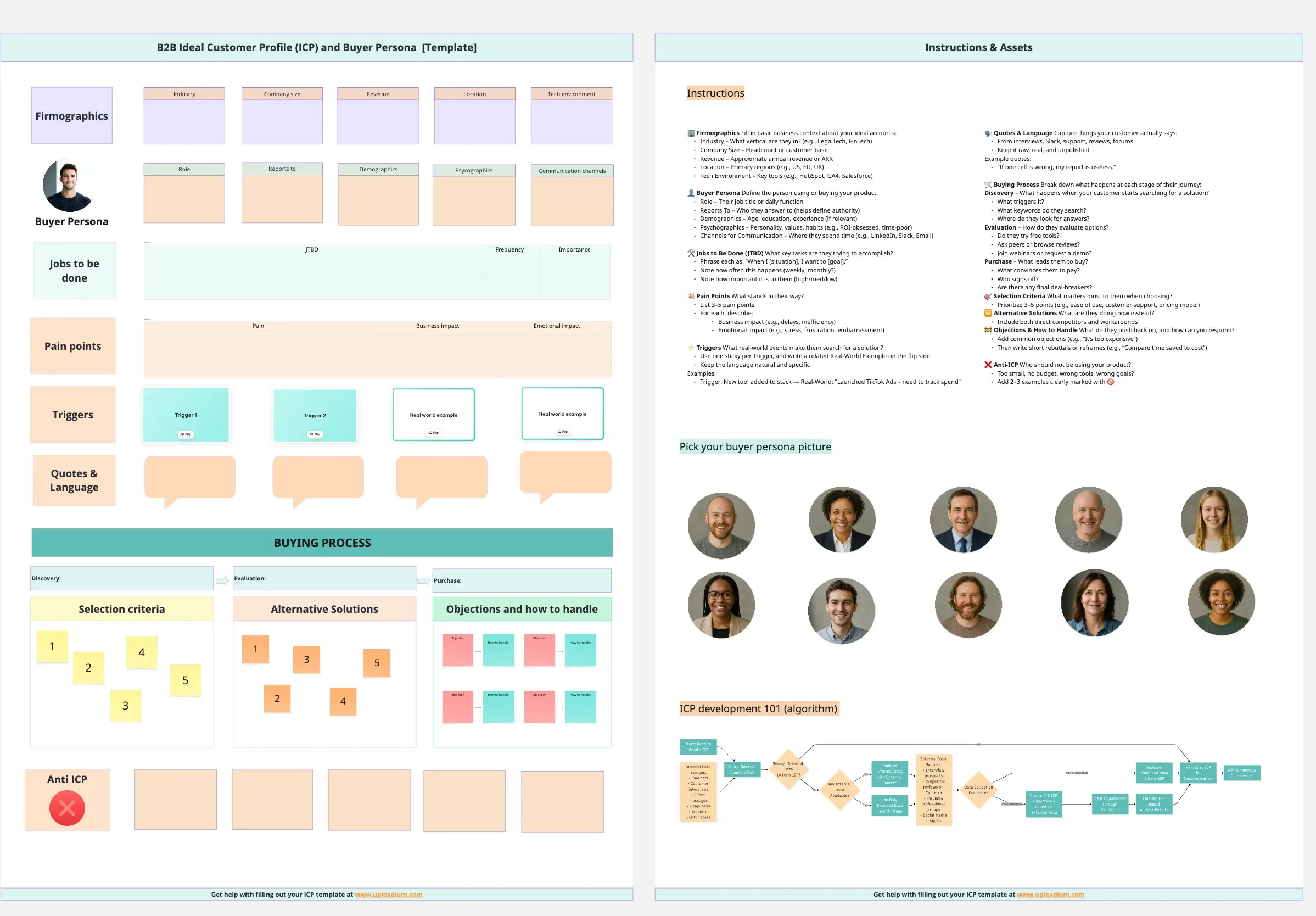
The Problem/Impact Statement: What is the specific business pain costing the client money?
The Multi-Channel Outreach Log: Tracking LinkedIn touches, Emails, and Phone calls for the same lead.
The Objection Handling Matrix: A pre-written list of answers for common concerns (e.g., "It's too expensive" or "We're using a competitor").
The "Social Proof" Library: Links to case studies and whitepapers relevant to the client’s specific industry.
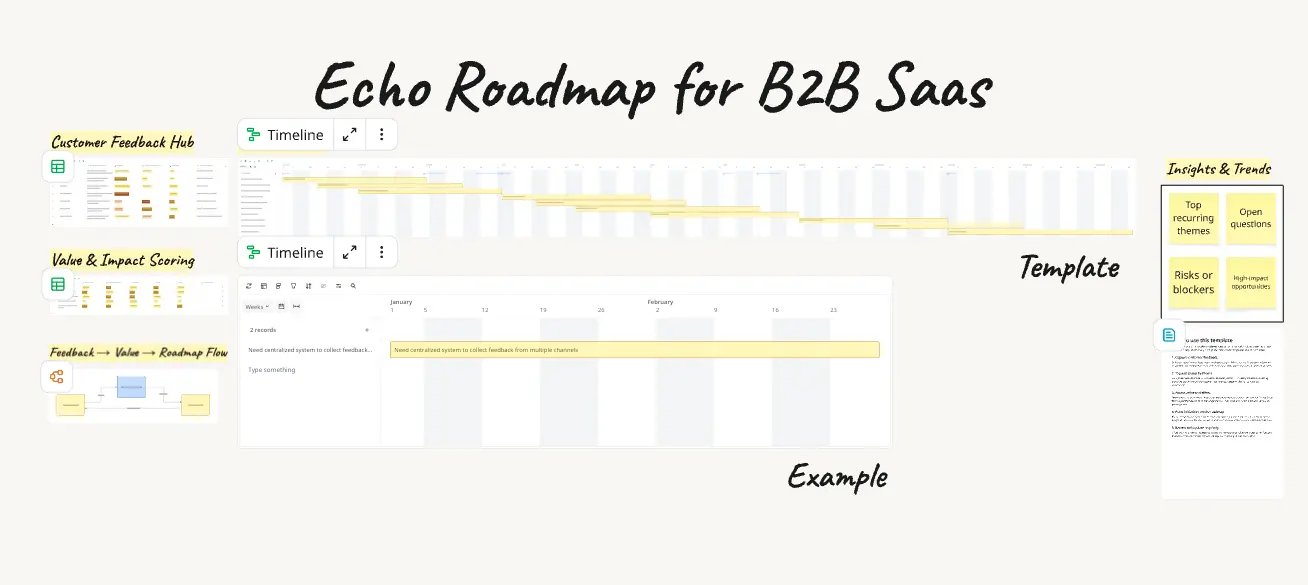
The Implementation Timeline: A clear "Project View" of how the client will go from "Purchase" to "Live."
Common Pitfalls in B2B Strategy