Co-produced by young peer researchers as part of the Amplify Project, this template makes stakeholder mapping accessible and genuinely useful for young people. It was designed by people with first-hand experience of feeling unheard in decisions that affect them — which means it meets young people where they are, using language and activities built for them, not just about them.
What it is
The template guides users through stakeholder mapping in three stages, using a dream holiday planning activity as its starting point. Rather than leading with abstract concepts like power and influence, users first plan an imaginary trip — thinking through who, what, where, when, and how. This makes the logic of stakeholder thinking feel concrete and familiar before applying it to a real project.
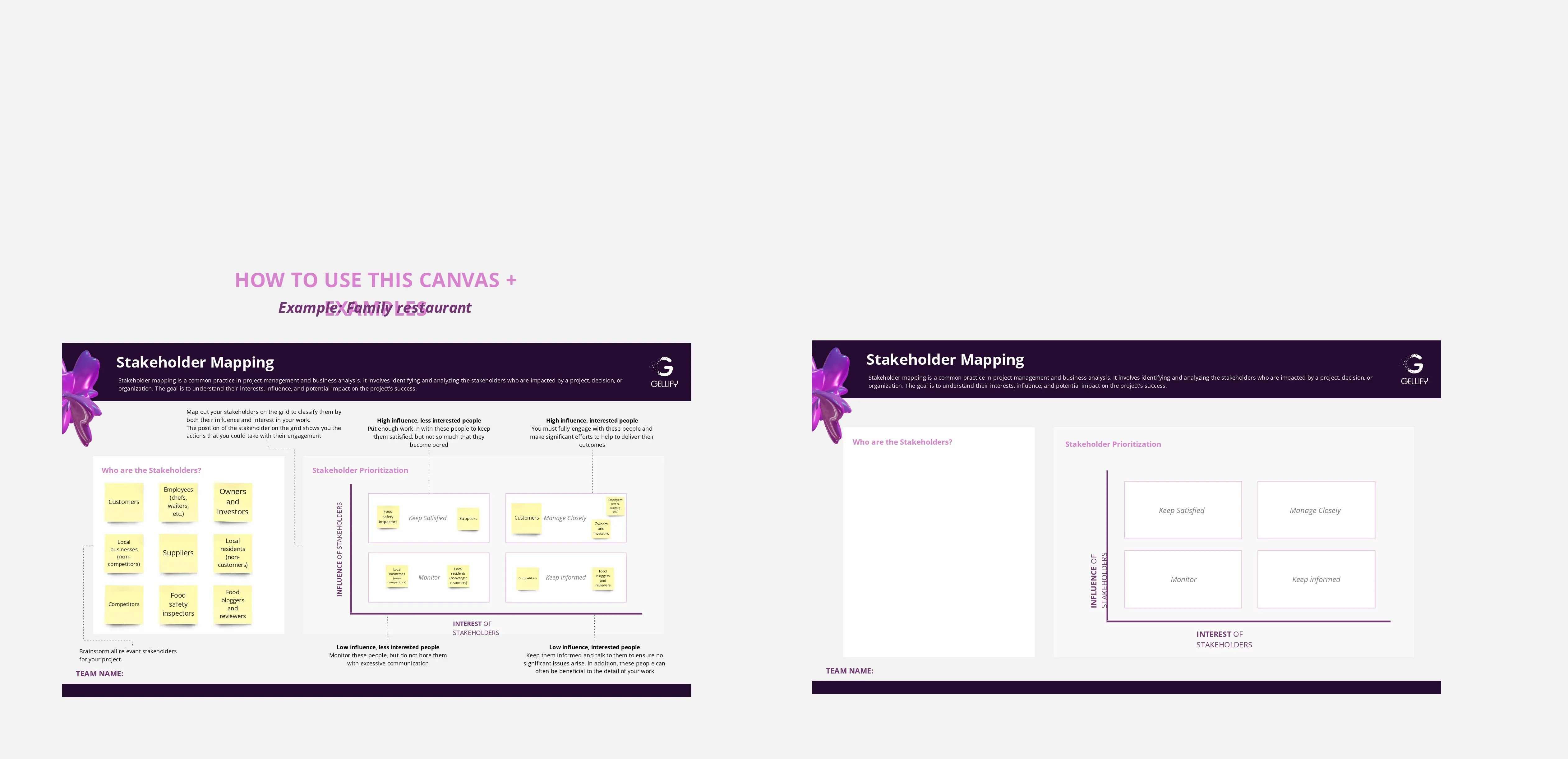
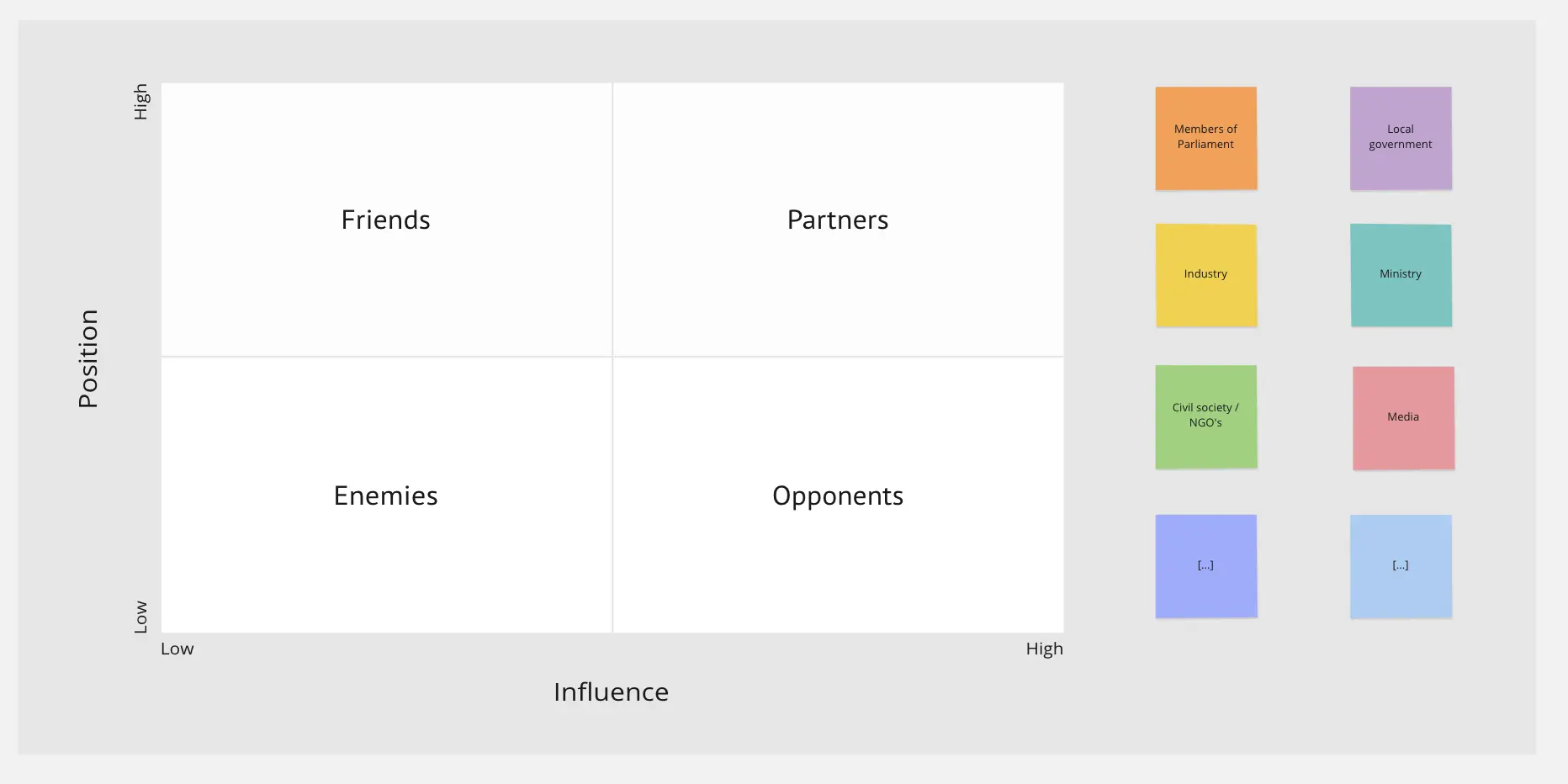
From there, users move into placing stakeholders on a rings model (direct, indirect, and wider), then onto a power-interest matrix to think strategically about engagement. A final reflection step helps users transfer everything back to their own work.
Who it's for
This template is ideal for young people aged 14–25 involved in youth voice, peer research, community campaigns, or participatory action projects — especially those who are new to stakeholder mapping and need an accessible entry point. It's also a strong facilitation tool for youth workers and practitioners running co-production or social action programmes.
Because it was co-produced by peer researchers with lived experience of being underrepresented, it is particularly relevant for projects focused on equity and inclusion.
How to use it
Work through the template in order. Start with the 5 W's dream holiday activity to introduce stakeholder thinking in a low-stakes, creative way. Move to the stakeholder rings to categorise connections by level of impact. Then use the power-interest matrix to plot stakeholders strategically. Finally, the transfer activity prompts users to apply the same process to a real project they're working on.
It works best facilitated in small groups, with peer researchers or youth facilitators leading the conversation.