What is a Definition of Done Template?
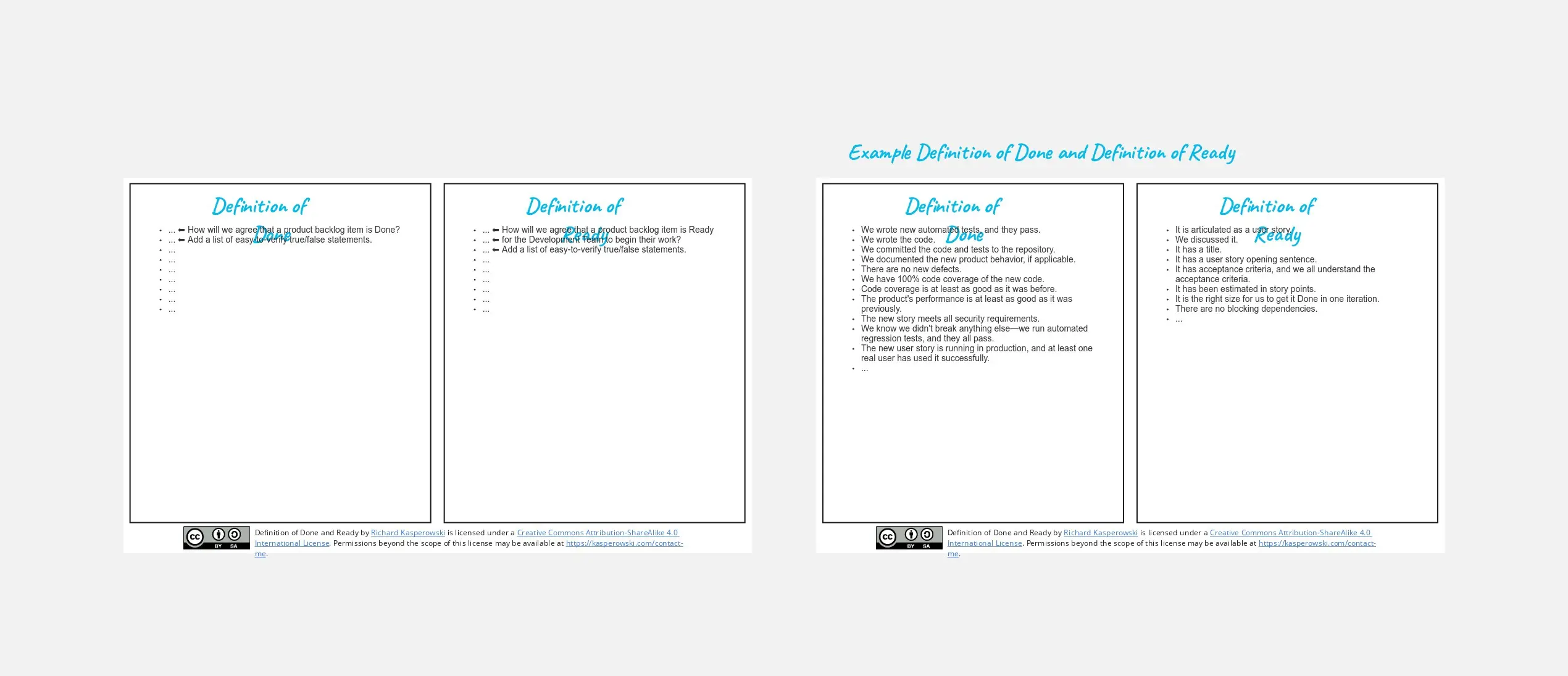
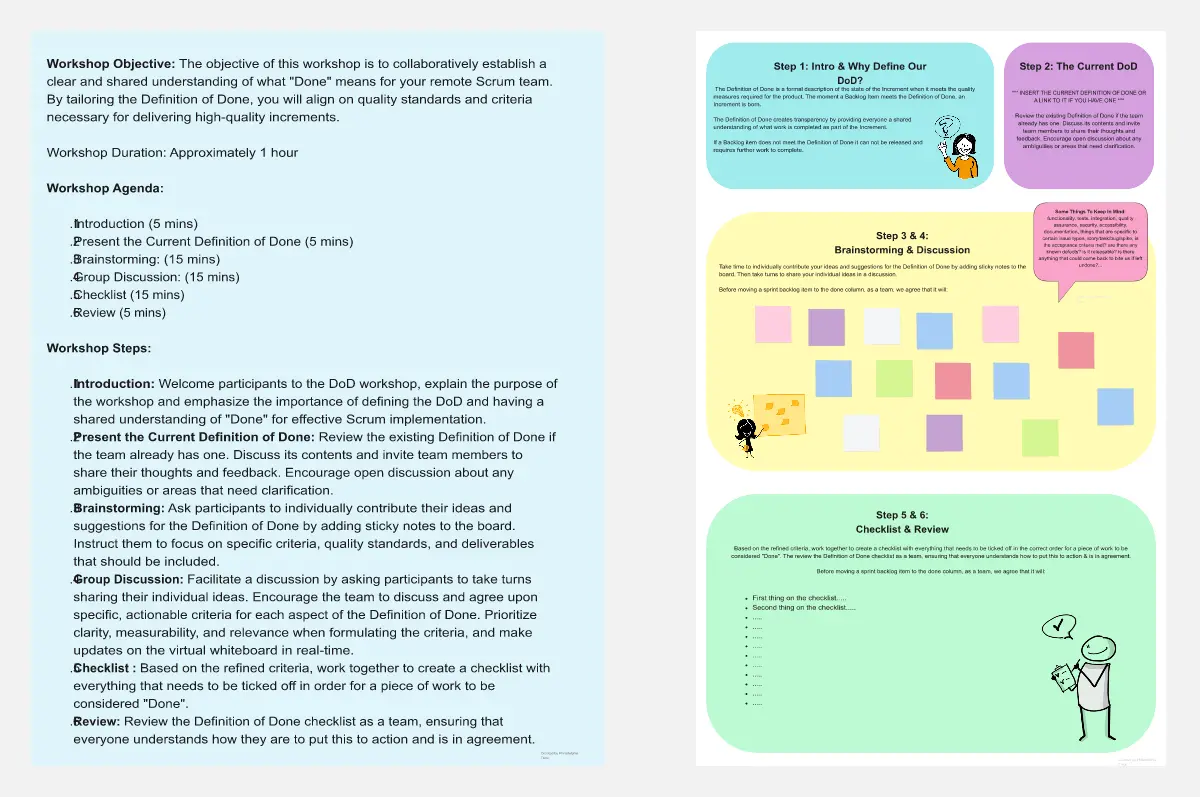
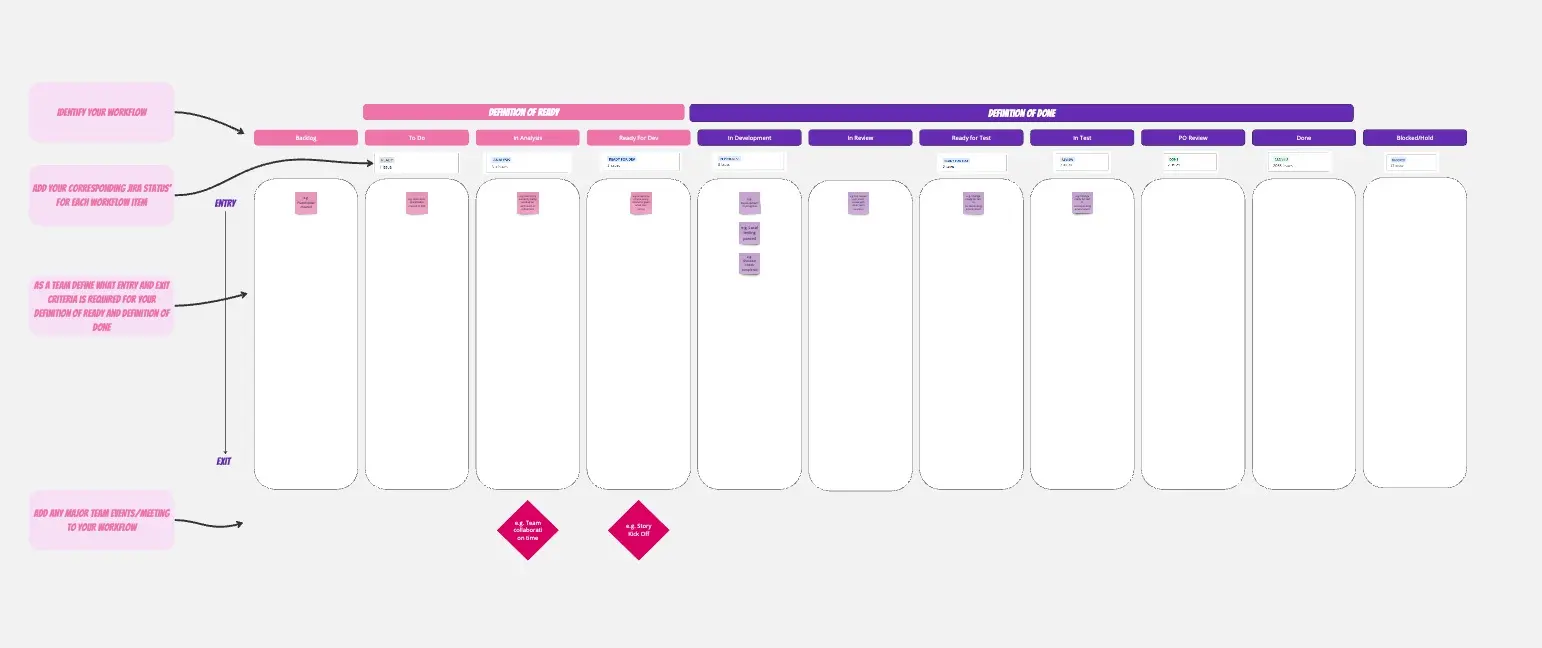
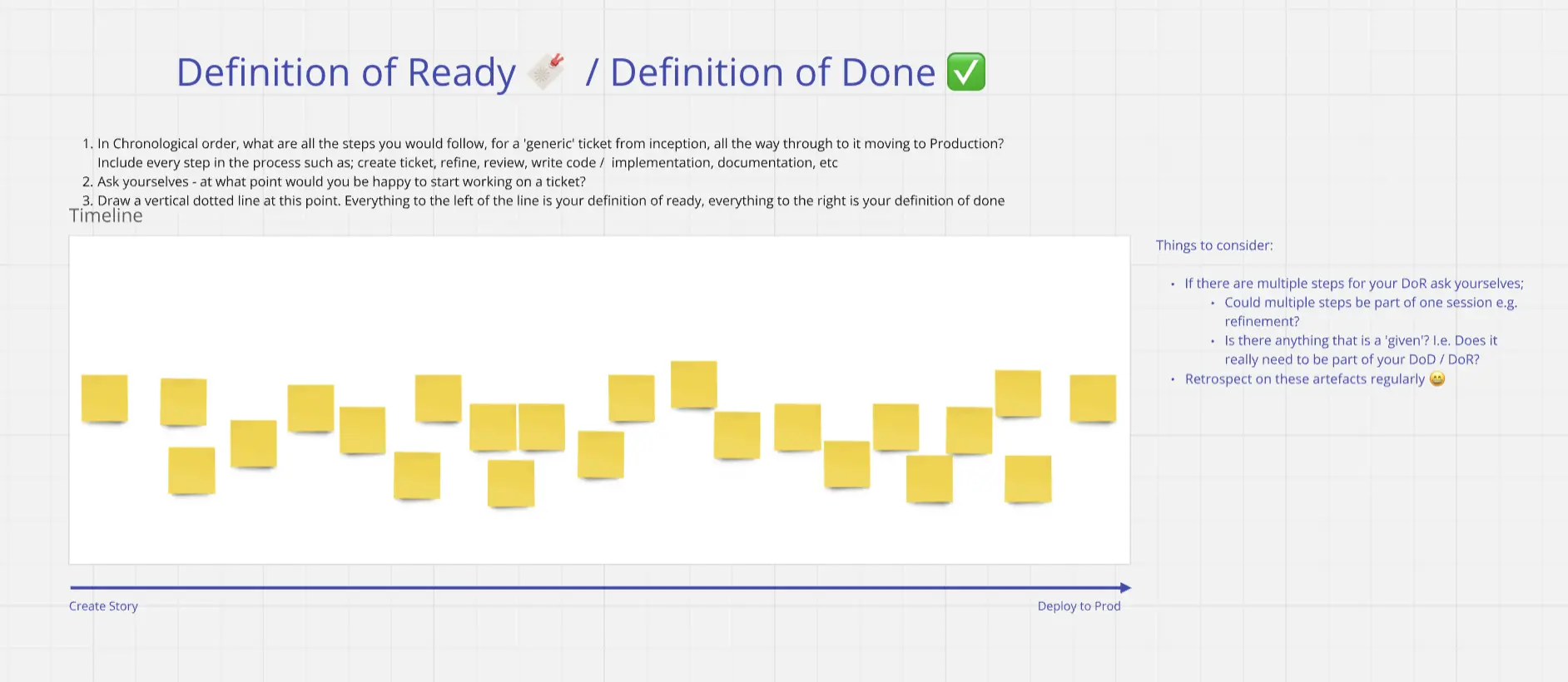
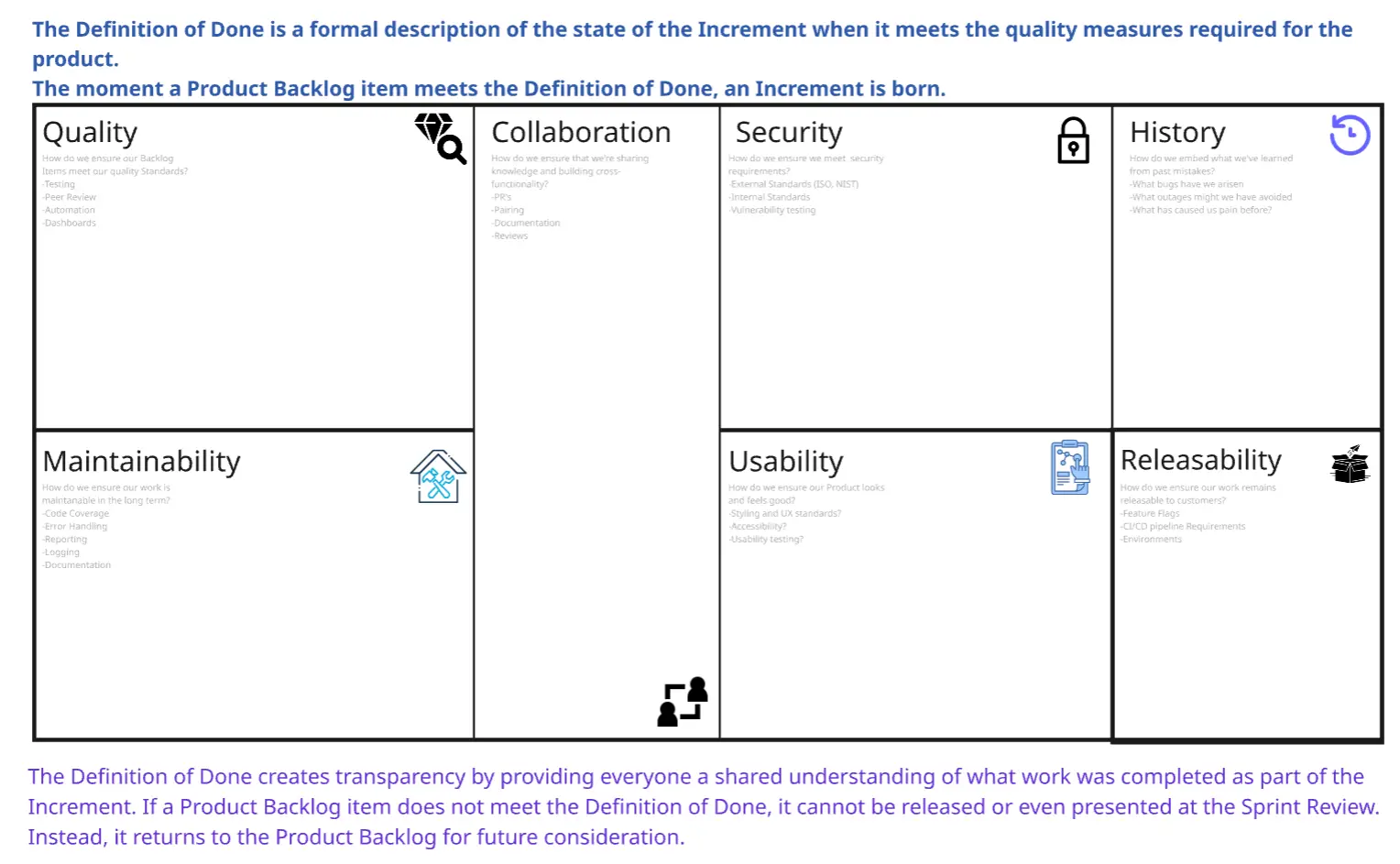
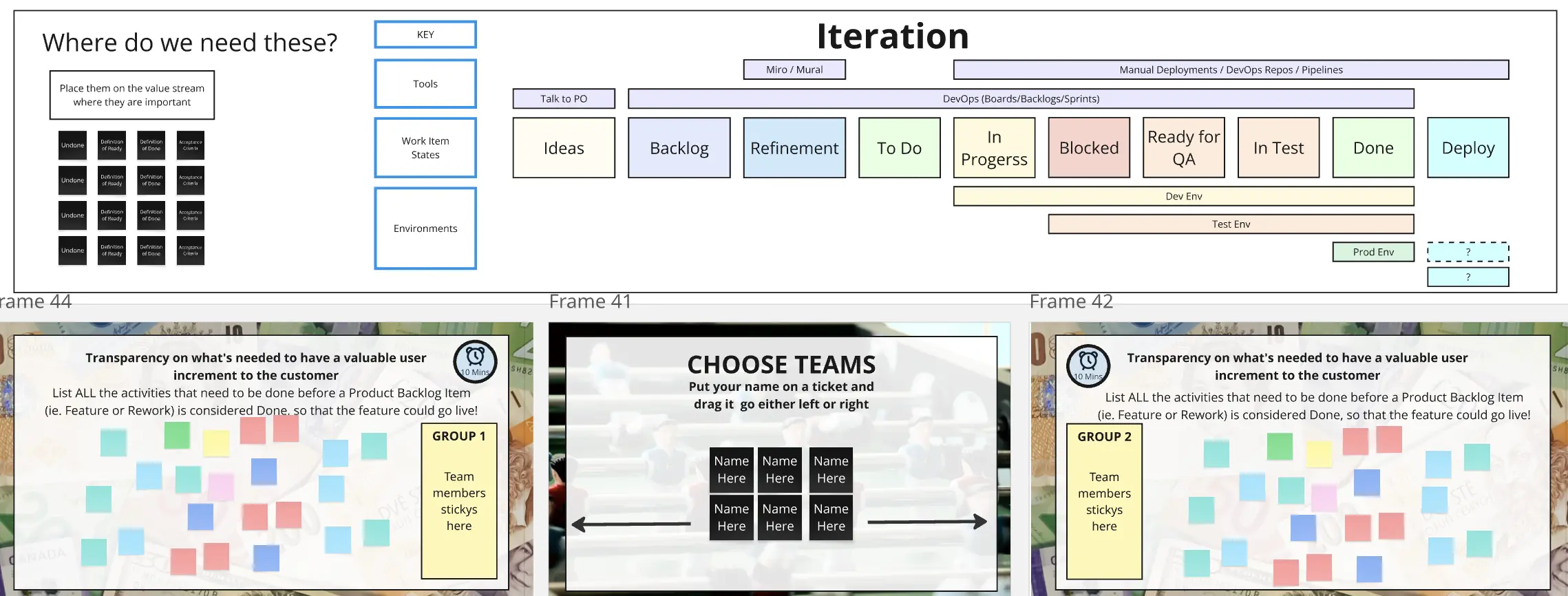
A Definition of Done (DoD) template is a comprehensive checklist of technical and functional criteria that a user story or task must meet before it is considered "Finished." Unlike the "Acceptance Criteria" (which are unique to each story), the DoD is a global standard applied to every piece of work. It prevents "technical debt" by ensuring that testing, documentation, and compliance are never skipped for the sake of speed.
The "Quality" Audit: 3 Ways to Enforce "Shippable" Standards
A DoD is only as good as the team's discipline. Before finalizing your template, apply these three expert "health checks":
1. The "Undone Work" Audit
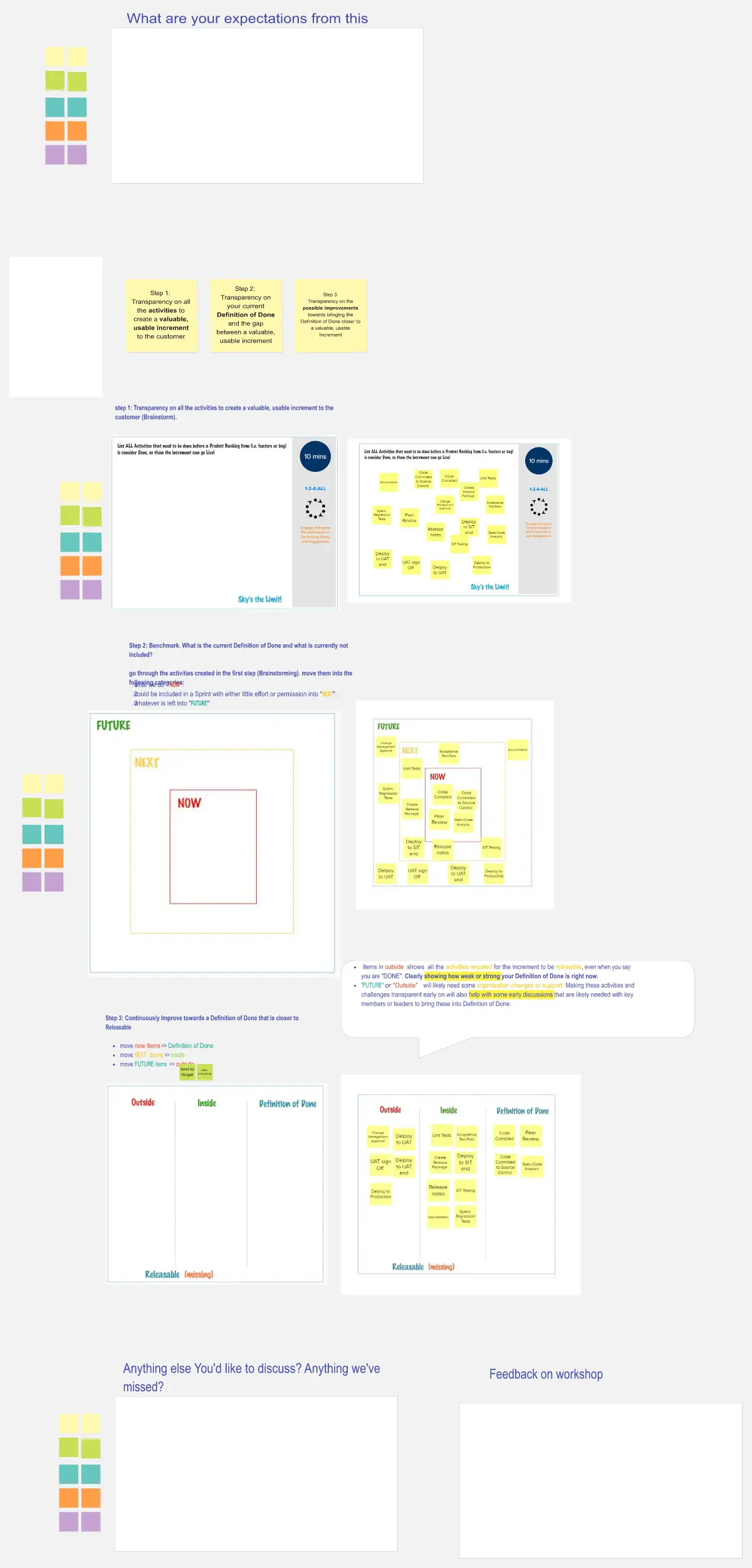
The Audit: Are you moving stories to "Done" while leaving the documentation or integration testing for "next sprint"? The Fix: Audit for Deferred Quality. A professional DoD must include Regression Testing and Documentation Update. If it isn't documented and tested against the whole system, it isn't "Done"; it’s just "Developed." Your template should explicitly list "No New Technical Debt" as a requirement.
2. The "Automated Truth" Test
The Audit: Is your DoD based on "human promises" (e.g., "I checked the code")? The Fix: Audit for Binary Verification. Whenever possible, replace manual checks with automated ones. Instead of "Code is reviewed," use "Pull Request approved by 2 peers." Instead of "Unit tested," use "Unit test coverage > 80%." This removes subjectivity and ensures the "Done" state is measurable and indisputable.
3. The "Global vs. Local" Conflict
The Audit: Is your DoD so long that the team ignores half of it to meet the sprint goal? The Fix: Audit for Reality. Start with a "Minimum Viable DoD" and grow it as the team matures. If the team cannot realistically perform a full security audit every sprint, don't put it in the Story-level DoD. Move it to a "Definition of Release" instead. This keeps the daily DoD achievable and respected.
Strategic Frameworks: The Three Levels of "Done"
A professional organization often uses three distinct templates to manage different stages of completion:
Level 1: The User Story DoD (The Sprint Level)
Focus: Code quality, peer review, and passing specific acceptance criteria.
Example: "Unit tests passed," "PO approved," "Functional tests pass."
Level 2: The Sprint/Feature DoD (The Integration Level)
Focus: How the feature interacts with the rest of the app.
Example: "No regression bugs," "Performance metrics stable," "Staging environment updated."
Level 3: The Release DoD (The Market Level)
Focus: Legal, marketing, and security compliance.
Example: "Security penetration test passed," "Translation complete," "User manual updated."
Key Components of a Definition of Done Template
A high-performance DoD requires these five core categories:
Development Standards: Code is commented, refactored, and checked into the main branch.
Testing & Quality: Unit, integration, and manual "smoke tests" are complete and passing.
Environment & DevOps: Code is deployed to a staging environment and passes the build pipeline.
Review & Approval: Peer review is complete and the Product Owner (PO) has signed off on the functionality.
Non-Functional Requirements: The feature meets specific speed, accessibility, and security benchmarks.