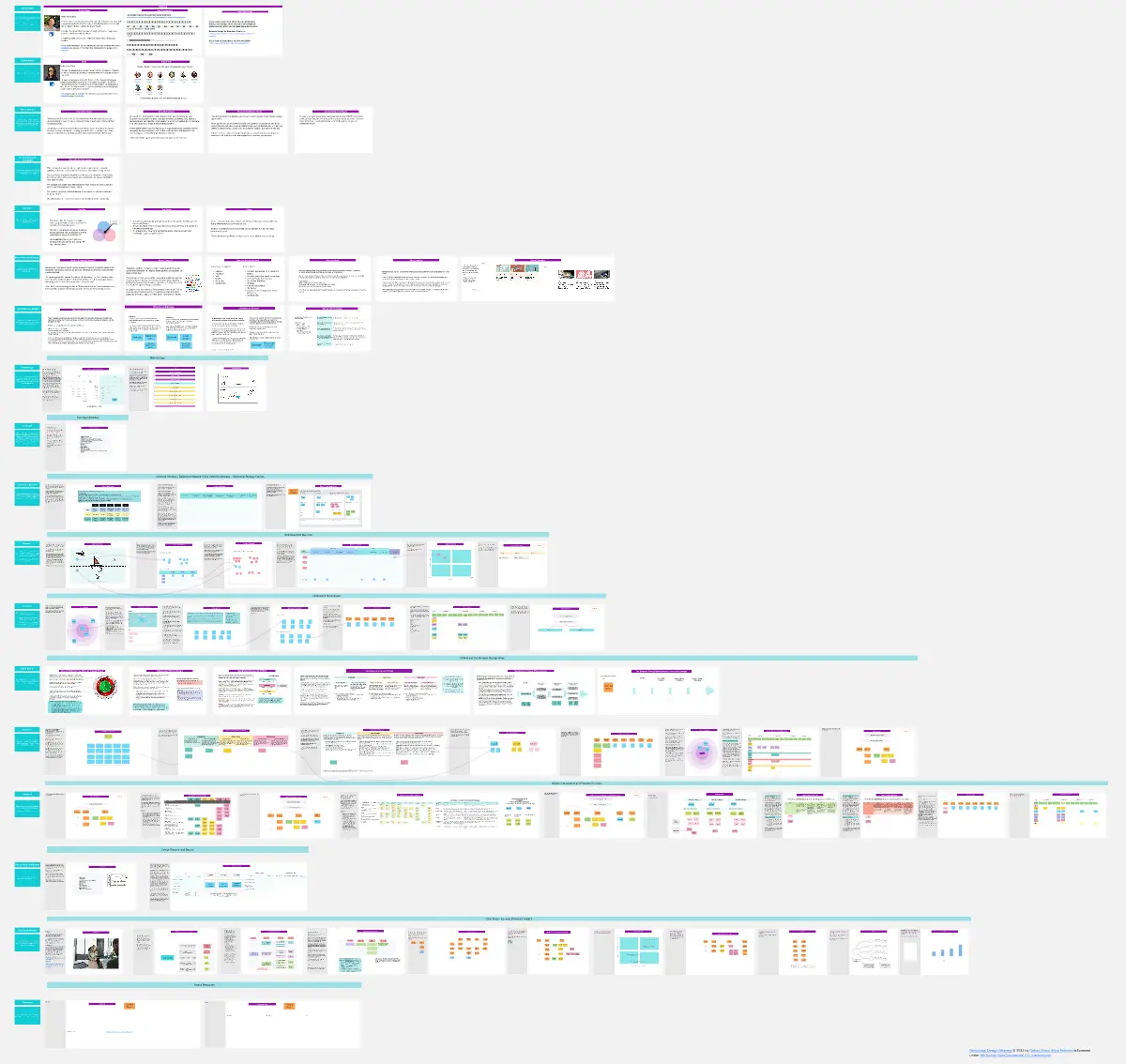
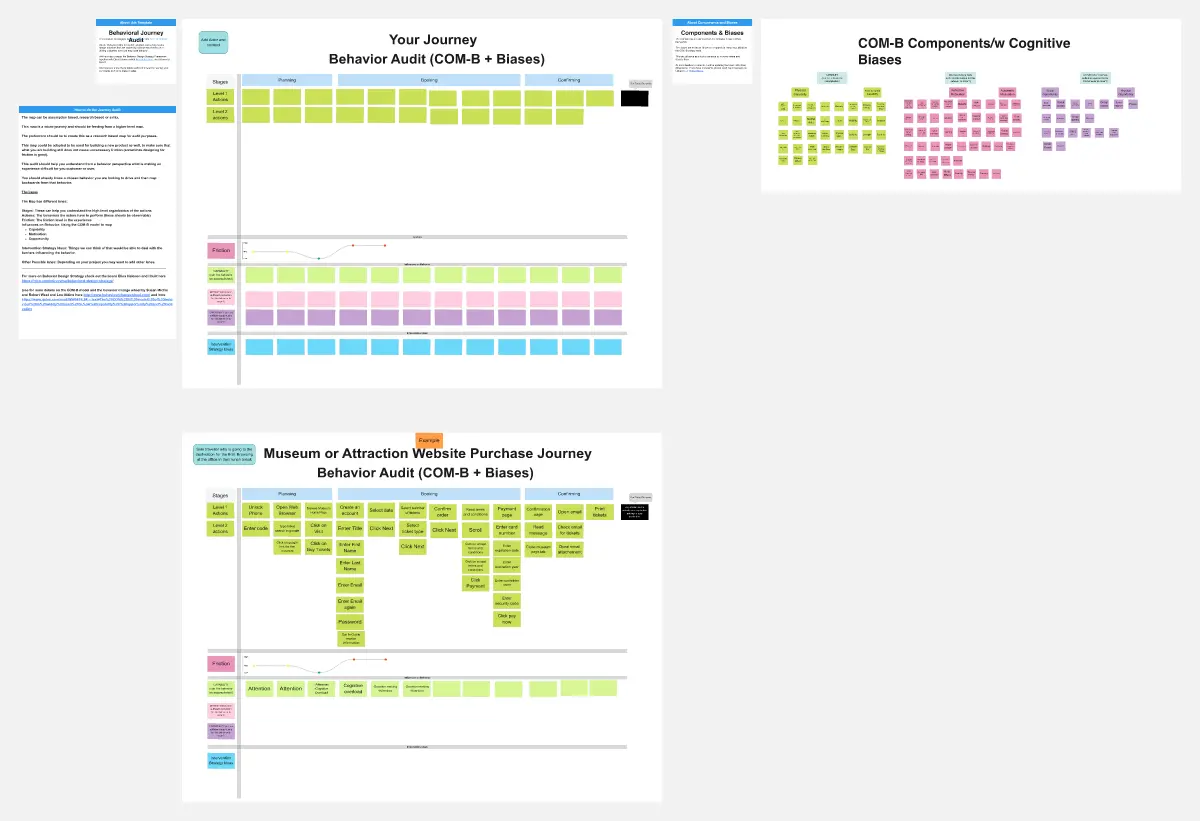
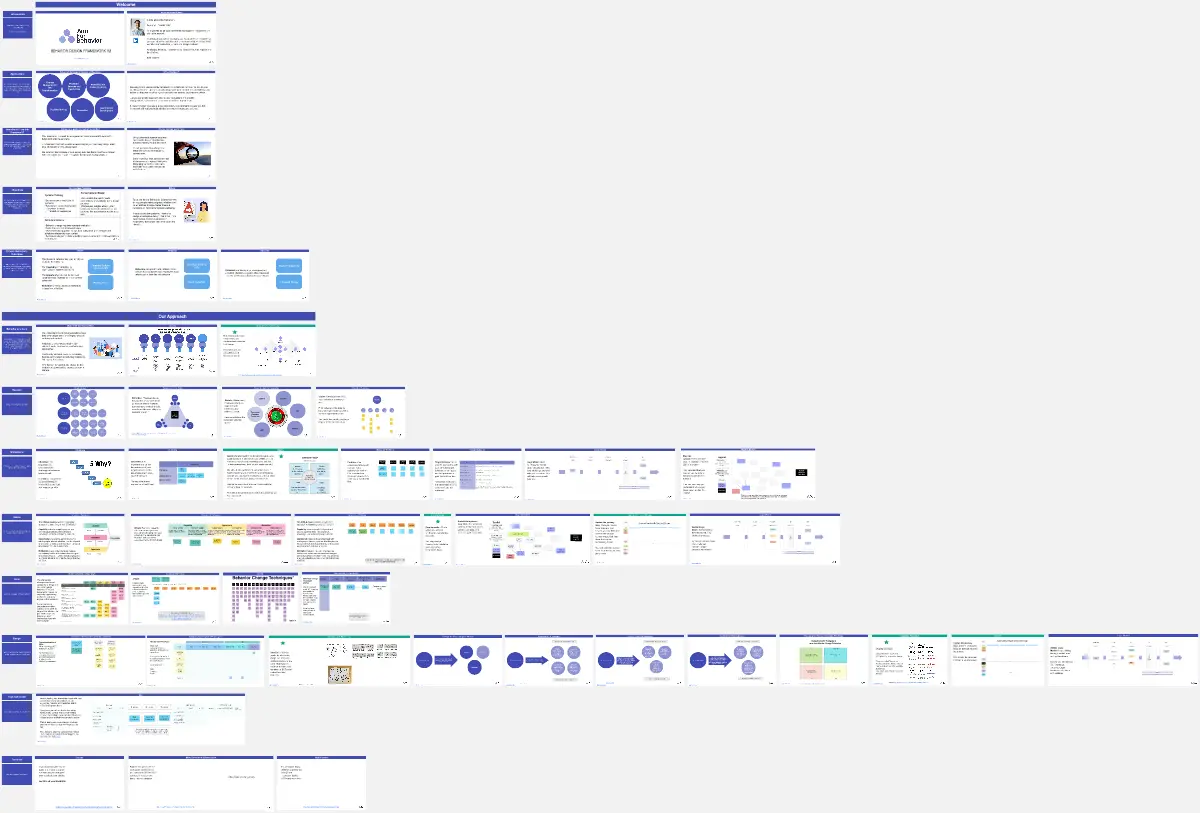
What is a Behavior Design Template?
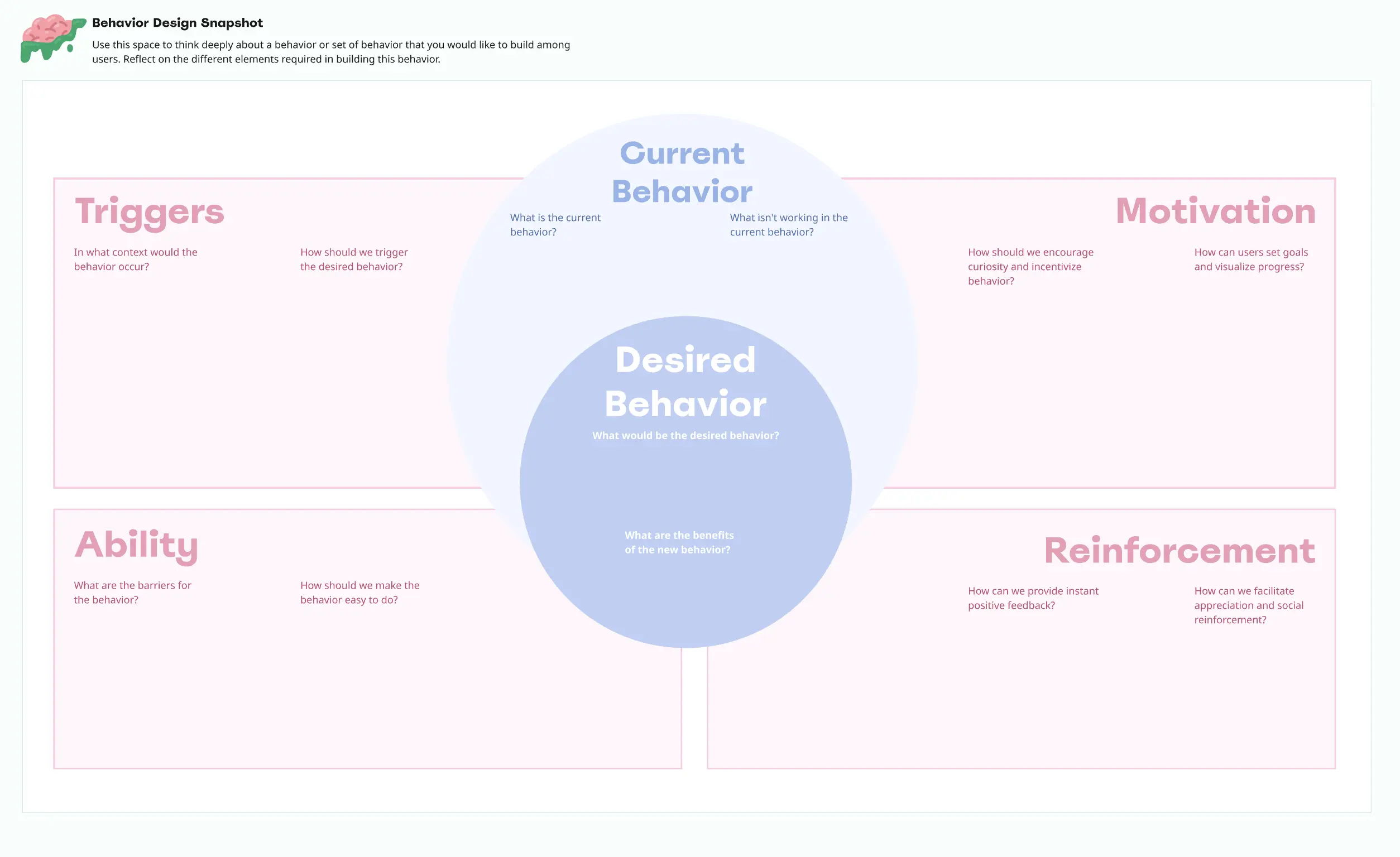
A behavior design template is a cognitive map used to design products that align with how the human brain actually works. It moves a designer from "hoping" for a click to "engineering" it. Based on models like BJ Fogg or Nir Eyal, these templates identify the exact intersection of Motivation, Ability, and Prompt needed to start and sustain a specific behavior.
The "Ethical Influence" Audit: 3 Ways to Design for Action
Behavior design is about removing friction, not "tricking" the user. Before finalizing your board on Miro or Figma, apply these three expert "health checks":
1. The "Motivation vs. Ability" Audit
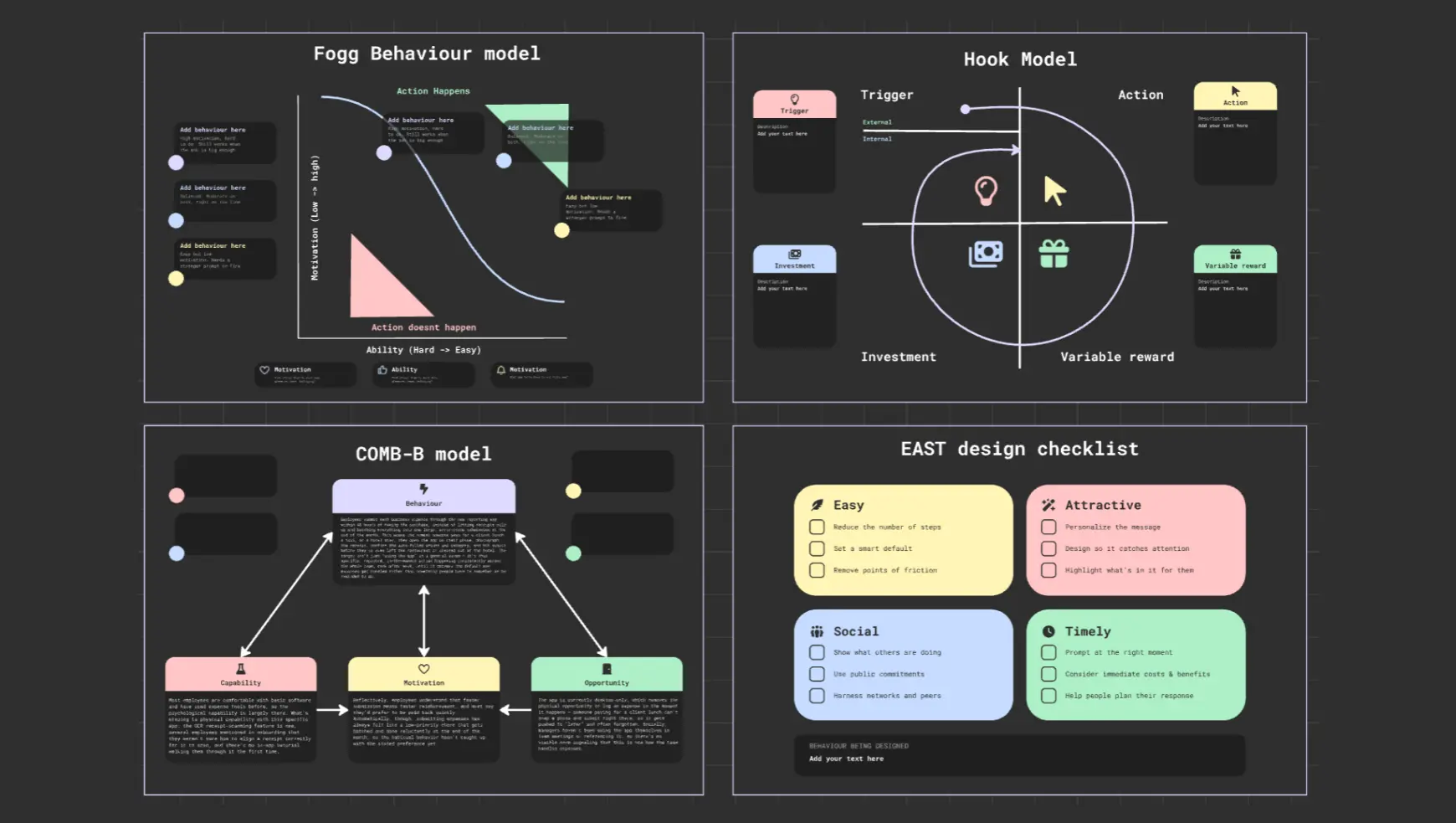
The Audit: Are you trying to increase "Motivation" (e.g., using big "Buy Now" banners) when the real problem is "Ability" (e.g., the form is too hard to fill out)? The Fix: Audit for Simplification. According to the Fogg Model, if a behavior is hard, no amount of motivation will make it happen. A professional template prioritizes Reducing Steps. If you want a user to start a habit, make the first step so easy they can't say no.
2. The "Variable Reward" Test
The Audit: Is your product's feedback loop predictable and boring? The Fix: Audit for Dopamine Loops. Use the Hook Model in your template. To keep users coming back, the "Reward" for an action (like checking a notification) should be variable. It shouldn't be the same every time. This creates "Cravings" and turns a one-time action into a long-term habit.
3. The "Ethical Dark Pattern" Guardrail
The Audit: Are you using "Scarcity" or "Fear" to force a decision that the user might regret later? The Fix: Audit for User Intent. A high-level behavior design template includes an Ethics Check. Ask: "Does this behavior benefit the user, or only the business?" Designing for long-term trust is more profitable than designing for a short-term "Dark Pattern" conversion.
Strategic Frameworks: Which Behavior Template Do You Need?
Select the framework that matches the "Phase" of your user's journey:
The Fogg Behavior Model (B=MAP):
Best For: Analyzing why a specific action (like sign-up) is failing.
The Goal: To ensure the user has the Motivation, the Ability, and a clear Prompt at the same moment.
The Hook Canvas (Nir Eyal):
The BJ Fogg "Tiny Habits" Template:
Best For: Onboarding and education apps.
The Format:"After I [Existing Anchor Habit], I will [New Tiny Behavior]." * The EAST Framework (Easy, Attractive, Social, Timely):
Best For: Public policy or high-level service design.
The Goal: To make a desired behavior the "Path of Least Resistance."
Key Components of a Behavior Design Template
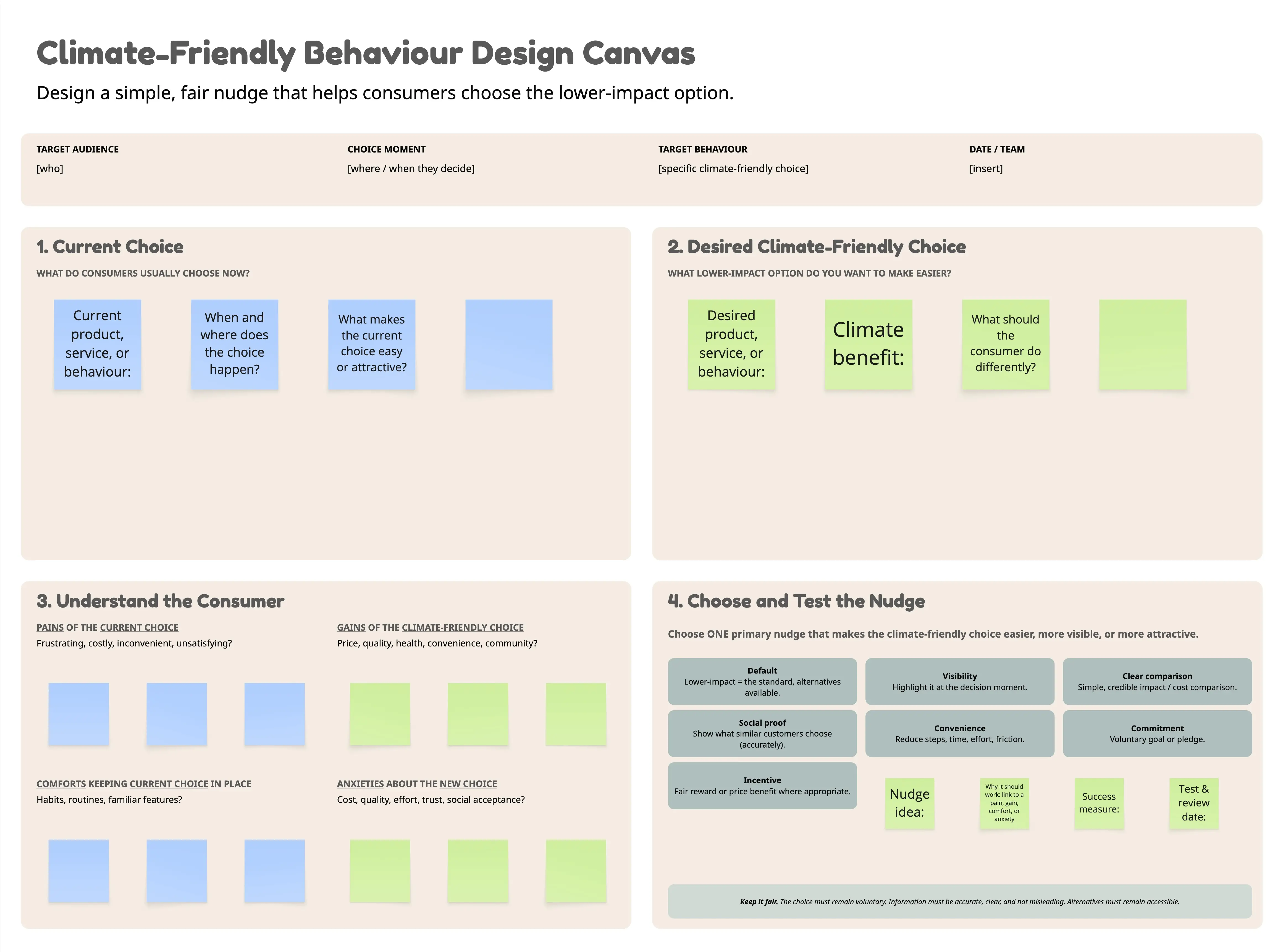
A high-performance Behavior Board requires these five core elements:
The Target Behavior: A specific, measurable action (e.g., "Upload 1 photo," not "Be active").
Internal Triggers: The emotional state of the user right before the action (e.g., Boredom, Loneliness, Fear).
External Triggers: The notification, email, or button that prompts the action.
Friction Audit: A list of every cognitive or physical hurdle (e.g., "Too many fields," "Requires a password").
The Investment Phase: What the user "puts into" the product to make it harder to leave (e.g., Data, Reputation, Skill).