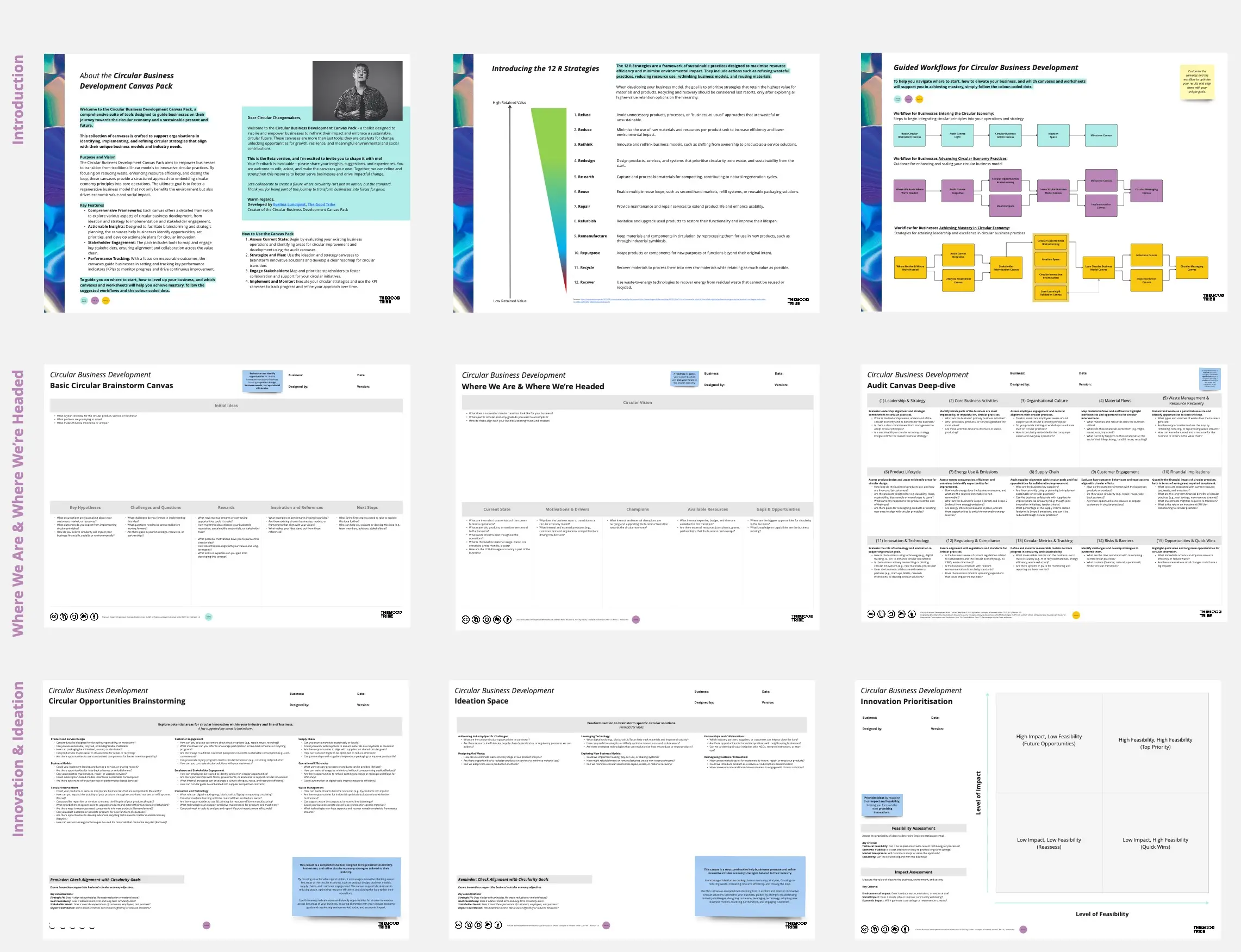
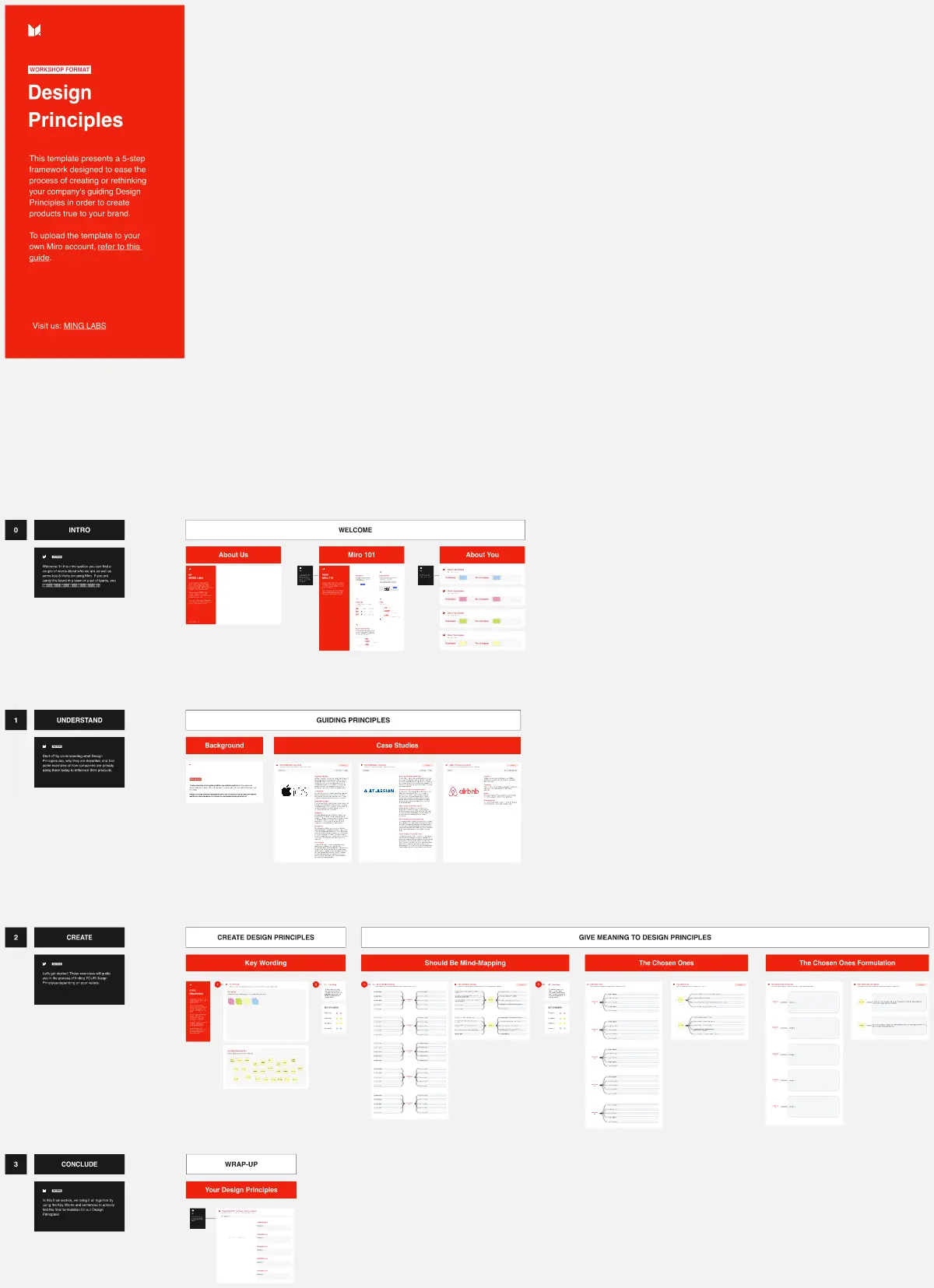
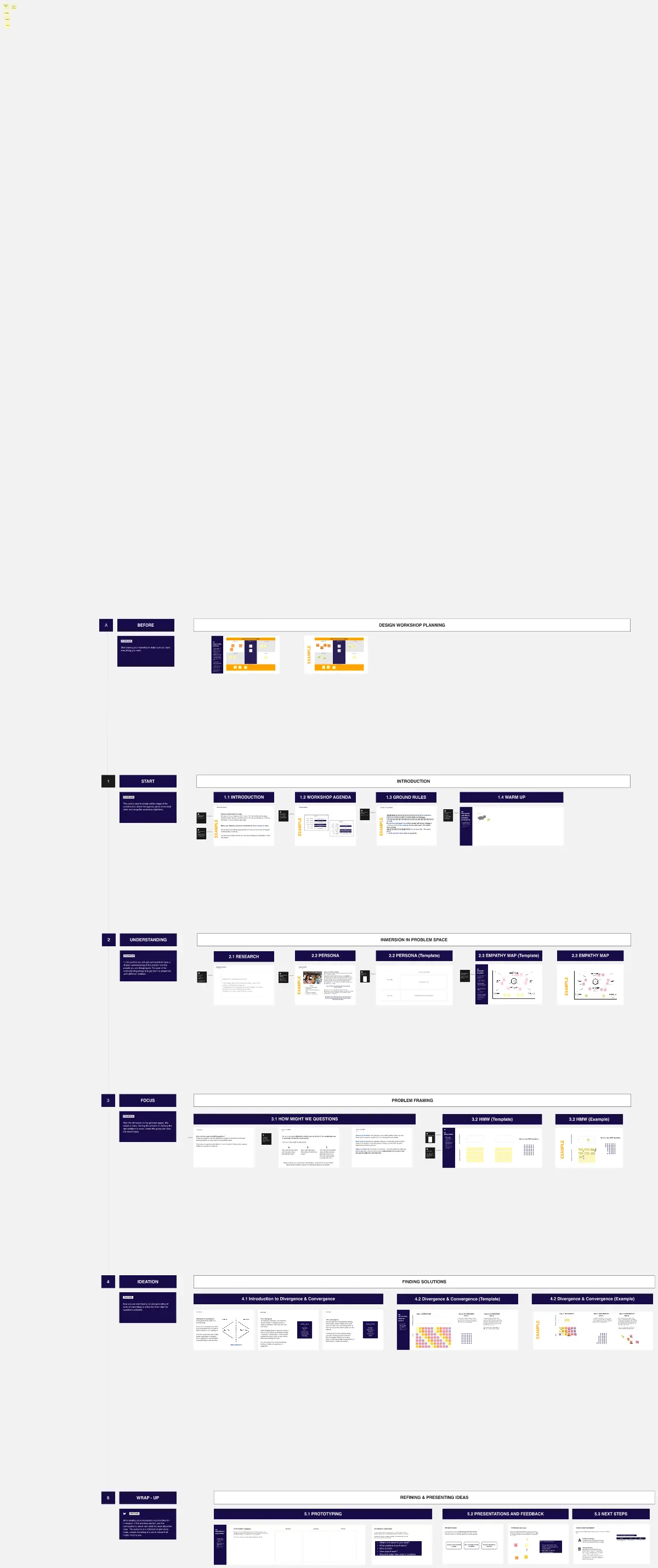
Design a simple, fair nudge that makes it easier for consumers to choose a lower-impact option.
Purpose of the template
Small design choices can make sustainable options easier to notice, understand, and choose. This canvas helps teams turn a climate-friendly intention into a practical behaviour-change experiment—without removing consumer choice or relying on misleading claims.
It focuses on one audience, one decision moment, and one specific behaviour. The result is a clear, testable nudge grounded in what consumers value and what gets in their way.
What is included
The canvas works through four areas:
Current choice
Desired climate-friendly choice
Understand the consumer
Choose and test the nudge
It helps you identify the current behaviour, define the lower-impact alternative, explore consumer pains, gains, comforts, and anxieties, then select one primary nudge. Suggested nudges include lower-impact defaults, visibility, clear comparisons, social proof, convenience, voluntary commitments, and fair incentives.
How to use it
Choose one target audience and one specific choice moment—for example, selecting a delivery option, buying a product, choosing a meal, renewing a service, or returning an item.
Work through the canvas from top to bottom. Describe the current choice, define the lower-impact alternative, and capture the consumer motivations and barriers that shape the decision. Use these insights to select one primary nudge that makes the climate-friendly option easier, more visible, or more attractive.
Record the nudge idea, why it should work, its owner, a success measure, and a test-and-review date. Test it on a small scale, learn from the results, then improve, expand, or stop the intervention.
Suggested workshop
Run this as a 45–60 minute workshop with the people closest to the consumer journey.
Start by agreeing the target audience, choice moment, and intended climate-friendly behaviour. Spend 10 minutes documenting the current choice and its appeal, then 15–20 minutes identifying consumer pains, gains, comforts, and anxieties.
Use the remaining time to choose one nudge, agree how it will be tested, and define a simple success measure—for example, uptake of the lower-impact option, reduced waste, lower emissions, or customer satisfaction. End by assigning an owner and review date.
Who it is for
Use this canvas with product, service, design, marketing, customer-experience, sustainability, retail, operations, and innovation teams. It is useful for organisations that want to encourage more sustainable consumer choices in a practical and ethical way.
A fair and adaptable starting point
The canvas includes suggested questions and nudge types to help teams get started. Adapt, remove, or add to them to suit your audience, product, service, market, and evidence.
Keep every intervention fair: the choice must remain voluntary; information must be accurate, clear, and not misleading; and alternatives must remain accessible.
What you will leave with
A shared understanding of a consumer decision, a clearly defined climate-friendly behaviour, one evidence-informed nudge to test, and an agreed plan for measuring and improving it.