By signing up, you agree to Miro's Terms of Service and Privacy Policy.
5 examples of Agile portfolio management for better decision-making
Managing multiple projects and initiatives can be challenging without the right framework. That’s where Agile portfolio management comes in. This methodology helps organizations align their efforts, prioritize work, and adapt quickly to changes. Whether you’re new to Agile project portfolio management or looking for inspiration, this guide will walk you through its core principles, practical examples, and best practices.
What is Agile portfolio management?
Agile portfolio management is a dynamic approach to overseeing a collection of projects or initiatives. It focuses on aligning projects with strategic goals while maintaining flexibility to adapt to changing priorities. Unlike traditional portfolio management, which often relies on rigid plans, Agile embraces iterative planning, collaboration, and continuous improvement.
Key characteristics include:
- Value-driven prioritization: Focus on delivering the most value to stakeholders.
- Adaptability: Adjust portfolios based on feedback and market changes.
- Transparency: Foster clear communication across teams and stakeholders.
Why is Agile portfolio management important?
Adopting Agile methodologies in portfolio management offers several benefits for organizations aiming to stay competitive and responsive.
Aligns work with strategic goals
By emphasizing alignment, Agile ensures every project contributes to broader business objectives, preventing wasted effort.
Improves adaptability
Agile frameworks enable teams to respond to changes quickly, ensuring portfolios remain relevant in dynamic environments.
Enhances collaboration
Regular touchpoints and transparency encourage cross-functional collaboration, breaking down silos and fostering alignment.
Increases value delivery
By prioritizing high-value initiatives, Agile helps organizations focus resources where they’ll have the greatest impact.
Examples of Agile portfolio management
Real-world examples illustrate how organizations have successfully implemented Agile portfolio management to achieve strategic goals.
Example 1: A global tech company
A multinational technology company adopted Agile to streamline its product development portfolio. By prioritizing initiatives based on customer feedback and market demand, the company reduced time-to-market for key products and improved customer satisfaction.
Example 2: A healthcare provider
A healthcare organization used Agile principles to manage its IT portfolio. Frequent reviews allowed the team to adjust resources quickly, ensuring critical systems remained operational during unexpected challenges.
Example 3: A manufacturing firm
A manufacturing firm applied Agile lean portfolio management to improve efficiency. By focusing on minimizing waste and delivering value, the company enhanced production processes while cutting unnecessary costs.
Example 4: An educational institution
A university adopted Agile principles to manage its portfolio of online learning initiatives. By using Agile frameworks, the institution prioritized projects that aligned with student needs and technological advancements, resulting in a more engaging and up-to-date digital curriculum.
Example 5: A financial services provider
A global bank implemented Agile project portfolio management to modernize its customer-facing platforms. Frequent planning cycles and cross-functional collaboration helped the bank deliver updates faster, improve customer experience, and adapt to regulatory changes more efficiently.
How to manage Agile portfolios
Managing portfolios in an Agile environment requires a shift in mindset and approach. Here are key steps to get started:
Define strategic objectives
Clearly articulate your organization’s goals and align all portfolio initiatives with these priorities.
Establish iterative planning cycles
Replace rigid, annual plans with regular, iterative planning sessions to stay adaptable.
Prioritize continuously
Use value-driven criteria to rank initiatives and allocate resources effectively.
Foster collaboration
Involve cross-functional teams and stakeholders to ensure diverse perspectives and better alignment.
Agile project portfolio management
Agile project portfolio management focuses on overseeing multiple projects within the Agile framework. It ensures individual projects align with broader strategic objectives while enabling teams to operate autonomously.
Key principles include:
- Empowered teams: Allow teams to make decisions within their scope.
- Frequent feedback loops: Regularly review project progress and adjust as needed.
- Incremental value delivery: Focus on delivering value in smaller, manageable increments.
Agile lean portfolio management
The lean Agile portfolio management approach integrates Lean principles into portfolio oversight. It emphasizes reducing waste and optimizing workflows to maximize efficiency.
Key benefits of lean Agile portfolio management
The key benefits include:
- Streamlined processes: Simplify workflows to remove unnecessary steps.
- Faster decision-making: Enable teams to respond quickly to market changes.
- Improved resource allocation: Use data to allocate resources where they’ll have the greatest impact.
Simplify portfolio management with Miro
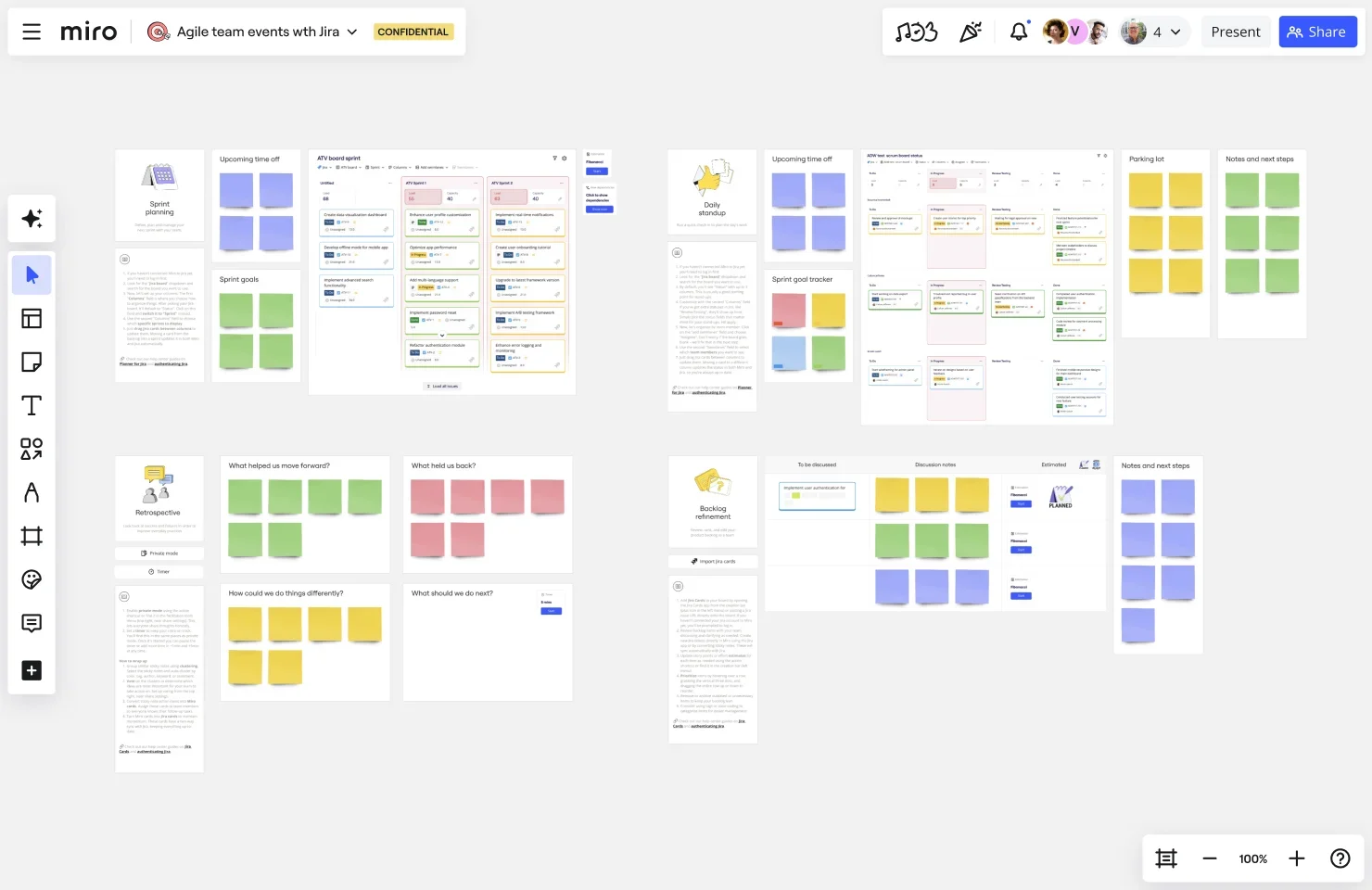
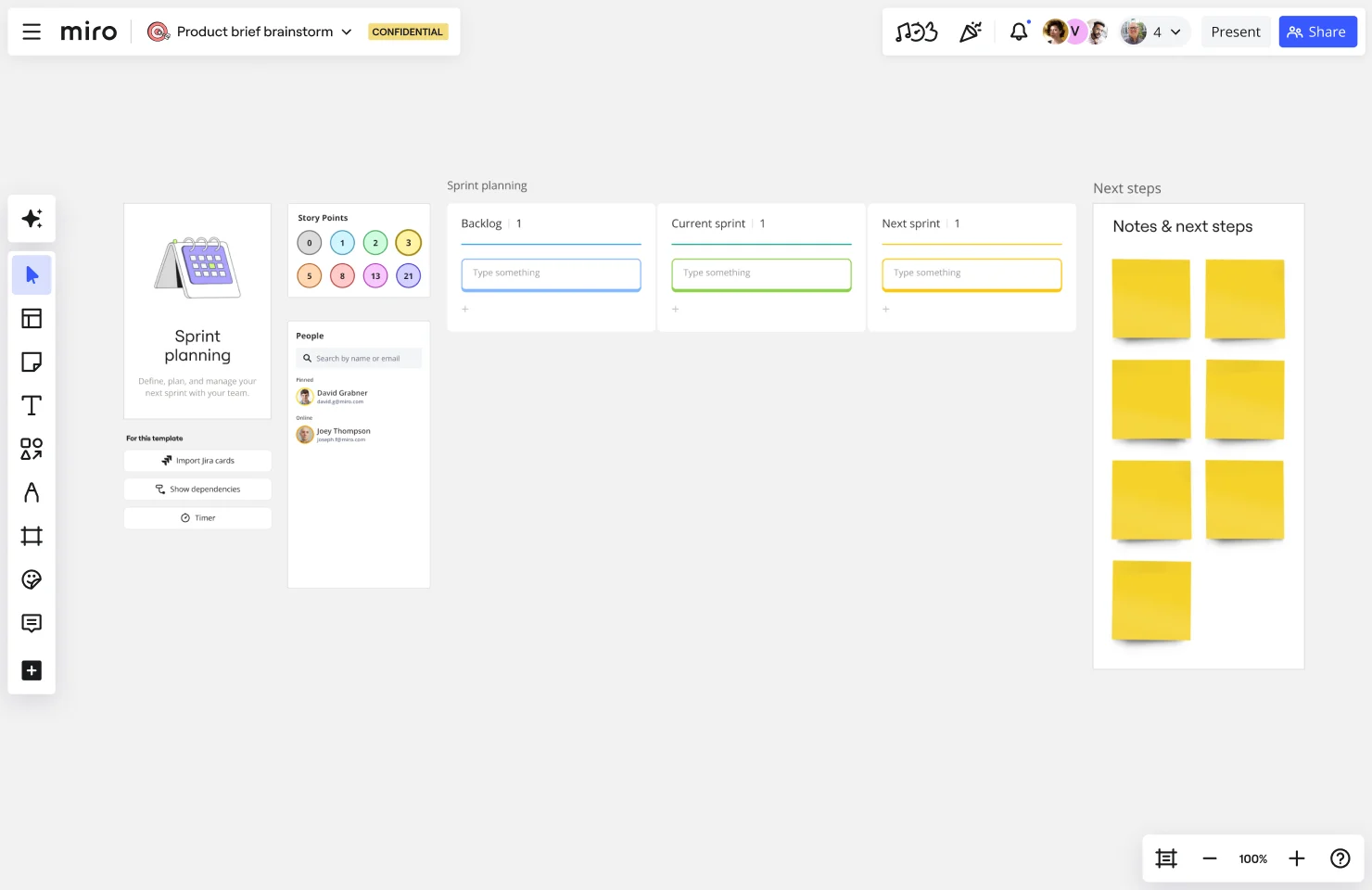
Miro empowers teams to adopt Agile portfolio management seamlessly. Use Miro’s templates to visualize goals, track progress, and foster collaboration in real time. Whether you’re exploring what an Agile portfolio management is or learning how it's done, Miro has the tools to help your team succeed.
Sign up for Miro.
Read more
Join our 100M+ users today


