What is the Retail Business Plan Template?
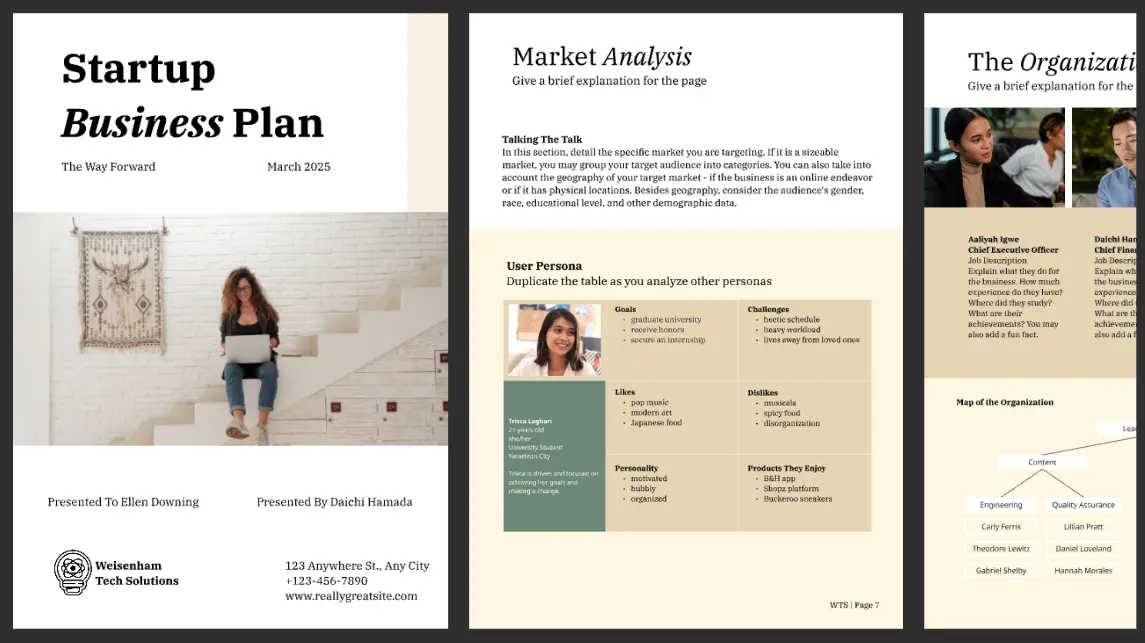
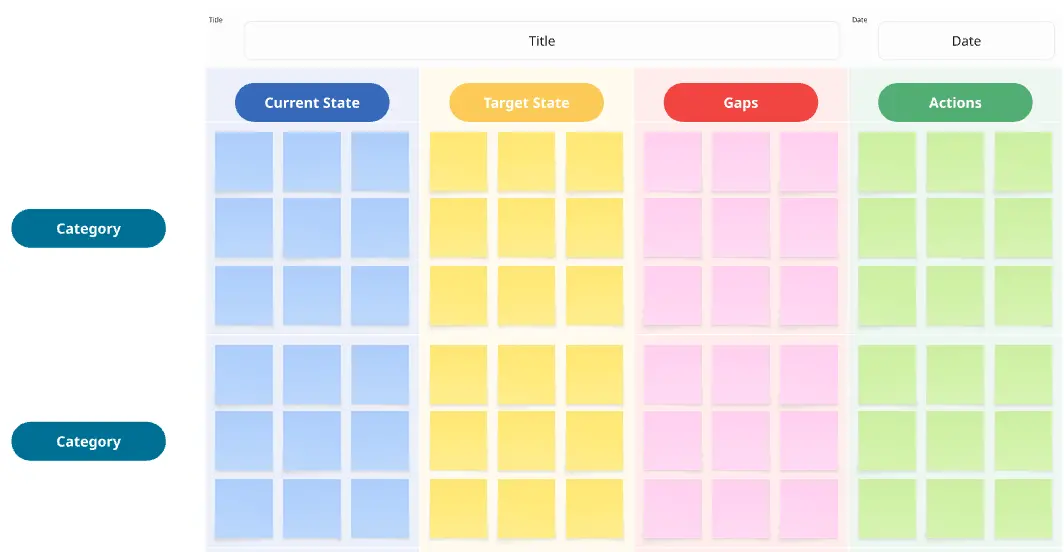
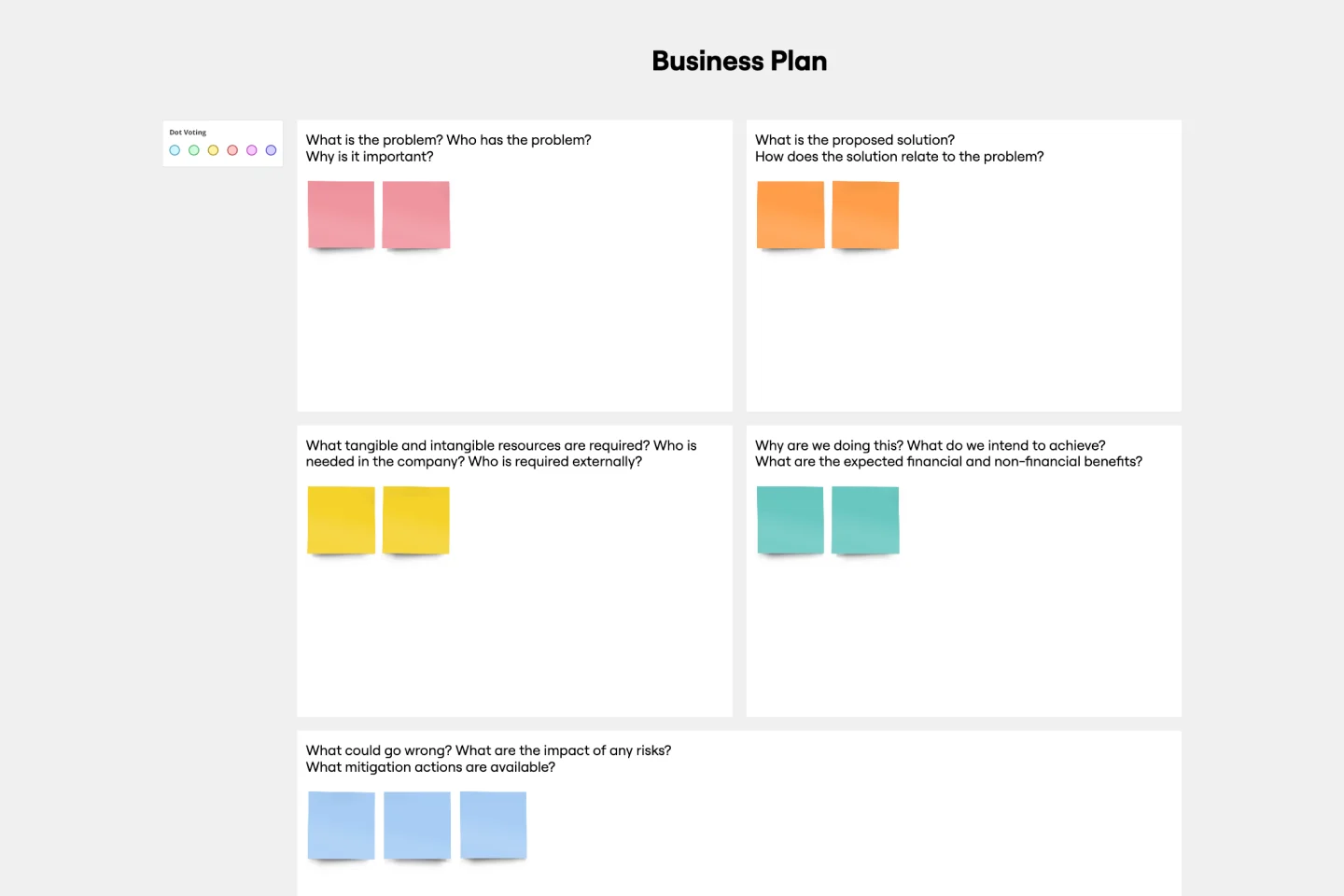
A retail planning template that helps store, ecommerce, pop-up, and hybrid retail businesses define their customer, product mix, shopping experience, sales channels, operations, financial goals, and growth priorities.
What problem does the Retail Business Plan Template solve?
Unclear target customer
Poor product assortment planning
Weak shopping experience
Disconnected sales and marketing channels
Inventory and supply issues
Unclear financial targets
Growth without a focused plan
How to use the Retail Business Plan Template
Describe the retail business and its main offer.
Define the primary customer and market opportunity.
Build the product mix and price range.
Map the customer shopping experience.
Choose sales and marketing channels.
Document suppliers, inventory, fulfillment, and staffing.
Set financial goals and growth priorities.
Summarize the plan in one final snapshot.
Common pitfalls
Trying to sell too many product categories
Buying too much inventory too early
Choosing channels without customer evidence
Ignoring fulfillment costs
Setting sales goals without margin targets
Adding growth ideas before proving demand
Ways to avoid mistakes
Start with a focused product assortment.
Use customer research before expanding categories.
Track inventory turnover and reorder points.
Include shipping and fulfillment in cost planning.
Set sales, margin, and break-even targets together.
Review the plan after seasonal or demand changes.
Miro Features You Can Use
Frames for each business plan page
Tables for product mix and pricing
Sticky notes for customer needs and market ideas
Tags for product categories and priorities
Comments for supplier and operations notes
Color coding for sales, operations, and finance
Charts for sales and margin targets
FAQs
Q: Who can benefit from this template?
A: Retail founders, ecommerce teams, store owners, merchandisers, operations leads, and small retail businesses.
Q: What types of retail businesses can use it?
A: Ecommerce brands, physical stores, pop-ups, boutiques, marketplaces, and hybrid retail businesses.
Q: How many product categories should be included?
A: A small set of core categories keeps the plan focused and easier to manage.
Q: Can this template support a new retail launch?
A: Yes. It works well for pre-launch planning, store openings, ecommerce launches, and seasonal expansion.
Q: How often should the plan be reviewed?
A: Review it quarterly, after major seasonal periods, or when product demand and operating costs change.
Q: What will participants leave with?
A: A retail business plan covering customer, product mix, shopping experience, sales, marketing, operations, financial targets, and growth priorities.