Youth Climate Leadership Development Plan
Build confidence, strengthen connections, and turn local climate concerns into shared action.
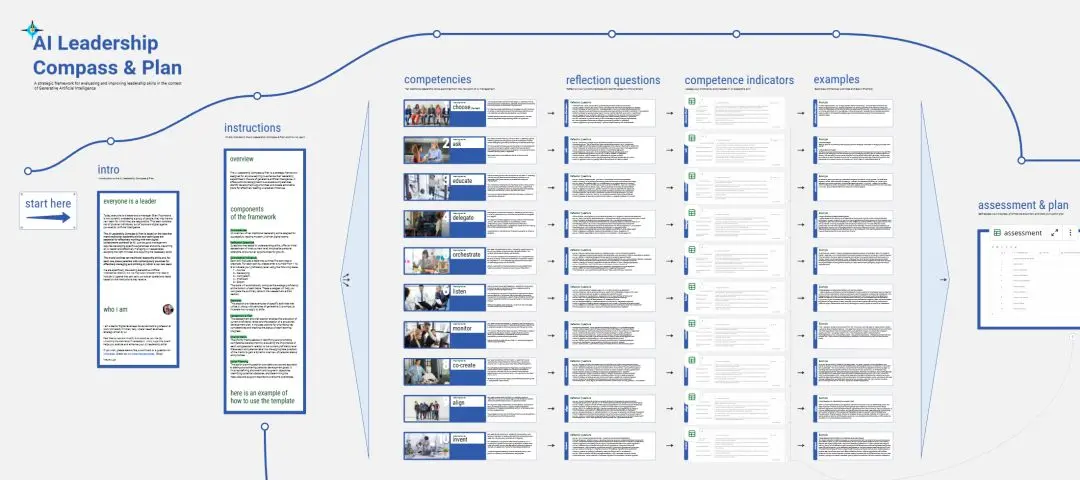
This template helps young people develop leadership skills while planning a climate or environmental initiative rooted in their community. It connects learning and collaboration with a practical project, campaign, event, consultation, or local improvement.
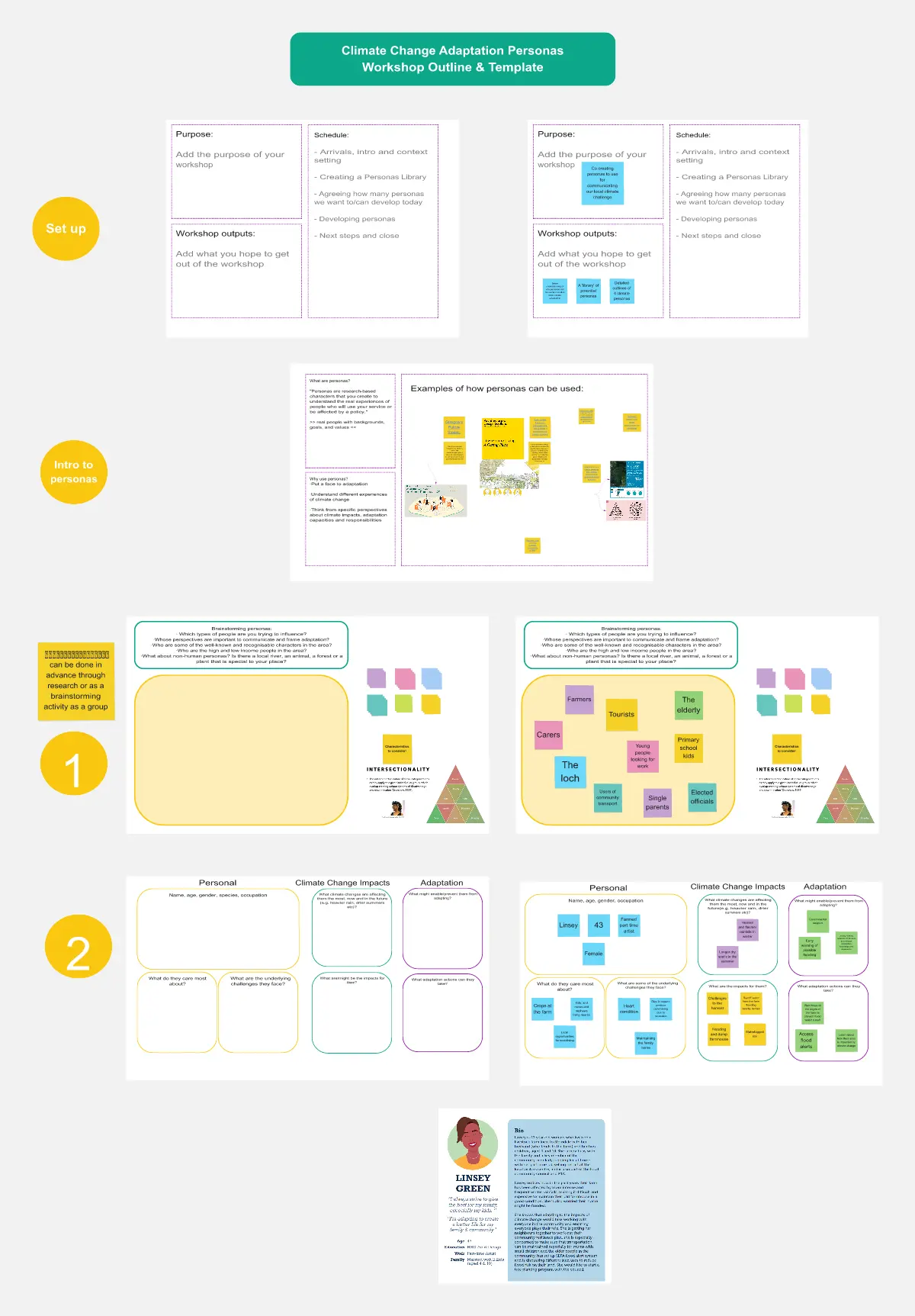
Five guided sections take participants from finding a shared purpose to building an inclusive team, connecting with allies, organising action, and reflecting on progress. An action-plan table makes youth leadership and adult or organisational support visible.
Who is this template for?
Youth groups, student councils, climate clubs, schools, community organisations, NGOs, and youth workers supporting young people to lead change.
Use it to launch a youth climate initiative, plan a local campaign, develop a leadership programme, or strengthen an existing group. It works best when young people shape the agenda and decisions, with adults offering support, access, and accountability.
Before you begin
Choose a community or setting to focus on, such as a school, neighbourhood, or town. Add the participants, meeting date, and place, and discuss what the group hopes to achieve.
For an initial session, allow approximately 90–120 minutes. This is a suggested starting point; relationship-building, learning, and action planning can continue across several meetings.
Agree how decisions will be made, what young people can influence, and what support is available. Consider accessibility, transport, timing, language, safeguarding, and other factors that could affect participation.
How to use the Youth Climate Leadership Development Plan
1. Find your issue and shared purpose
Explore the climate or environmental issues that matter locally. Who is affected, what needs to change, and what strengths and experiences do young people already bring?
Choose a focus and write a shared goal. Keep it meaningful to participants and specific enough to guide action—for example, improving cycling safety around a school.
2. Build an inclusive youth team
Identify who should be involved and whose perspectives are missing. Explore barriers that may prevent young people from different communities, neighbourhoods, or abilities from taking part.
Record the support needed for safe, confident participation. Agree how the group will make decisions and create space for different ways of contributing.
3. Learn, connect, and open dialogue
Choose skills the group wants to develop, such as climate knowledge, storytelling, public speaking, organising, or campaigning.
Identify existing youth groups, NGOs, schools, community organisations, businesses, and public bodies that could support the work. Discuss which adults can listen, share decision-making power, open doors, and follow through on commitments.
4. Co-create an action or campaign
Brainstorm practical ways to move the goal forward. Choose an action that fits the group’s interests, capacity, and available support.
Use the action-plan table to break it into tasks. Assign youth leads, identify adult or organisational support, and set deadlines. Finish with a clear first step that the group can begin.
5. Share progress, reflect, and grow
Define signs that the action is helping and decide how to gather feedback. Distinguish what you hope will change from what you can realistically observe or measure.
Plan how to share learning with peers, supporters, decision-makers, and the wider community. Reflect on what should continue, change, or grow, and choose the next leadership step.
Facilitation tips
Begin with individual reflection or sticky notes before group discussion so everyone has time to contribute. Offer alternatives to speaking in front of the group.
Keep young people’s ideas and choices central. Ask adults to be clear about their commitments and any limits on what they can offer.
Choose an achievable starting point, celebrate learning as well as outcomes, and review responsibilities regularly so the work does not fall on a few people.
What will you leave with?
A shared local climate goal, an inclusive team approach, priority skills to develop, and a map of potential allies.
You’ll also have a practical action plan with youth leads, named support, and deadlines—plus signs of success and a next step for continued leadership development.