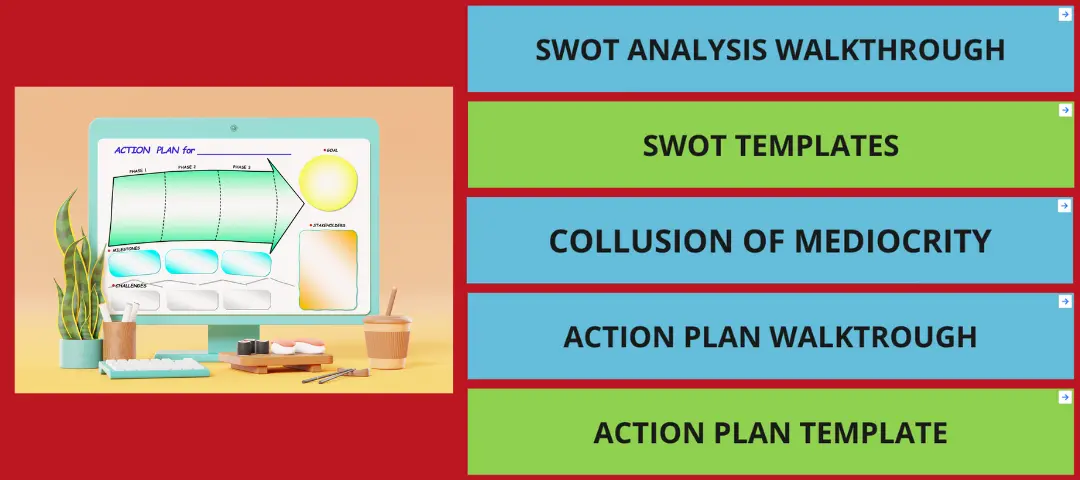
World AIDS Day Action Plan
Bring people together to build awareness, challenge stigma, and support people affected by HIV.
Turn an idea for World AIDS Day into a practical, shared plan. Whether you’re organising an event, fundraiser, workshop, exhibition, campaign, or outreach activity, this template helps you connect your purpose with the people, resources, and steps needed to deliver it.
Six guided sections and a team-and-partnerships table support planning from the first conversation through to follow-up. Prompts on privacy, accurate information, accessibility, and respectful participation help you consider how the activity will feel for those involved.
Who is this template for?
Community groups, charities, HIV-support organisations, schools, student groups, workplace networks, campaigners, and anyone coordinating a World AIDS Day activity.
Use it to develop a new idea, bring partners together, or review an existing plan. Adapt the scope to your community, resources, and experience—from a small awareness activity to a wider collaborative campaign.
Before you begin
Choose an initial focus, such as awareness, stigma, solidarity, fundraising, or access to trusted information and support. Gather relevant organisational requirements, available resources, and potential partner contacts.
For an initial planning session, allow approximately 60–90 minutes with your core organising group. This is a suggested starting point; larger activities may require follow-up sessions.
Consider how people living with HIV and relevant support organisations can shape the activity safely and meaningfully. Agree how contributions will be used, and avoid recording personal health information on the shared board.
How to use the World AIDS Day Action Plan
1. Define the purpose and shared goal
Identify the HIV-related issue your action will address and why it matters locally.
Agree on the change you want to support. Keep the goal specific enough to guide your choices about audience, format, partnerships, and communication.
2. Decide what you will do
Choose an activity that fits your purpose and capacity, such as a fundraiser, workshop, exhibition, outreach activity, or campaign.
Describe who it is for and what participants will learn, experience, make, or contribute. Capture the format, key activities, expected participation, date, and location.
3. Build the team and partnerships
Identify who will lead, support, speak, host, promote, or volunteer. Explore partnerships with health organisations, HIV-support groups, schools, charities, artists, and community organisations.
Use the team-and-partnerships table to clarify responsibilities. Discuss how lived experience and expertise will inform the activity, including contributors’ preferences, consent, and support needs.
4. Plan the practical details
Map the venue, materials, equipment, budget, permissions, accessibility support, and safeguarding arrangements needed.
Agree how you will protect privacy, review information, and make participation welcoming and respectful. Assign owners and deadlines for outstanding checks.
5. Invite people and share the message
Develop a clear key message and choose channels that suit your audience, such as posters, social media, email, local press, or partner networks.
Explain how people can participate and where they can find trusted information or support. Arrange for a relevant health or HIV-support partner to review health-related content before publication.
6. Measure success and follow through
Choose signs of success linked to your goal. These might include participation, funds raised, learning, feedback, or new partnerships.
Plan how to collect feedback without requesting unnecessary personal information. Decide what happens after World AIDS Day, including sharing results, thanking contributors, and continuing useful relationships.
Facilitation tips
Start with individual sticky notes, then discuss and group ideas. Keep the plan achievable and make room for different perspectives.
Avoid assumptions about anyone’s HIV status or experiences. Seek explicit consent before sharing personal stories, photographs, or identifying details, and agree how contributors can review their representation.
Finish with clear owners, deadlines, and a next planning check-in.
What will you leave with?
A shared goal, a defined activity, and a practical plan covering roles, partnerships, resources, communication, and inclusive participation.
You’ll also have signs of success, a feedback approach, and a follow-through action to help carry awareness, solidarity, and support beyond World AIDS Day.