Project Engineering Gap Analysis
Brief
A structured framework for systematically evaluating organizational engineering capabilities across five critical phases: Current State, Objectives, Gap Analysis, Implementation, and Monitoring. Each phase utilizes a Strengths-Weaknesses-Opportunities assessment model to analyze capabilities, identify improvement areas, and track transformation progress.
Who Can Use It
Engineering managers and project leaders
Operations directors and plant managers
Reliability engineers and maintenance supervisors
Continuous improvement teams
Organizational development professionals
Technical training coordinators
Anyone responsible for engineering capability development and transformation initiatives
How to Use It
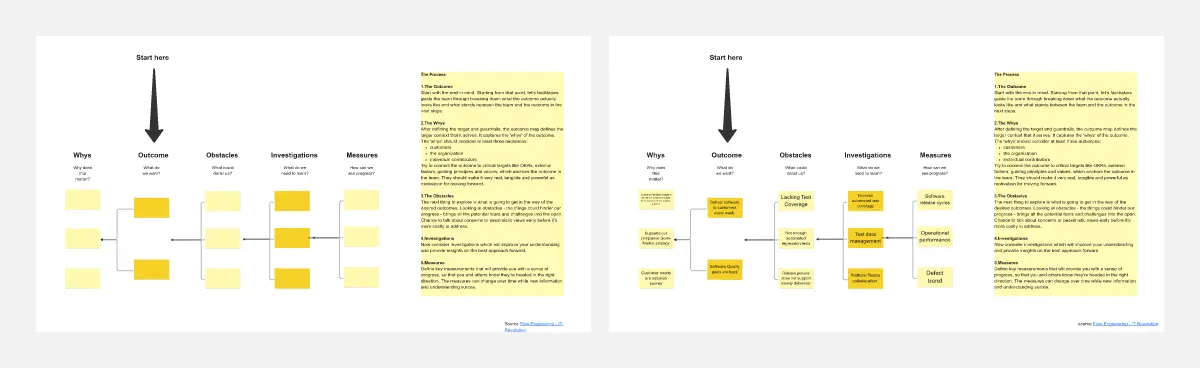
Phase 1 - Current State: Document existing strengths, weaknesses, and opportunities in your engineering organization.
Phase 2 - Objectives: Define clear, measurable targets and desired future state with executive alignment.
Phase 3 - Gap Analysis: Identify specific capability deficits between current and desired states, prioritizing critical gaps.
Phase 4 - Implementation: Develop phased action plans with timelines, resource allocation, and accountability assignments.
Phase 5 - Monitoring: Establish KPIs, governance structures, and tracking mechanisms to measure progress and ROI.
Work systematically left to right through each phase, ensuring thorough analysis before moving forward.
About Example Used
The template example demonstrates an Oil & Gas facility's transformation from reactive to proactive maintenance. The facility had a 70% breakdown-driven maintenance culture and aimed to achieve 85% planned maintenance through CMMS implementation, predictive monitoring programs, and workforce development. The 18-month phased approach resulted in 25% reduction in emergency maintenance calls and 2.3-year ROI payback period.
Cheers!
Khawaja Rizwan