Define procurement requirements that meet business needs while considering environmental, social, circularity, and supplier-risk priorities.
Purpose of the template
Procurement decisions shape an organisation’s costs, performance, resilience, environmental impact, and social value. This template helps cross-functional teams turn a purchasing need into clear, evidence-based, and responsible procurement requirements.
It supports teams in defining what they need to buy, what good supplier performance looks like, what evidence is required, where gaps exist, and how to move forward with confidence.
What is included
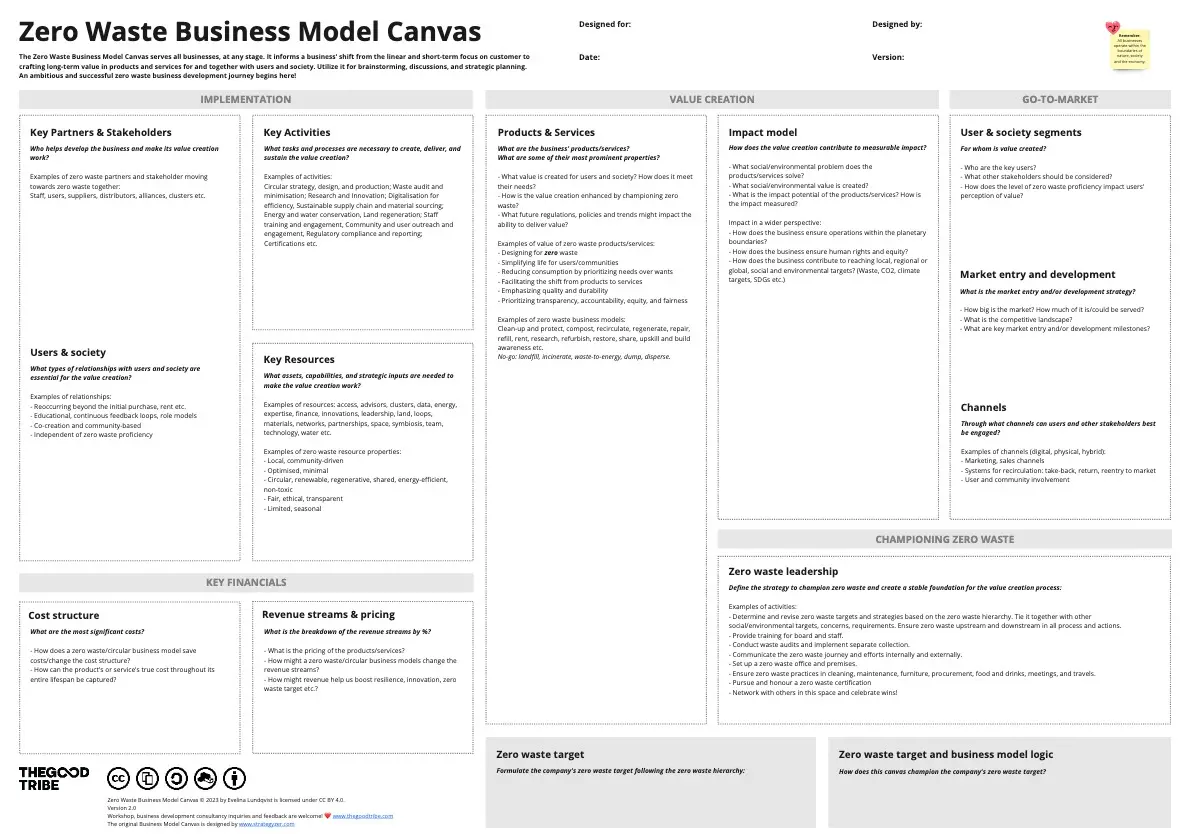
The template follows six connected stages:
Procurement need & context
Scope & priorities
Requirements to meet
Supplier data & evidence
Owners & stakeholders
Gaps & sourcing plan
Each stage includes guiding questions covering business needs, functional requirements, cost, quality, supply resilience, environmental and social impacts, circularity, supplier evidence, ownership, and implementation.
How to use it
Start by completing the template header, including the procurement name, deadline, scope, and document owner.
Work from Stage 1 to Stage 6. Add evidence, assumptions, questions, risks, decisions, and relevant supplier information as you go. Where information is missing or uncertain, record it clearly rather than guessing.
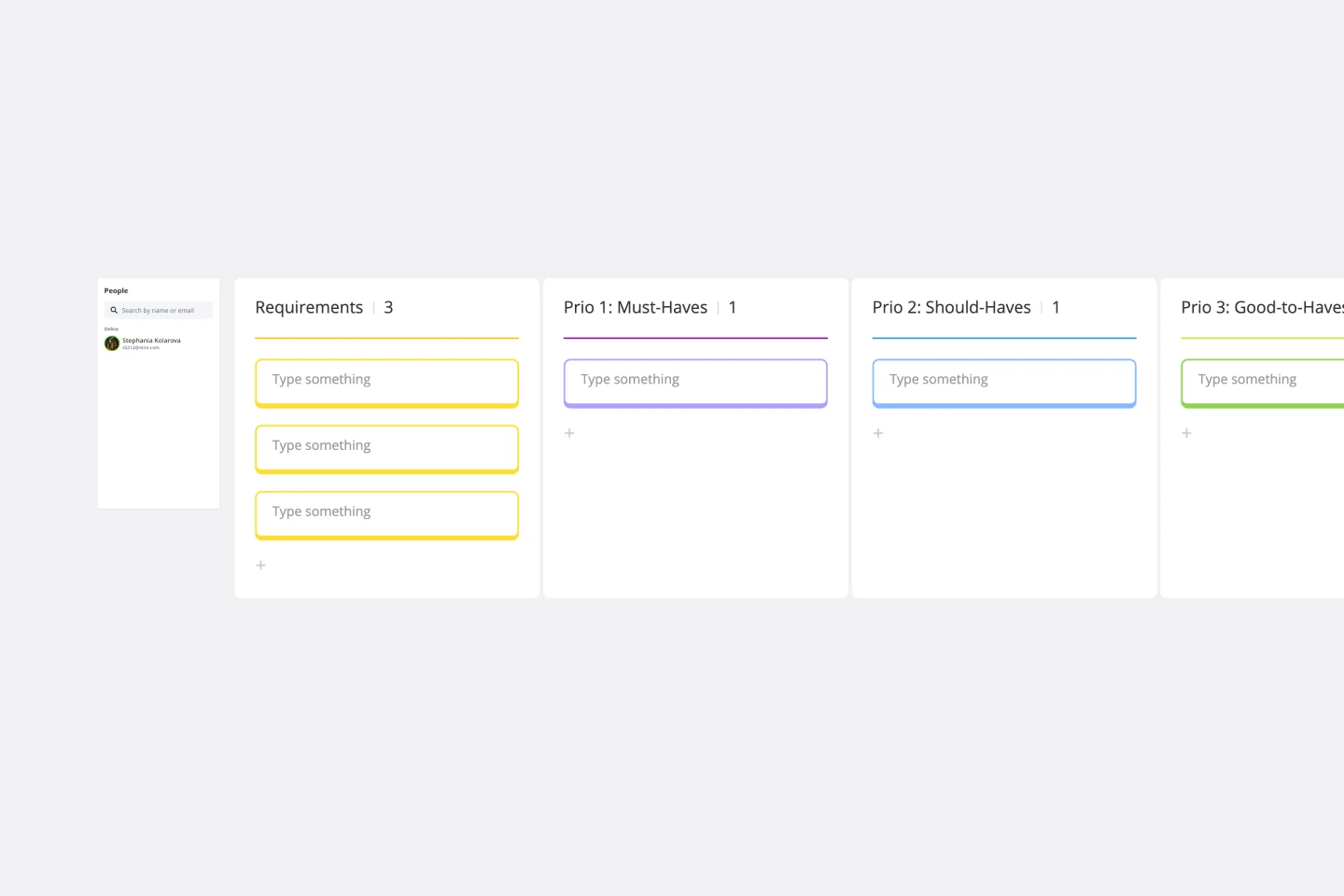
Use the requirements stage to distinguish between Must-have, Should-have, Could-have, and Won’t-have-for-now requirements. Include functional, technical, quality, safety, environmental, social, ethical, and circularity requirements as relevant.
Finish by agreeing the priority gaps, evidence still needed, supplier options, actions, accountable owners, key decisions, and deadlines.
Suggested workshop
Run this as a 90–120 minute cross-functional workshop before a sourcing process starts or when an existing procurement approach needs improving.
Before the session, gather the business case, current specifications, spend or volume information, supplier information, relevant policies, contracts, and any available sustainability data.
Begin by agreeing the need, scope, and priorities. Then work through the requirements and supplier-evidence stages, capturing what is essential, what can be improved, and what evidence is needed to make a sound decision. Use the final part of the session to identify gaps, assign owners, and agree the sourcing plan.
Who it is for
Use this template with procurement, sustainability, finance, legal, operations, facilities, IT, product, technical, quality, and leadership teams. It is also useful when engaging suppliers, consultants, auditors, and end users.
A starting point, not a complete list
The template is prefilled with suggested questions and considerations to help teams get started. These are prompts—not fixed answers or a complete checklist. Change, remove, or add to them to reflect the category, market, geography, supplier base, internal policies, and purchasing priorities.
What you will leave with
A shared procurement scope, prioritised requirements, clear evidence needs, named owners, identified supplier and data gaps, and a practical sourcing plan with actions and deadlines.