Start every client engagement with shared clarity on goals, scope, priorities, risks, and next steps.
Purpose of the template
Freelance work runs more smoothly when the client and freelancer agree what success looks like before delivery begins. This board set helps you capture, evaluate, prioritise, and agree the requirements for a new client engagement.
It creates space to clarify the client’s real problem, expected outcomes, commercial and delivery constraints, sustainability priorities, decision-making process, and scope boundaries—before assumptions turn into rework.
What is included
The board set covers eleven connected areas:
Project details
Client goals & context
Success metrics
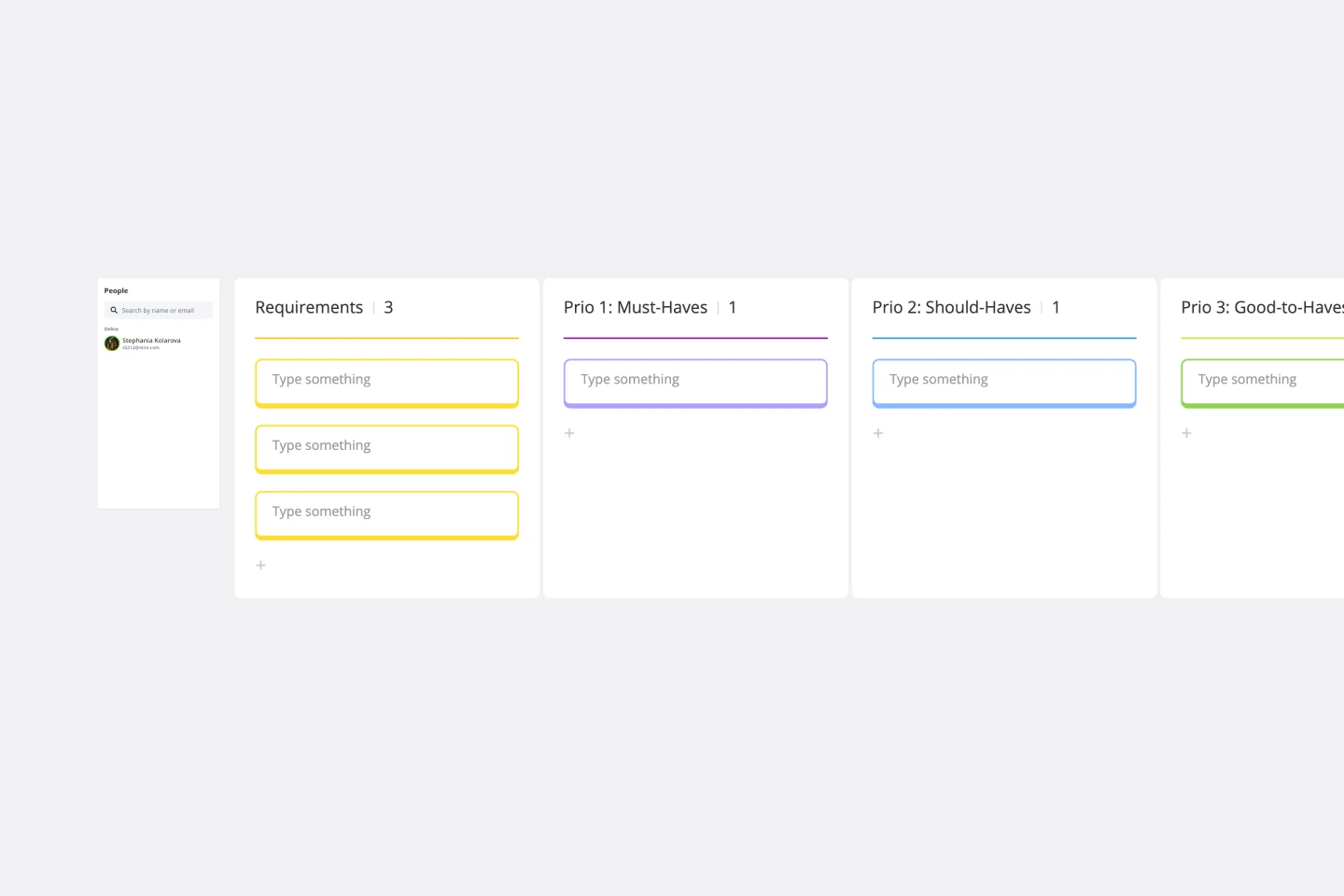
Requirements
Assumptions
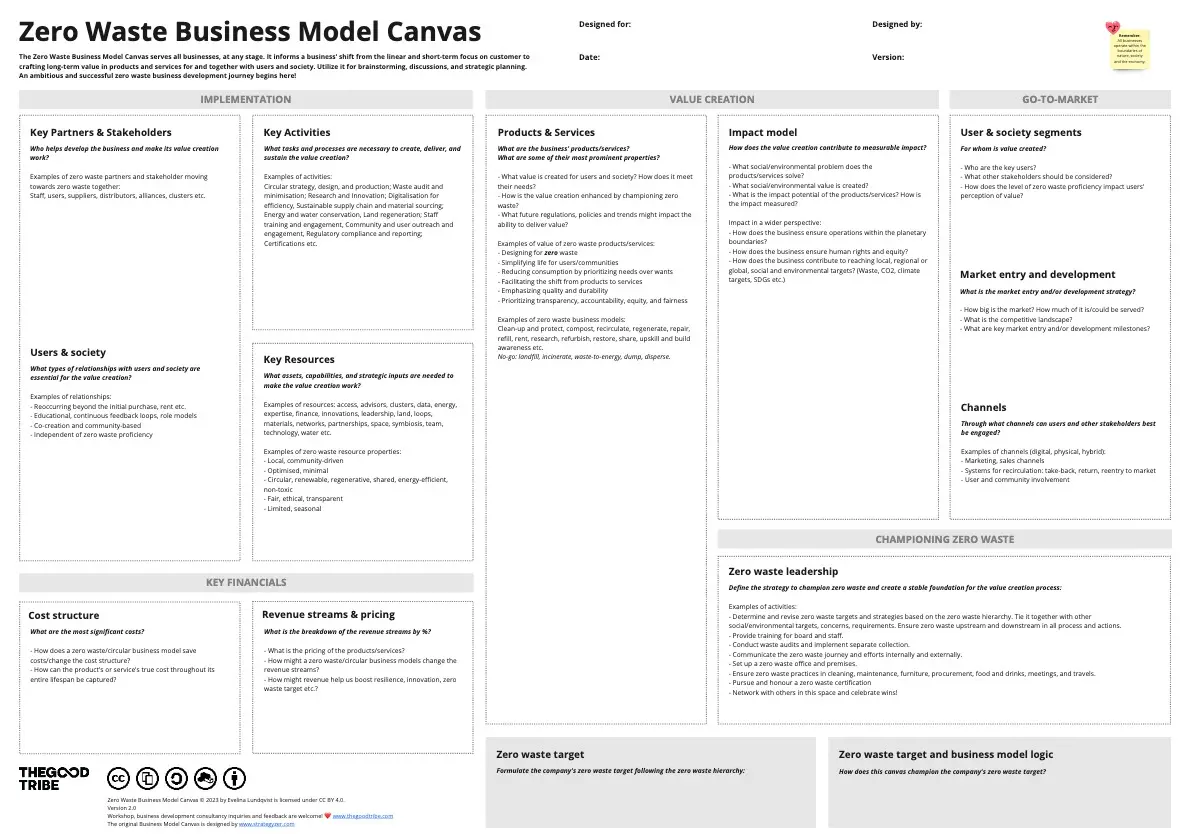
Constraints & risks
Stakeholders
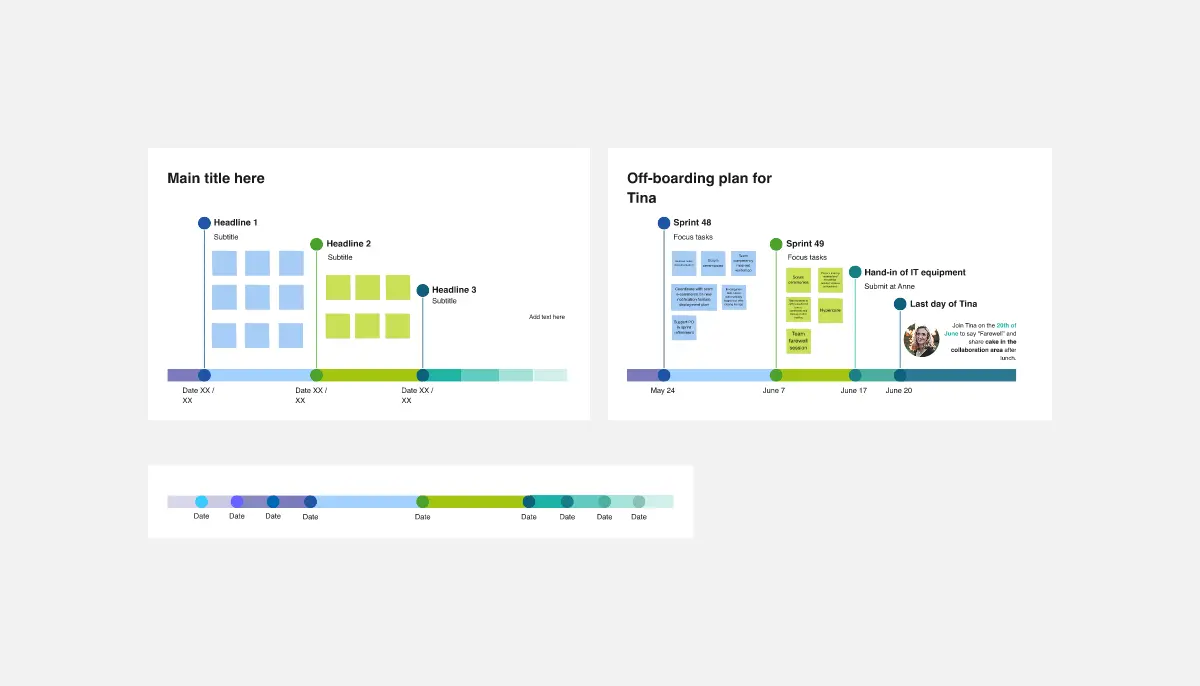
Key decisions & milestones
Open questions
Out of scope
Next steps
Every brainstorm board includes areas for Inputs, Decisions, Risks, and Agreed actions, making it easy to separate discussion from commitments.
How to use it
Use the boards at the start of a new client project, retainer, workshop, or piece of freelance work.
Work through the boards in order. Add one idea, requirement, assumption, risk, or question per sticky note. Capture both the client’s perspective and your own delivery needs.
For requirements, write needs and outcomes—not pre-decided solutions. Use the provided formats and prioritise each item with MoSCoW: Must-have, Should-have, Could-have, or Won’t-have for now.
Finish by reviewing the agreed requirements, unresolved questions, risks, scope boundaries, actions, owners, and deadlines. Share the agreed outputs with the client and relevant stakeholders.
Suggested working approach
Set aside 60–90 minutes to complete the board before starting the work. Begin by gathering what you already know: the client brief, proposal, emails, meeting notes, commercial arrangement, budget, timing, and relevant background.
Work through the boards independently first. Record the information you have, flag assumptions and unanswered questions, and identify where the brief is unclear or where client input is needed.
Then use the completed board as the basis for a focused client call, email, or short review meeting. Confirm goals, prioritised requirements, success measures, scope boundaries, key decisions, and next steps. Update the board after the conversation and share the agreed version with the client.
For smaller engagements, you may only need to complete the essential boards: project details, client goals, requirements, constraints and risks, out of scope, and next steps.
Who it is for
Use this template as a freelancer, independent consultant, agency partner, coach, designer, or project lead working with a new client. It is especially useful for work with uncertain scope, multiple stakeholders, sustainability goals, or complex approval processes.
A starting point, not a fixed brief
The boards include suggested prompts and requirement-writing guidance to make it easier to begin. They are prompts—not a complete checklist or a substitute for a contract. Adapt, remove, or add to them to suit the client, type of work, commercial arrangement, and delivery context.
What you will leave with
A shared brief for the engagement: clear client goals, prioritised requirements, success measures, agreed scope boundaries, known risks and assumptions, stakeholder roles, key milestones, and a practical next-step plan.