Questions for moving from linear to circular
Explore how to prevent waste, keep products and materials in use, and create value through circular thinking.
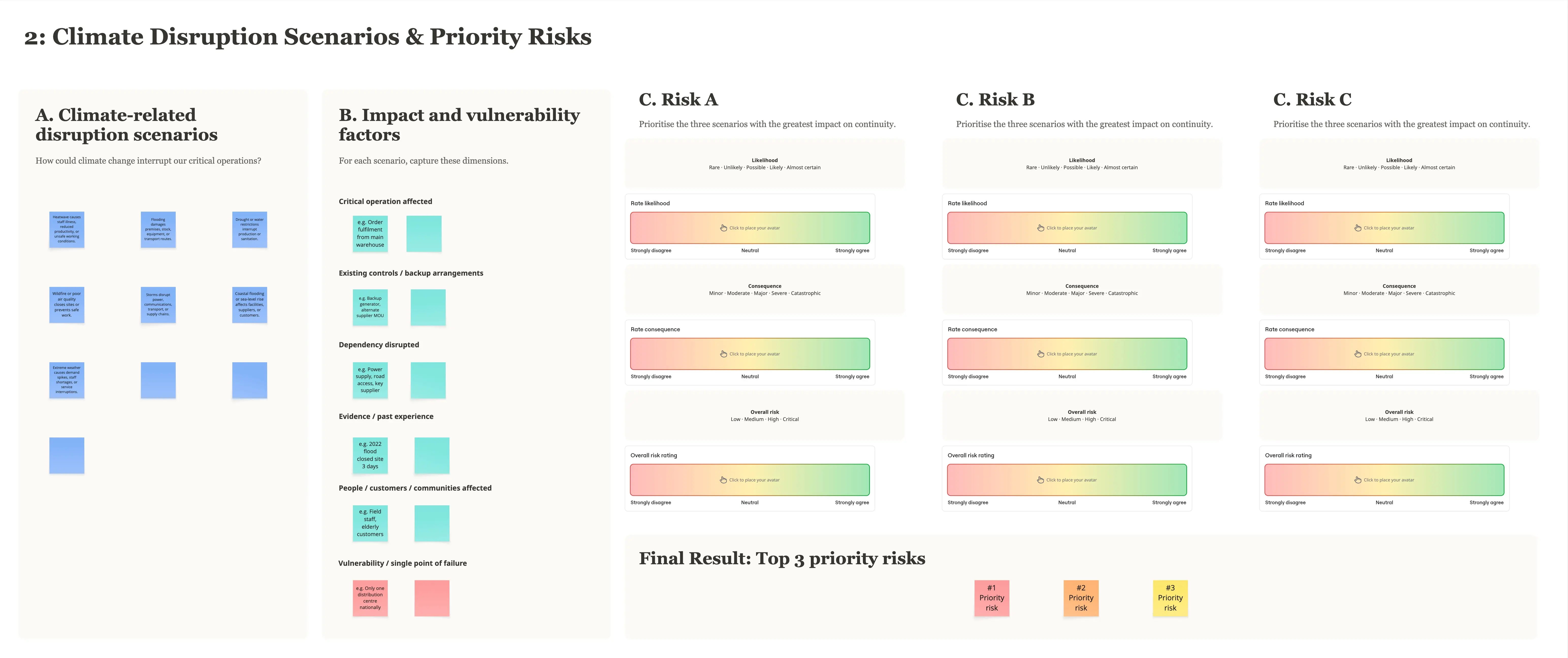
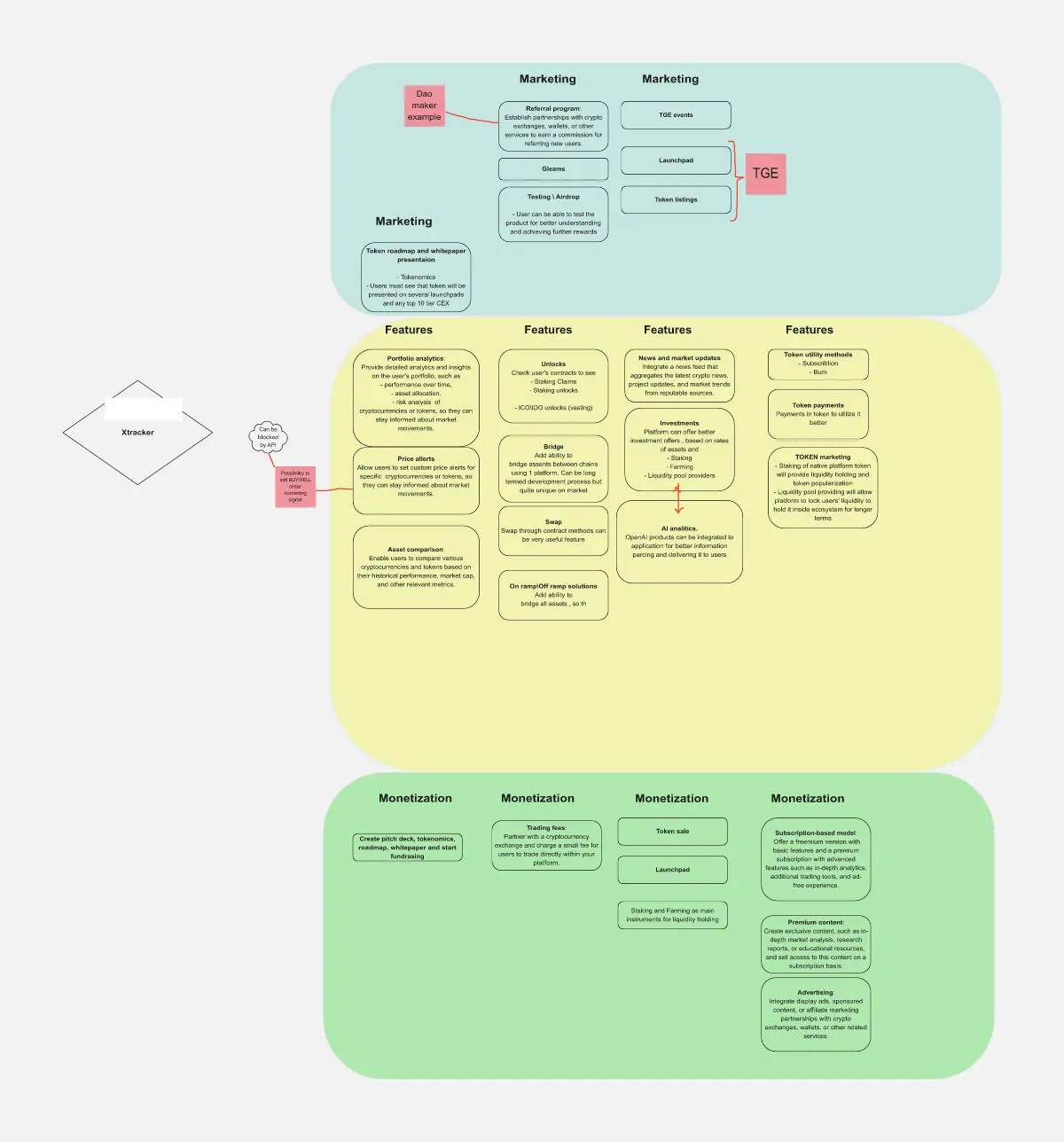
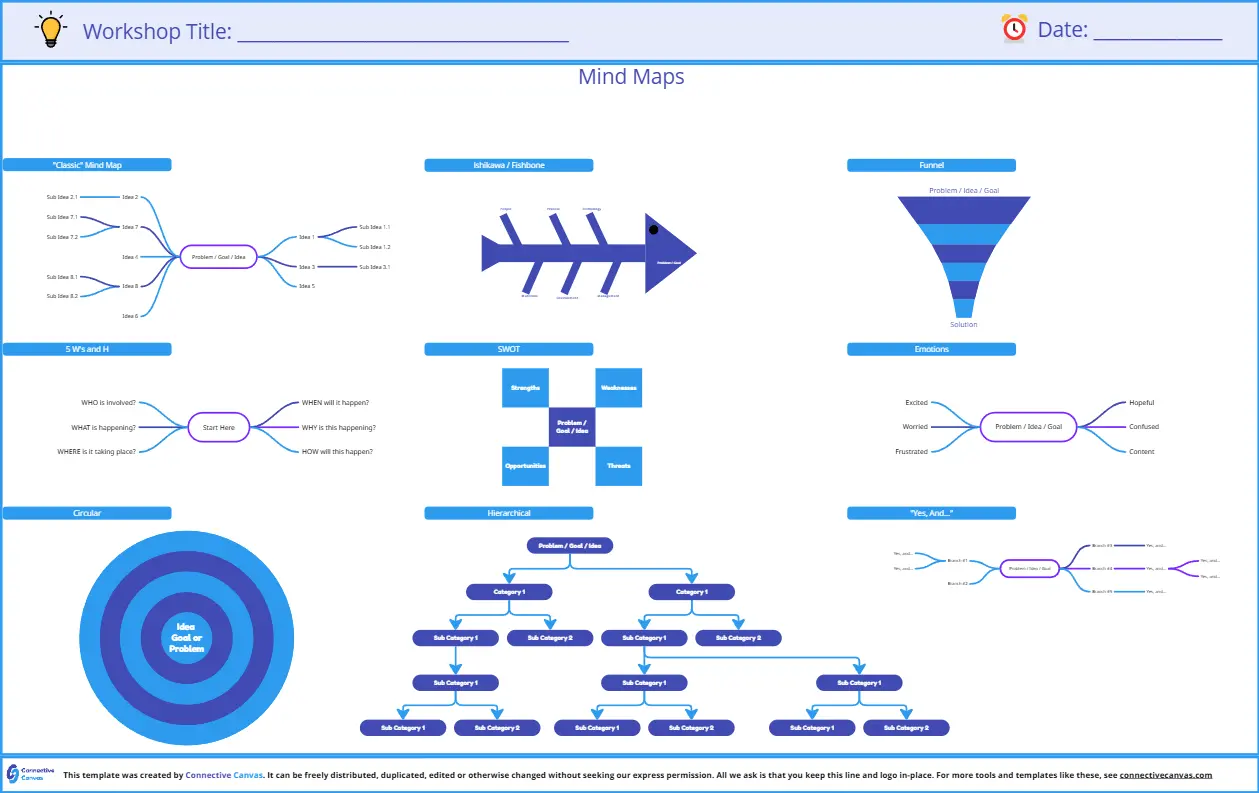
This mind map brings together circular principles and practical questions to help you challenge familiar ways of designing, producing, and delivering. With space to branch out, add sticky notes, and connect ideas, it supports brainstorming across products, services, business models, and the systems around them.
Who is it for?
Designers, entrepreneurs, sustainability practitioners, product teams, consultants, and facilitators exploring circular opportunities. Use it individually or bring together colleagues and partners from across the value chain. No specialist circular economy knowledge is needed to begin.
How to use it
Start with a specific product, service, material flow, or business challenge at the centre of your discussion.
Explore the circular principles: Use prompts such as Refuse, Rethink, Reduce, Reuse, Repair, Refurbish, Remanufacture, Repurpose, Regenerate, Re-mine, Recycle, Recover, and Redesign to generate possibilities. Focus first on preventing waste and keeping products and materials at their highest value for longer.
Expand your thinking: Consider customer needs, partnerships, infrastructure, capabilities, and policies. Connect ideas across branches rather than treating each principle as a separate solution.
Challenge your ideas: Identify missing data, assumptions, trade-offs, and unintended consequences. Explore how you would measure improvement and communicate benefits and limitations credibly.
Choose what to test: Highlight the most promising opportunities and agree on a small experiment, the people to involve, and the evidence you need next.
For a group session, allow time for individual brainstorming before sharing and clustering ideas. You don’t need to complete every branch—follow the questions most relevant to your challenge.
What will you leave with?
A visual map of circular opportunities, connections across your value chain, and a clearer view of the assumptions and evidence behind your ideas. Use it to select priorities and define practical experiments for moving from linear to circular.