Sustainability Skills Development Plan
Build the knowledge, confidence, and relationships needed to create positive change.
Turn broad learning ambitions into a focused, practical development plan. This template helps you connect the sustainability challenges you care about with the skills you need, the support available, and opportunities to practise.
A tree-inspired layout guides you from your roots—purpose and starting point—up through skill priorities, learning, application, and reflection. “Seeds” provide space for ideas to explore, while “Fruits” capture small wins, insights, and next steps.
Who is this template for?
Sustainability professionals, career changers, students, managers, and anyone bringing sustainability into their role. It also supports mentors, learning-and-development teams, and managers guiding development conversations.
Use it when starting a role, preparing for a new responsibility, planning professional development, or reviewing your progress. Complete it individually, with a mentor, or alongside colleagues who can share learning opportunities.
Before you begin
Choose a development period, such as the next three to six months. Think about the work you want to contribute to and gather any useful feedback, examples of previous work, or role expectations.
Allow approximately 45–60 minutes for an initial plan. This is a suggested starting point; you can refine it through a follow-up conversation with a manager, mentor, or peer.
Be realistic about the time, budget, and support available. Aim for a few meaningful priorities that you can apply in practice.
How to use the Sustainability Skills Development Plan
1. Define your purpose
Start at the roots. Identify a sustainability challenge you want to help address and why it matters to you, your role, or your organisation.
Describe what you would like to do differently and capture a longer-term goal. Use this purpose to guide your learning choices.
2. Map your starting point
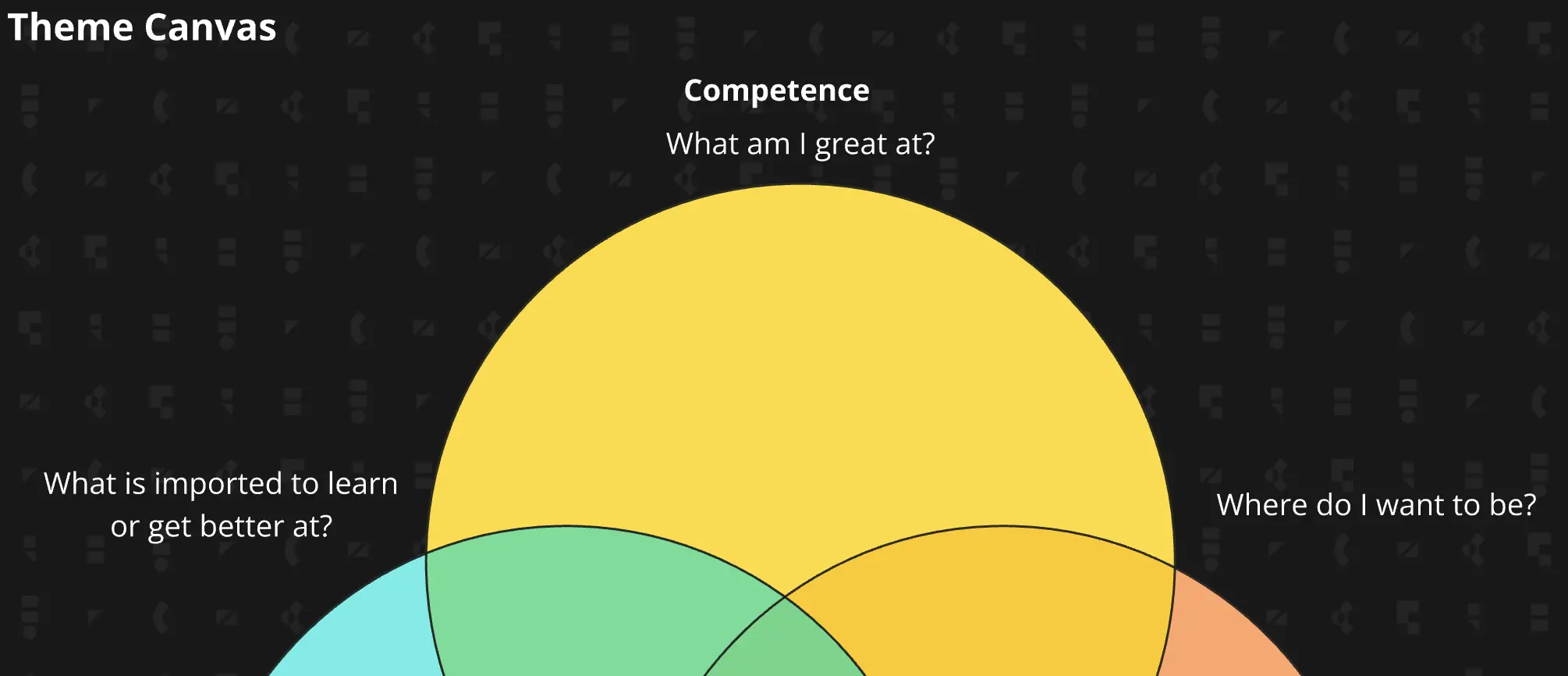
Reflect on what you already know and do well, alongside areas where you feel less confident.
Use examples, experience, and feedback to support your assessment. Distinguish between knowledge you need to build, skills you need to practise, and situations where you need more support.
3. Choose your priority skills
Explore the suggested areas, including climate literacy, circular design, nature, human rights, sustainable procurement, systems thinking, data, reporting, stakeholder engagement, and communication.
Select your top three priorities based on their relevance to your purpose and upcoming opportunities. Add other skills if they better fit your needs.
4. Create a learning plan
Choose how you will develop each skill: a course, reading, mentoring, peer learning, a workshop, project experience, or a community of practice.
Use the learning-plan table to organise your approach. Identify resources, people who could support you, and the time and budget you can protect.
5. Put learning into practice
Choose a real opportunity to apply what you learn. This might be a supplier conversation, a facilitated discussion, a data task, or a small design experiment.
Record your first opportunity to practise, who to involve, and what success would look like. Keep the first step manageable enough to begin.
6. Reflect and keep growing
Review what has changed in your knowledge, confidence, and practice. Seek feedback and capture what you learned from applying the skill.
Use the “Fruits” area to recognise progress and ideas worth sharing. Choose your next development step and revisit your priorities as your needs change.
Tips for making the plan useful
Use the “Seeds” area to collect interesting ideas without turning every idea into a commitment.
Pair learning activities with opportunities to practise and receive feedback. Set a review date, and look for evidence of progress in what you can explain, contribute, or do differently.
What will you leave with?
A clear learning purpose, a view of your strengths and gaps, and three priority skills to develop.
You’ll also have a practical learning plan, an opportunity to apply it, and a way to capture feedback and progress—helping you turn learning into sustained action.