3likes
24uses
Use less material—and make informed choices about the materials you still need.
Explore how to meet product and production needs with renewable materials that are fit for purpose, traceable, and responsibly sourced. This template starts by challenging material demand, then helps teams assess options, design for longer life, coordinate supply, and plan credible communication.
Five guided brainstorming sections and a renewable-materials planning snapshot bring design, sourcing, production, and evidence needs into one shared workspace. Use them to examine trade-offs, identify missing information, and turn promising ideas into practical next steps.
Designers, product managers, production managers, procurement and sourcing teams, supply-chain and logistics professionals, engineers, quality specialists, regulatory and legal teams, finance, and sustainability leads. Suppliers and manufacturing partners can contribute evidence and practical insight.
Use it when developing a product, reviewing packaging, exploring renewable feedstocks, reducing material demand, or reassessing sourcing decisions. It supports both early exploration and a structured review before committing to material trials or purchases.
Choose a specific product, packaging format, component, process, or material group. Define its intended use, markets, and the decisions you want the session to support.
Gather available specifications, material volumes, supplier information, costs, performance-test results, sourcing records, and end-of-use information. Record missing evidence as a question to investigate.
For an initial workshop, allow approximately two to three hours with five to ten participants. These are suggested starting points; technical assessment, supplier verification, and specialist review may require follow-up work. Include people who can assess performance, sourcing, production, and recovery implications.
Ask whether the material is needed at all. Explore opportunities to eliminate, reduce, share, concentrate, digitise, or redesign the offer before considering substitution.
Clarify essential performance requirements, relevant obligations, and social and environmental boundaries. Capture what a proposed material must deliver and what would make it unacceptable.
Compare potential inputs using the same criteria: origin, feedstock, regeneration, traceability, performance, cost, availability, and wider impacts.
Explore potential pressures on land, biodiversity, water, food production, and working conditions. Record the supplier evidence and testing needed to assess each option rather than treating renewable content alone as proof of a better outcome.
Identify opportunities to reduce weight, volume, layers, components, or packaging while maintaining safety and quality.
Explore durability, repair, refill, reuse, and simpler material combinations. Consider how materials will perform during cleaning, weathering, and repeated use, alongside recovery routes available where the product will be used.
Map where materials are grown, harvested, processed, and transported, and who may be affected.
Identify supply vulnerabilities and opportunities for better coordination between suppliers, designers, production, and logistics. Explore purchasing practices, partnerships, and operational changes that could improve reliability and responsible sourcing.
Agree how material use, waste, sourcing, and other relevant outcomes will be measured. Identify who will review evidence, traceability, requirements, and proposed product claims.
Plan for production waste, surplus stock, returns, and end-of-use products. Capture what should be tested, redesigned, or renegotiated in the next cycle.
Begin with individual sticky notes, then share and group ideas. Distinguish confirmed evidence, assumptions, questions, and proposed actions.
Compare options against a consistent baseline and make trade-offs visible. Use the planning snapshot to consolidate the strongest findings, unresolved questions, and priorities.
Finish with a manageable set of actions, each with an owner, deadline, and evidence or testing requirement. Keep exploratory options separate from approved specifications and purchasing decisions.
A clearer material-need brief, an initial assessment of material options, and draft design and sourcing requirements.
You’ll also have a view of supply risks, evidence gaps, measurement needs, and priority actions to guide trials, supplier discussions, specialist review, and the next production cycle.

Evelina Lundqvist
Business consultant, facilitator @ The Good Tribe
Evelina Lundqvist (1981) is a sustainable business development and capacity-building consultant (20+ years of experience), born in Sweden and based in Austria. She's an avid zero waste, circular economy, interculturalism, and antiracism advocate—and a serial co-founder, co-creator, and award-winning social entrepreneur. Evelina holds an MBA in Business Ethics and CSR from Danube University, Austria.
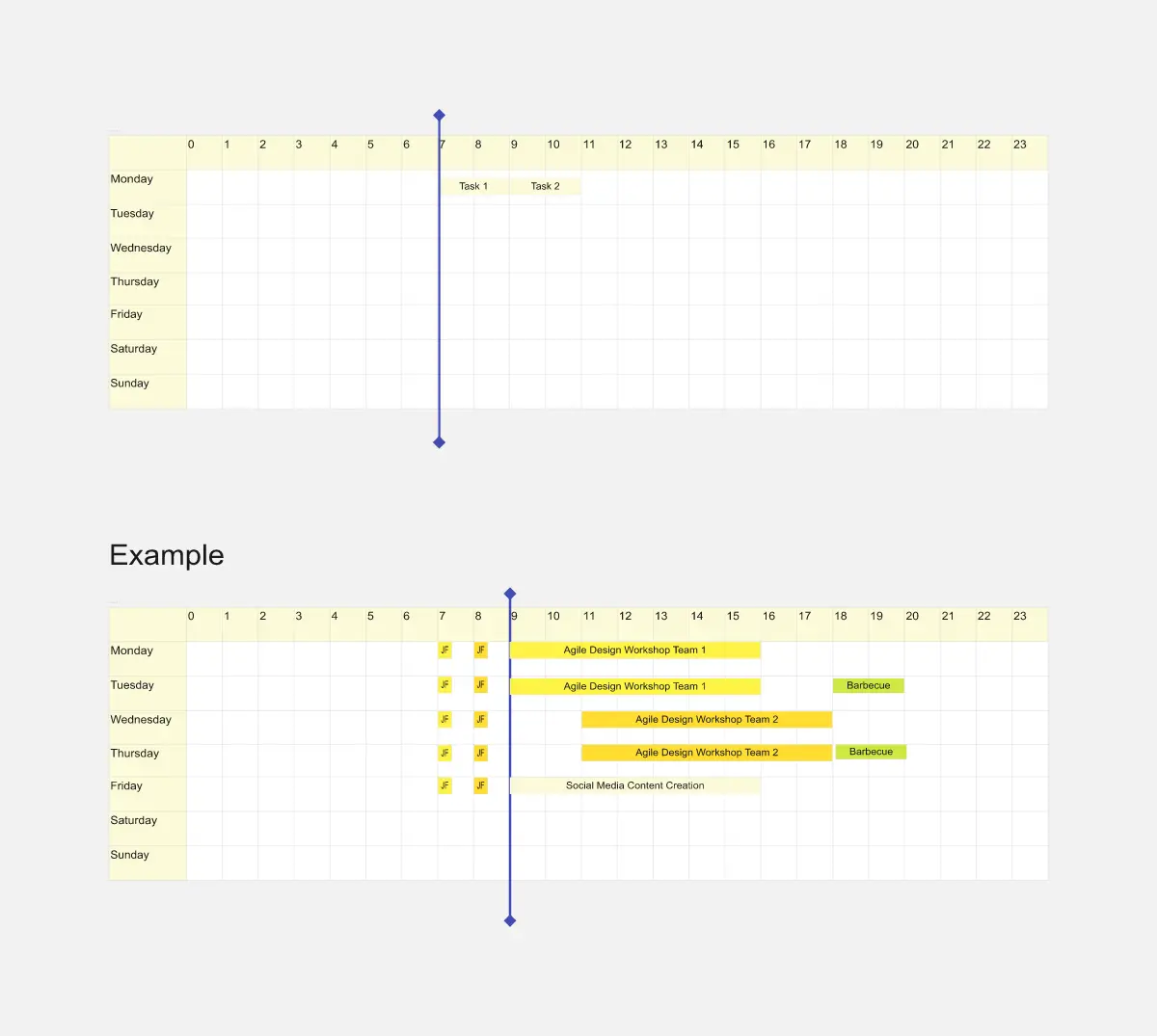
Weekly Planner
Weekly Planner template is perfect for organizing your weekly tasks and schedules. It helps you prioritize activities, set deadlines, and manage your time effectively, ensuring you stay productive and on track throughout the week.
Weekly Planner
Weekly Planner template is perfect for organizing your weekly tasks and schedules. It helps you prioritize activities, set deadlines, and manage your time effectively, ensuring you stay productive and on track throughout the week.