Materiality Analysis Stakeholder Map
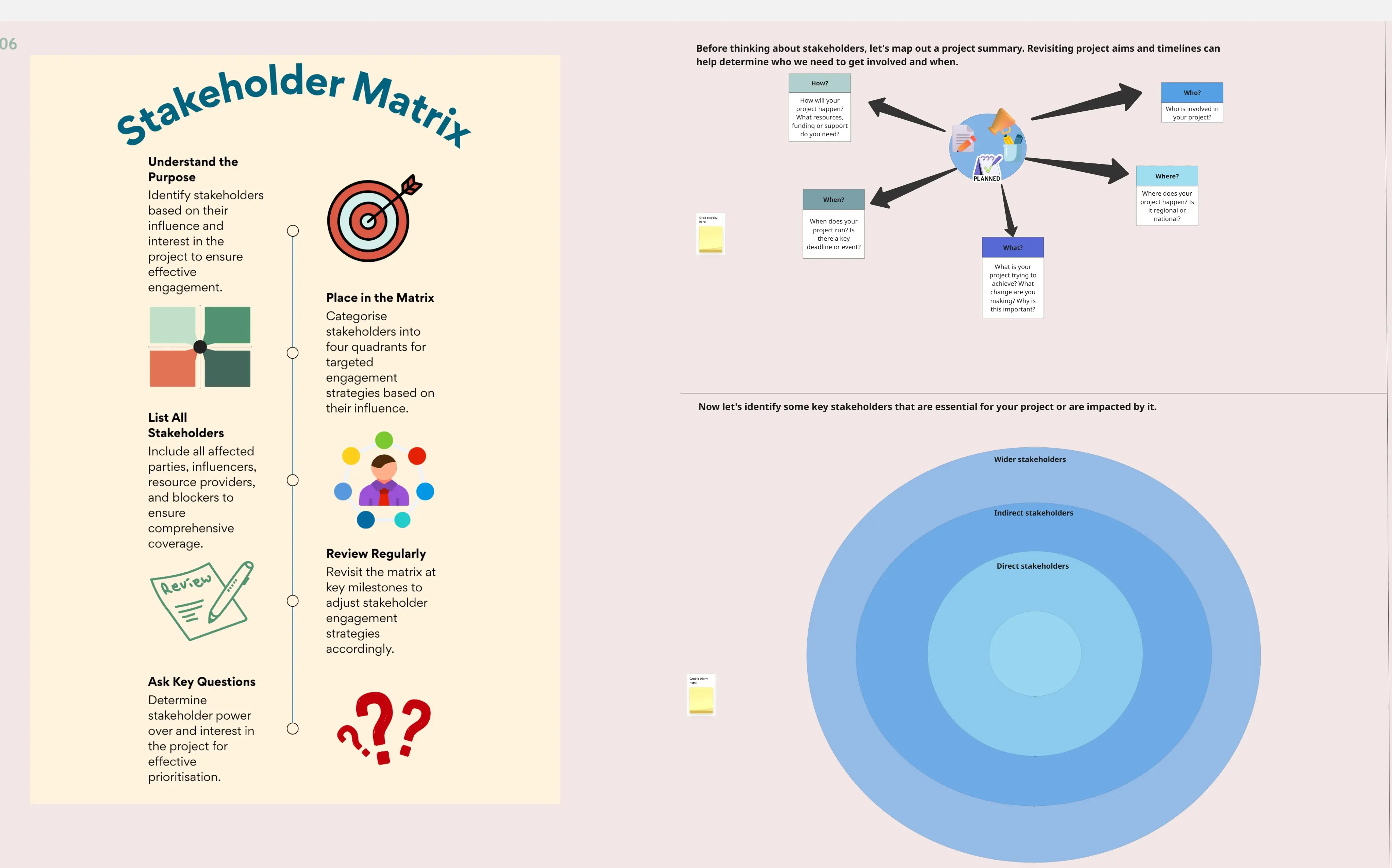
Bring stakeholder perspectives into your double materiality assessment with a clear engagement plan and a traceable record of input.
This template helps you identify whose perspectives are needed, plan meaningful engagement, and connect what you learn to potential sustainability impacts, risks, and opportunities.
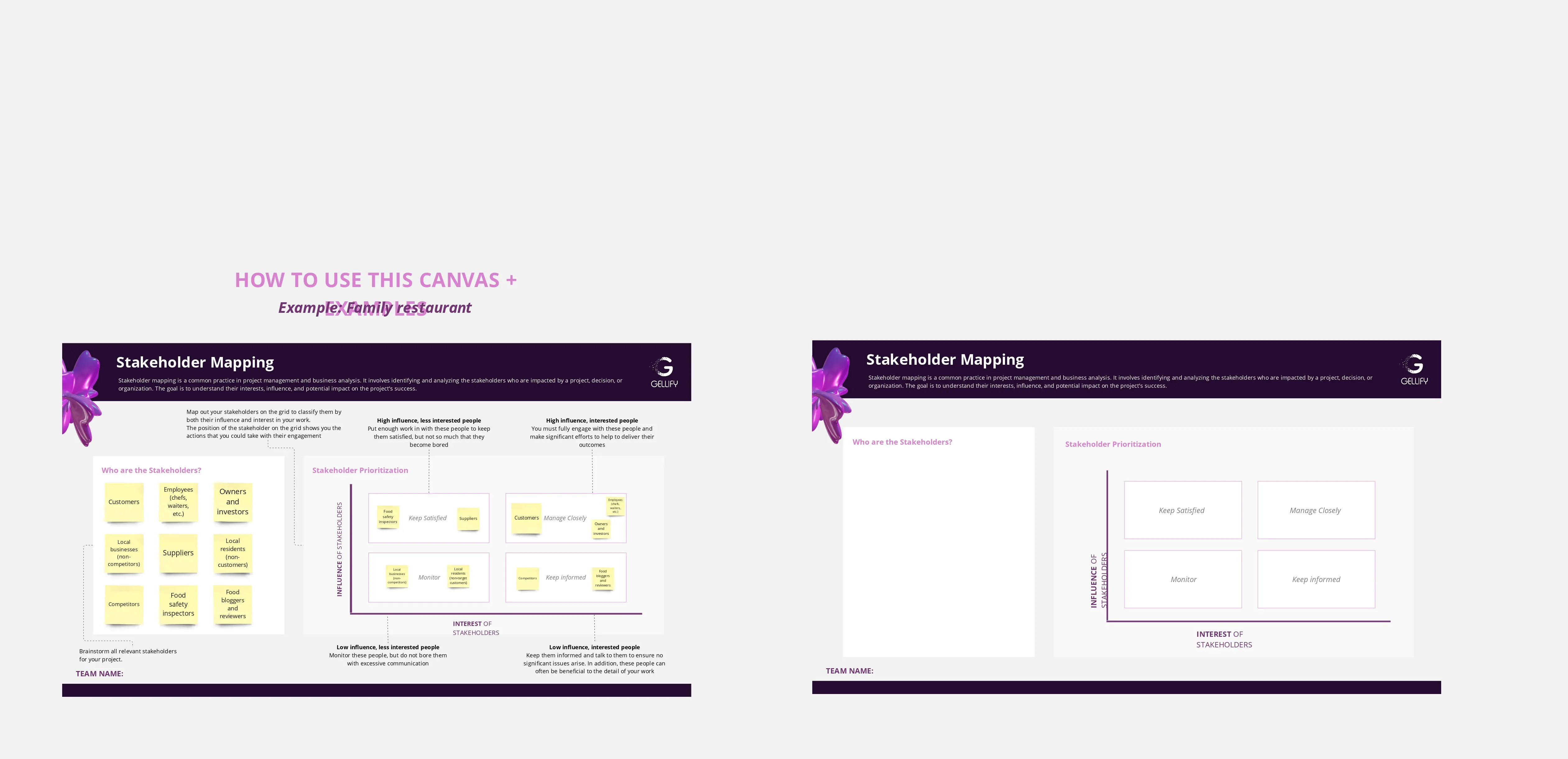
Two connected sections—a stakeholder-engagement strategy and a stakeholder input record—help you move from identifying relevant groups to documenting evidence, questions, and follow-up actions. A suggested topic list and position guide support consistent discussion across your team.
Who is this template for?
Sustainability and reporting teams, stakeholder-engagement leads, risk professionals, and consultants supporting a double materiality assessment. It also helps colleagues in human resources, procurement, finance, operations, and community relations coordinate their contributions.
Use it when planning engagement, consolidating findings from interviews or workshops, identifying missing perspectives, or reviewing the evidence behind emerging materiality conclusions.
Before you begin
Define the organisation, value-chain boundaries, and assessment period you are working with. Gather existing stakeholder maps, research, engagement records, grievance insights, and relevant environmental or financial evidence.
For an initial internal planning session, allow approximately 60–90 minutes with four to eight participants. These are suggested starting points; stakeholder engagement and evidence gathering will continue beyond the session.
Agree how information will be recorded, accessed, and protected. Keep sensitive personal information and identifiable complaints out of a broadly shared board.
How to use the Materiality Analysis Stakeholder Map
1. Create the stakeholder-engagement strategy
Identify groups connected to your operations, value chain, and potential sustainability impacts, risks, and opportunities.
Consider whose experiences may be overlooked, particularly people who face disproportionate impacts or have less influence. Clarify what you need to learn from each group, such as lived experience, impact evidence, financial-risk insight, or feedback on initial conclusions.
Choose suitable engagement methods, assign owners, and plan the timing. Discuss accessibility, confidentiality, safeguarding, and how participants will hear what happened to their input.
2. Build the stakeholder input record
Use the table to document each group’s relationship to the organisation, relevance, perspectives, and supporting sources.
Capture specific findings rather than broad statements such as “employees care about wellbeing.” Record the topic, context, engagement method, date, and next step so others can understand and follow up on the evidence.
Adapt the suggested stakeholder groups to your organisation. Use relevant scientific evidence and ecosystem data to help represent nature as a “silent stakeholder.”
3. Connect perspectives to potential topics
Use the suggested topic list as a starting point, adding organisation-specific issues where needed.
For each finding, indicate whether it concerns impacts on people or the environment, financial risks or opportunities, both, or an area where evidence is insufficient. Apply these labels to individual findings rather than assigning a fixed perspective to an entire stakeholder group.
4. Identify gaps and agree follow-up
Review where evidence is missing, perspectives differ, or conclusions need further investigation.
Assign owners for additional engagement or research. Record how stakeholder input informs the wider assessment and explain decisions where the organisation’s conclusions differ from participants’ views.
Tips for meaningful engagement
Distinguish direct stakeholder testimony, representative input, expert interpretation, and internal assumptions. Preserve differences between groups rather than combining them into a single consensus.
Use accessible methods and avoid relying only on stakeholders who are easiest to reach. Treat the completed map as an input to assessment: stakeholder views help inform materiality judgements rather than automatically determining them.
What will you leave with?
A stakeholder-engagement strategy, a structured evidence record, and a clearer view of relevant perspectives and information gaps.
You’ll also have named follow-up actions and a traceable basis for connecting stakeholder input to your wider double materiality assessment.