What Is a Lean Business Case Charter for Founders and CEOs?
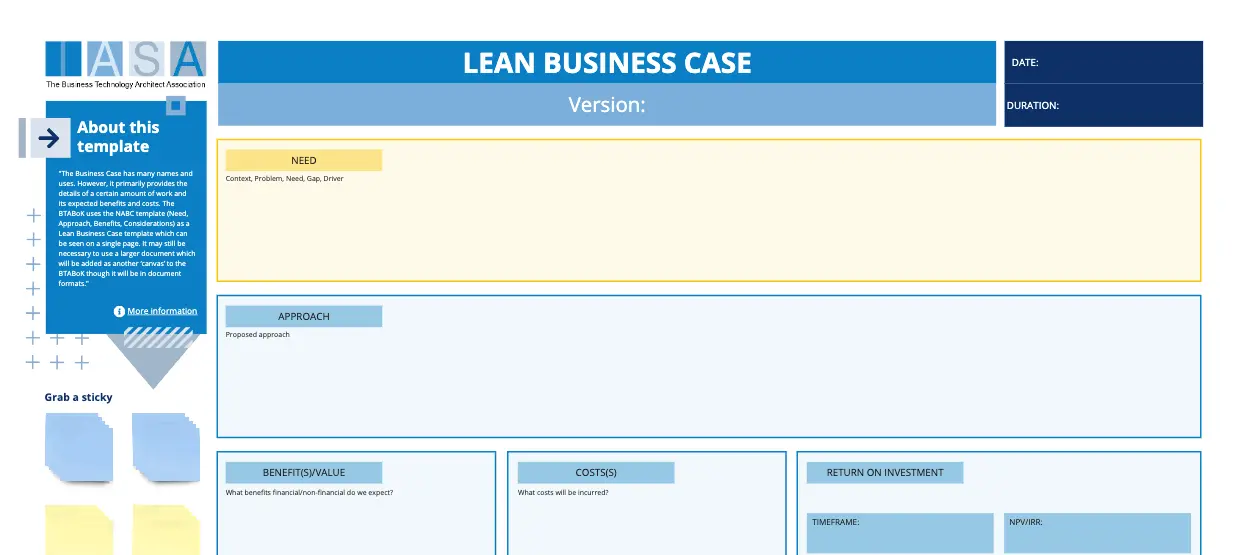
A Lean Business Case Charter is a streamlined strategic document that helps founders, CEOs and managers validate business initiatives before committing significant resources. This single-page template distills your opportunity, value proposition, key assumptions and success metrics into a focused format designed for fast decision-making.
What Problem Does the Lean Business Case Charter Solve?
Leaders waste weeks building exhaustive business cases for ideas that need validation, not documentation. The Lean Business Case Charter replaces bloated slide decks with a structured one-pager that forces clarity. It helps you answer three questions fast: Is this worth pursuing? What must be true for it to succeed? How will we know?
How to Use the Lean Business Case Charter Template
Define the opportunity in one sentence.
Identify your target customer and their core problem.
State your proposed solution and unique value proposition.
List your riskiest assumptions.
Set measurable success criteria and a time-boxed evaluation period.
Assign a single accountable owner.
Complete it in under 30 minutes. If you can't, the initiative isn't focused enough yet.
Who Should Use a Lean Business Case Charter?
This template is built for founders evaluating new product bets, CEOs reviewing portfolio investments and managers pitching initiatives to leadership. It works best when you need executive alignment without executive-length documents.
Lean Business Case Charter FAQs
How is this different from a traditional business case? It prioritizes assumptions and learning over projections and polish. You're not justifying a decision already made; you're pressure-testing whether to proceed.
When should I use a full business case instead? Once the charter validates the opportunity and you need board-level funding approval or cross-functional resource commitments exceeding one quarter.
Can I use the Lean Business Case Charter for internal projects? Yes. It's equally effective for operational improvements, platform migrations or process changes where leadership buy-in is required.