3likes
24uses
Bring people together to learn, participate, and stand up for human rights.
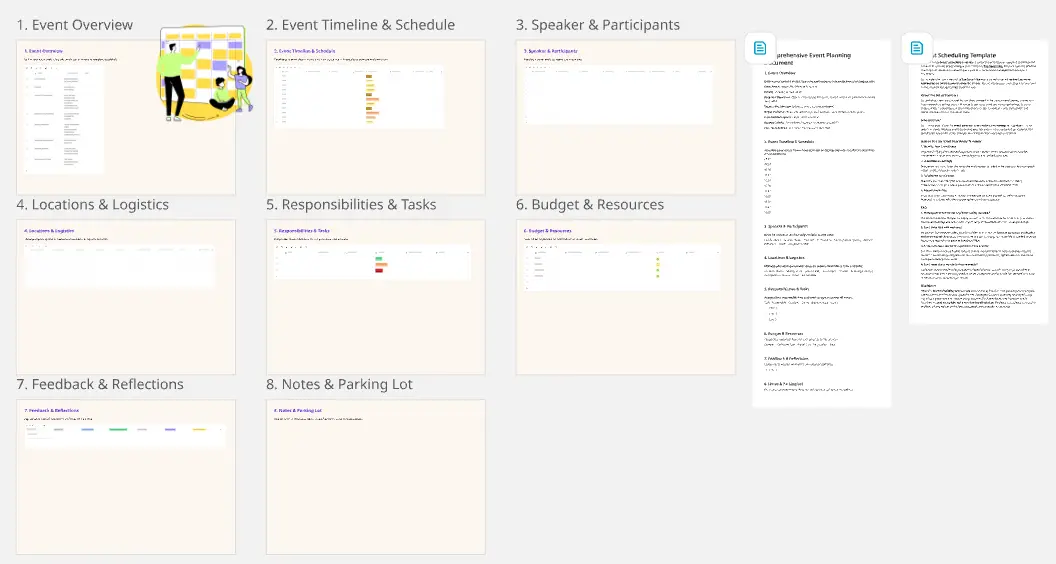
Turn an idea for Human Rights Day into a practical, shared plan. Whether you’re organising an event, fundraiser, workshop, exhibition, campaign, or outreach activity, this template helps you connect your purpose with the people, resources, and steps needed to make it happen.
Six guided sections and a team-and-partnerships table take you from setting a goal to planning delivery, inviting participation, and deciding what happens afterwards. Prompts on accessibility, inclusion, safety, and feedback help you consider the experience alongside the logistics.
Community groups, charities, schools, student organisations, workplace networks, campaigners, and anyone coordinating a Human Rights Day activity.
Use it to develop a new idea, align an organising team, or check that an existing plan covers the essentials. It works for small local activities and larger collaborations, with the level of detail adapted to your setting.
Bring an initial idea or a human-rights issue you want to explore. Choose a planning timeframe and identify any fixed dates, available resources, or organisational requirements.
For an initial planning session, allow approximately 60–90 minutes with your core organising group. This is a suggested starting point; larger activities may need follow-up sessions and specialist input.
Consider whose perspectives should shape the action, especially people affected by the issue. Agree how they can contribute safely and meaningfully, without pressure to share personal experiences.
Choose the human-rights issue you want to focus on and discuss why it matters to your community.
Describe the change you want to support. A clear shared goal will help you make decisions about the format, audience, message, and use of resources.
Choose an activity that fits your purpose and capacity: an event, fundraiser, workshop, exhibition, outreach activity, campaign, or collaboration.
Identify your audience and what participants will experience, learn, make, or contribute. Capture the format, key activities, expected participation, date, and location.
Map who will lead, support, speak, host, promote, or volunteer. Explore which schools, community groups, charities, artists, businesses, or public bodies could contribute.
Use the team-and-partnerships table to clarify roles and next steps. Confirm involvement before treating potential contributors as committed partners.
Identify the venue, materials, equipment, budget, funding, and permissions needed. Record relevant safety checks, safeguarding arrangements, insurance questions, and accessibility support.
Discuss what would make the activity welcoming, inclusive, and respectful. Assign responsibility for unresolved requirements and set a deadline for checking them.
Write a clear key message that explains the purpose, who the activity is for, and how people can take part.
Choose suitable channels, such as posters, social media, local press, email, partner networks, or personal invitations. Agree a promotion plan and launch date, with accessible information about participation.
Choose signs of success that connect to your goal. These might include participation, funds raised, feedback, learning, pledges, or new partnerships.
Decide how you will collect feedback and who will review it. Agree a next step after Human Rights Day so the relationships, learning, or momentum can continue.
Start with individual sticky notes before discussing ideas together. Keep the group focused on an achievable action and make room for different perspectives.
Use clear, respectful language, check information before sharing it, and seek consent before using someone’s story or image. Finish by confirming owners, deadlines, and the next planning check-in.
A shared purpose, a defined activity, and a practical plan covering roles, partnerships, resources, communication, and participation.
You’ll also have signs of success, a feedback approach, and a follow-through action to help your Human Rights Day activity create value beyond the day itself.

Evelina Lundqvist
Business consultant, facilitator @ The Good Tribe
Evelina Lundqvist (1981) is a sustainable business development and capacity-building consultant (20+ years of experience), born in Sweden and based in Austria. She's an avid zero waste, circular economy, interculturalism, and antiracism advocate—and a serial co-founder, co-creator, and award-winning social entrepreneur. Evelina holds an MBA in Business Ethics and CSR from Danube University, Austria.
Action Plan Template
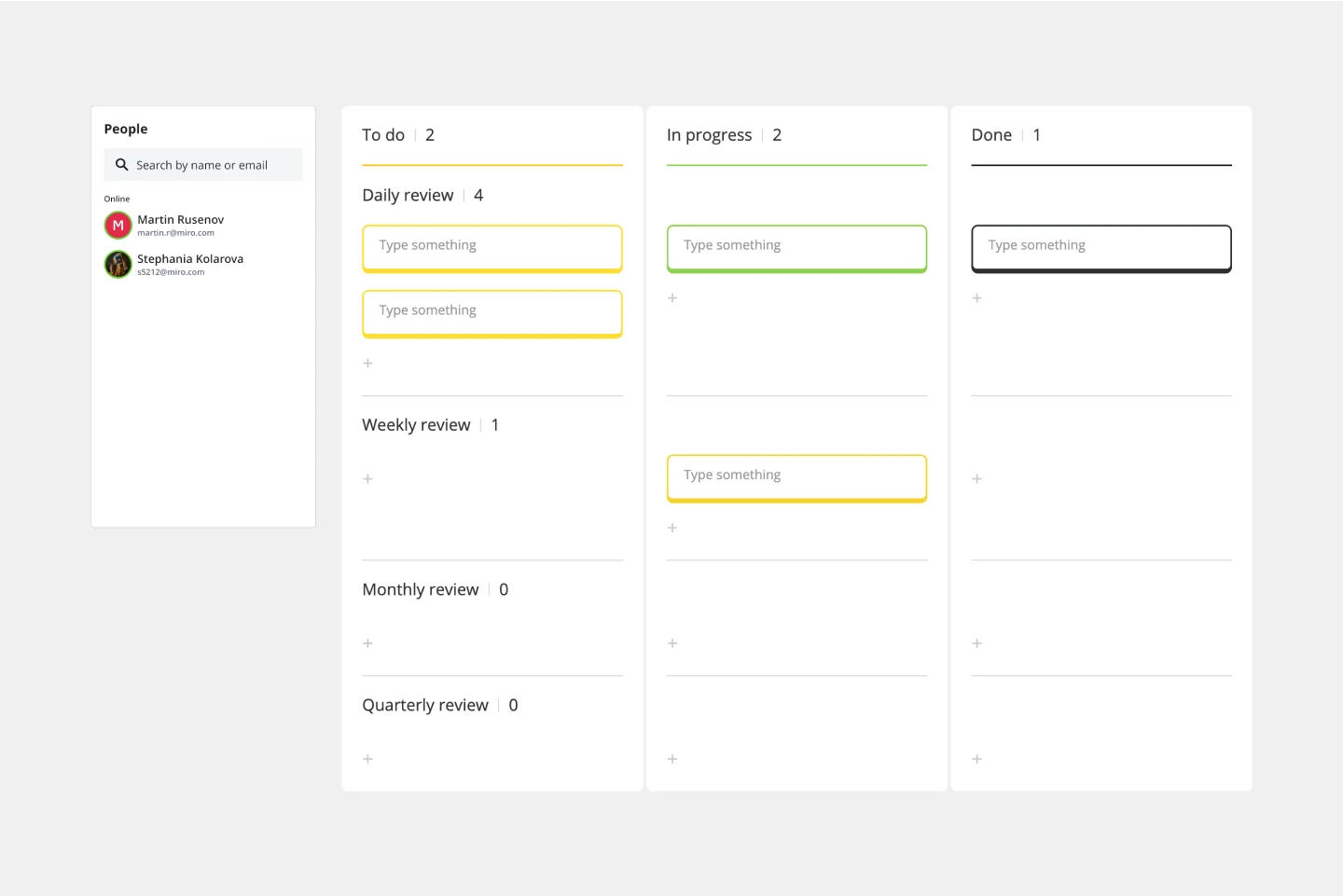
Why create an action plan? Long-term business strategies and goals are only good if you can make them a reality—by accomplishing every small task along the way. An action plan lists those tasks and lays them out in clear detail. It helps you keep everything in order, make sure nothing is missed, and get stakeholders on the same page to complete a project quickly and effectively. This template will help you write an action plan that’s SMART: Specific, Measurable, Actionable, Realistic, and Time-bound.