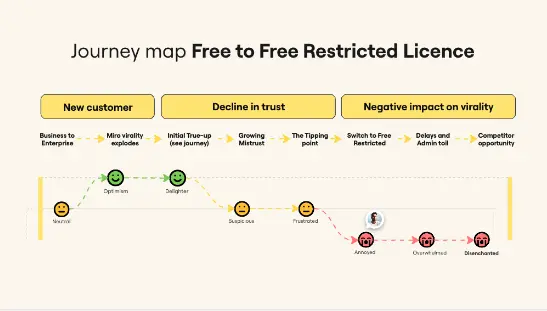
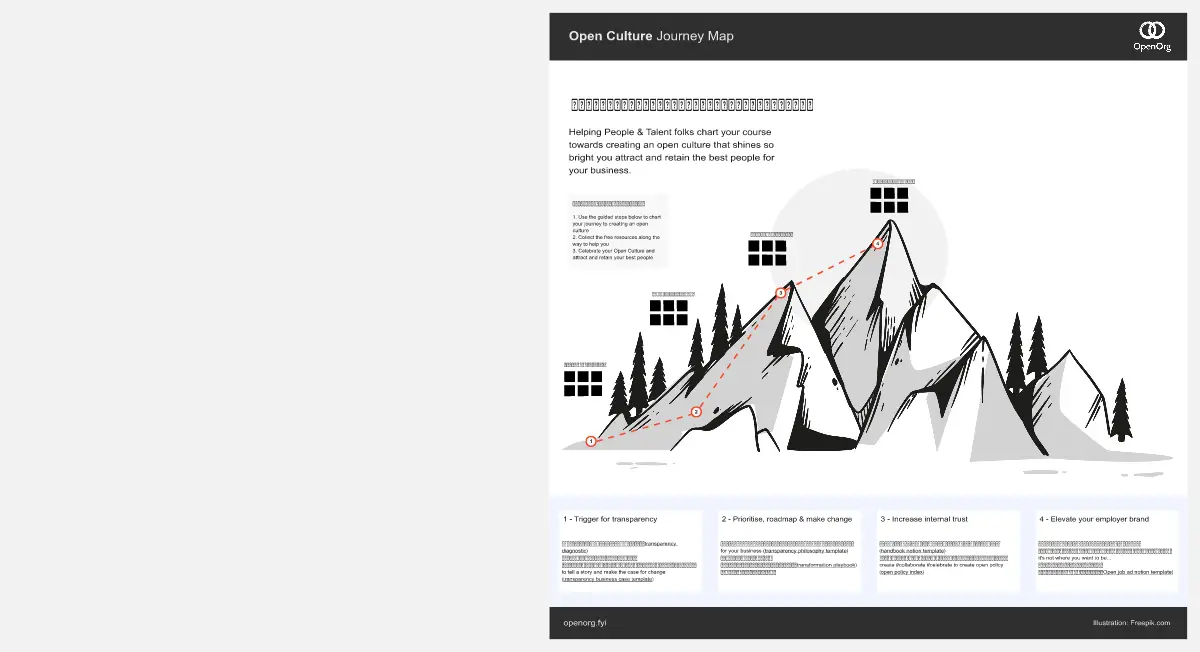
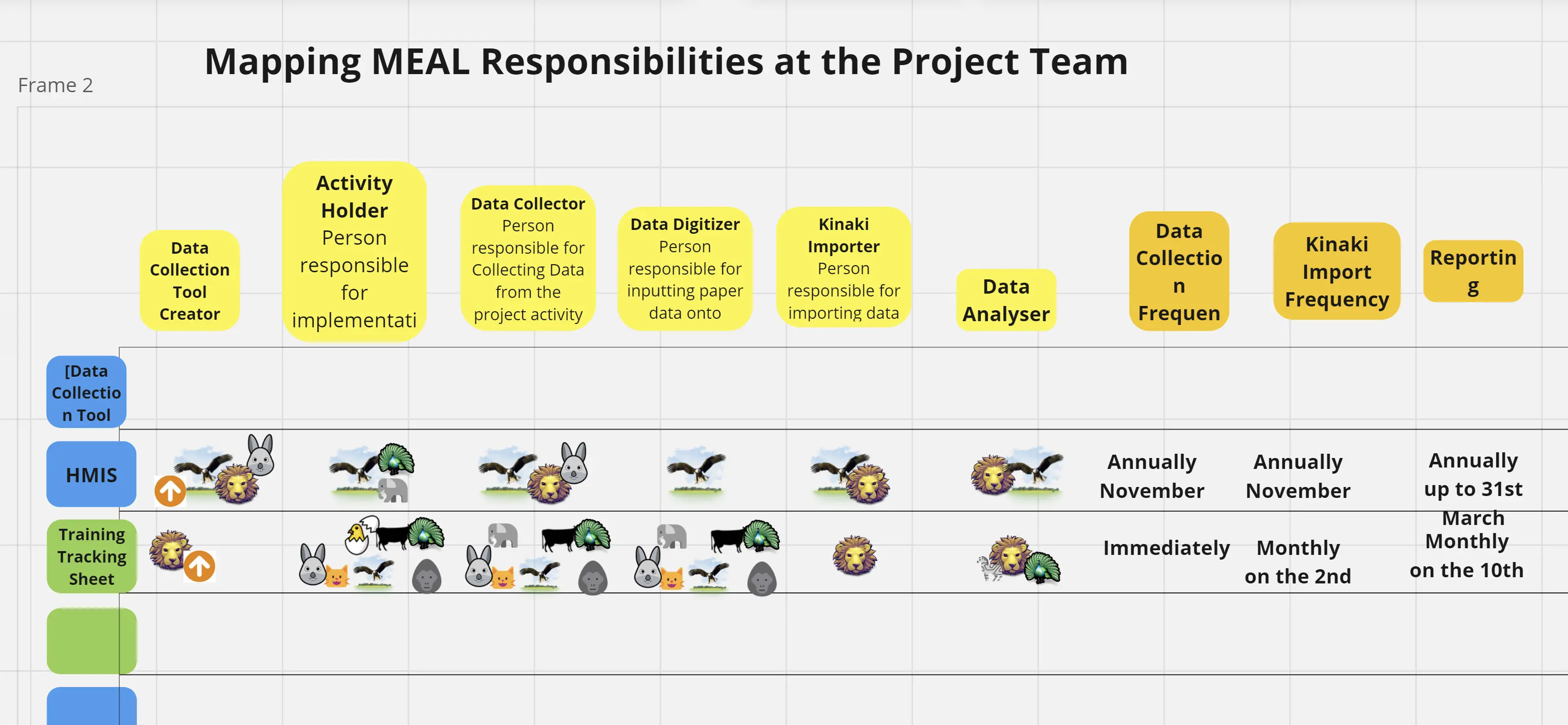
This is a template for a Culturally Responsive Journey Map that builds on the three themes of culturally responsive research: transformation, specificity, and expansion (alexnader & Pasque, 2022). The template was created by Chen, Romero, Otero, Barnard, Mihas & Maman (2026). If you have questions about this, please contact Liz Chen at lizcchen@unc.edu.
Per human-centered design (HCD), journey maps are a way to collect data and visualize an experience and facilitate empathy understanding so that others can “walk a mile in someone else’s shoes.” This means that the map captures the actions, thoughts, pain points, emotions, opportunities, etc. at different moments during a participant’s specific journey. Journey maps can be used as a data collection tool with participants (e.g. a template journey map is created and a researcher fills it out during an interview with a participant), can be used to summarize data for analysis purposes (one or more journey maps is created after interviews or focus groups and then used as the basis for analysis activities), or can be used as an research output intended to be shared with others for additional feedback or action.