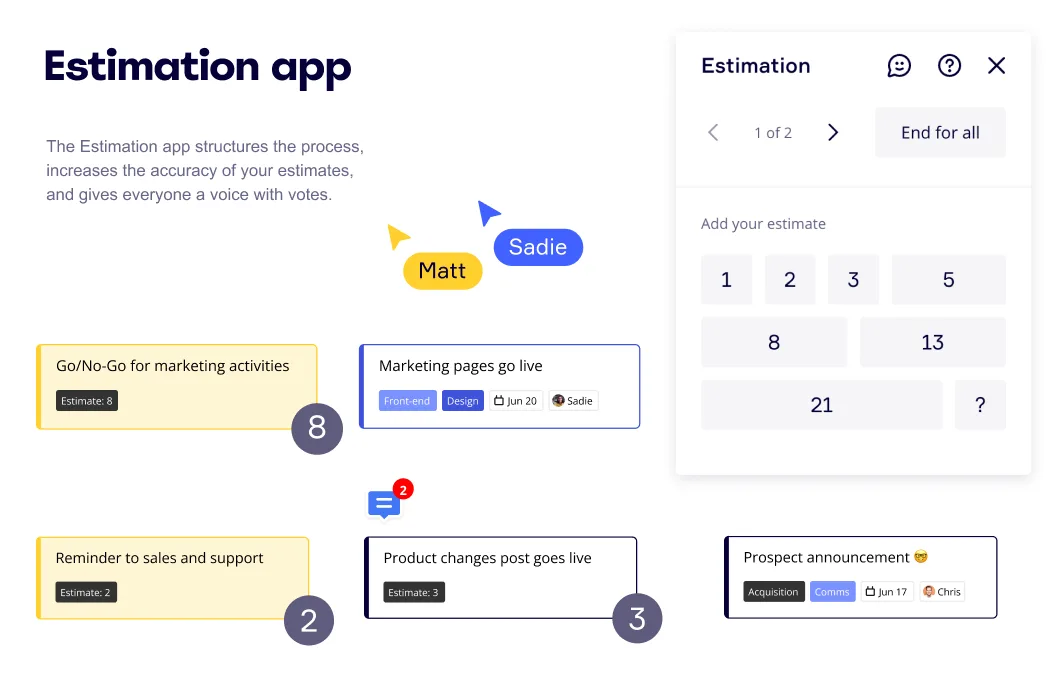
5 useful agile estimation techniques for better project planning
Estimating work in agile projects can feel like trying to predict the weather. But with the right techniques, you can make it a lot more accurate and a lot less stressful. Let’s dive into some of the most effective agile estimation techniques that can help your team plan better and deliver more consistently.
Agile methodologies are all about flexibility and responsiveness. But even in agile, you need a way to estimate how long tasks will take. Estimation helps teams plan sprints, allocate resources, and set realistic deadlines. Without it, you’re flying blind. Agile estimation techniques provide a structured approach to predict the effort required for tasks, ensuring that teams can deliver value consistently and predictably.
Why estimation is crucial in agile
Imagine trying to build a house without knowing how long each part will take. Estimation in agile is just as crucial. It helps teams plan their work, allocate resources effectively, and ensure project success. Accurate estimates lead to better sprint planning, more predictable delivery, and happier stakeholders. Estimation also helps in identifying potential risks early, allowing teams to mitigate them before they become major issues.
Common agile estimation techniques
There are several types of agile estimation techniques that teams use to predict the effort required for tasks. Let’s explore some of the most popular ones.
1. Planning poker
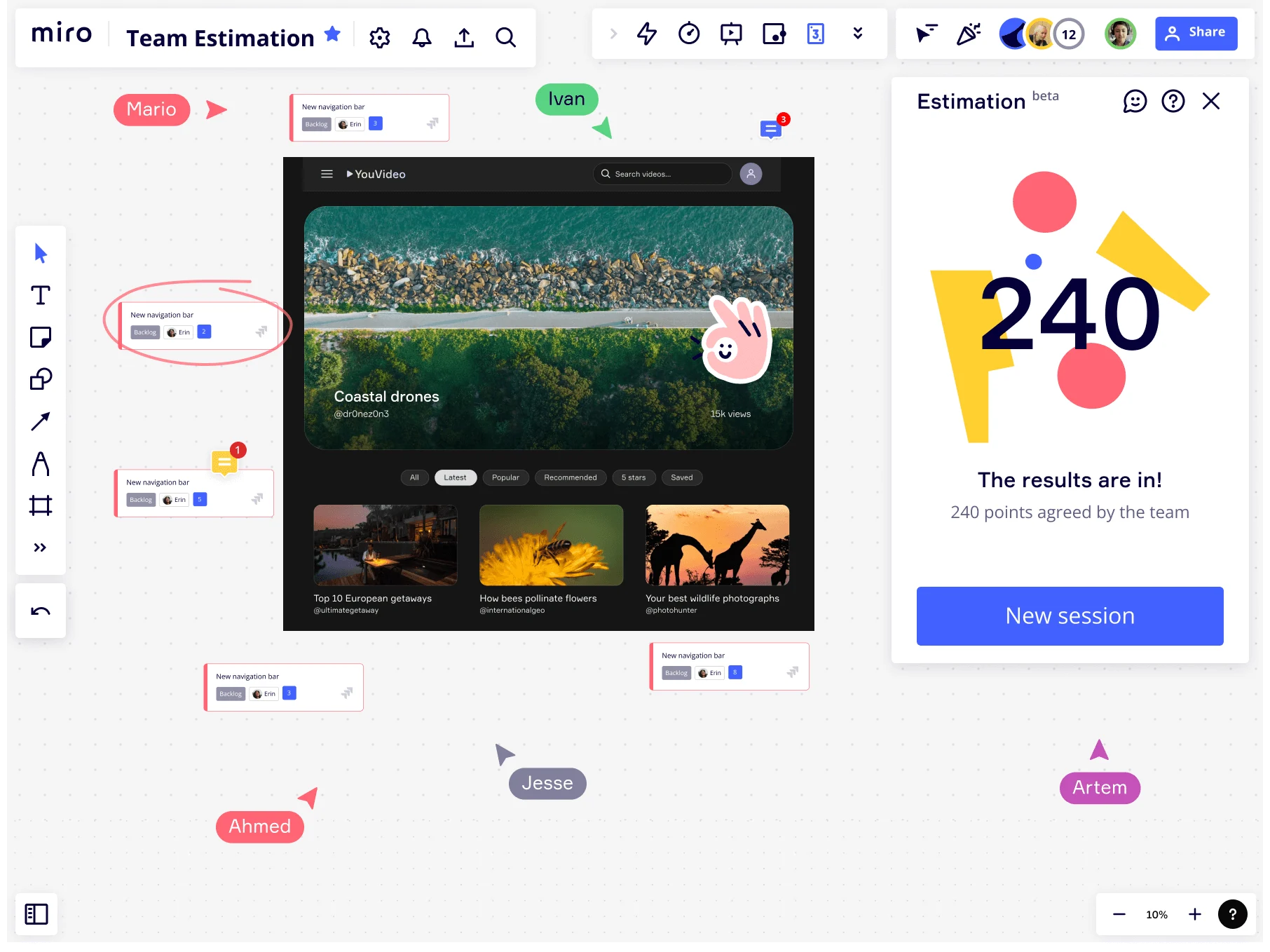
Planning poker is like a game, but with serious benefits. Each team member selects a card with a number representing their estimate. The team then discusses the estimates and reaches a consensus. This technique encourages discussion and helps uncover hidden complexities. For example, if one team member estimates a task as a 3 and another as an 8, the discussion that follows can reveal different perspectives and lead to a more accurate estimate.
2. T-shirt sizing
T-shirt sizing is a fun and intuitive way to estimate tasks. Instead of using numbers, you categorize tasks as XS, S, M, L, or XL. This method is great for getting a quick, relative sense of the size of different tasks without getting bogged down in details. For instance, a small task might be something like fixing a minor bug, while an XL task could be developing a new feature from scratch.
3. Fibonacci sequence
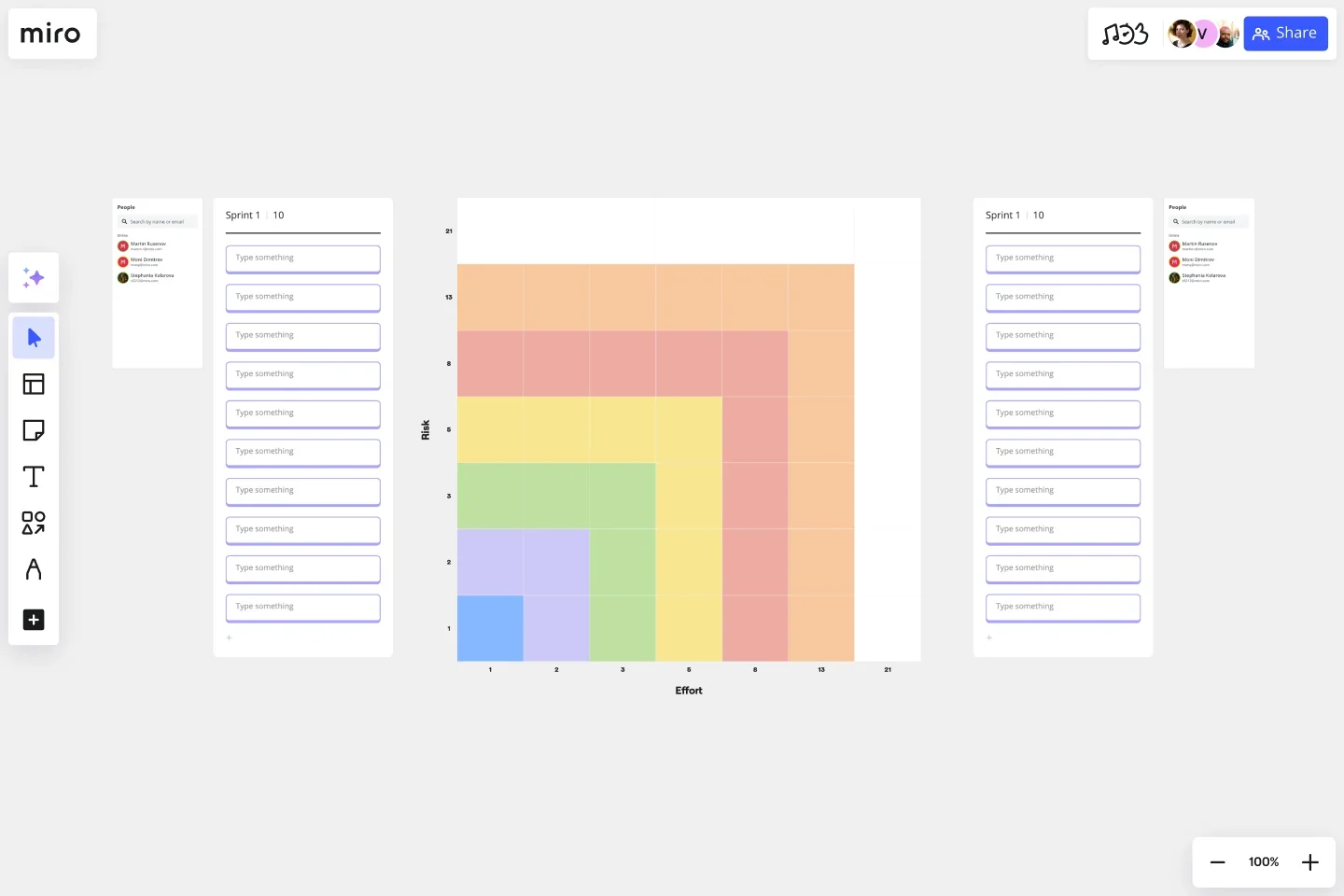
Using the Fibonacci sequence for story point estimation is a popular technique. The sequence (1, 2, 3, 5, 8, 13, etc.) reflects the increasing uncertainty with larger tasks. It’s a simple yet effective way to estimate effort and complexity. For example, a task estimated as a 1 might be a simple code review, while a 13 could be a complex integration with an external system.
4. Dot voting
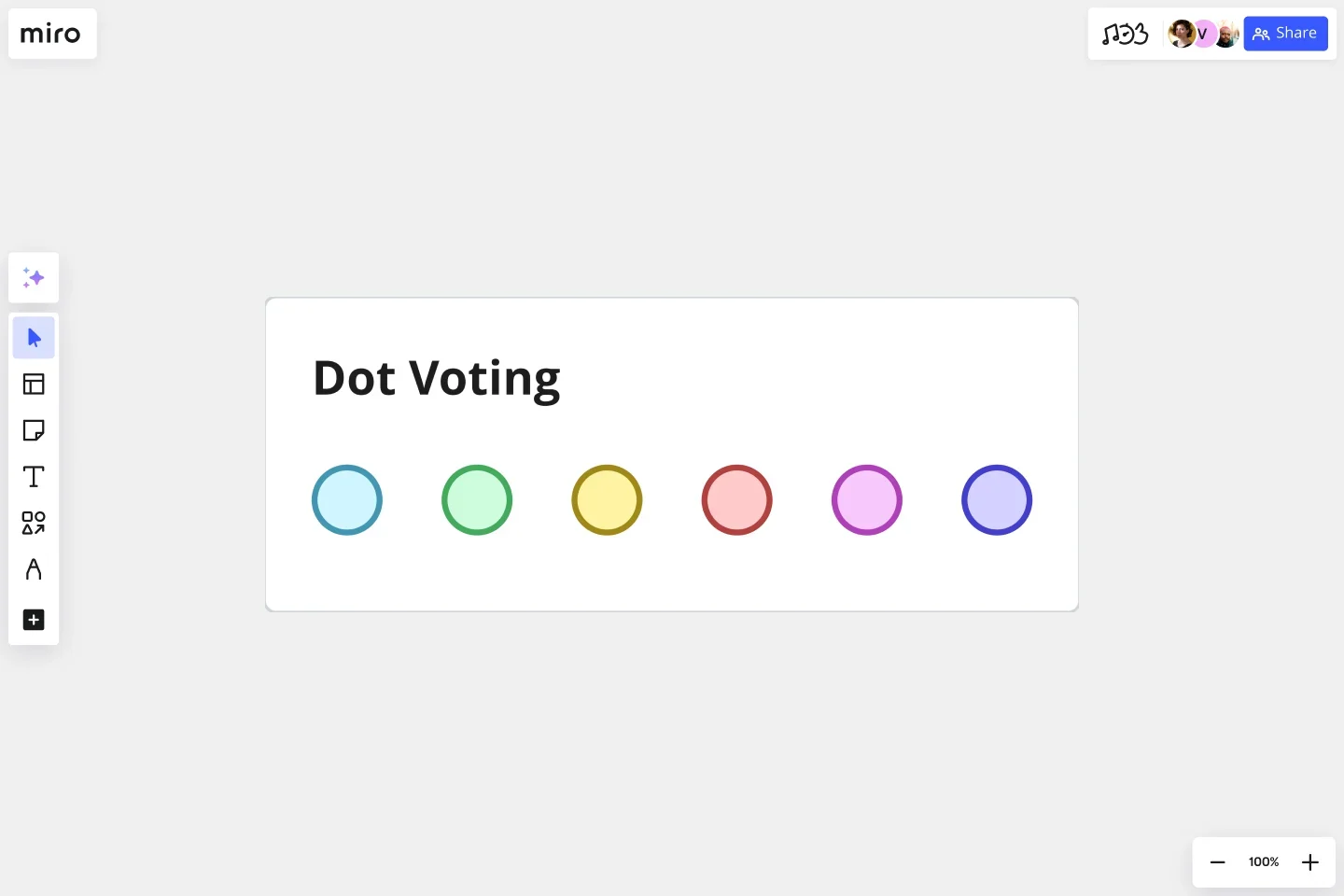
Dot voting is a collaborative technique where team members use dots to vote on the priority of tasks. It’s a quick way to gauge the team’s opinion and prioritize work based on collective input. This method is especially useful for large backlogs. For example, each team member might get five dots to distribute among tasks they believe are most important, helping to quickly surface the highest priorities.
5. Affinity estimation
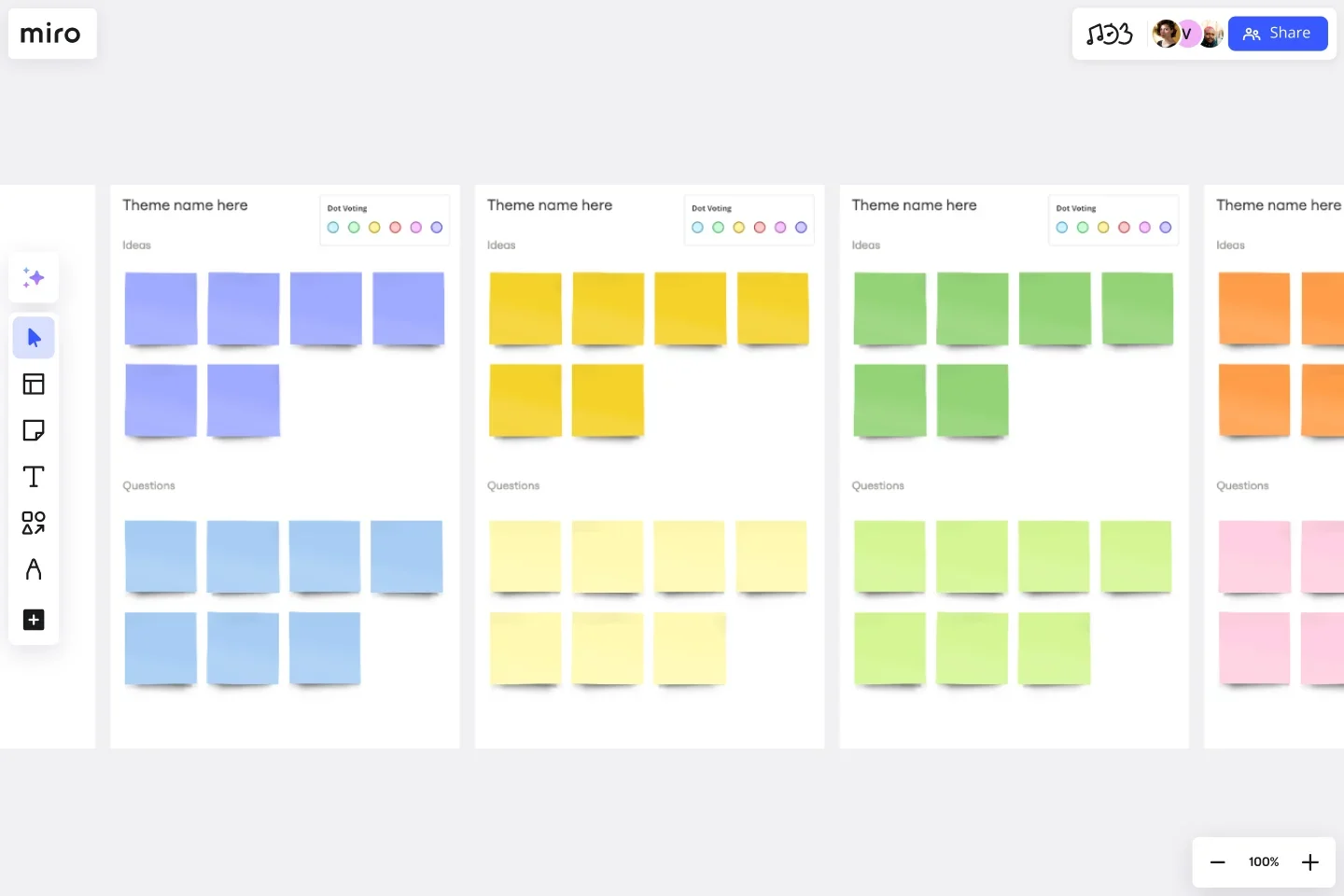
Affinity estimation template involves grouping similar items together and estimating them as a batch. This technique speeds up the estimation process and helps teams quickly identify outliers. It’s perfect for large sets of tasks that need to be estimated efficiently. For instance, you might group all tasks related to user interface improvements together and estimate them as a single batch, then adjust for any outliers.
Factors influencing estimation accuracy
Several factors can impact the accuracy of your estimates. Team experience plays a big role—more experienced teams tend to be better at estimating. The complexity of tasks and external dependencies can also affect estimates. For example, a team familiar with a particular technology stack will likely provide more accurate estimates than a team working with it for the first time. External dependencies, such as waiting for third-party approvals, can also introduce uncertainty.
Best practices for agile estimation and challenges
To improve your estimation accuracy, involve the whole team in the process. Use historical data to inform your estimates and regularly review and adjust them. Encourage open communication and make use of tools that facilitate collaboration, like Miro’s innovation workspace, which supports both real-time and async work. For example, you can use Miro’s AI-powered visual canvas to create interactive estimation sessions, allowing team members to contribute from anywhere.
Agile estimation isn’t without its challenges. Teams often struggle with underestimating complexity or dealing with changing requirements. To overcome these pitfalls, maintain flexibility in your planning and continuously refine your estimation techniques. For instance, regularly revisiting and adjusting estimates as more information becomes available can help keep your project on track. Additionally, fostering a culture of continuous improvement can help teams learn from past estimation errors and improve over time.
Tools for agile estimation
There are many tools available to help with agile estimation. Miro’s AI-powered visual canvas offers strong collaboration features that support both real-time and async work. Miro’s innovation workspace allows teams to create interactive boards for planning poker, T-shirt sizing, and more, making the estimation process more engaging and efficient.
Ready to take your agile estimation techniques to the next level? Try Miro’s for free today and see how our AI-powered visual canvas can enhance your team’s collaboration and estimation accuracy.
Read more
Join our 100M+ users today


