Sustainability Manager Resource Planner
Plan the resources, relationships, and support needed to deliver credible sustainability work.
Whether you work alone or lead a team, sustainability management can mean balancing reporting deadlines, strategic projects, stakeholder requests, and organisational change. This template helps you turn those expectations into a realistic plan—and make the support you need visible.
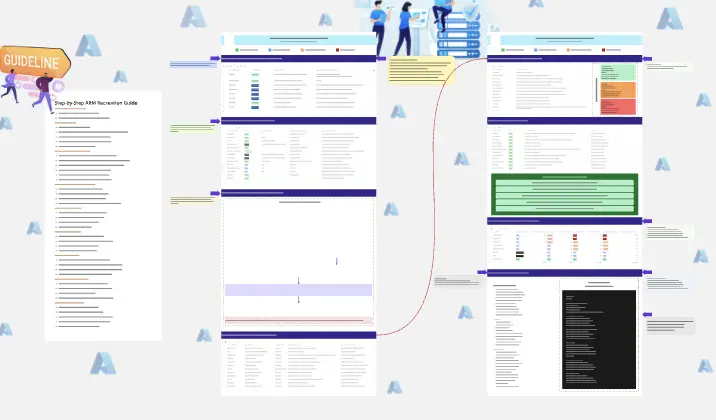
Five guided sections connect your mandate and reporting roadmap with priorities, capacity, wellbeing, allies, funding, and integrity. Each section includes core tasks, brainstorming space, and a defined output to help move the discussion towards decisions.
Who is this template for?
Sustainability managers, ESG leads, sustainability coordinators, and professionals responsible for delivering an organisation’s sustainability agenda. It also supports consultants, line managers, and executive sponsors helping to resource that work.
Use it when starting a role, preparing an annual or quarterly plan, requesting budget or additional capacity, or reviewing responsibilities as expectations grow. Complete an initial version independently, then use it to structure conversations with colleagues and decision-makers.
Before you begin
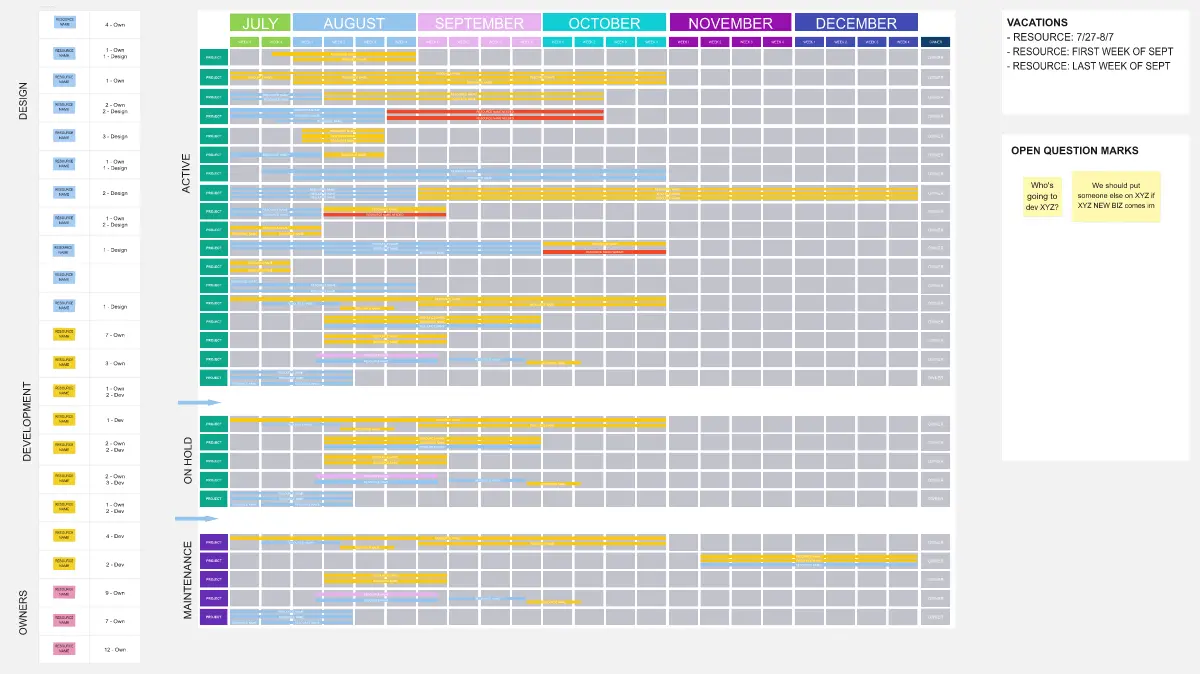
Choose a planning period, such as the next quarter or financial year. Gather your current commitments, reporting calendar, project list, budget, recurring tasks, and known resource gaps.
For an initial individual planning session, allow 60–90 minutes. For a facilitated discussion with colleagues, allow approximately two hours. These are suggested starting points; a complex portfolio may need follow-up sessions.
Include your manager or sponsor when discussing decisions about scope, funding, and priorities. Bring in relevant colleagues to confirm responsibilities and dependencies. Keep sensitive personal information out of the shared board.
How to use the Sustainability Manager Resource Planner
1. Set the mandate, reporting, and regulatory roadmap
Map commitments, reporting requirements, relevant regulations, and customer requests. Identify fixed deadlines and work that needs to start well in advance.
Record the data, evidence, assurance, and approvals needed for each deliverable. Clarify who provides inputs and where requirements or responsibilities need further review.
2. Prioritise the work that creates the most value
Review initiatives against their importance for people, planet, business resilience, and stakeholder trust, alongside obligations and urgent risks.
Sort work into do now, schedule, delegate, pause, or stop. Compare priorities with available capacity and record the consequences of postponing or reducing work.
3. Build sustainable capacity and protect wellbeing
Map the time available after meetings, administration, recurring reporting, and urgent requests. Identify skills gaps, responsibilities that depend on one person, and signs that the workload is becoming unsustainable.
Capture practical safeguards, such as clearer boundaries, backup arrangements, training, peer support, leadership cover, or additional staffing. Use these findings to develop a resourcing case.
4. Find champions, allies, and shared owners
Identify the people who control relevant budgets, data, decisions, and operations. Explore who could sponsor, champion, own, or support each priority.
Specify what they need to act, whether that is evidence, tools, clear targets, or senior backing. Agree responsibilities with the people involved rather than assuming their availability.
5. Fund credible delivery and manage integrity risks
Estimate the budget and partner support needed for priority work. Identify investments that could remove bottlenecks or strengthen delivery.
Explore risks involving weak evidence, selective reporting, overstated claims, or pressure to present an incomplete picture. Define review and escalation routes, including who can resolve difficult decisions.
Tips for getting useful results
Label confirmed information, assumptions, resource gaps, and decisions needed. Distinguish resources already available from requests awaiting approval.
Use the core-task lists as prompts and adapt them to your role. Finish by choosing a manageable set of next steps, each with an owner, deadline, and decision-maker where needed. Schedule a review so the plan can change as demands and capacity shift.
What will you leave with?
An initial reporting and regulatory roadmap, a prioritised sustainability work plan, and a clearer picture of capacity, skills, and support needs.
You’ll also have a map of allies and shared owners, a basis for funding discussions, and practical steps for protecting credible delivery and wellbeing. Use the completed board to agree expectations and make resource decisions with leadership.