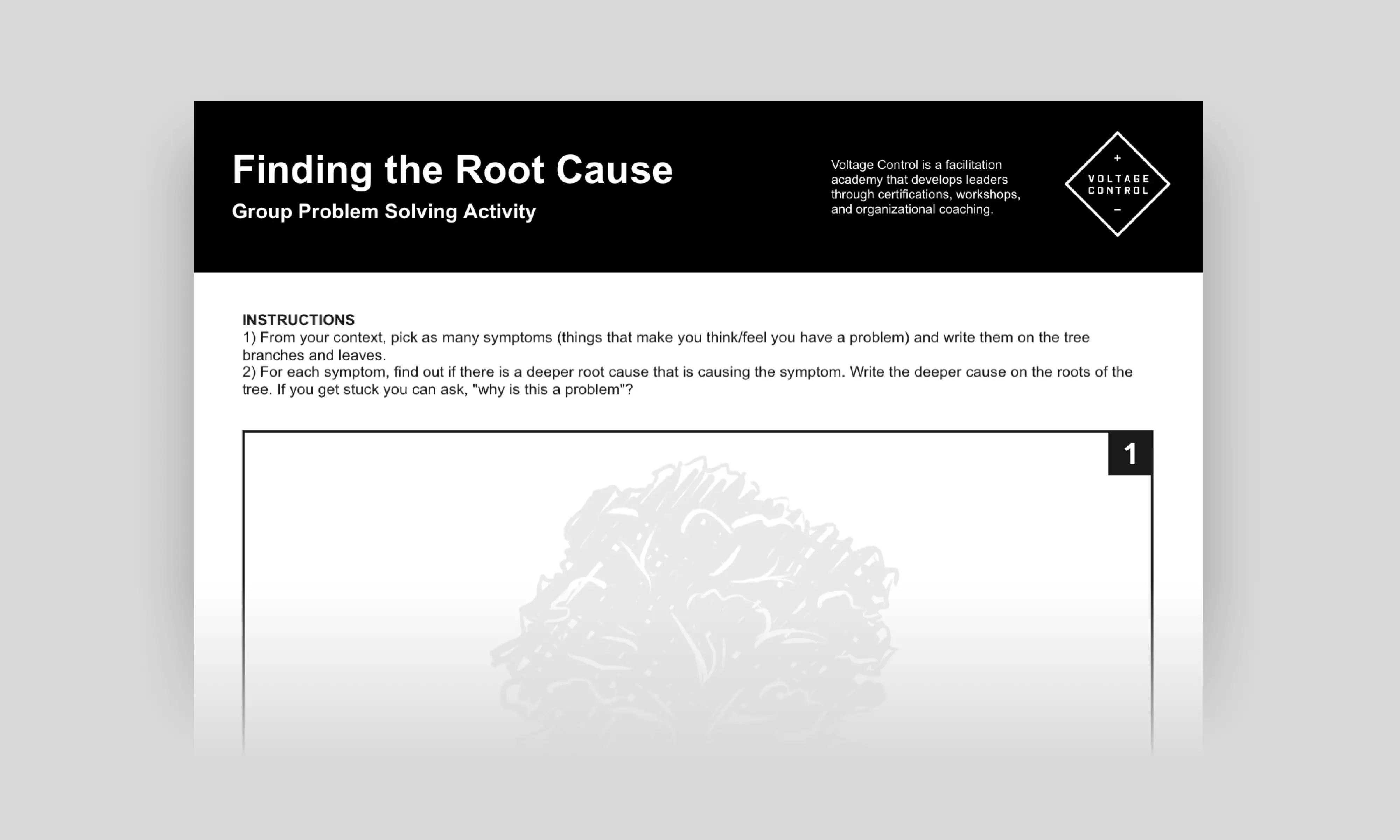
What is the Root Cause Detective Template?
A visual root cause analysis template that helps teams investigate a problem like a case. Teams collect clues, identify possible causes, test them against evidence, select the most likely root cause, and create a corrective action.
What problem does the Root Cause Detective Template solve?
Jumping to conclusions
Assumption-based root cause analysis
Scattered evidence
Too many possible causes
Weak corrective actions
Recurring issues
How to use the Root Cause Detective Template
Define the case.
Collect confirmed clues.
List possible suspects.
Compare each suspect against the evidence.
Rank the strongest causes.
Select the root cause.
Create the corrective action.
Assign an owner and success measure.
Common pitfalls
Treating opinions as clues
Naming a root cause too early
Keeping every possible cause
Ignoring evidence that challenges a theory
Choosing a fix before confirming the cause
Skipping follow-up
Ways to avoid mistakes
Mark confirmed and unconfirmed information separately.
Use one clue per card.
Test each possible cause.
Remove weak suspects.
Tie the corrective action directly to the root cause.
Schedule a follow-up review.
Miro Features You Can Use
Cards for clues and suspects
Tags for confirmed and unconfirmed evidence
Voting for strongest causes
Comments for investigation notes
Color coding for evidence strength
Connectors between clues and causes
Task cards for corrective actions
FAQs
Q: Who can use this template?
A: Product, engineering, operations, support, quality, compliance, and project teams.
Q: What makes this different from a standard root cause analysis?
A: It separates evidence, possible causes, and final conclusions into a simple investigation flow.
Q: How many possible causes should the team review?
A: Three to five keeps the investigation focused.
Q: Can this be used for customer or process issues?
A: Yes. It works for product defects, service failures, process breakdowns, customer complaints, and operational problems.
Q: What will participants leave with?
A: A documented case, confirmed evidence, a likely root cause, a corrective action, and a follow-up plan.