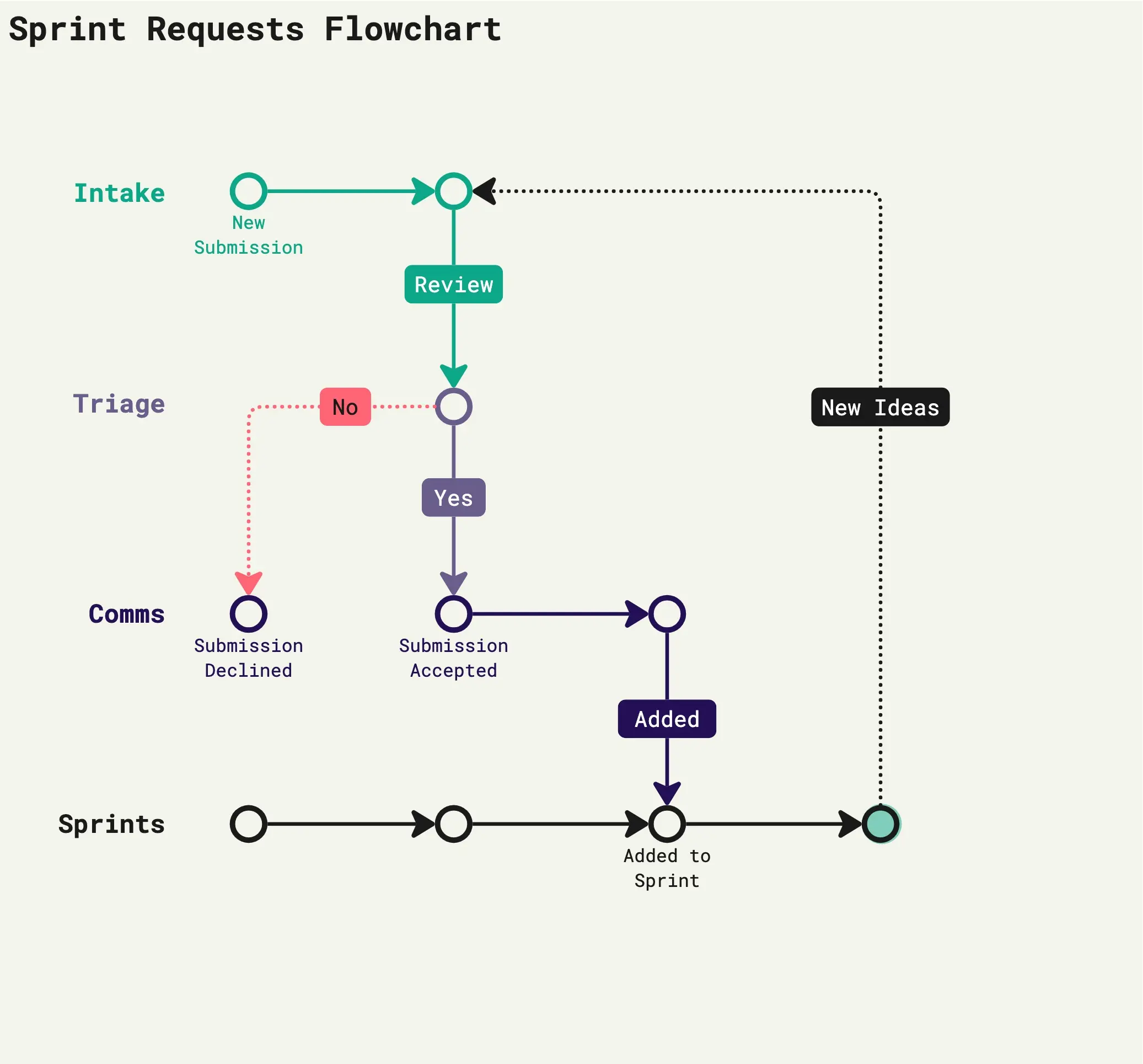
What it is for: A process flowchart draws the steps, decisions, inputs and outputs of a process in the order they happen, so everyone can see how the work really flows. You leave with one agreed map, checked against real cases, with the places where reality took a different path marked.
Who it helps: Operations, service and improvement teams, and anyone who needs several departments to agree how a process works today before changing it.
When to use it
When people describe the same process in different ways.
Before redesigning, automating or handing over a process.
When delays or rework appear and nobody can say where they start.
How to use it
Set the boundaries: what starts the process and what ends it.
With the people who do the work, list the steps in the order they happen.
Mark every decision as a diamond with its yes and no paths.
Add who owns each step and what goes in and comes out.
Walk two or three recent real cases through the map and correct it where reality differs.
Tip: Map the process as it is, not as the procedure says it should be. The gap between the two is usually the finding.
Credits and sources: Original Tiremesù worksheet and wording. Method credit: Frank and Lillian Gilbreth, who introduced the flow process chart in 1921. Further reading: ASQ: What is a flowchart?
Full guide and film:https://www.tiremesu.com/guides/process-flowchart