NGO Stakeholder Analysis
Understand who matters to your work, what they need, and how to involve them.
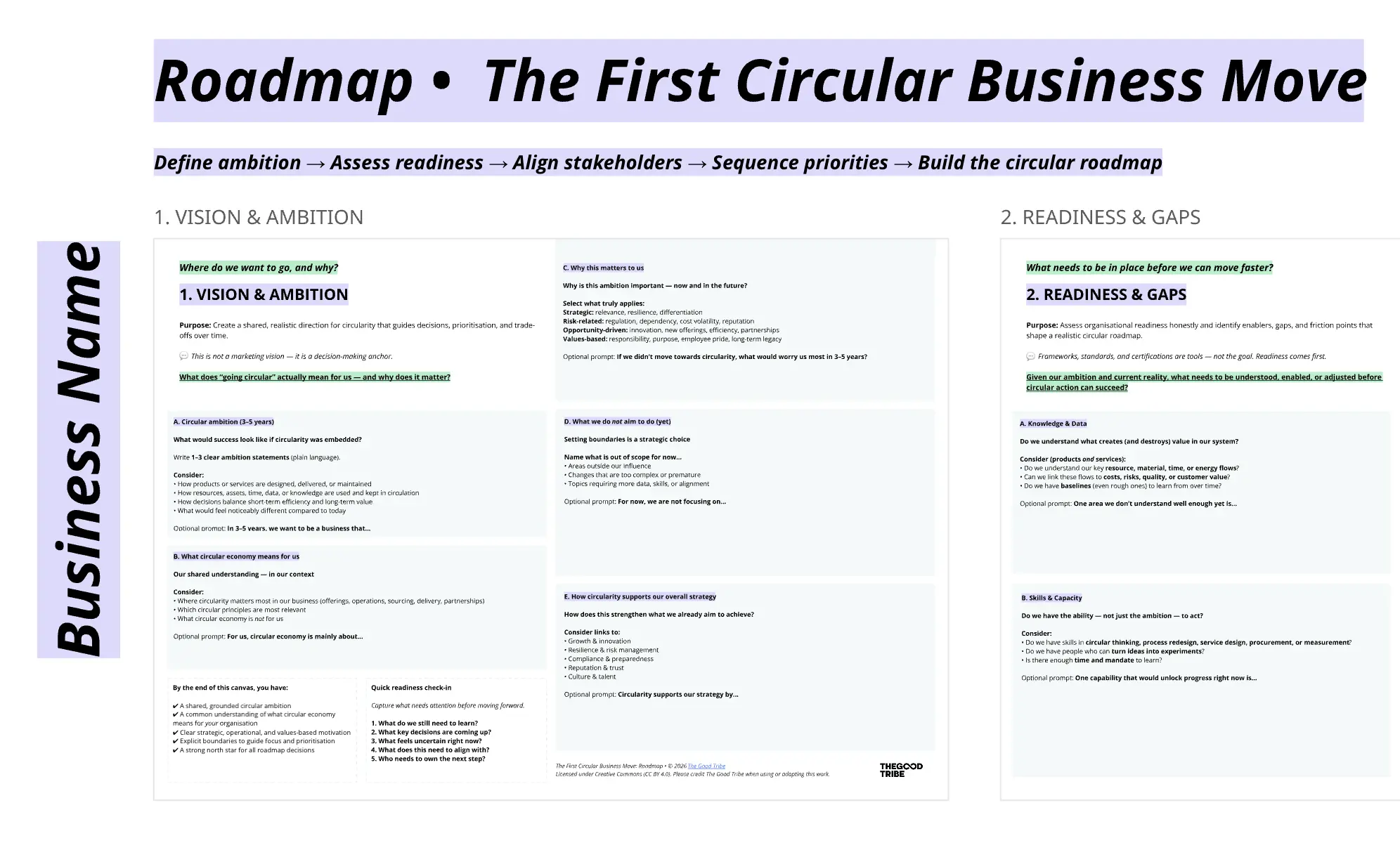
This simple, accessible template helps NGOs explore the people and relationships around a project, decision, or challenge. It creates space to consider different perspectives, recognise overlooked voices, and plan meaningful engagement.
Five guided steps take you from defining your purpose to agreeing practical next actions. Sticky-note areas, a stakeholder perspectives table, and an engagement plan keep the process straightforward. No previous stakeholder-analysis experience is needed.
Who is this template for?
NGO staff, volunteers, board members, community organisers, project coordinators, and facilitators. It is especially useful for small organisations and teams looking for a manageable starting point.
Use it when launching a project, building partnerships, preparing a consultation, reviewing community relationships, or making a decision that could affect others.
Before you begin
Choose one project, decision, or challenge to focus on. Complete the “About our NGO” section with your organisation’s name and the people taking part.
For an initial session, allow approximately 60–90 minutes with three to eight participants. These are suggested starting points; you can also prepare an initial map individually and review it with others.
Bring different perspectives into the discussion, including people who work directly with communities. Treat internal views about stakeholders as assumptions to check through conversation.
How to use the NGO Stakeholder Analysis
1. Start with your purpose
Describe the project, decision, or challenge you are exploring. Agree on the change you want to create and who might be affected.
Write a clear focus and goal so everyone is analysing the same situation.
2. List the people and groups involved
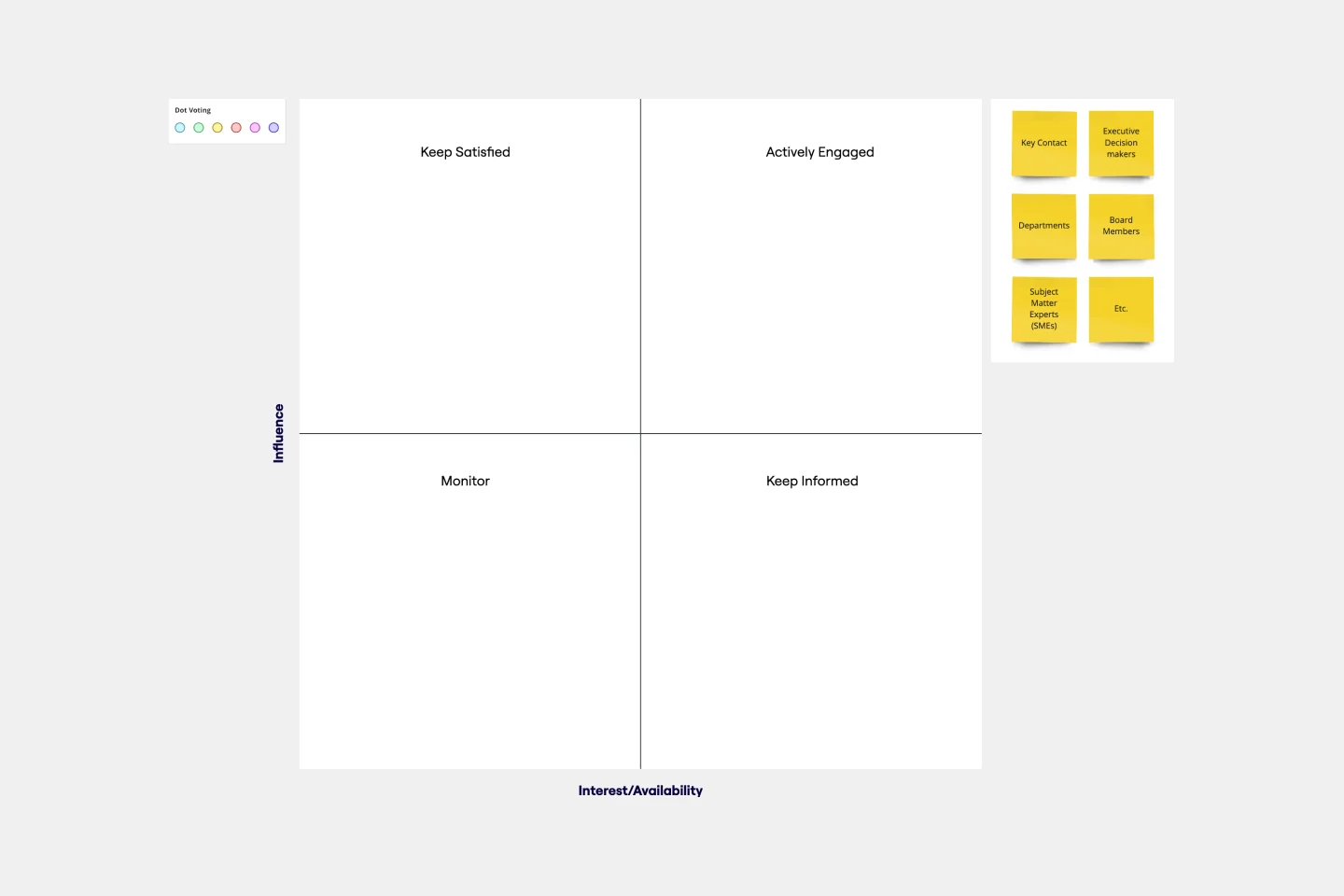
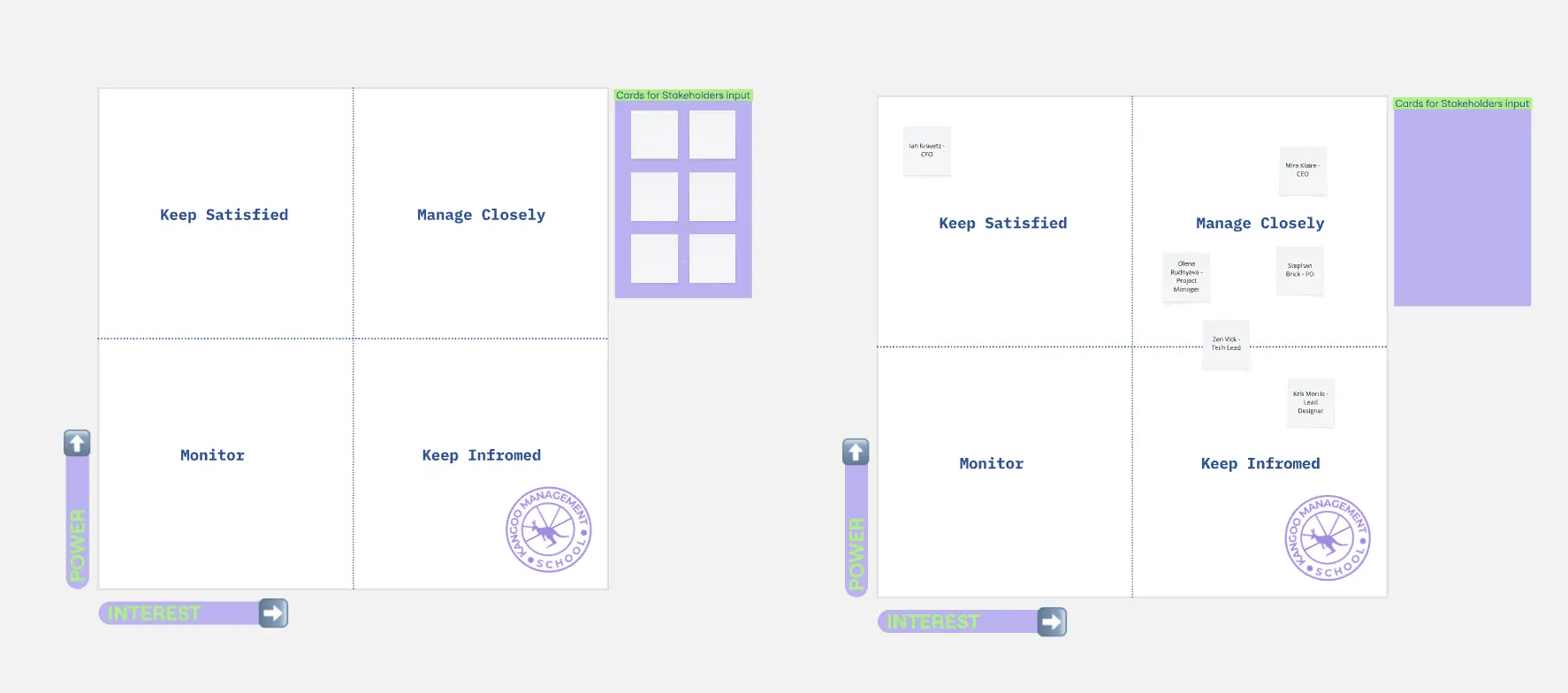
Add one sticky note per person or group. Think beyond your immediate contacts: include community members, people directly affected, volunteers, staff, donors, funders, partners, public authorities, experts, and critics.
Ask who is missing and whose relationship to the project might be less visible.
3. Understand their perspective
Use the stakeholder perspectives table to explore why each group matters, what they may need, and what they could gain or lose.
Consider their knowledge, lived experience, influence, and interest. Record uncertainty and differences within groups rather than assuming everyone shares the same priorities.
4. Decide who to prioritise
Identify who needs to be involved from the start, who needs updates, and who could support the work. Consider people who may disagree or experience negative effects.
Give particular attention to affected people whose voices are less often heard. Influence and interest are useful prompts, but people with little influence may still need a central role.
5. Make a simple engagement plan
Choose practical next steps, such as a conversation, meeting, survey, workshop, or update.
For each action, record the stakeholders involved, a responsible person, and a deadline. Explain how you will show participants that their input was heard, including what changed or why a suggestion could not be taken forward.
Tips for a useful discussion
Begin with individual sticky notes before sharing ideas. This gives everyone time to contribute and helps surface perspectives that might otherwise be missed.
Keep participation safe, accessible, and respectful. Avoid putting sensitive personal information on a shared board, and check assumptions directly with stakeholders where possible.
Review the map as the project develops: relationships, needs, and priorities can change.
What will you leave with?
A shared picture of the people and groups connected to your work, a clearer understanding of their perspectives, and priorities for involvement.
You’ll also have a practical engagement plan with owners, deadlines, and ways to close the feedback loop—helping your NGO build stronger relationships and make better-informed decisions.