Net-Zero Transition & Compliance Roadmap
Connect climate ambition with accountable action
Bring your organisation’s climate priorities, reporting needs, and transition activities into one shared view.
This detailed template helps teams explore ten connected areas of a net-zero transition, from emissions data and climate risk to supplier engagement, funding, and governance. Guided questions and dedicated brainstorming spaces help you identify gaps, connect workstreams, and turn discussion into a practical roadmap.
Who is it for?
Sustainability leads, leadership teams, finance, procurement, operations, risk, legal, and reporting professionals—as well as consultants and facilitators supporting organisational climate action.
Use it to kick off transition planning, review an existing approach, or align teams around priorities and responsibilities.
How to use it
Define the organisation, business unit, or value chain you’re focusing on. Gather existing emissions data, targets, policies, reporting requirements, and transition initiatives, then explore ten areas:
Regulatory and reporting baseline: Map applicable obligations, reporting timelines, responsibilities, and gaps requiring specialist review.
Organisational and emissions baseline: Explore reporting boundaries, emissions sources, data quality, and hotspots.
Climate risk, impact, and materiality: Consider business risks alongside impacts on people, communities, and the environment.
Targets and transition commitments: Examine target coverage, interim milestones, assumptions, and supporting evidence.
Real-world decarbonisation: Identify and prioritise emissions-reduction opportunities across operations, products, and business models.
Suppliers and Scope 3: Explore value-chain emissions, procurement practices, and supplier support.
Governance and accountability: Clarify oversight, delivery responsibilities, skills, and decision-making processes.
Funding and implementation: Connect initiatives with budgets, resources, dependencies, and investment decisions.
Measurement and improvement: Plan how progress will be tracked, evidenced, reviewed, and reported.
Residual emissions: Examine remaining emissions, the role of removals, and how claims will be reviewed and communicated.
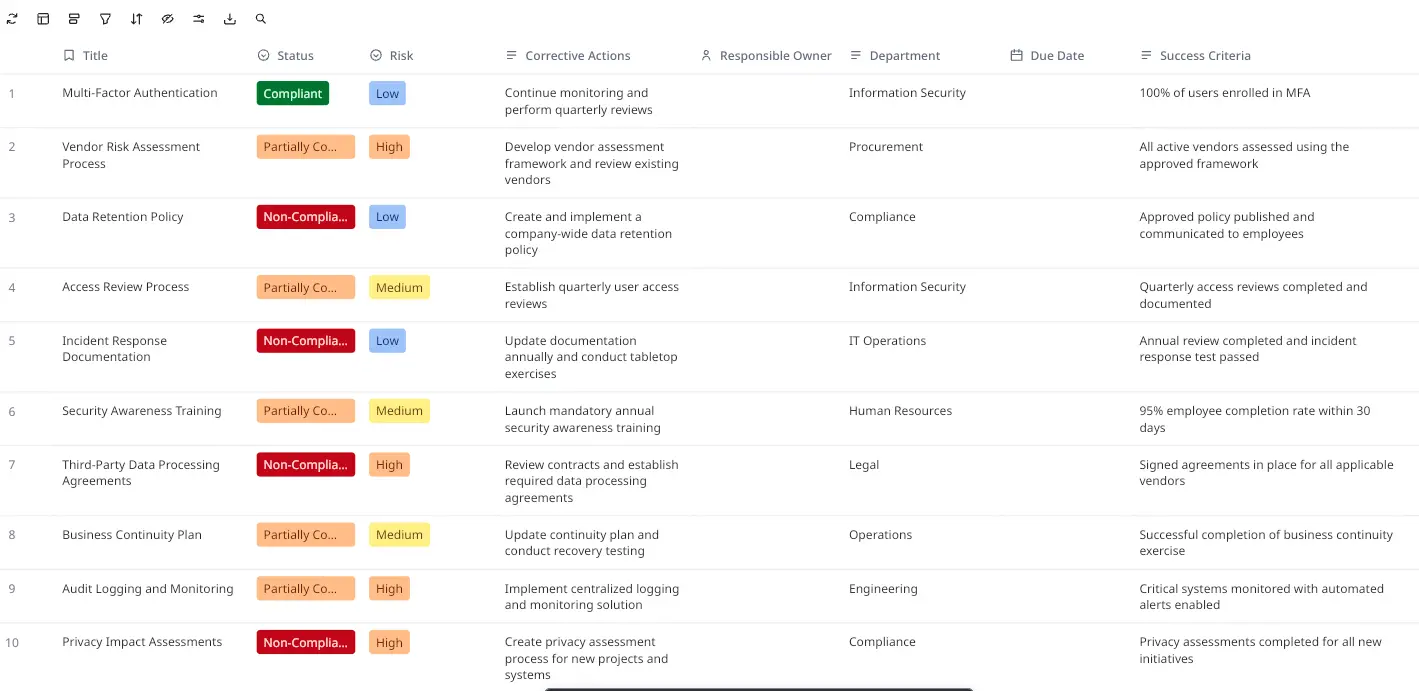
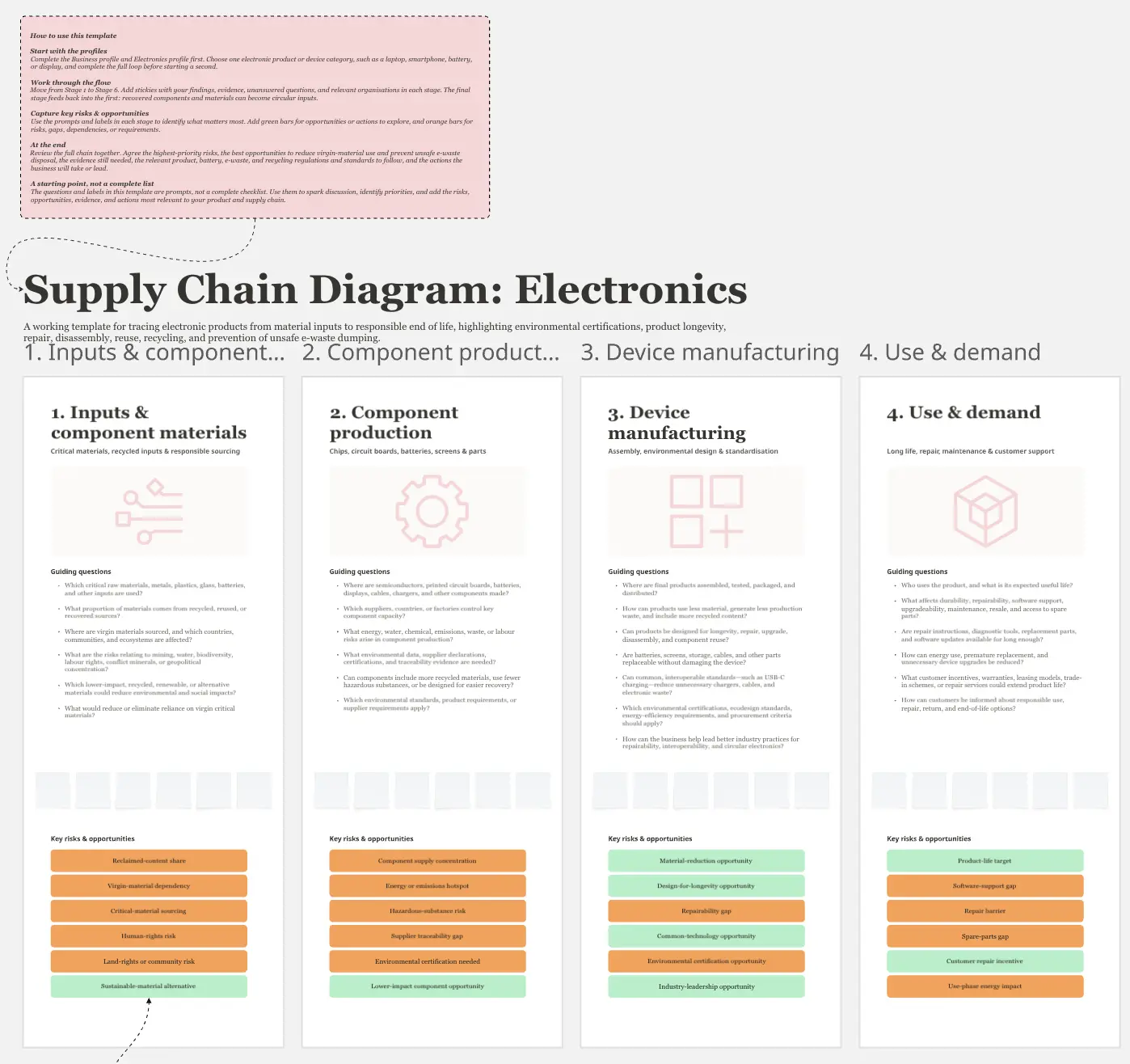
Add sticky notes to each brainstorming area, distinguishing documented information from assumptions and unanswered questions. Use the roadmap table to consolidate priorities, assign owners, and agree next steps.
Adapt the framework to your organisation and markets. Use it to structure planning and specialist review; completing the board does not establish compliance or validate a net-zero claim.
What will you leave with?
A shared picture of your transition planning, priority gaps, and connections between teams. You’ll have the foundations for an actionable roadmap, with named owners, evidence needs, and next steps for developing the detailed assessments and plans.