What is the API Requirements Template?
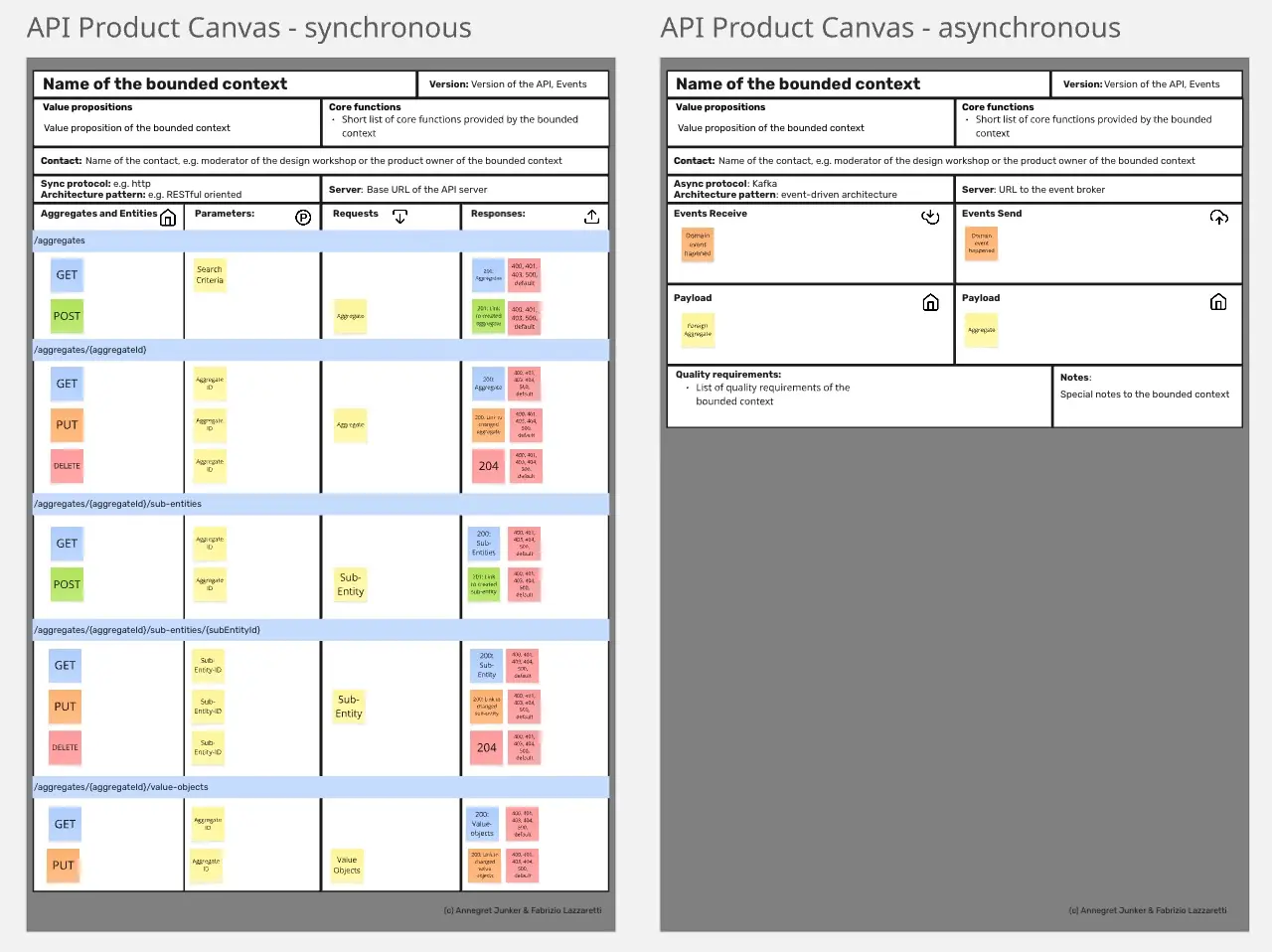
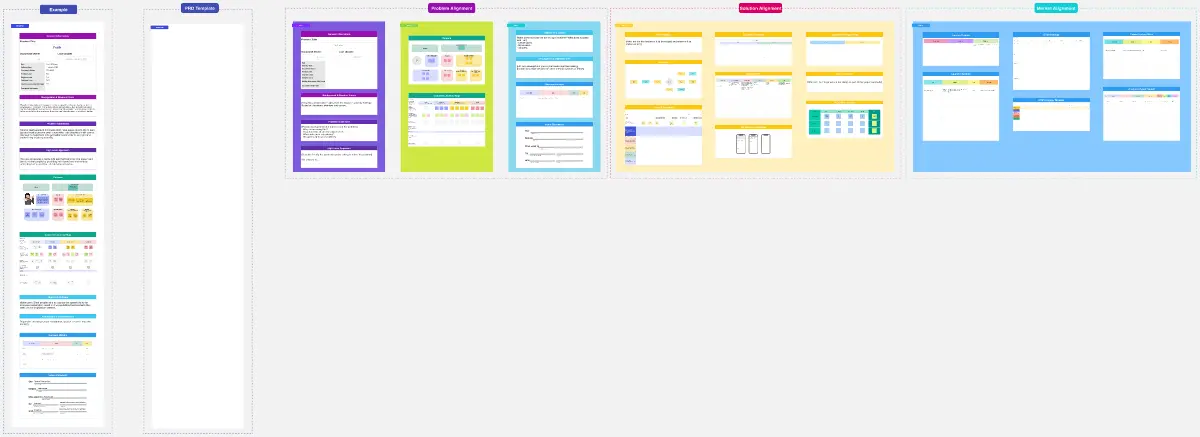
A collaborative API planning template that helps product, engineering, and architecture teams define API needs before development begins. The workshop moves through five stages: gathering API information, analyzing architectural impact, creating user stories, documenting technical requirements and dependencies, and building a delivery roadmap.
What problem does the API Requirements Template solve?
Incomplete API requirements
Unclear integration needs
Missing architectural context
Disconnected user and technical needs
Hidden dependencies
Poor alignment across product and engineering
Unclear implementation sequencing
How to use the API Requirements Template
Start by gathering the API information, stakeholders, systems, and business needs.
Review the architectural impact and map how systems, services, and integrations connect.
Create user stories that describe what users, systems, or internal teams need from the API.
Document technical requirements, dependencies, security needs, data considerations, and integration constraints.
Finish by organizing the requirements into a roadmap with priorities, milestones, and implementation sequencing.
Common pitfalls
Starting development before the API purpose is clear
Documenting endpoints without understanding user needs
Skipping architectural impact analysis
Ignoring dependencies between systems
Missing security or data requirements
Creating user stories that are too technical
Building a roadmap without clear priorities
Ways to avoid mistakes
Define the API purpose before discussing implementation.
Include product, engineering, architecture, and security perspectives.
Connect user stories to technical requirements.
Map dependencies before prioritizing work.
Document assumptions and unresolved questions.
Review security, authentication, data, and performance needs early.
Sequence roadmap items around dependencies and business value.
Miro Features You Can Use
Frames for each workshop stage
Sticky notes for requirements and open questions
Architecture diagrams for system relationships
Tables for user stories and technical requirements
Tags for priority, dependency, and ownership
Comments for engineering discussion
Color coding for requirement categories
Connectors for architectural flows
Roadmap shapes for milestones and releases
FAQs
Q: Who can benefit from this template?
A: Product managers, software engineers, architects, API developers, security teams, integration teams, technical leads, and cross-functional product teams.
Q: When should this template be used?
A: Use it before building a new API, expanding an existing API, planning an integration, or reviewing API architecture.
Q: Does the template include user stories?
A: Yes. One stage is dedicated to translating API needs into user stories before finalizing technical requirements.
Q: What types of technical requirements can be captured?
A: Authentication, authorization, endpoints, data formats, integrations, dependencies, performance, error handling, monitoring, and related technical needs.
Q: Can this template support internal and external APIs?
A: Yes. It can be used for internal services, partner integrations, public APIs, and platform APIs.
Q: What will participants leave with?
A: A documented API purpose, architectural impact view, user stories, technical requirements, dependencies, and a prioritized implementation roadmap.