Unlock insights with root cause analysis tools



















Find the real problem with root cause analysis tools in Miro
Empower teams
With Miro's root cause analysis tools, everyone can bring their insights into a shared workspace, fostering a sense of unity and understanding. Dig deeper, highlight the root cause of problems in real time or async, and find solutions collaboratively.
Visualize to understand
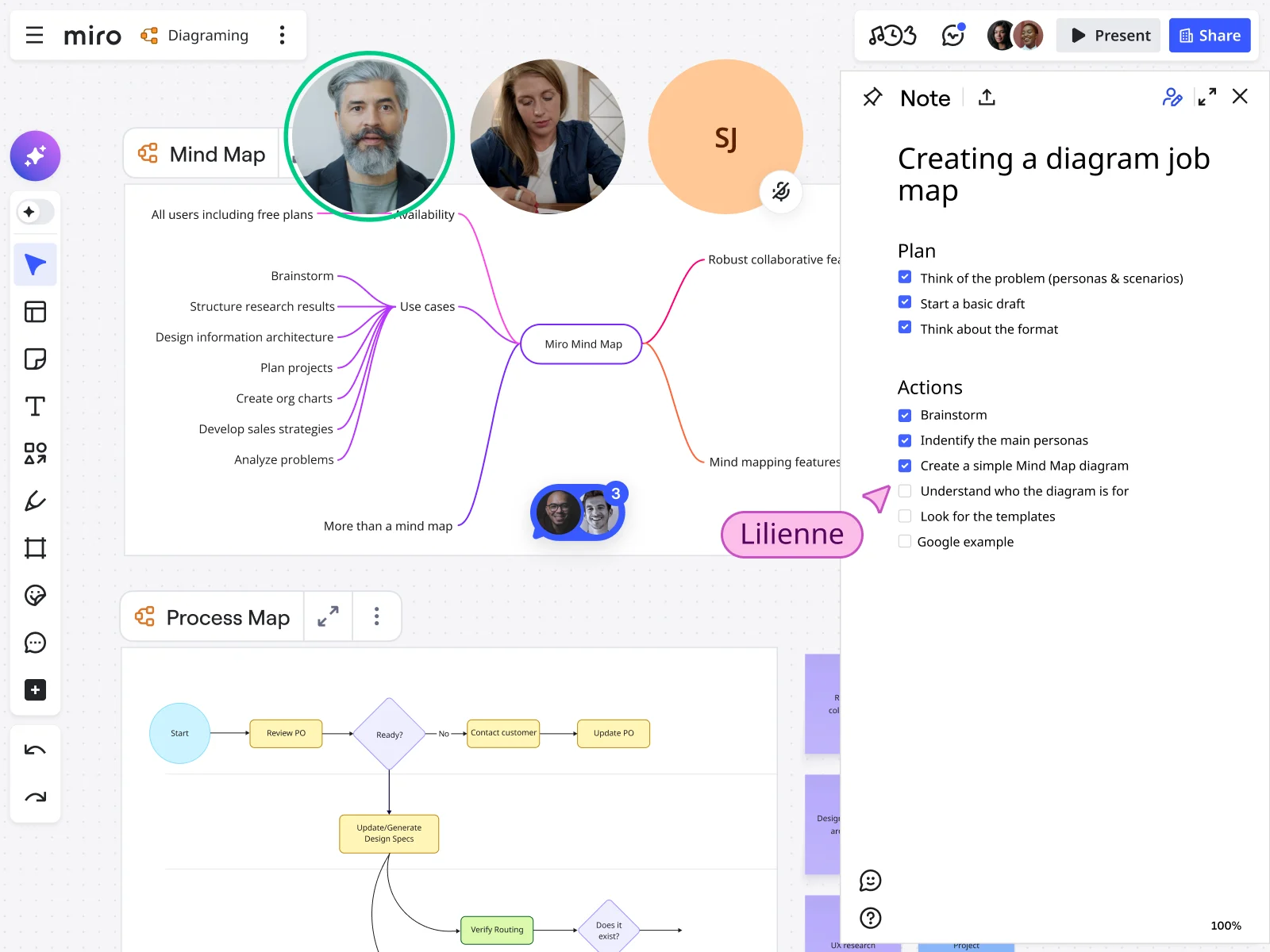
Illustrate and connect the dots with Miro’s tools for root cause analysis. Sketch, draft, and pin your thoughts to understand how different factors relate to each other.
Templates to increase efficiency
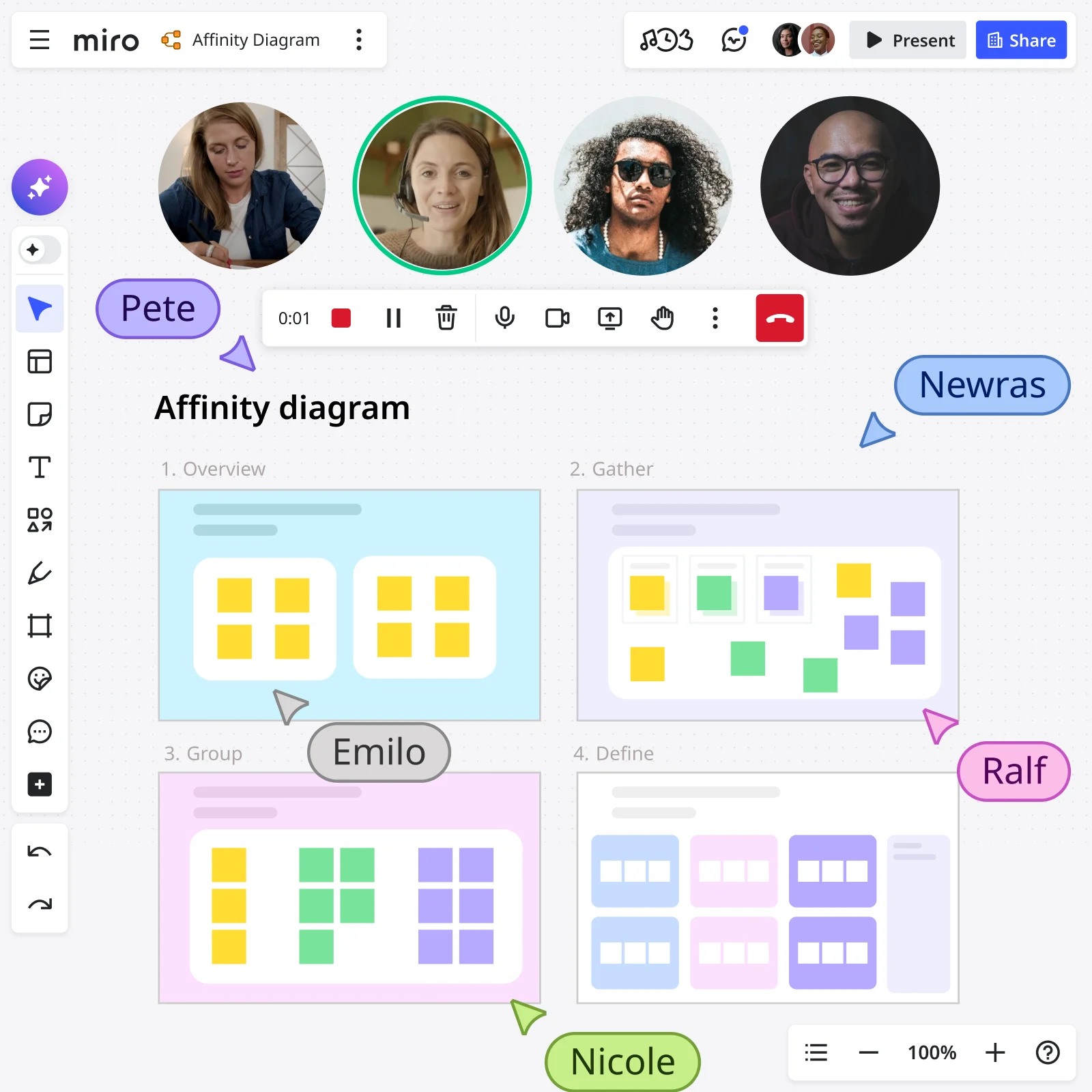
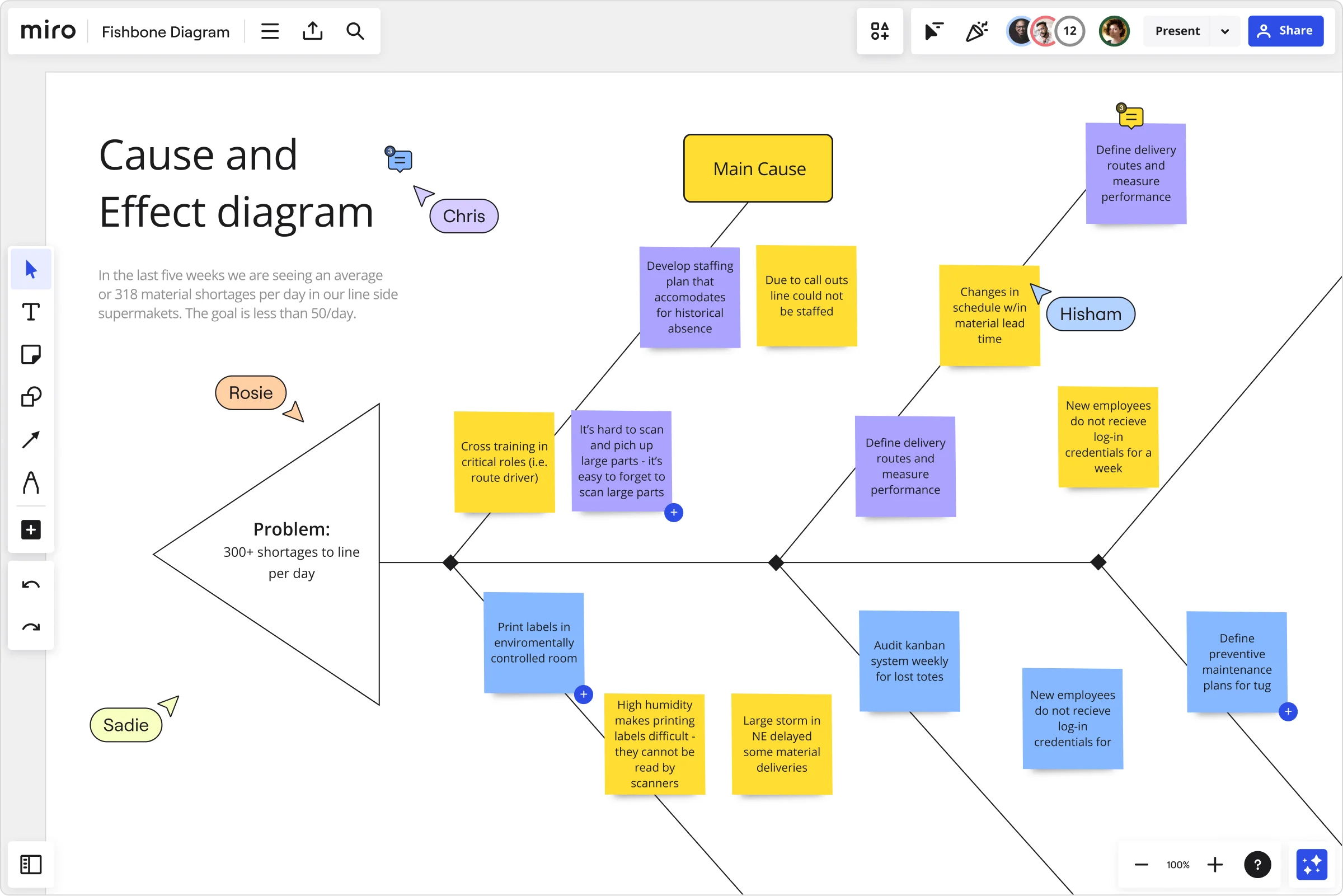
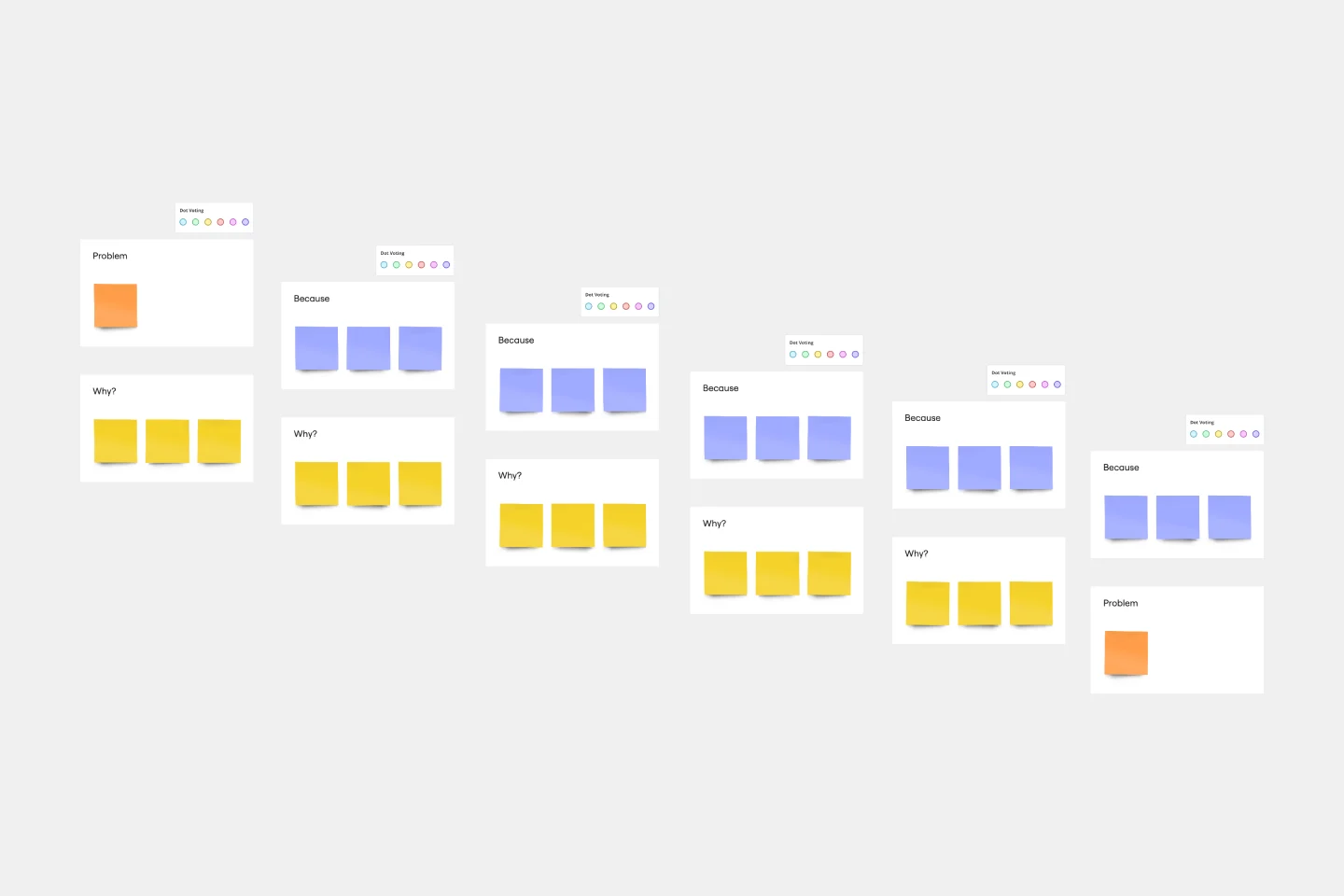
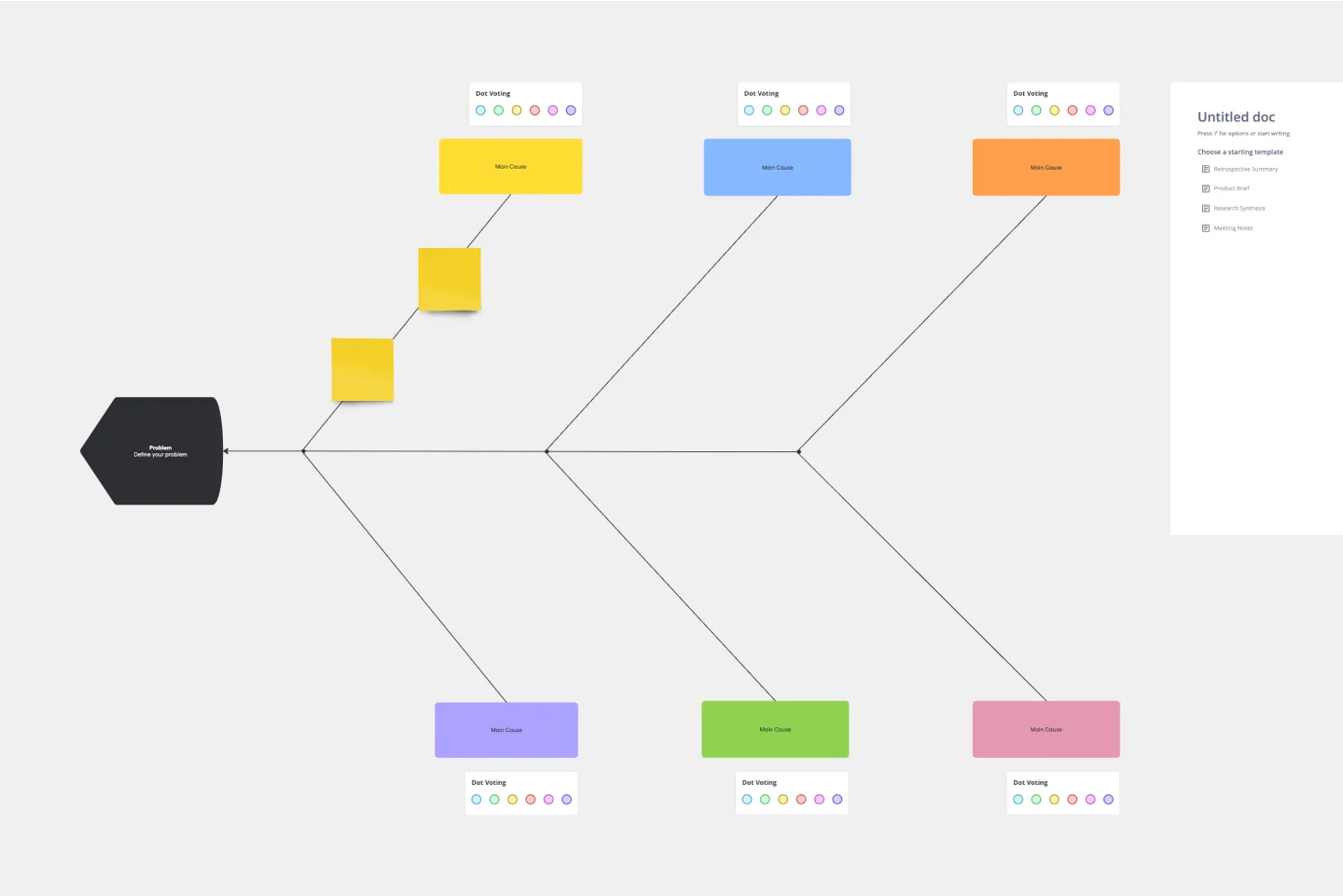
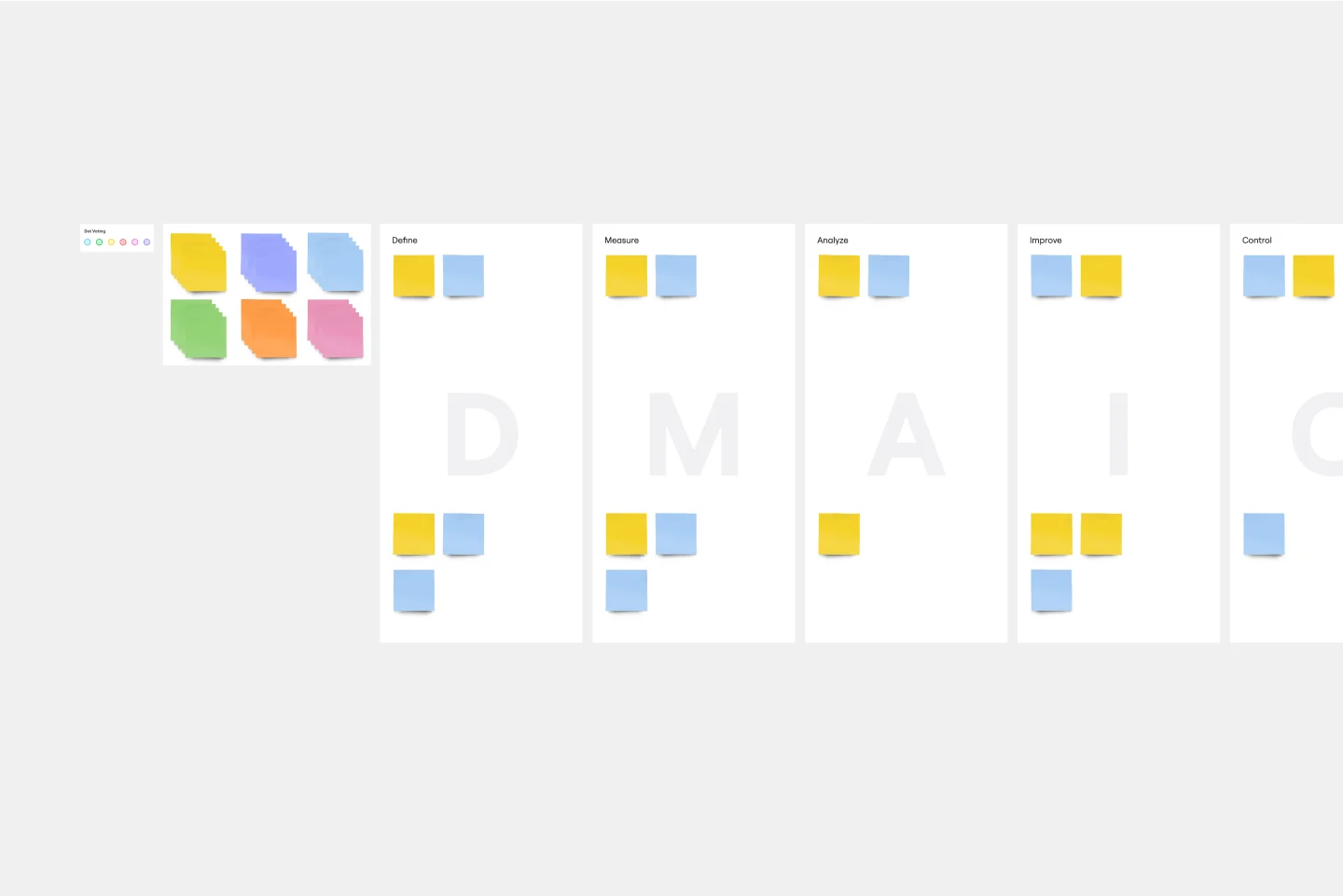
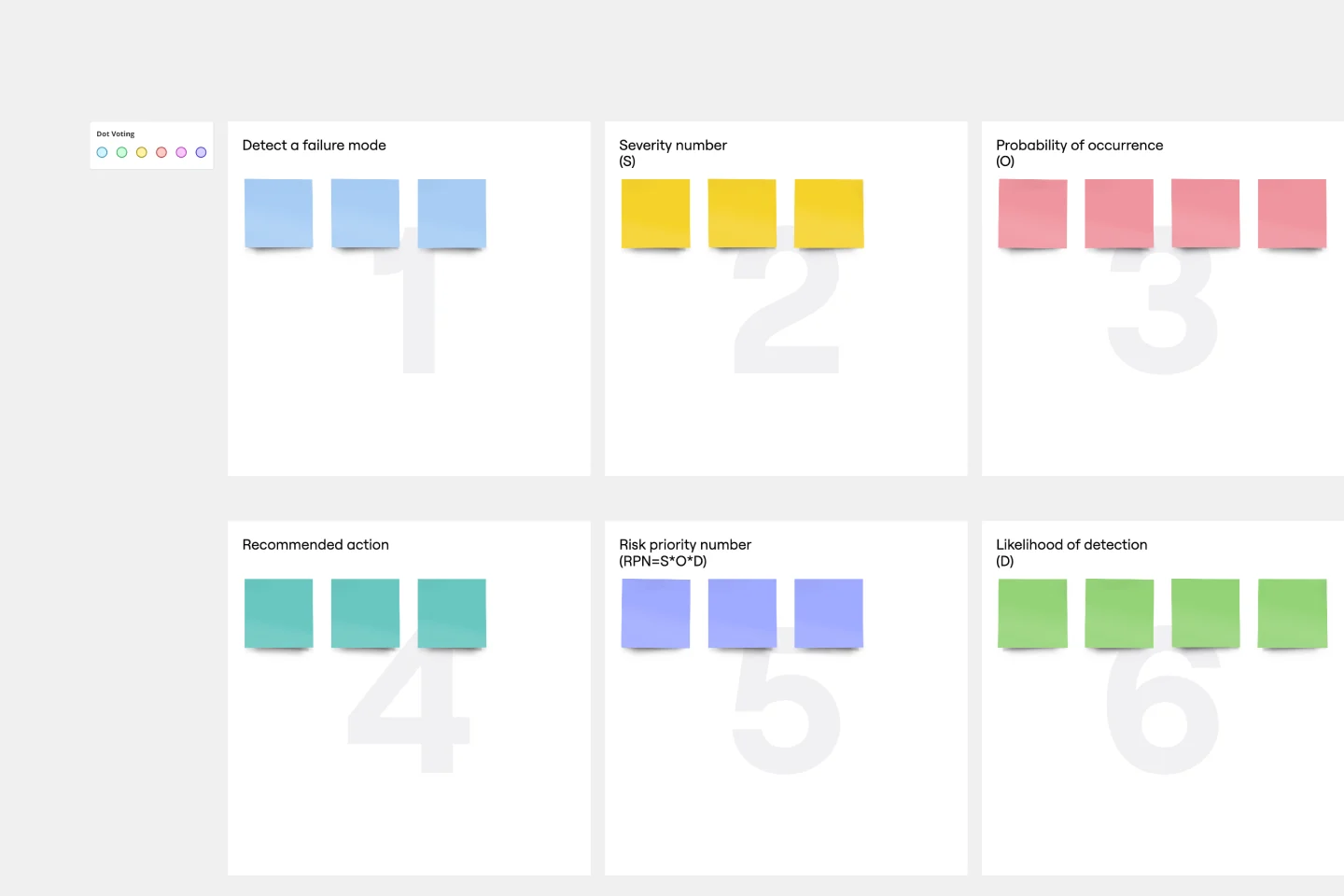
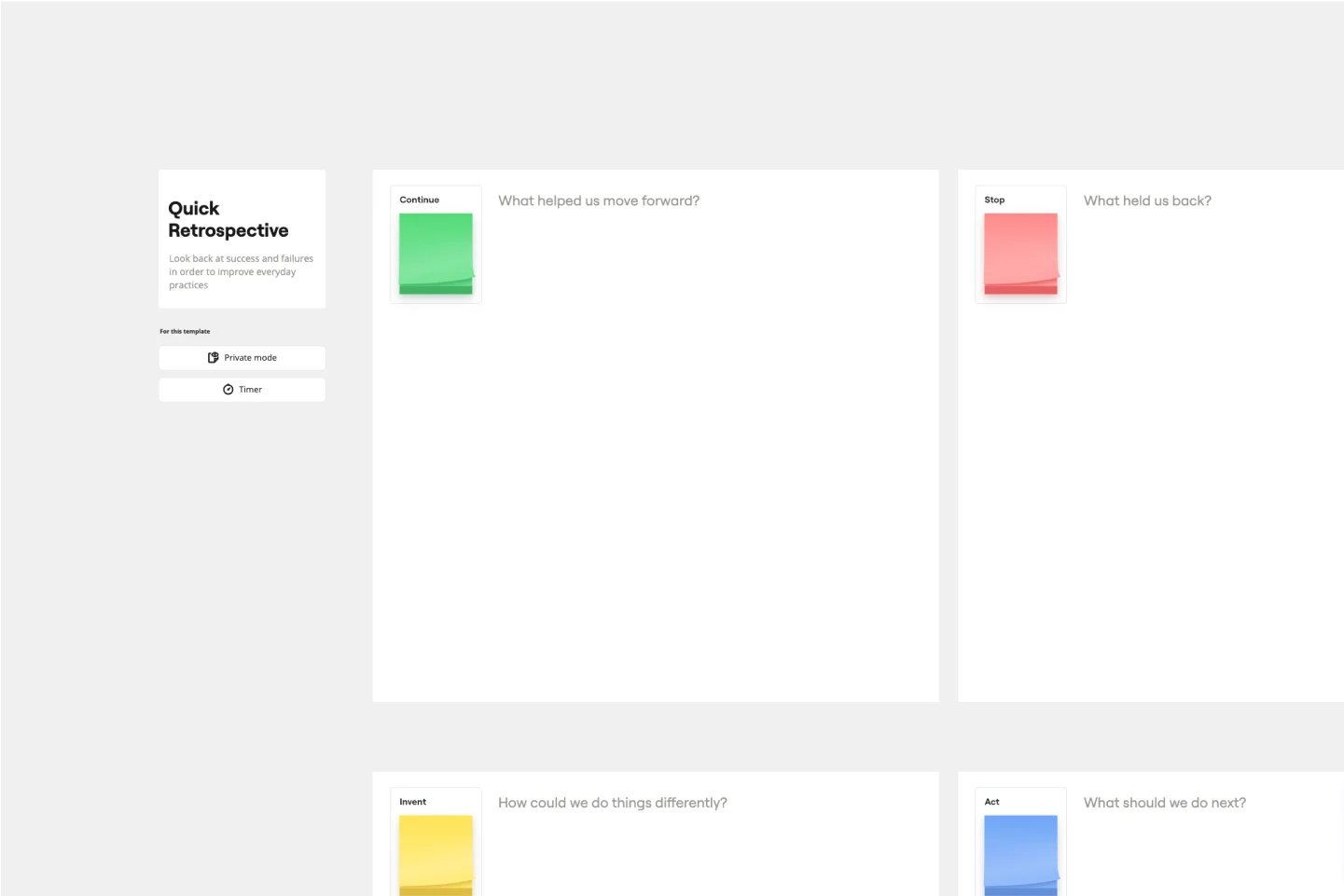
Miro's ready-made templates pave the way to problem-solving. Create a fishbone diagram or use the 5 Whys framework simply by picking a template and letting your ideas flow into an organized structure.
Why Miro is the perfect root cause analysis software
AI-generated diagrams get you started instantly
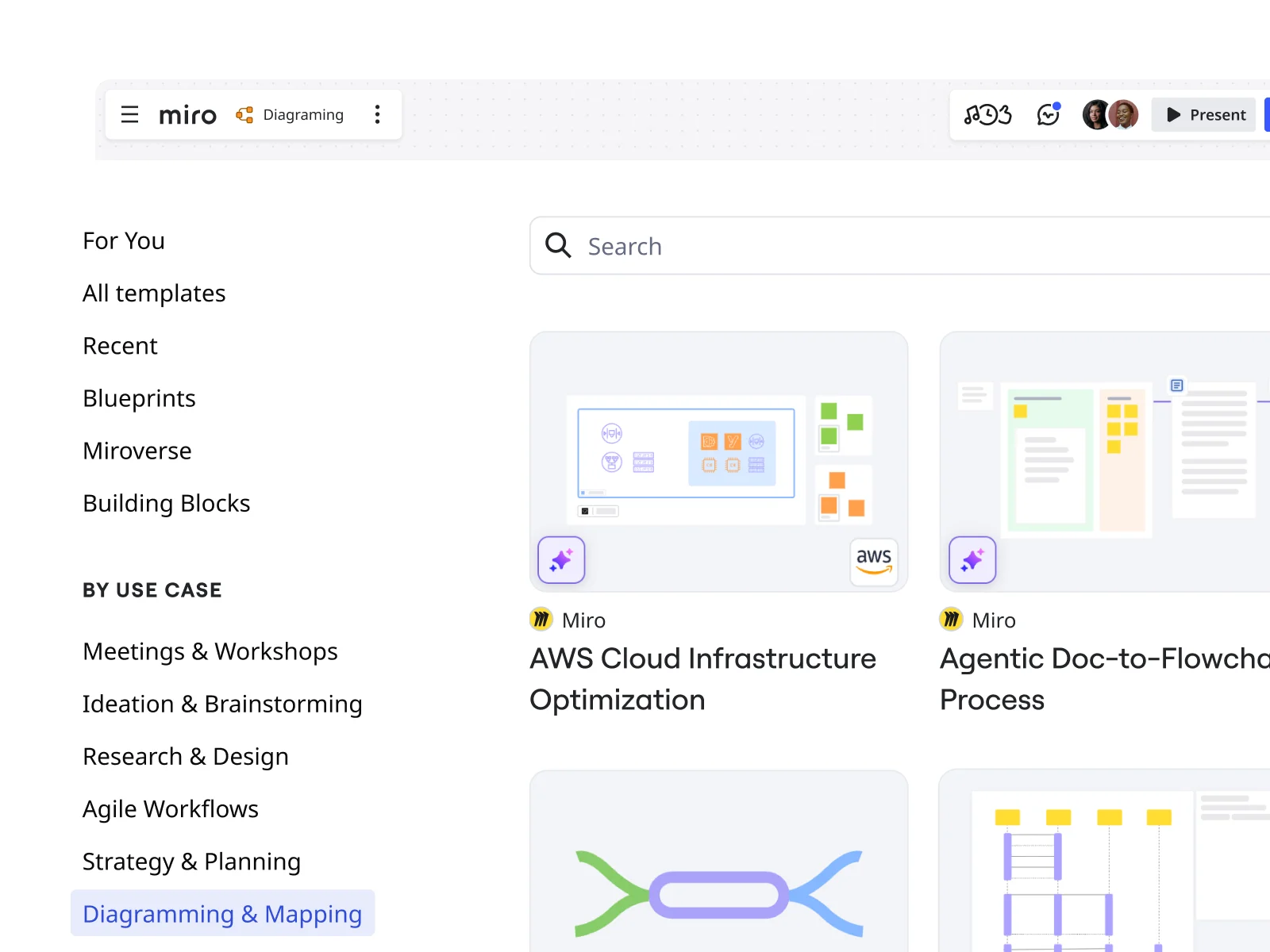
Use AI to generate complete fishbone diagrams from a simple problem statement. Instead of spending 20 minutes drawing boxes and categories, describe your issue and get a structured framework in seconds. Your team can immediately focus on refining causes rather than building the diagram from scratch.
Sidekicks guide your investigation
Get an AI analysis partner that suggests questions you might overlook. Sidekicks help you dig deeper when your 5 Whys stall, identify potential blind spots in your fishbone diagram, and recommend which causes deserve more investigation. It's like having an experienced facilitator on every RCA.
Flows automate the tedious parts
Set up custom workflows that handle repetitive tasks automatically. When you start an RCA, Flows can gather initial input from stakeholders, send notifications when analysis is complete, create action items in your project management tool, and schedule follow-up reviews. Spend your time investigating, not managing process.
Visual collaboration reveals hidden connections
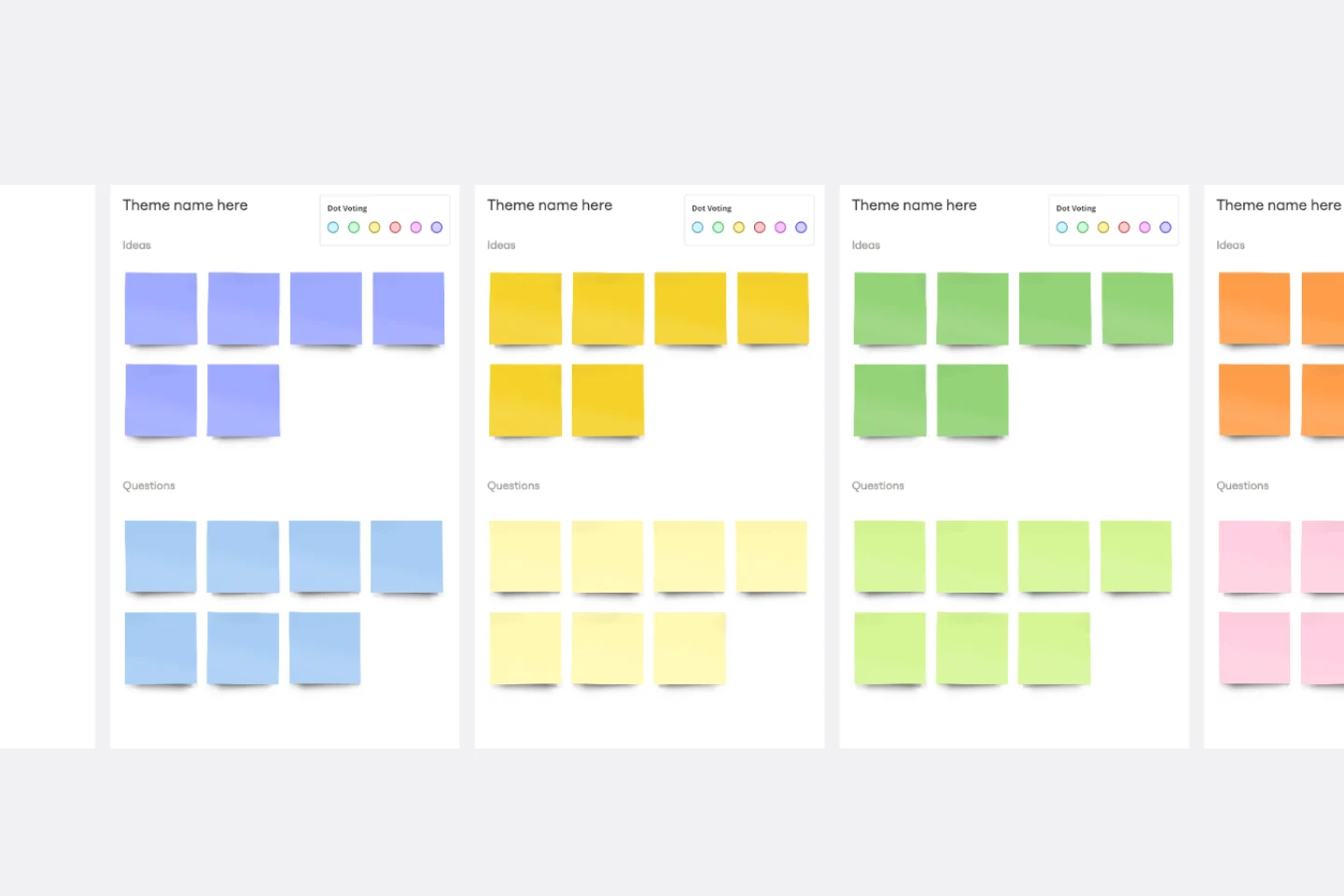
Sticky notes, connectors, and color-coding help your team spot patterns that text documents miss. Draw lines between related causes, group similar issues visually, and use voting to prioritize which leads to chase. When everyone can see the same picture, you catch connections faster.
Real time and async collaboration keeps momentum
Run live RCA sessions where everyone contributes simultaneously, or let teammates add insights on their own schedule. Comments and mentions keep discussions organized. Your investigation never stalls because someone's in a different time zone or stuck in back-to-back meetings.
Templates and boards create organizational memory
Save your best RCA approaches as custom templates for consistent methodology across teams. Reference past investigations when similar problems resurface. Link to related boards like retrospectives, product roadmaps, or customer journey maps for fuller context. Your RCA process gets smarter with every investigation.
Integrated with your favorite tools
Related pages
Related templates
How to perform a root cause analysis with Miro

Root cause analysis tools FAQs
Can any team in any industry use root cause analysis tools?
Absolutely. Teams across industries and sectors use root cause analysis tools, including manufacturing, healthcare, IT, logistics, finance, and more. The RCA framework is flexible and adaptable, allowing organizations to identify and address the root causes of problems regardless of the specific field or context.
Are root cause analysis tools suitable for both simple and complex issues?
Yes, root cause analysis tools are adaptable to both simple and complex issues. Many teams use it for straightforward problems, and it enables them to identify and address root causes quickly. RCA tools also bring more clarity and visibility when decoding relationships between multiple factors in complex issues, making it easier for teams to understand and flag underlying causes.
How much does Miro cost for root cause analysis?
Miro offers a free plan that includes unlimited team members and three editable boards — enough for most teams to run root cause analyses. Paid plans start at $8 per member per month (billed annually) and include unlimited boards, advanced collaboration features, and access to AI-powered capabilities like Sidekicks and Create with AI. Enterprise plans offer additional security, administration, and support features for larger organizations.
Can I collaborate with people outside my organization?
Yes. Miro makes it easy to invite external stakeholders, consultants, or partners to specific boards. You can share boards via link with varying permission levels (view-only, comment, or edit), so you control exactly how outside collaborators participate in your root cause analysis.
Is Miro secure enough for sensitive RCA investigations?
Miro takes security seriously with SOC 2 Type II compliance, GDPR compliance, and enterprise-grade encryption. You get granular access controls, audit logs, and data residency options. For highly sensitive investigations, enterprise plans offer additional security features like advanced user provisioning, custom data retention policies, and dedicated support. Miro is trusted by Fortune 500 companies for confidential work.
Can I connect Miro to our other tools?
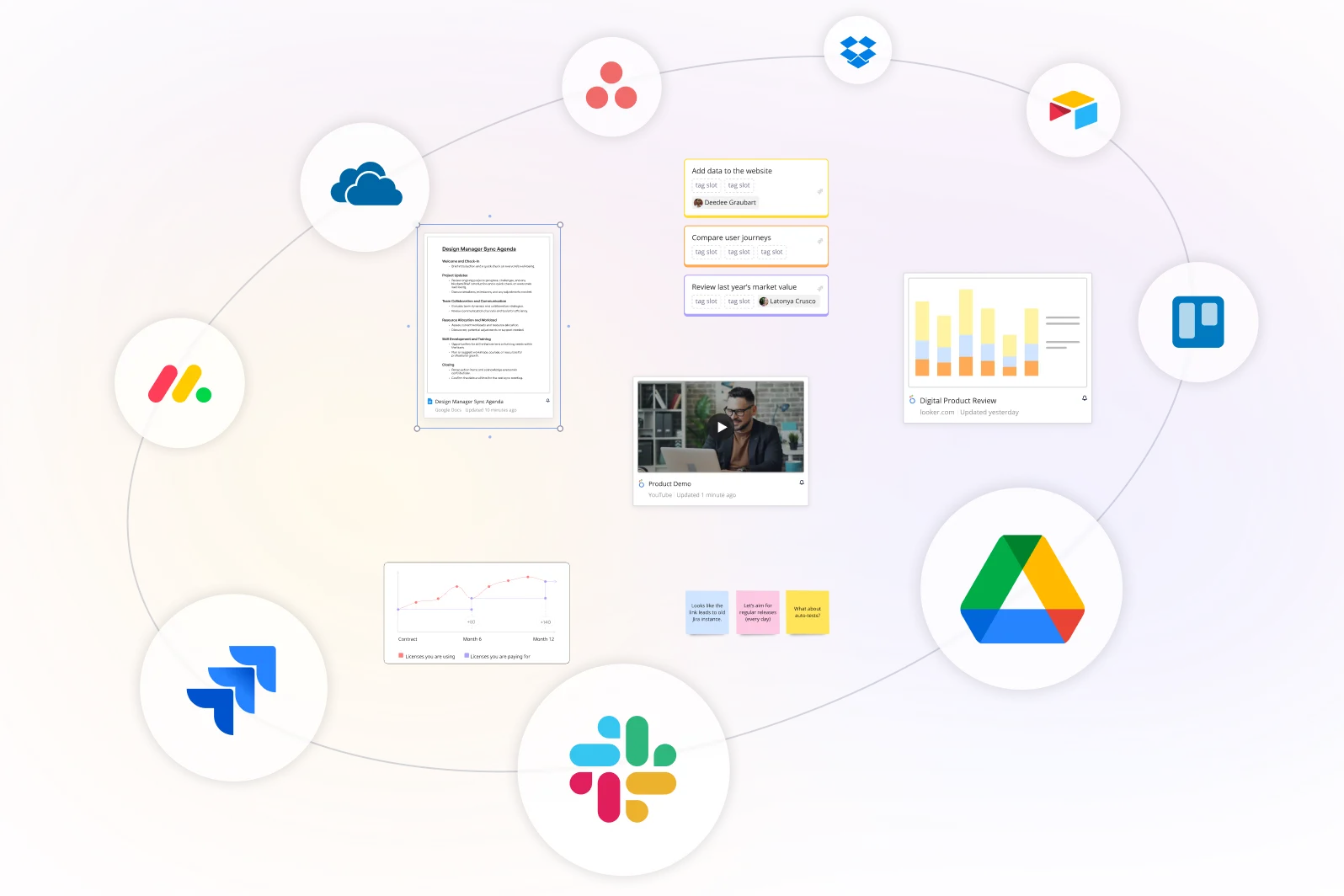
Yes. Miro integrates with 100+ tools including Jira, Asana, Slack, Microsoft Teams, Google Workspace, and more. Pull in data from your project management system, link to relevant tickets or documents, and push action items back to your workflow tools. This means your root cause analysis lives alongside your actual work, not in a separate silo.
How does AI help with root cause analysis?
Miro's AI features accelerate your investigation in three key ways. Create with AI generates complete fishbone diagrams from your problem description, giving you a structured starting point in seconds instead of starting from a blank canvas. Sidekicks provide guided analysis by suggesting questions, identifying potential blind spots, and helping you think through your logic. Flows automate repetitive tasks like gathering stakeholder input, sending updates, or creating follow-up tasks once you've identified solutions.