For years, I ran quarterly planning sessions with the teams I worked with including founders, product managers, and team leads. These were smart people who genuinely wanted to get the next quarter right. Every time, the same thing happened — weeks of back and forth, too many opinions, and too many priorities competing for the top spot.
By the time everyone agreed, the list had 10 or more goals that nobody fully owned. Most were gone by week three because an investor weighed in or sales had an urgent request, and the quarter quietly took a different shape.
The problem was the process. There was no shared structure to collect all the competing inputs, weigh them together, and actually decide as a team. I wanted to fix that.
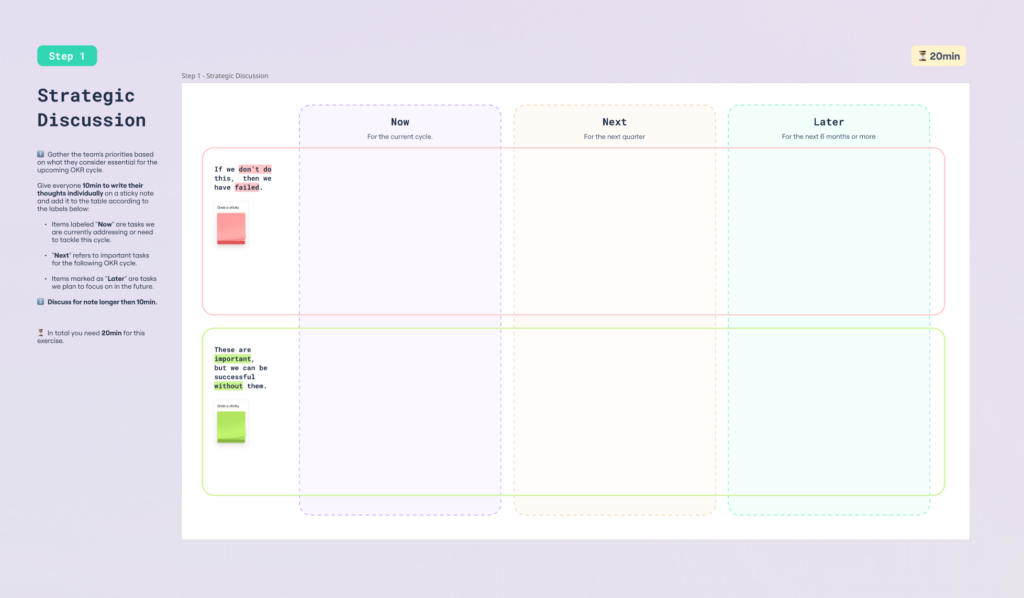
So I built a workshop for it in Miro. A structured facilitation process: Strategic discussion, dot voting, prioritization. A way to get all the voices in the room without letting the same voices dominate.
Then Miro Flows launched.
With Flows, AI can create structured, formatted outputs from multiple messy inputs, like an organized readout from a team brainstorm. So I started experimenting. The workshop was producing good objectives but, as often happens, it was easy to lose track of the context after the session. Teams still switched to Notion or Confluence for documentation, spreadsheets for tracking, or slides for end-of-quarter reporting.
The thinking happened in Miro and then left, scattered across different tools and files where no one could find it again. What if it didn’t have to?
I built a tracking table inside the same board. Then I added a Flow to populate it automatically from the workshop outputs. Then another to generate a plan presentation, and another to summarise the retrospective. I tested each with a real planning scenario, adjusted the prompts, and tested again.
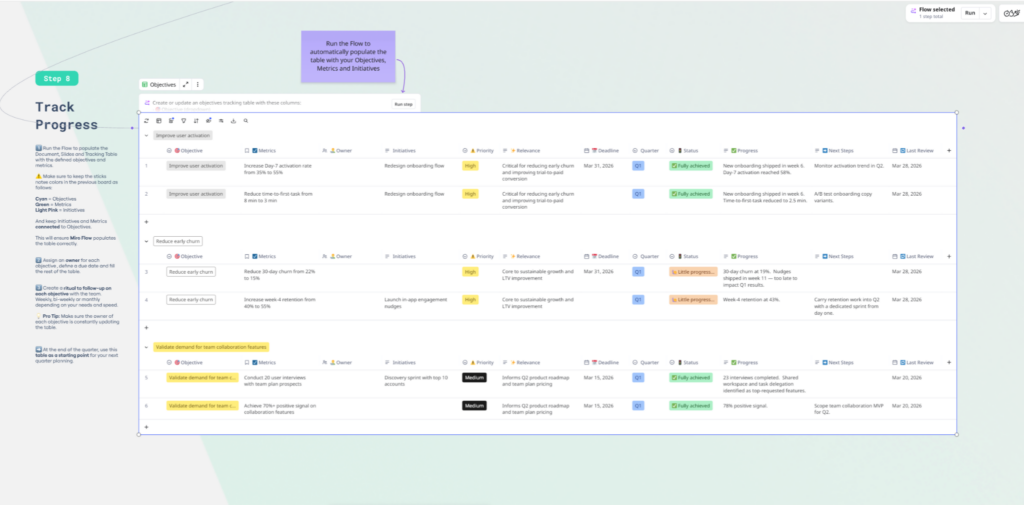
The moment I knew I was onto something was when I ran a full quarter for myself. Admittedly, it wasn’t the perfect test since I’m a team of one, but it held up. I set out to fix a problem and ended up with a whole system.
What I learned building with Flows
The honest version: It took a lot of iteration to get outputs that were actually useful rather than just impressive-looking. The tracking table was the hardest part. In my early trials, it couldn’t hold a pre-defined structure, so I had to spell out every detail in the prompt, and the more complex the prompt got, the harder it was to get right. It still can’t group rows automatically or set fixed colours for tags, but the structure holds up well now.
The prompts matter more than I expected. Vague instructions produce vague outputs. The more specific you are about structure, format, and what to include or exclude, the more the Flow behaves like a thoughtful collaborator rather than a text generator.
The board’s structure and content matter too. Flows read whatever is there. If the tracking table is filled in inconsistently, the output reflects that. Once I built in clear conventions (consistent field names, status labels, note formats), every Flow became more reliable.
And the most important thing: The AI gives you a strong first draft but your expertise is what makes it good. I always review, reshape, and sometimes heavily rewrite what the Flows produce. I don’t see that as a limitation — the Flow accelerates the work, but the thinking is still mine.
An AI-powered quarterly planning system
What started as a workshop fix is now a complete quarterly planning cycle, all inside one Miro board.
- A planning workshop to get the team agreeing on priorities before the quarter starts.
- A tracking table that follows those objectives throughout the whole year.
- A retrospective at the end of each quarter to learn from what happened.
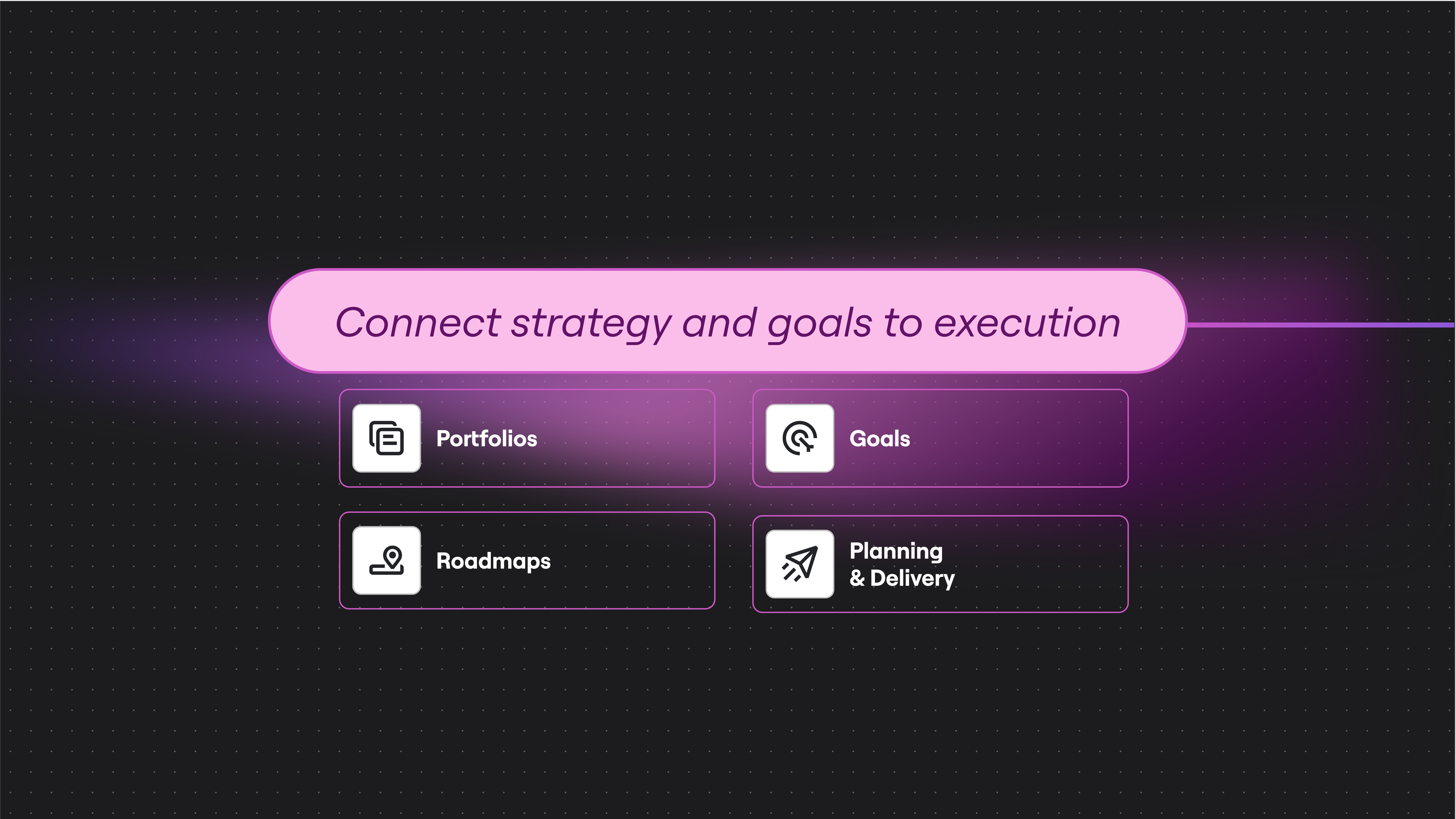
- Six AI Flows that generate the reports, presentations, and documents the team needs to close one quarter and open the next.
One board, four stages, every quarter.
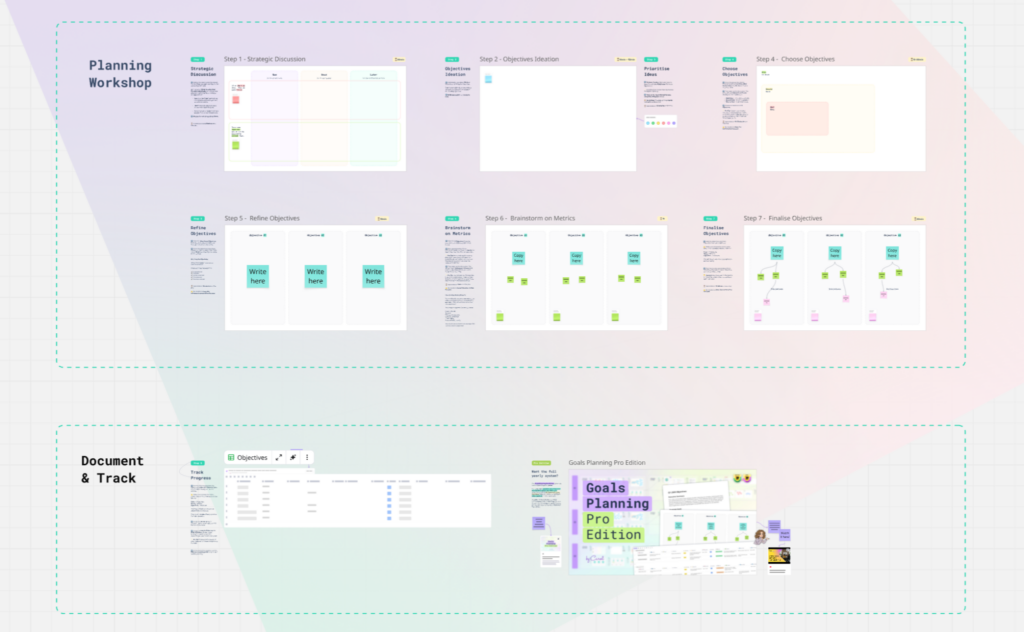
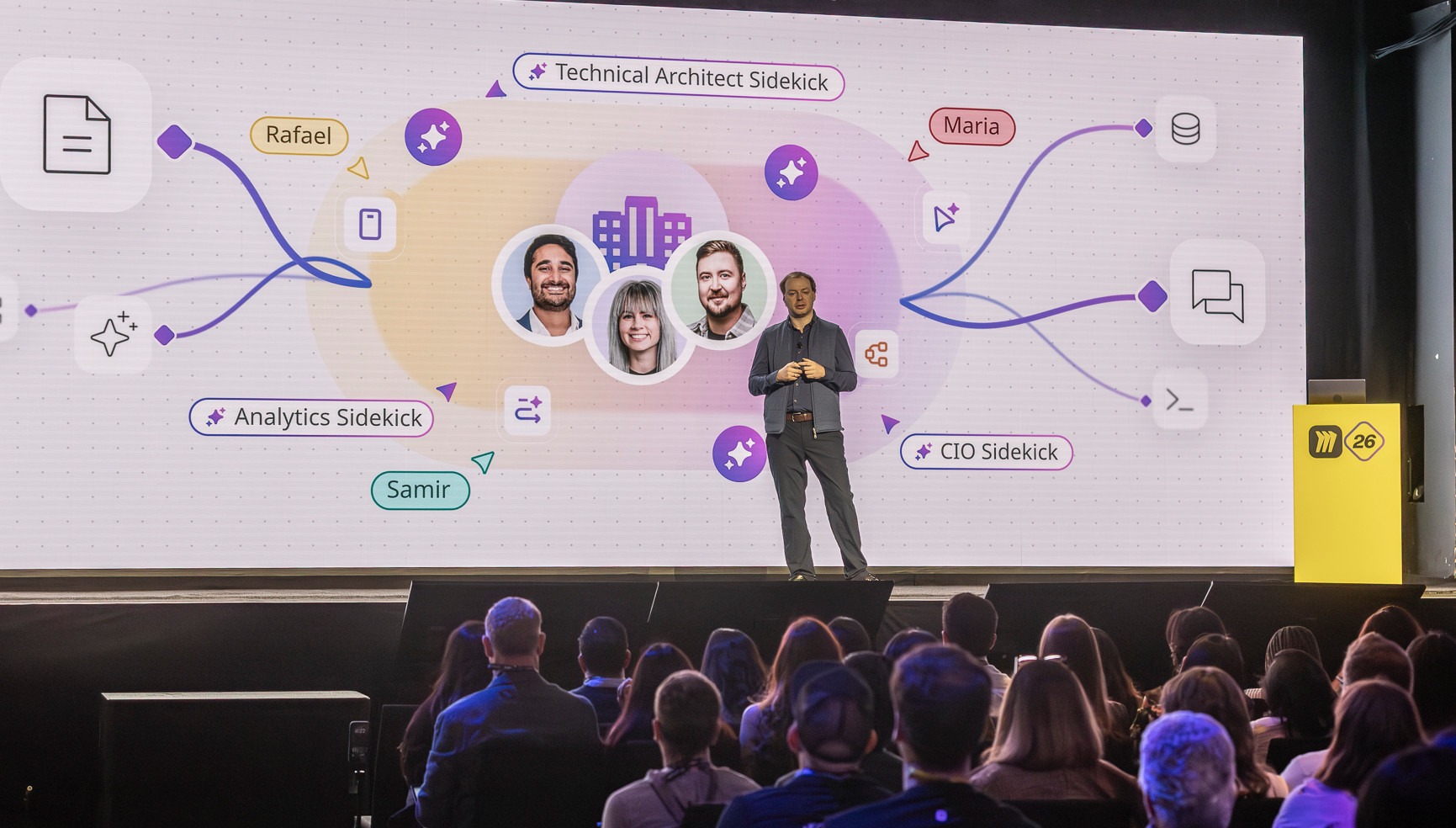
Miro invited me to demo it live at Canvas 26 London in June. I ran the Flows on stage and watched the board generate a quarter’s worth of documentation in real time. The best part came afterwards, when people came up to ask how they could build something similar.
One thing I get asked a lot is what I’m going to do next. Right now, Flows do their heaviest work at the end of the quarter: Reporting, retrospective outputs, and quarter close. I want to bring AI earlier into the process, into the planning workshop itself, so Flows can help a team synthesize competing priorities in the moment instead of only documenting the decision after it’s made. Helping people decide together, not just record what they decided. That’s the next version.
Try my Goals Planning Workshop for yourself
The free version of the Goals Planning Workshop is on Miroverse. It covers the planning session and a basic tracking table, and it’s a good place to start if you want to see how the structure works.
The Pro Edition is the full system with all six Flows. It’s available separately.
Carolina Poll is a Strategic Product Designer, Workshop Facilitator, Miro MVP and Miro Creator Partner with 125+ templates on Miroverse. She helps early-stage SaaS teams move from planning chaos to confident execution.