Purpose
The application of a structured, methodical approach to solving a complex problem. Drawing on scientific thinking, this process leads to reaching the root cause and applying countermeasures to ensure the problem does not occur again.
Process
Once a large problem is identified and the target outcome is set, it is broken down to a clearly defined and manageable piece. This is the prioritized problem at the point of occurrence. A root cause analysis is applied, countermeasures identified and implemented to effectively solve that part of the problem. Standard work is then put in place to help sustain the improvement.
Outcome
A visual that demonstrates and tells the story of the process followed to identify and solve a complex problem.
niwaki
Enterprise Transformation
niwaki ('knee'-'wah'-'key') is an interdisciplinary transformation partner for responsible, forward-thinking leaders of purpose-driven organizations.
Categories
Similar templates
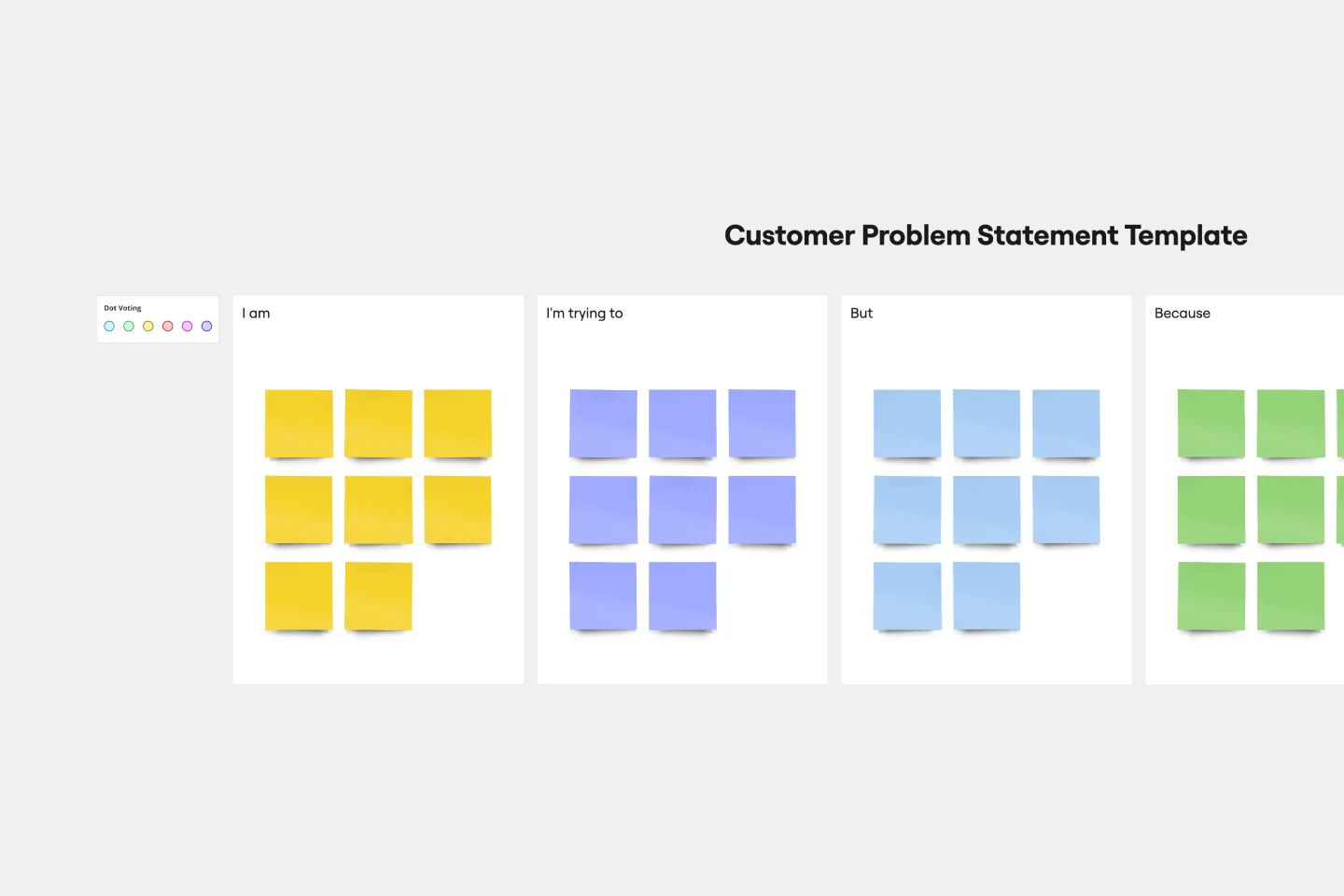
Customer Problem Statement Template

Customer Problem Statement Template
Put yourself in the shoes of your consumers with a customer problem statement. Figure out their problems and how your product or service can solve those problems and make their lives easier. As a bonus, you’ll better understand your customers throughout the process.
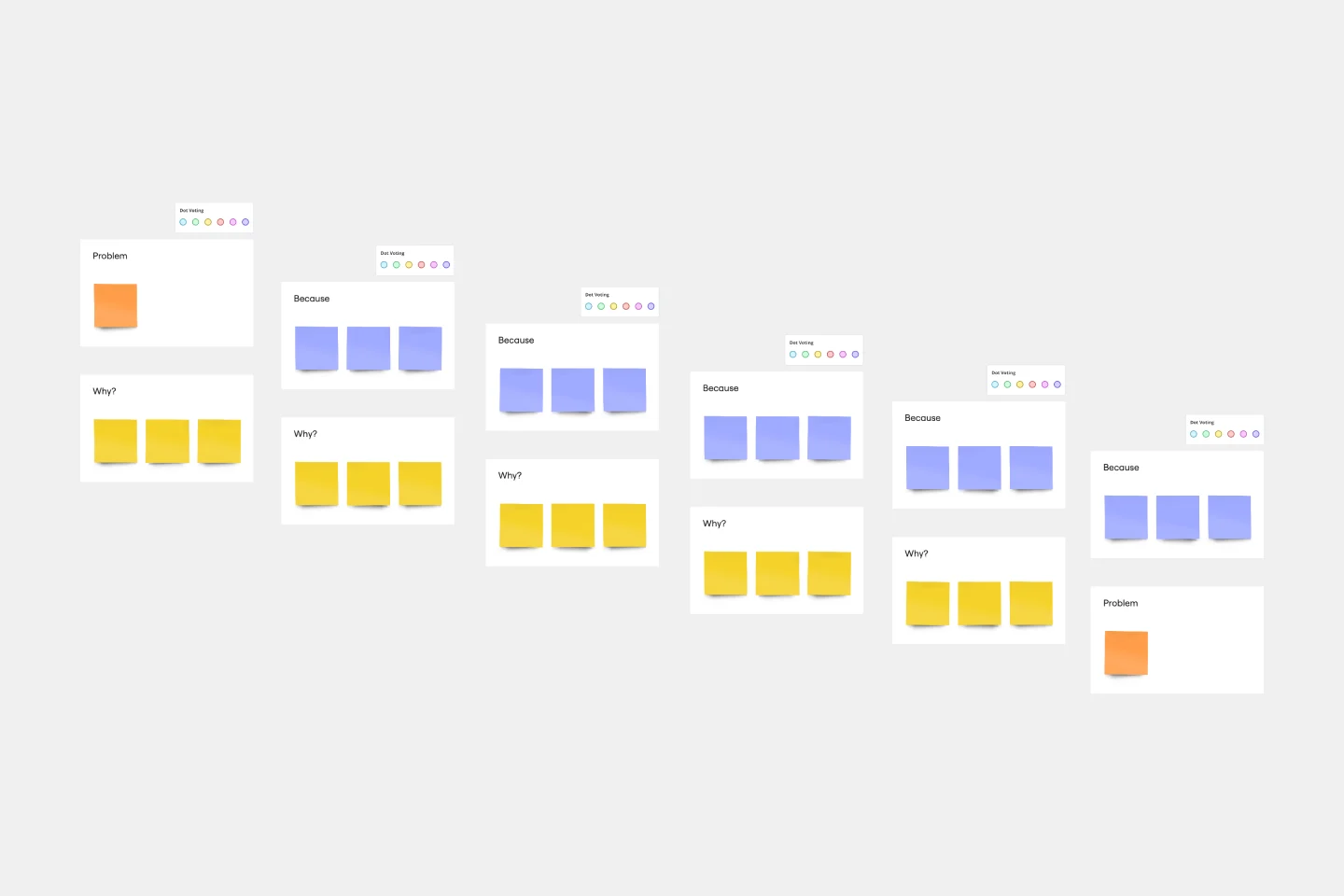
5 Whys Template

5 Whys Template
Ready to get to the root of the problem? There’s no simpler way to do it than the 5 Whys technique. You’ll start with a simple question: Why did the problem happen? Then you’ll keep asking, up to four more times, until the answer becomes clear and you can work toward a solution. And Miro’s features enhance the approach: You can ask team members questions in chat or @mention them in comments, and use color-coded sticky notes to call out issues that are central to the problem at hand.
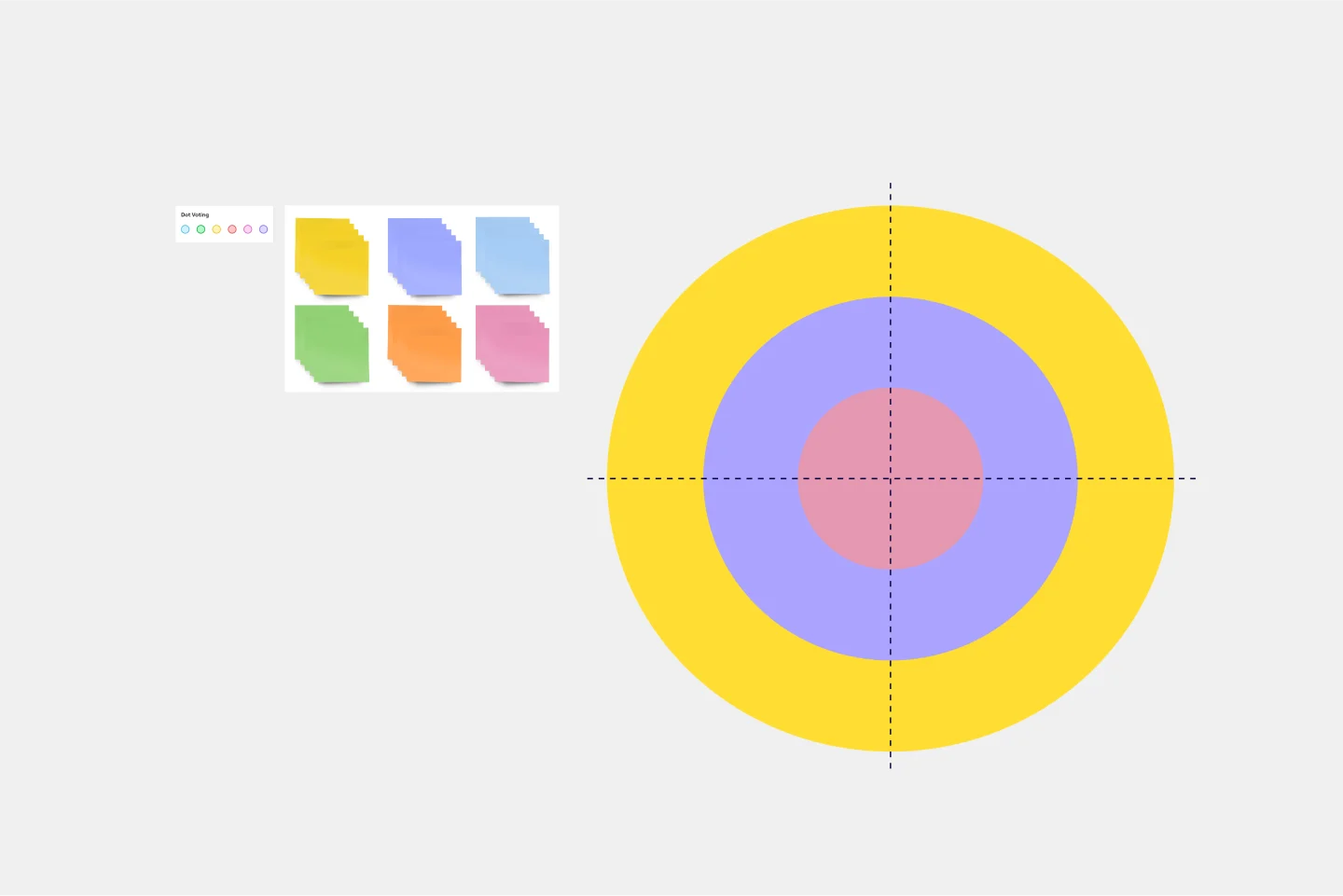
What's on Your Radar Template

What's on Your Radar Template
Do you or your team feel overburdened by tasks? Having trouble focusing on particular problems? What’s on Your Radar is a thought exercise in which you plot ideas according to their importance or relevance. Designers and teams use what’s on your radar to ensure that their ideas are within the scope of a given project. They also rely on the method to assess whether a given solution is likely to solve the problem at hand. But even if you’re not a designer, the method can help assign priorities and ground your ideas in reality.
Customer Problem Statement Template

Customer Problem Statement Template
Put yourself in the shoes of your consumers with a customer problem statement. Figure out their problems and how your product or service can solve those problems and make their lives easier. As a bonus, you’ll better understand your customers throughout the process.
5 Whys Template

5 Whys Template
Ready to get to the root of the problem? There’s no simpler way to do it than the 5 Whys technique. You’ll start with a simple question: Why did the problem happen? Then you’ll keep asking, up to four more times, until the answer becomes clear and you can work toward a solution. And Miro’s features enhance the approach: You can ask team members questions in chat or @mention them in comments, and use color-coded sticky notes to call out issues that are central to the problem at hand.
What's on Your Radar Template

What's on Your Radar Template
Do you or your team feel overburdened by tasks? Having trouble focusing on particular problems? What’s on Your Radar is a thought exercise in which you plot ideas according to their importance or relevance. Designers and teams use what’s on your radar to ensure that their ideas are within the scope of a given project. They also rely on the method to assess whether a given solution is likely to solve the problem at hand. But even if you’re not a designer, the method can help assign priorities and ground your ideas in reality.